AV Equipment Setup in Kenya: Complete Audiovisual Preparation for Events
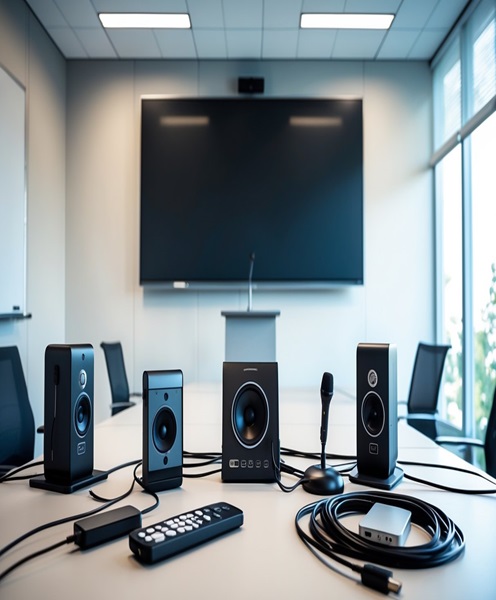
A successful event requires more than hiring the right audiovisual equipment. Every component must be organised and prepared to work as part of the overall event production system. Speakers need to be positioned, microphones allocated, screens arranged, playback devices connected and control equipment configured before guests arrive.
This is where professional AV equipment setup becomes important.
Janeson Rentals provides audiovisual equipment hire and supports clients arranging AV equipment setup in Kenya for conferences, weddings, corporate functions, exhibitions, concerts, church gatherings, product launches, training sessions and live productions.
An effective setup considers the event’s purpose, venue layout, audience size, programme requirements and technical specifications. A small business meeting may need a projector, laptop and portable sound system, while a large corporate conference may require several microphones, digital mixing consoles, LED screens, presentation switchers, playback computers and technical control positions.
The goal is to organise the hired equipment into a functional arrangement that supports the event from the opening session to the final programme item.
What Is AV Equipment Setup?
AV equipment setup is the process of arranging and configuring audiovisual equipment at a venue so that the various components are prepared for their intended functions.
It involves more than placing equipment in a room. The process considers how devices connect, where they should be positioned, how signals travel between components and how presenters, performers and technicians will use the system.
Depending on the rental package and technical requirements, AV equipment setup may include:
-
Arranging speakers, subwoofers and stage monitors.
-
Positioning microphones and microphone receivers.
-
Organising audio mixers and control equipment.
-
Preparing projectors and projection screens.
-
Arranging television displays and LED screens.
-
Connecting laptops and playback devices.
-
Configuring video switchers and converters.
-
Organising audio and video signal paths.
-
Arranging technical control stations.
-
Routing and securing cables.
-
Preparing presentation and playback sources.
-
Coordinating equipment for rehearsals and testing.
The exact scope depends on the event and the equipment hired.
Why Proper AV Equipment Setup Matters
Audiovisual systems are made up of connected components. A problem with one part of the arrangement can affect the performance of the entire system.
For example, a conference may have high-quality microphones and speakers, but poor microphone allocation, incorrect mixer routing or badly positioned speakers can make presentations difficult to hear.
Likewise, a projector may be functioning correctly, but an unsuitable position, incorrect image size or incompatible video connection can affect the presentation.
A planned setup helps ensure that each component has a defined purpose and position.
Better Coordination Between Equipment
A complete AV setup brings the different equipment categories together. It helps ensure that microphones, mixers, speakers, displays, computers and video equipment are organised according to the event’s technical plan.
Improved Audience Experience
Equipment positioning affects sound coverage, viewing angles and the visibility of presentations. A suitable arrangement helps attendees engage with the event.
More Efficient Event Preparation
When equipment is organised before the programme starts, technicians and organisers can work more efficiently. A clear setup also makes it easier to identify missing accessories or connection requirements.
Support for Presenters and Performers
Presenters need accessible microphones and reliable presentation connections. Performers may need stage monitors and suitable microphone arrangements. An organised setup accommodates these different needs.
Better Cable and Power Management
Cable routing and power planning are important parts of AV preparation. Proper organisation helps reduce trip hazards, accidental disconnections and equipment placement problems.
Types of AV Equipment Setup for Events
Janeson Rentals supports clients hiring different audiovisual equipment categories. Each category has specific setup considerations.
1. Sound System Setup
Sound system setup involves arranging audio equipment so that speeches, music, announcements and performances can be heard by the intended audience.
Depending on the event, the setup may include:
-
Portable PA systems.
-
Professional PA systems.
-
Active and passive speakers.
-
Line array systems.
-
Subwoofers.
-
Stage monitors.
-
Digital mixing consoles.
-
Analogue audio mixers.
-
Amplifiers.
-
Audio interfaces.
-
Speaker stands.
-
Speaker cables and accessories.
Speaker placement should take account of the room’s shape, audience position, stage layout and expected sound coverage. Subwoofers may require separate positioning considerations, while stage monitors need to be arranged for performers and presenters.
The audio signal chain should also be planned. Microphones and playback sources connect to appropriate mixer inputs, and the mixer outputs feed compatible amplifiers, powered speakers or other processing equipment.
2. Microphone Setup
Microphones support speeches, panel discussions, interviews, performances, announcements and audience participation.
An AV setup may include:
-
Wireless handheld microphones.
-
Wired handheld microphones.
-
Lavalier microphones.
-
Headset microphones.
-
Gooseneck microphones.
-
Conference microphone systems.
-
Microphone stands.
-
Wireless receivers.
-
Compatible antennas and accessories.
Microphones should be allocated according to the programme. For example, a panel discussion may require separate microphones for the moderator and panellists, while a conference may need microphones for presenters and audience questions.
Wireless systems require frequency coordination, receiver placement and appropriate battery preparation. Frequency use must comply with applicable Kenyan communications regulations.
3. Projector and Projection Screen Setup
Projection equipment is frequently used for training sessions, conferences, corporate presentations, church services and exhibitions.
The setup may involve:
-
Positioning the projector.
-
Assembling or positioning the projection screen.
-
Connecting presentation computers.
-
Checking video input connections.
-
Adjusting image alignment.
-
Setting image focus.
-
Confirming resolution and aspect ratio.
-
Preparing presentation playback.
Projector placement should consider the throw distance, screen size, brightness requirements and venue lighting. The presenter should also have a practical way to connect to the presentation system.
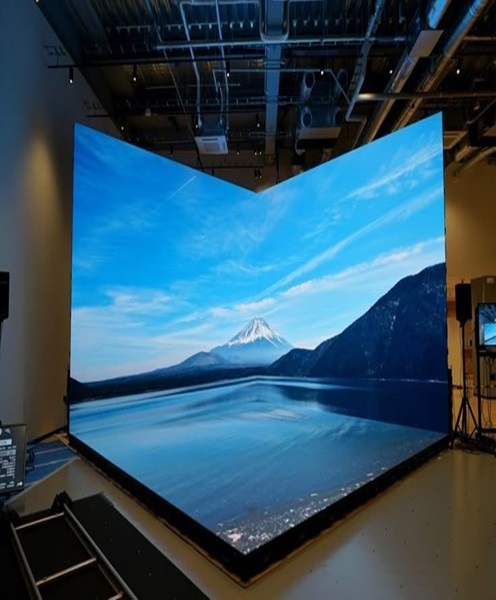
4. LED Screen and Video Wall Setup
LED screens are popular for concerts, product launches, exhibitions, conferences, brand activations and large corporate functions.
An LED setup may involve:
-
Planning the screen arrangement.
-
Preparing compatible display components.
-
Organising supporting structures.
-
Connecting signal and power cables.
-
Preparing LED processors or controllers.
-
Configuring the intended display layout.
-
Connecting video sources.
-
Preparing playback content.
-
Checking image orientation and output settings.
The supporting structure, power distribution and installation procedures must follow the equipment manufacturer’s requirements and applicable venue safety rules. Larger or suspended structures require appropriate professional structural and rigging arrangements.
5. Television and Display Setup
Television screens and professional monitors can support presentations, exhibitions, registration desks, digital signage, product demonstrations and breakout sessions.
Setup may involve selecting suitable positions, arranging compatible stands, connecting playback devices and configuring the display inputs.
Screen size, viewing distance, orientation and available connections should be considered. Mounted displays require compatible mounting hardware and suitable structural support.
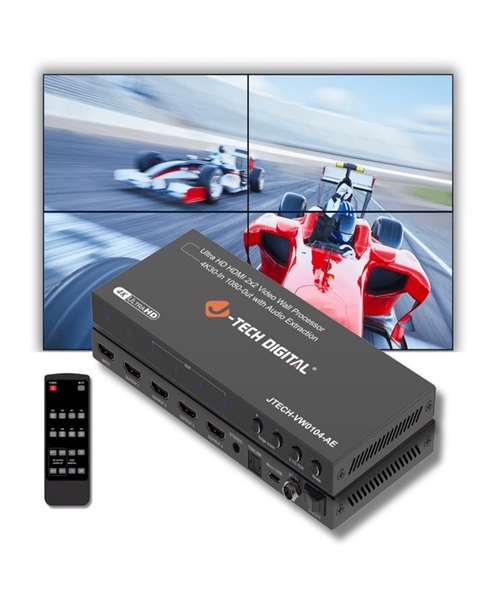
6. Video Switching and Presentation Setup
Events using multiple video sources may require a coordinated video switching arrangement.
Equipment can include:
-
Video switchers.
-
Presentation switchers.
-
HDMI switchers.
-
SDI switchers.
-
Video converters.
-
Signal distribution equipment.
-
Capture cards.
-
Streaming encoders.
-
Playback computers.
-
Video playback servers.
-
Camera monitors.
The setup should define which sources connect to which inputs, how the content will be selected and where the final output will be displayed or recorded.
Resolution, frame rate, signal format, connector type and cable length should be checked when designing the signal path.
7. Event Recording and Streaming Setup
Some events require recording, live streaming or multi-camera production.
The setup may involve cameras, video switchers, capture devices, audio feeds, recording equipment, streaming encoders and monitoring displays.
Audio and video should be coordinated so that the recorded or streamed programme contains the intended sound and visuals. Recording destinations, storage capacity and backup arrangements should also be considered.
AV Equipment Setup for Different Event Types
Corporate Conferences
Conference setups may combine microphones, speakers, mixers, projectors, LED screens, presentation computers and video switching equipment.
The arrangement should consider the stage, lectern, presenter positions, audience seating and technical control area. Panel discussions, keynote presentations and question-and-answer sessions may each require different microphone arrangements.
Weddings and Private Celebrations
Wedding setups may include sound systems, wireless microphones, DJ equipment, stage monitors and display screens. Equipment should be arranged to support the ceremony, speeches, entertainment and reception programme without obstructing guest movement.
Concerts and Live Performances
Concert setups can involve line arrays, subwoofers, digital mixing consoles, microphones, stage monitors, playback equipment and video displays.
The arrangement must consider performer positions, stage layout, front-of-house control, monitor requirements, power and cable management.
Exhibitions and Trade Shows
Exhibition setups may include digital signage, television displays, projectors, speakers, laptops and presentation equipment. Equipment must fit the allocated stand or exhibition area and comply with the venue’s technical guidelines.
Church Events
Church services, worship sessions and religious conferences may require PA systems, wireless microphones, projection screens, LED displays and video production equipment.
A suitable setup should support speech, music, worship presentations and audience participation.
Product Launches and Brand Activations
Product launches may combine presentation systems, LED screens, video playback, microphones, sound systems and other production technology. Setup planning helps coordinate these elements with the stage, branding and event programme.
What to Consider Before Booking AV Equipment Setup
Before arranging an AV setup, clients should share the important details of the event.
Event Format and Programme
Explain whether the event involves speeches, presentations, music, panel discussions, video playback, live streaming or a combination of activities.
Venue Layout
The floor plan helps determine equipment positions, audience viewing angles, speaker coverage and technical control locations.
Audience Size
The expected attendance helps inform the selection and arrangement of sound and display equipment.
Equipment Requirements
Provide an equipment list where possible. If you are unsure which equipment is needed, describe the event and its technical objectives.
Power Availability
Check the available electrical supply and the requirements of the planned equipment. Larger systems may need professionally designed power distribution and appropriate protection.
Cable Routing
Plan cable paths to avoid obstructing walkways, emergency exits and working areas. Appropriate cable protection should be used where cables cross areas accessed by guests or staff.
Installation and Rehearsal Time
Allow sufficient time for arranging equipment, connecting devices, configuring settings and preparing the programme. Complex productions should include a technical rehearsal.
Venue Regulations
Some venues have specific requirements for rigging, screen mounting, electrical work, noise levels and supplier access. Confirm these before finalising the setup.
AV Equipment Setup Versus Installation and Testing
These services work together but have different purposes.
-
Installation: Focuses on assembling, positioning and connecting equipment.
-
Setup: Focuses on organising and configuring the overall system for the intended event.
-
Testing: Focuses on checking performance, functionality, signal flow and readiness.
For example, installing a projector involves positioning and connecting it. Setting it up involves configuring its source, image arrangement and presentation workflow. Testing confirms that the image displays correctly and that the presentation can be played successfully.
Clients should confirm which activities are included in their booking, particularly when a production requires technicians to remain on site throughout the event.
Why Choose Janeson Rentals for AV Equipment Setup?
Janeson Rentals provides audiovisual equipment hire for a wide range of events and production requirements.
Clients can benefit from:
-
A broad AV equipment range: Hire speakers, microphones, mixers, projectors, LED screens, displays, video equipment and accessories.
-
Event-specific planning: Consider the venue, audience and programme when coordinating equipment arrangements.
-
Multiple event applications: Prepare AV equipment for conferences, exhibitions, weddings, concerts, church events and corporate functions.
-
Equipment coordination: Organise different components into a suitable audiovisual arrangement.
-
Convenient rental planning: Discuss equipment hire alongside delivery, installation, setup and testing requirements.
-
Kenya-focused service: Based in Nairobi, Janeson Rentals coordinates rental arrangements for clients across Kenya, subject to location and availability.
How to Book AV Equipment Setup from Janeson Rentals
To arrange an AV equipment setup, contact Janeson Rentals with the following details:
-
Event date and type.
-
Venue name and location.
-
Expected audience size.
-
Equipment requirements.
-
Programme or technical requirements.
-
Stage and seating layout.
-
Available power arrangements.
-
Venue access and setup hours.
-
Whether a rehearsal is required.
-
Whether on-site technical operation is needed.
A venue floor plan, event schedule or technical rider can help clarify the setup requirements.
Clients should also confirm whether equipment delivery, installation, testing, live technical support and dismantling are included in the quotation.
Book AV Equipment Setup in Kenya with Janeson Rentals
A well-organised audiovisual system helps an event run smoothly. From sound systems and microphones to projectors, LED screens, presentation equipment and video production systems, each component needs to be prepared for its intended role.
Janeson Rentals supports AV equipment hire and setup arrangements for corporate events, conferences, weddings, concerts, exhibitions, church functions and productions in Kenya.
Contact Janeson Rentals with your event details and equipment requirements to enquire about AV equipment setup in Kenya and plan an audiovisual arrangement suited to your venue and programme.