Introduction
LED screens are an important part of modern event production, helping organisers deliver presentations, live video feeds, advertisements, animations and branded content to audiences. They are commonly used at concerts, corporate conferences, exhibitions, fashion shows, weddings, product launches and other special occasions. Behind every functioning LED display is a system of electronic components that work together to deliver images accurately across the screen.
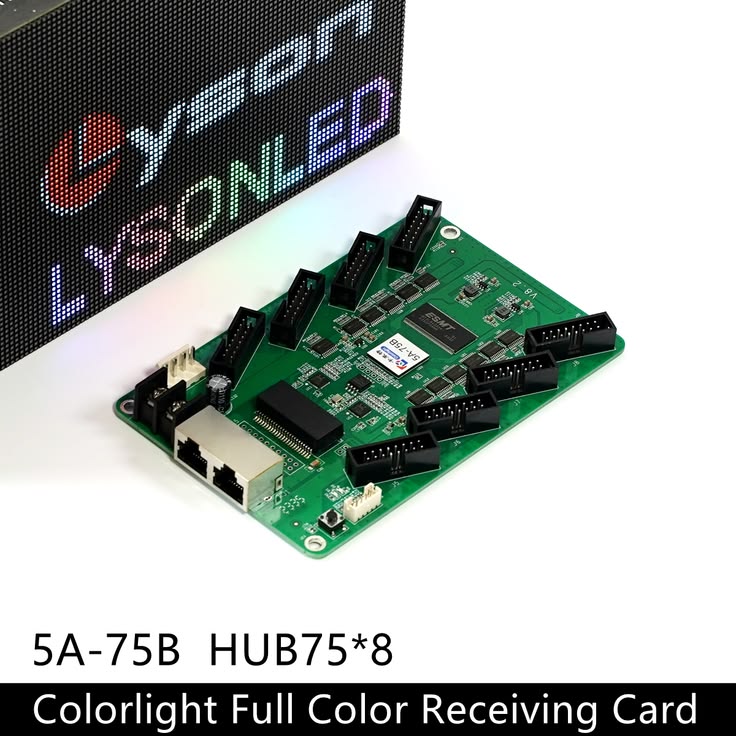
One of these components is the LED receiving card. A receiving card is an electronic component installed within a compatible LED display cabinet or panel system. It receives display data from the sending system and processes the information needed to control the relevant LED modules. Its role is essential in many professional LED display systems because it helps coordinate how visual information appears across the screen.
Janeson Rentals provides event equipment hire and rental solutions in Nairobi, Kenya. If you are organising an event that requires LED display equipment or need a compatible component for an existing screen system, you can enquire about availability and technical requirements before booking.
Whether you are an event organiser, audiovisual technician, production company or business planning a visual presentation, understanding the purpose of an LED receiving card can help you make informed equipment decisions.
What Is an LED Receiving Card?
An LED receiving card is a control component used in many LED display systems to receive data transmitted by a compatible sending card or display control system. It processes that information and communicates with the LED modules according to the system’s configuration.
In a typical LED display setup, a computer, media source or video processor supplies the content. The display control system processes the signal, and the sending system transmits the required data to the receiving cards. The receiving cards then control the appropriate display components so that the intended image appears on the LED screen.
The exact arrangement varies depending on the manufacturer and display design. Receiving cards may differ in their supported resolutions, data interfaces, scan configurations, firmware, colour processing and compatibility with LED modules.
For this reason, an LED receiving card is not a universal replacement part. It must match the relevant sending system, LED cabinet design, control software and display hardware.
Why an LED Receiving Card Is Important
1. Helps Deliver Images to LED Modules
The receiving card plays a key role in communicating display information to the LED modules. When correctly configured and compatible with the system, it helps ensure that the intended content appears on the appropriate section of the screen.
This is important for event productions that rely on clear presentations, video playback, sponsor messages and live footage.
2. Supports Large LED Display Configurations
Large LED screens are often made up of multiple cabinets or panels arranged in a specific layout. Each section must receive the appropriate display data to produce a coordinated image.
Receiving cards form part of the control system that manages these sections. The configuration must account for the display’s layout, resolution and the specifications of the control equipment.
3. Helps Maintain Consistent Display Performance
An LED screen may contain many individual modules that need to work together. Compatible receiving cards and correct configuration help the display system reproduce the intended image across the screen.
Display quality also depends on LED module condition, power supply, signal transmission, calibration, processing settings and other components. A receiving card alone cannot guarantee perfect image quality.
4. Supports System Maintenance and Replacement
Audiovisual technicians may need to replace a receiving card when troubleshooting a faulty LED cabinet or maintaining an existing display system. The replacement must be compatible with the original equipment.
Before sourcing a card, technicians should identify the existing part number, manufacturer, firmware requirements and receiving-card configuration. This reduces the risk of installing an incompatible component.
5. Helps Event Teams Manage Multi-Panel Displays
At concerts, exhibitions and conferences, LED screens may consist of numerous panels assembled into a large display. The receiving-card system helps manage the individual sections of the display according to the configured arrangement.
Proper mapping and configuration are important to avoid issues such as incorrect panel positioning, image distortion or sections displaying the wrong content.
6. Supports Flexible LED Display Applications
LED displays are used for temporary events, advertising, indoor installations, outdoor screens and exhibition displays. Receiving cards are used in many of these systems, depending on the screen’s technical design.
The correct receiving card must be selected according to the equipment rather than simply the intended event.
Events That Use LED Screens With Receiving Cards
An LED receiving card is a technical component within the display system. Its role supports the visual equipment used at a wide range of events.
Concerts and Music Festivals
Concerts use LED screens to display performer visuals, live camera footage, animations and sponsor content. Large screens may contain several connected LED cabinets, making correct control configuration essential.
Compatible receiving cards help manage the display data delivered to the relevant sections of the screen.
Corporate Conferences and Seminars
Corporate conferences rely on LED displays for speaker presentations, company branding, videos, schedules and remote participation. A properly configured display system helps the audience see the intended content.
Technical teams should test the complete system, including the content source, processor, sending equipment, receiving cards and LED modules.
Product Launches
Product launches often feature branded videos, product demonstrations and promotional graphics. An LED display can help present these materials to a large audience.
The receiving-card configuration must be suitable for the screen’s physical arrangement and the content being displayed.
Exhibitions and Trade Shows
Exhibition stands use LED displays to communicate product information and attract visitors. Receiving cards help the display system operate according to its configuration, supporting the delivery of visual content across the screen.
Fashion Shows
Fashion shows may use LED screens for designer names, collection themes, sponsor messages and live runway footage. The display system needs to present visuals in coordination with the show’s programme.
Compatible receiving cards and correctly configured panels contribute to the operation of the display system.
Weddings and Private Celebrations
LED screens at weddings, birthdays and anniversaries may display photographs, videos, live camera feeds and personalised messages. A receiving-card system may be part of the equipment that delivers this content to the panels.
Church Conferences and Religious Events
Churches and religious organisations may use LED screens for lyrics, scripture, announcements, sermons and live video feeds. Correctly functioning display components help the technical team present content to the congregation.
How to Choose the Right LED Receiving Card
Choosing an LED receiving card requires accurate information about the existing display system. Consider the following factors before requesting a rental or replacement.
Manufacturer and model: Identify the receiving-card brand and model number, or provide the details of the LED screen manufacturer.
Sending-card compatibility: Confirm that the receiving card is compatible with the sending card or control system used by the display.
LED cabinet and module compatibility: Check the cabinet design, LED module specifications, interface requirements and supported configuration.
Resolution and data capacity: Confirm that the receiving card supports the required display resolution and the amount of data it must handle.
Firmware and software: Some systems require particular firmware versions or configuration software. These should be checked before installation.
Scan configuration: LED modules use different scanning arrangements. The receiving card must support the relevant module configuration.
Display mapping: The card must be configured to correspond with the physical arrangement of the LED cabinets and modules.
Condition and reliability: When replacing a component, inspect the existing system and establish whether the fault is actually related to the receiving card rather than power, cabling, sending equipment or the LED module.
Professional installation: A qualified LED technician should verify compatibility, install the card and test the display before the event.
Providing this information during an enquiry helps the supplier identify whether the required component is suitable for your setup.
LED Receiving Card Hire Versus Buying
The decision to hire or purchase an LED receiving card depends on the intended use and the nature of the equipment requirement.
When Hiring May Be Suitable
Hiring may be worth considering when you need a compatible component for a temporary project, a specific event or a short-term technical requirement. It can also be an option when additional components are needed for a production.
However, receiving cards are system-specific, so the exact model and compatibility must be confirmed before a rental is arranged.
When Buying May Be Better
Purchasing may be appropriate for LED screen rental businesses, maintenance providers and production companies that regularly service the same display system. Keeping compatible spare parts available may help them respond to maintenance needs more quickly.
The purchase must still be based on the exact hardware specifications and manufacturer requirements.
What Should You Consider?
Compare the cost, expected frequency of use, compatibility requirements, availability, installation needs and consequences of equipment downtime. For important events, allow enough time to identify the fault, obtain the correct component and test the system.
Janeson Rentals can be contacted to discuss your event equipment requirements and establish whether a suitable component is available.
Why Choose Janeson Rentals?
Janeson Rentals is an event equipment hire and rental company based in Nairobi, serving event requirements in Nairobi and across Kenya. The company supports organisers planning different kinds of events, from corporate functions and exhibitions to concerts and private celebrations.
Practical Equipment Enquiries
Technical components require accurate specifications. Sharing your LED screen model, receiving-card number and intended use helps clarify the equipment you need.
Support for Different Event Types
LED display systems are used in concerts, conferences, exhibitions, fashion shows, product launches and many other events. Equipment planning should be based on the display configuration and the content requirements of the production.
Nairobi-Based Rental Enquiries
Organisers in Nairobi can contact Janeson Rentals to discuss their requirements. For events in other parts of Kenya, confirm delivery arrangements, timing and availability before booking.
Flexible Options for Temporary Requirements
Hiring may help event organisers avoid purchasing specialist equipment for a single project, provided that the required component is available and compatible.
Emphasis on Technical Compatibility
The most important consideration when sourcing a receiving card is whether it will work with the existing display system. Confirming the specifications before booking helps reduce the risk of equipment mismatch.
How to Enquire About an LED Receiving Card
Follow these steps when requesting an LED receiving card for hire or replacement.
- Identify the LED screen: Record the screen brand, model and cabinet type.
- Check the existing receiving card: Note its manufacturer, part number and other identifying details.
- Provide the sending-system details: Share the sending card, processor or controller model where available.
- Describe the problem or requirement: Explain whether the card is needed for a new setup, additional display capacity or troubleshooting.
- Share your event details: Include the event date, location and the period for which the component is required.
- Confirm compatibility: Ask the technical team to verify the card against the display system before finalising the booking.
- Arrange testing: Ensure the installed component is configured and tested by a qualified technician.
Early planning is particularly important when the component is required to repair an LED screen before a scheduled event.
Frequently Asked Questions
1. What does an LED receiving card do?
An LED receiving card receives display data from a compatible sending system and processes it for the relevant LED modules or cabinets.
2. Can I hire an LED receiving card in Nairobi?
You can enquire with Janeson Rentals about LED receiving card hire in Nairobi. Availability and compatibility should be confirmed for the exact model required.
3. Is an LED receiving card the same as a sending card?
No. A sending card transmits display data through the control system, while receiving cards process that data for the relevant LED display components.
4. Can I use any receiving card with my LED screen?
No. Receiving cards differ in compatibility, supported modules, firmware, data interfaces and configuration. Check the manufacturer’s specifications before using a replacement.
5. Can a faulty receiving card cause an LED screen problem?
Yes, a faulty receiving card may cause display problems in the section it controls. However, similar symptoms can also result from power issues, damaged cables, LED module faults or other control-system problems. A technician should diagnose the cause before replacing components.
6. Do all LED screens use separate receiving cards?
No. The control architecture varies. Many professional LED display systems use receiving cards, while the exact arrangement depends on the design and manufacturer.
7. Should an LED receiving card be installed by a technician?
Professional installation is recommended because the card must be compatible with the system and correctly configured. A technician can test the display after installation.
Enquire About LED Receiving Card Hire With Janeson Rentals
A compatible LED receiving card is an important component in many professional LED display systems. Whether you are maintaining an existing screen or planning a production for a concert, conference, exhibition, fashion show, product launch or private celebration, verifying component compatibility is essential.
Contact Janeson Rentals to enquire about LED receiving card hire and rental in Nairobi and across Kenya. Provide the model number, LED screen details, control-system specifications and event date so availability and suitability can be assessed.
Plan your LED display equipment requirements carefully and confirm compatibility before installation to support a dependable event presentation.