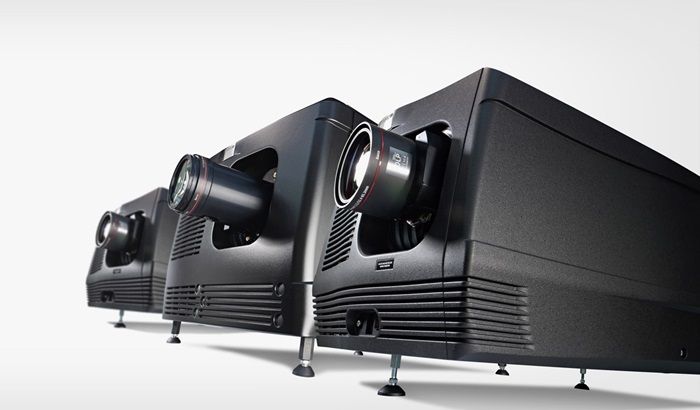
Projection Mapping Projector Hire and Rental in Kenya
A projection mapping projector is specialised audiovisual equipment used to project images, animations, videos, and digital effects onto surfaces that may have complex shapes or dimensions. Unlike conventional projection, which usually displays content on a flat screen, projection mapping can transform buildings, stage structures, exhibition installations, product displays, and selected objects into dynamic visual experiences.
Janeson Rentals provides event equipment hire and rental solutions for clients in Nairobi and across Kenya. If you are planning a product launch, corporate event, fashion show, exhibition, concert, wedding, festival, or brand activation, a projection mapping projector may be worth considering for a creative visual presentation.
Projection mapping combines a projector, suitable projection surfaces, specially prepared digital content, and mapping software. The content is aligned with the shape and position of the target surface so that projected visuals appear to follow its features. This can create the appearance of moving graphics, changing textures, animated architecture, or three-dimensional effects.
Hiring a projection mapping projector can be useful for event organisers who want to explore advanced visual effects without purchasing specialised equipment for permanent use. However, projection mapping requires careful planning. The projector must have suitable brightness, resolution, lens capabilities, and placement, while the content must be prepared for the intended surface.
When enquiring about projection mapping projector hire, provide details about the venue, target surface, projection distance, audience size, lighting conditions, and the type of visual effect you want to achieve.
What Is a Projection Mapping Projector?
A projection mapping projector is a projector used as part of a system that aligns digital images with the shape, dimensions, and features of a physical surface.
Traditional projection generally displays an image on a flat screen. Projection mapping, by contrast, can be used on surfaces such as building façades, stage scenery, display structures, product models, and specially designed installations.
The projector produces the image, while mapping software helps position and adjust the content so it fits the target surface. The digital content may include animation, video, still graphics, visual effects, or sequences designed to create the impression that the surface is changing shape or appearance.
A projector alone does not automatically create a complete projection mapping experience. The event may also require a computer, mapping software, prepared content, suitable mounting or support equipment, and technical expertise to align and test the projection.
The required setup depends on the size and complexity of the target surface. A small product display may require a different configuration from a large building façade or an expansive stage installation.
Why Hire a Projection Mapping Projector?
1. Creates Engaging Visual Experiences
Projection mapping can turn ordinary surfaces into visual displays. Animated graphics, moving patterns, changing colours, and video sequences can help make an event more memorable.
This can be particularly useful for product launches, brand activations, festivals, and stage productions where visual storytelling is an important part of the programme.
2. Supports Creative Event Concepts
Projection mapping gives event designers opportunities to incorporate digital visuals into the physical environment.
For example, a product launch may feature animations that reveal a product’s features, while a fashion show may use mapped visuals to complement a collection or runway design. The result depends on the target surface, content, equipment, and overall production plan.
3. Suitable for Branding and Product Presentations
Businesses can use projection mapping as part of a brand experience. Visuals may highlight product features, display campaign graphics, or create an engaging backdrop for a presentation.
The projected content must be designed for the target surface. Logos and text should be positioned carefully so that they remain recognisable and are not distorted by the surface’s shape.
4. Can Transform Architectural Surfaces
Projection mapping can be used on selected building façades and architectural features, provided the projector can cover the required area and the venue permits the installation.
This can be suitable for festivals, public celebrations, cultural events, and special launches. Outdoor architectural projection requires additional planning for distance, ambient light, weather, power, permissions, and safe equipment placement.
5. Flexible for Temporary Events
Projection mapping equipment may be needed only for a particular production or event. Hiring allows organisers to enquire about suitable equipment for a specific project without necessarily purchasing and maintaining specialised equipment.
Before booking, establish whether the rental covers only the projector or whether other equipment, software, content preparation, alignment, and technical support must be arranged separately.
Events That May Require a Projection Mapping Projector
Product Launches
Product launches often aim to attract attention and introduce a product through demonstrations, storytelling, and promotional visuals.
A projection mapping projector can be used to display animated content on a product model, stage structure, or specially designed surface. For example, graphics may highlight product features or create a sequence that reveals different aspects of the launch concept.
The target surface, projector position, and content should be planned together. Test the mapping in advance to ensure that important graphics align correctly and remain visible under the event lighting.
Corporate Events and Brand Activations
Corporate events may use projection mapping to create branded environments, display animated campaign visuals, or enhance a presentation stage.
The technique can be considered for company anniversaries, business launches, brand experiences, corporate galas, and promotional events. The display should support the event’s objectives rather than distract from speakers or important information.
When planning a corporate activation, define the target surface, viewing positions, brand content, and duration of the visual sequence.
Fashion Shows
Fashion shows combine clothing, music, lighting, stage design, and visual storytelling. Projection mapping may be used to create digital backgrounds, animated runway visuals, or effects on selected stage structures.
For fashion events, the projected content should complement the garments and models rather than make them difficult to see. Carefully coordinate the projector with runway lighting, model movement, audience sightlines, and the stage design.
Projection on moving fabrics or garments requires additional testing because folds and movement can affect the appearance of the image.
Concerts and Live Performances
Concerts and live performances may use mapped visuals on stage scenery, set pieces, or selected architectural features.
Animated content can complement music and performance sequences, helping establish the atmosphere for different parts of a show. The setup must account for stage lighting, performer movement, sound and lighting equipment, and the position of the audience.
Weddings and Special Celebrations
Some weddings, anniversaries, and milestone celebrations use projection mapping to create distinctive visual moments.
Mapped visuals may be incorporated into a stage backdrop, decorative structure, or selected feature surface. Content can be designed around the event theme, provided the surface and venue support the intended projection.
For wedding setups, coordinate the visuals with the décor, stage, photography positions, and lighting. Avoid positioning equipment where it interferes with guest movement or other activities.
Exhibitions and Trade Shows
Exhibitors may use projection mapping to attract visitors and present products or information in a creative way.
A mapped display can be applied to a product model, exhibition structure, or purpose-built installation. The setup should fit the available booth dimensions and comply with the organiser’s rules for equipment placement and electrical access.
For detailed product information, ensure the visuals remain readable and that the display does not interfere with neighbouring stands.
Festivals and Cultural Events
Festivals and cultural celebrations may use projection mapping to present animated art, storytelling, patterns, and other visual content on selected surfaces.
Outdoor installations require careful attention to ambient light, projector brightness, equipment protection, weather, permissions, and audience movement. The projection should be tested at the intended time of day because daylight and other light sources can reduce visibility.
Conferences and Award Ceremonies
Projection mapping may be used to enhance stage scenery or create visual effects during key moments at conferences and award ceremonies.
It can be considered for opening sequences, sponsor presentations, product demonstrations, or award announcements. Where the audience must read detailed slides, a conventional projection screen may still be more suitable for the primary presentation content.
How Projection Mapping Works
Projection mapping begins with identifying the surface that will receive the projected content. The surface is measured or modelled so the content can be prepared for its shape and dimensions.
The projector is then positioned to cover the target area. Mapping software is used to align images and video with the physical surface. Depending on the setup, this may involve adjusting the image’s size, shape, perspective, and individual content areas.
Once the mapping is prepared, the system is tested under the expected lighting conditions. The team checks alignment, focus, brightness, playback, and the visibility of important details.
For more complex installations, several projectors may be required to cover a large surface or achieve a particular visual effect. Multiple-projector systems need careful alignment and coordination to ensure that the images fit together correctly.
The complexity of the process depends on the target surface and the intended result. A simple installation on a small, static structure may require less preparation than projection mapping across a large building façade.
How to Choose the Right Projection Mapping Projector
Consider the Size of the Target Surface
Start by measuring the width, height, and shape of the surface onto which the content will be projected.
A small product model and a large building façade have very different projection requirements. The surface dimensions help determine the image size, projector position, lens requirements, and brightness needed.
Provide photographs, measurements, or a layout of the target surface when discussing your rental requirements.
Check Projector Brightness
Brightness is an important consideration because projected images must remain visible under the expected lighting conditions.
A large outdoor surface or a brightly lit venue may require substantially more brightness than a small indoor installation in a darkened room. The required output also depends on the surface material, projection distance, and desired image quality.
Do not choose a projector based on brightness alone. Consider it alongside resolution, lens specifications, and the target surface.
Consider Resolution and Image Detail
Resolution affects how clearly graphics, text, patterns, and fine details appear.
For mapping that includes detailed branding or small text, choose a projector and content format appropriate for the required image quality. The resolution should also be considered in relation to the size of the projected image and the audience’s viewing distance.
Check Lens and Throw Distance
The projector lens determines how the image can be positioned and sized at a particular distance.
Measure the distance between the intended projector position and the target surface. Check whether the available lens can produce the required image dimensions without obstructing the audience or interfering with the event layout.
Short-throw or specialised lenses may be useful in some installations, but suitability depends on the projector model and the target area.
Assess Ambient Light
Ambient light affects projection visibility and contrast. Bright room lighting, stage lights, windows, and outdoor daylight can reduce the clarity of the image.
Consider when the projection will be displayed and how the lighting will be controlled. Outdoor projection is often more practical after dark, but the actual result depends on the environment and equipment specifications.
Check Surface Shape and Colour
The shape and colour of the target surface affect how projected content appears. Curved surfaces, recessed areas, edges, and uneven structures may require more detailed mapping.
A dark or highly reflective surface can also affect visibility. Test the projector and content on the actual surface, or on a suitable sample, where possible.
Consider Software and Content Requirements
Projection mapping generally requires compatible software and content prepared for the target surface.
Confirm who will provide the mapping software, computer, video files, and content design. If the content needs to be created from scratch, establish the preparation time and responsibilities before the event.
Plan Equipment Position and Safety
The projector must be positioned securely and protected from accidental movement. For elevated or outdoor installations, suitable supports, mounting systems, and access arrangements are essential.
Cables should be routed safely, and equipment must not obstruct emergency exits or audience walkways. Any mounting or rigging should comply with the venue’s requirements and be handled by appropriately qualified personnel.
Projection Mapping Projector Hire for Outdoor Events
Outdoor projection mapping can be used for festivals, cultural celebrations, building displays, product launches, and special events. However, it requires more planning than many indoor setups.
The target surface must be visible from the audience area, and the projector needs a suitable position and projection distance. The event team should consider ambient light, weather exposure, wind, power access, security, and any permissions required for projecting onto a building or public structure.
Outdoor installations should be tested under conditions similar to those expected during the event. Daylight, streetlights, and nearby illuminated structures can reduce contrast, so the intended display time is an important factor.
Before booking, confirm whether the projector is suitable for the planned environment and whether protective equipment or additional support arrangements are required.
Projection Mapping Projector Rental for Indoor Events
Indoor projection mapping may be used at corporate functions, exhibitions, fashion shows, product launches, concerts, and private celebrations.
Indoor venues provide more control over weather and ambient conditions, but lighting, ceiling height, room dimensions, and the position of guests still affect the setup.
Measure the target surface and available projection distance before selecting equipment. Coordinate the projector with the stage, lighting, sound equipment, and audience layout.
If the installation includes several surfaces or projectors, allow time for alignment and testing. A technical rehearsal can help identify image distortion, playback problems, or unwanted shadows before guests arrive.
Projection Mapping Projector Hire for Fashion and Creative Events
Creative productions often use projection mapping to combine digital imagery with physical spaces. Fashion shows, art displays, theatrical performances, and experiential brand events may use mapped visuals to complement their themes.
For a fashion show, projected graphics can enhance the runway environment or create a visual backdrop for a collection. For a product launch, mapped content can reveal product details or support a brand story.
The projector and content should be selected according to the intended effect. Consider whether the visuals will appear on a fixed structure, a curved surface, fabric, or a moving object. Each surface introduces different alignment and visibility challenges.
Why Choose Janeson Rentals?
Janeson Rentals provides event equipment hire and rental solutions for clients in Nairobi and across Kenya. If you are planning a product launch, corporate event, fashion show, exhibition, concert, wedding, or festival, you can enquire about projection mapping projector hire for your event concept.
Hiring can provide access to equipment for a particular production without necessarily purchasing specialised projection equipment for permanent use.
When contacting Janeson Rentals, describe the event date, venue location, target surface, projected image dimensions, available projection distance, and the intended visual effect. Include photographs or measurements of the surface if possible.
It is also important to confirm exactly what the rental includes. Ask whether the booking covers the projector only or whether other items, such as lenses, playback computers, mapping software, content preparation, installation, alignment, and technical support, need to be arranged separately.
Confirm availability, pricing, delivery or collection arrangements, and setup responsibilities before making the final booking.
What to Prepare Before Booking a Projection Mapping Projector
- Event date: When the projector will be required.
- Venue location: The venue name and town.
- Event type: Product launch, fashion show, exhibition, concert, conference, or outdoor event.
- Target surface: The building façade, stage structure, product model, or other surface to be mapped.
- Surface dimensions: The approximate width, height, and shape.
- Projection distance: The available distance between the projector and target.
- Lighting conditions: Whether the projection will take place indoors, outdoors, during the day, or after dark.
- Content requirements: Whether you have prepared video content or require mapping content to be created.
- Technical equipment: Any computer, software, lens, mounting, or support requirements.
- Number of surfaces: Whether one surface or multiple areas need to be mapped.
- Installation arrangements: Access, mounting, power, safety, and setup responsibilities.
- Rental period: The dates and duration of the booking.
Providing these details helps establish the technical requirements for your projection mapping project.
Book a Projection Mapping Projector with Janeson Rentals
If you are planning a product launch, corporate activation, fashion show, exhibition, concert, wedding, or special event that requires mapped visuals, contact Janeson Rentals to enquire about projection mapping projector hire and rental.
Janeson Rentals serves clients in Nairobi and across Kenya with event equipment hire and rental solutions. Share the target surface, venue details, projection distance, and desired visual effect to help clarify your equipment requirements.
Before confirming your booking, verify projector specifications, lens compatibility, content requirements, installation responsibilities, and availability of any additional equipment or technical services. Careful planning and testing can help you create a more effective projection mapping experience.
Frequently Asked Questions About Projection Mapping Projector Hire
What is a projection mapping projector used for?
A projection mapping projector is used as part of a system that displays images, animation, and video content on shaped or dimensional surfaces. It can be used for product launches, exhibitions, concerts, fashion shows, architectural displays, and creative events.
Is a normal projector suitable for projection mapping?
Some conventional projectors may be suitable for simple mapping projects, but more demanding installations may require particular brightness, resolution, lens capabilities, or other specifications. The choice depends on the target surface, projection distance, lighting, and content.
Does projection mapping require special software?
Projection mapping generally requires compatible software or a mapping system to align content with the target surface. The exact requirements depend on the complexity of the installation.
Can projection mapping be used on buildings?
Yes, projection mapping can be used on suitable building façades and architectural surfaces. The project requires appropriate equipment, suitable projection conditions, safe installation, and any necessary permissions.
Can projection mapping be used at a fashion show?
Yes. It can be used on stage structures, backdrops, and selected surfaces to complement runway visuals. The design should account for model movement, lighting, and audience sightlines.
Do I need more than one projector?
Not always. A single projector may be sufficient for a small or simple target surface. Larger or more complex installations may require multiple projectors to cover the area or achieve the desired effect.
Does projector hire include mapping software and technical support?
This depends on the rental arrangement. Confirm whether the booking includes only the projector or also covers software, a playback computer, content preparation, installation, alignment, and technical support.
Where can I hire a projection mapping projector in Kenya?
Contact Janeson Rentals to enquire about projection mapping projector hire and rental in Nairobi and across Kenya. Share your event details and target surface, and confirm equipment availability, specifications, pricing, and any additional technical requirements.
Janeson Rentals — Event equipment hire and rental solutions for creative productions, corporate events, exhibitions, and special occasions across Kenya.