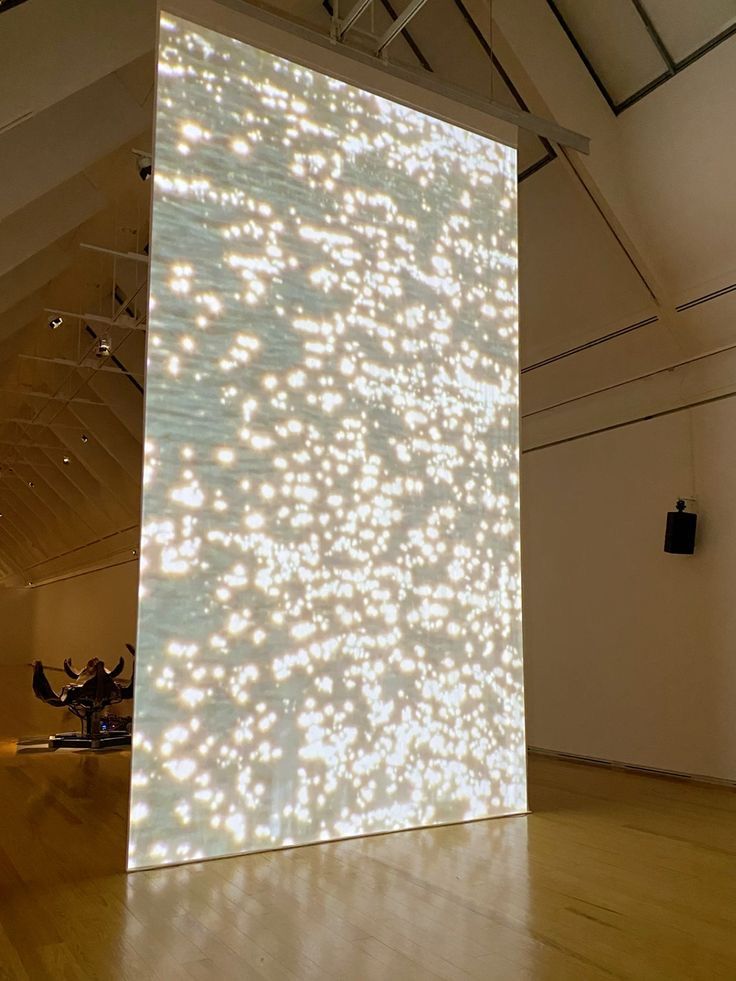
Projection Surface Hire and Rental in Kenya
A projection surface is an important part of any audiovisual setup where clear, visible images are required for presentations, videos, photographs, graphics, and other visual content. Whether you are organising a corporate conference, product launch, exhibition, church convention, training workshop, fashion show, or private celebration, choosing the right projection surface can help improve the audience’s viewing experience.
Janeson Rentals provides event equipment hire and rental solutions for clients in Nairobi and across Kenya. If your upcoming event requires a suitable surface for displaying projected images, hiring a projection surface can be a practical option for creating a professional presentation area without necessarily purchasing equipment for permanent use.
A projection surface is the area onto which a projector displays an image. It may be a dedicated projection screen, specialist projection fabric, or another compatible display material designed to present projected content. The most suitable option depends on the type of projector, the size of the audience, the venue lighting, the content being displayed, and the intended projection method.
Choosing the right surface is essential because not every wall, curtain, or fabric produces a clear projected image. Surface colour, texture, reflectivity, gain, and material can influence brightness, contrast, and image quality. Before booking projection surface hire, consider the technical requirements of your event and confirm that the selected surface is compatible with your projector.
What Is a Projection Surface?
A projection surface is a material or display area designed to receive projected light and make images visible to an audience. It works with a projector, which generates the image and directs light towards the surface.
Projection surfaces are used in conference rooms, classrooms, theatres, exhibition stands, churches, event halls, hotels, and outdoor presentation areas. They can support PowerPoint presentations, videos, photographs, company reports, promotional graphics, educational content, and entertainment displays.
Dedicated projection screens are among the most common types of projection surfaces. They may be portable, tripod-mounted, fast-fold, wall-mounted, ceiling-mounted, or designed for rear projection. Other specialist materials can be used in stage productions and creative installations where projected visuals form part of the event design.
The appropriate projection surface depends on the intended application. For example, a corporate presentation containing small text and detailed charts may require a smooth, dedicated screen. A theatrical production may require specialist fabric for a creative projection effect, while an outdoor event may need a screen and support system suitable for the environment.
When enquiring about projection surface rental, explain how you intend to use the surface so that the specifications can be considered carefully.
Why Hire a Projection Surface?
Projection surface hire offers a convenient way to access display equipment for a specific event without necessarily investing in permanent equipment.
1. Supports Clear Visual Presentations
A suitable projection surface helps display images, slides, videos, and graphics in a format that audiences can view comfortably.
For conferences and seminars, this can make it easier for attendees to follow speakers’ presentations. For product launches, it can help display promotional videos and product information. The final image quality also depends on the projector, content resolution, ambient lighting, and viewing distance.
2. Suitable for Different Event Sizes
Projection surfaces come in different dimensions and configurations. A smaller surface may suit a meeting room, while a larger screen may be more appropriate for a conference hall or exhibition.
Hiring gives event organisers an opportunity to enquire about a surface that matches their venue and audience rather than relying on one fixed display size.
3. Helps Create an Organised Presentation Area
A dedicated projection surface creates a defined area for visual content. It can be positioned near a stage, podium, exhibition display, or training area, depending on the event layout.
Careful positioning can improve visibility while reducing distractions caused by unsuitable backgrounds, reflections, or obstructions.
4. Flexible for Temporary Events
Event planners, businesses, schools, churches, and organisations may need projection equipment only for particular occasions. Rental can help meet temporary requirements without the cost and storage responsibilities associated with permanent ownership.
Before booking, confirm the rental period, available dimensions, transport arrangements, and any setup requirements.
5. Can Support Creative Event Designs
Projection surfaces are useful beyond traditional presentations. They can support photo slideshows, video backdrops, branded graphics, visual effects, and selected stage-production concepts.
For creative installations, the surface must be suitable for the intended projection method. If you need to project directly onto fabric or another specialist material, confirm its compatibility before booking.
Events That May Require a Projection Surface
Corporate Conferences and Business Meetings
Corporate events frequently use presentations to communicate reports, business strategies, financial information, company updates, and training material.
A suitable projection surface allows attendees to follow slides and videos from their seats. For a large conference, consider the screen dimensions, projector brightness, room lighting, and distance between the display and the furthest audience members.
Product Launches and Brand Activations
Product launches often incorporate promotional videos, product demonstrations, brand graphics, and presentation slides.
A projection surface can provide a central display area for this content. Coordinate its size and position with the stage design, branding, lighting, and speaker placement. Test the projected visuals before the event to confirm that the image remains visible under the planned lighting conditions.
Exhibitions and Trade Shows
Exhibitors may use projection surfaces to display company profiles, product demonstrations, instructional videos, and promotional content.
The correct surface depends on the exhibition space, the size of the display, and the expected viewing distance. Confirm booth dimensions, installation restrictions, power access, and projector placement before arranging rental equipment.
Church Conferences and Special Services
Churches may use projection surfaces to display scripture passages, worship lyrics, sermon notes, announcements, and videos.
A suitable display can support communication during services, conventions, prayer meetings, and youth conferences. Position the surface so that the congregation has a clear view without blocking the altar, stage, exits, or walkways.
Training Workshops and Seminars
Training providers use projected diagrams, instructional slides, videos, and demonstrations to explain information to participants.
A projection surface can be useful for staff training, professional development, educational workshops, and community seminars. Choose a size appropriate for the room and make sure text and diagrams are readable from the back.
Fashion Shows and Creative Productions
Fashion shows and creative productions may incorporate projected images, collection visuals, video content, or branded presentations into their stage designs.
A projection surface can be used for these elements when the screen material and projector suit the intended effect. Coordinate the display with the runway, lighting, models’ movement, stage dimensions, and audience sightlines.
Weddings and Private Celebrations
Weddings, birthdays, anniversaries, and other private celebrations may feature photographs, tribute videos, slideshows, and messages from guests.
A projection surface can help create a dedicated area for displaying these memories. Consider the room lighting and seating arrangement to ensure that guests can view the content comfortably.
Educational Institutions
Schools, colleges, and universities may require projection surfaces for lectures, student presentations, academic conferences, graduation ceremonies, and training sessions.
The right surface should accommodate the audience size and the level of detail in the content. Text-heavy presentations may require a smooth surface and a projector with suitable resolution.
Types of Projection Surfaces
Standard Projection Screen
A standard projection screen is designed for displaying projected content in presentations, meetings, and events. It is available in different sizes and formats, depending on the model.
It can be suitable for corporate presentations, seminars, church events, and educational sessions. Confirm the screen dimensions and projector compatibility before booking.
Tripod Projection Surface
A tripod screen uses a freestanding support with three legs. It is generally intended for portable presentation arrangements and may be useful for smaller meetings, workshops, and temporary setups.
Check the screen’s size, stability, and footprint to ensure that it fits the venue.
Fast-Fold Projection Surface
A fast-fold screen uses a frame assembled to support a larger screen surface. It may suit conferences, exhibitions, product launches, and other events that need a sizeable viewing area.
Because the frame and supports occupy space, confirm the external dimensions, access routes, and setup requirements in advance.
Front-Projection Surface
A front-projection surface receives light from a projector positioned in front of it. This arrangement is common for temporary events because it does not require a dedicated space behind the screen.
The projector must be placed at a suitable distance and angle, and organisers should consider the possibility of shadows if people walk through the beam.
Rear-Projection Surface
A rear-projection surface is made from material designed to transmit projected light from behind the screen. It may be suitable when organisers want to keep the projector out of the audience area.
Rear projection requires sufficient space behind the surface and a compatible projector and screen material. A standard opaque screen is not automatically suitable for rear projection.
Specialist Projection Fabric
Specialist projection fabric may be used in theatre, stage productions, exhibitions, and creative installations. Its suitability depends on the material’s optical properties and the intended effect.
Ordinary decorative curtains and fabrics should not automatically be treated as projection surfaces. Confirm the material’s specifications before using it for direct projection.
How to Choose the Right Projection Surface
Consider the Audience Size
Estimate the number of people who need to view the display and examine the seating layout. The surface should be large enough for the audience to see the content without difficulty.
A screen suitable for a small meeting room may not be appropriate for a large conference hall. Provide the expected attendance and room dimensions when enquiring about rental options.
Check the Surface Dimensions
Measure the available presentation area and determine the preferred width and height of the visible image.
Allow sufficient room for the screen frame, support system, projector placement, and safe movement around the equipment. Check the venue’s ceiling height and access routes if a large screen is required.
Match the Surface to the Projector
The projector and surface should be considered together. Check the projector’s brightness, resolution, aspect ratio, lens, and throw distance.
A larger screen may require greater brightness, particularly in a venue with substantial ambient light. If you already have a projector, provide its model and specifications when making your enquiry.
Choose the Correct Aspect Ratio
Common projection formats include 16:9 and 4:3. The right format depends on the projector and the content being displayed.
Matching the screen format to the presentation can reduce unwanted cropping and unused screen space. For videos and widescreen presentations, confirm that the equipment supports the required format.
Evaluate the Venue Lighting
Strong ambient light can reduce the contrast of projected images. Windows, direct sunlight, and bright lights near the display can make content harder to see.
Where possible, control lighting around the projection area and test the image under conditions similar to those expected during the event.
Consider the Projection Method
Determine whether the projector will be positioned in front of or behind the surface. Front projection is often easier to arrange where rear space is limited, while rear projection requires compatible material and sufficient depth behind the display.
The method should suit the venue layout and the type of presentation.
Confirm Installation and Support Requirements
Some projection surfaces are portable, while others require mounting or a specialised support structure.
Confirm whether the selected surface is suitable for the venue and establish who is responsible for positioning, assembly, testing, and dismantling. Ensure the equipment does not obstruct exits or create hazards in audience walkways.
Projection Surface Hire for Corporate Events
A corporate event may involve several speakers, presentations, promotional videos, and audience discussions. A suitable projection surface provides a dedicated area for this content and can help the audience follow the programme.
When planning a corporate conference or business meeting, consider the room dimensions, screen placement, seating plan, projector brightness, and presentation format.
For events involving charts, financial figures, or detailed text, test the content at the intended viewing distance. Clear slides and suitable projector settings are just as important as choosing the right screen.
Projection Surface Rental for Exhibitions and Stage Productions
Exhibitions and stage productions may require projection surfaces for different purposes, from product demonstrations to creative visual effects.
For an exhibition, check the available booth space, screen dimensions, power access, and equipment placement rules. For a stage production, consider the material, projection method, lighting, stage layout, and movement of performers.
If the intended effect involves projecting directly onto fabric, ensure the material is designed for that use. If the priority is presenting detailed information clearly, a dedicated projection screen may be a more appropriate choice.
Why Choose Janeson Rentals?
Janeson Rentals provides event equipment hire and rental solutions for clients in Nairobi and across Kenya. If you are planning a conference, exhibition, product launch, church gathering, training workshop, fashion show, or private celebration, you can enquire about projection surface options for your event.
Hiring allows organisers to explore suitable display equipment for a particular occasion without necessarily purchasing and storing equipment permanently.
When contacting Janeson Rentals, provide your event date, venue location, expected attendance, preferred surface dimensions, and details of the projector you intend to use. Explain whether you need a conventional projection screen or a specialist surface for a particular visual effect.
Before confirming your booking, ask about availability, rental charges, delivery or collection arrangements, and setup responsibilities. Confirming these details in advance can help you plan an appropriate audiovisual arrangement.
What to Prepare Before Booking a Projection Surface
- Event date: The date and time the equipment is required.
- Venue location: The venue name and town.
- Audience size: The approximate number of people viewing the display.
- Surface dimensions: The preferred width and height.
- Projector details: The model, brightness, resolution, and lens specifications, if known.
- Projection method: Front projection, rear projection, or specialist fabric projection.
- Content type: Presentations, videos, photographs, graphics, or creative visuals.
- Aspect ratio: The required image format.
- Lighting conditions: The expected brightness of the room.
- Installation requirements: Any support structure, mounting, or access restrictions.
- Rental period: How long the equipment will be needed.
Providing these details helps determine which type of projection surface is appropriate for your event.
Book a Projection Surface with Janeson Rentals
If you need a projection surface for a conference, seminar, exhibition, church convention, product launch, fashion show, or private event, contact Janeson Rentals to enquire about hire and rental options.
Janeson Rentals serves clients in Nairobi and across Kenya with event equipment hire and rental solutions. Enquire about available options, dimensions, pricing, projector compatibility, and delivery or collection arrangements.
Plan the display around the venue, audience, and presentation content. Selecting a suitable projection surface and testing it with the projector before the event can help create a clear and organised viewing experience.
Frequently Asked Questions About Projection Surface Hire
What is a projection surface used for?
A projection surface provides an area onto which a projector displays images, slides, videos, and other visual content. It is used at conferences, exhibitions, seminars, church events, training sessions, and private celebrations.
Is a projection surface the same as a projector screen?
A projector screen is one type of projection surface. The broader term may also include specialist fabrics or other materials designed for particular projection applications.
Can I hire a projection surface without a projector?
You can enquire about hiring the surface separately if you already have a compatible projector. Confirm the screen dimensions, aspect ratio, and projection method before booking.
Can I project onto an ordinary wall or curtain?
Some walls may be usable for basic projection, but their colour and texture can affect image quality. Ordinary curtains may absorb or scatter light and produce poor results. A suitable dedicated projection screen is generally preferable when clear presentation content is important.
How do I choose the right projection surface size?
Consider the audience size, viewing distance, venue dimensions, and type of content. Share these details when enquiring so that an appropriate size can be considered.
Where can I hire a projection surface in Kenya?
Contact Janeson Rentals to enquire about projection surface hire and rental in Nairobi and across Kenya. Confirm availability, dimensions, pricing, and delivery or collection arrangements before booking.
Janeson Rentals — Event equipment hire and rental solutions for presentations, conferences, exhibitions, and special occasions across Kenya.