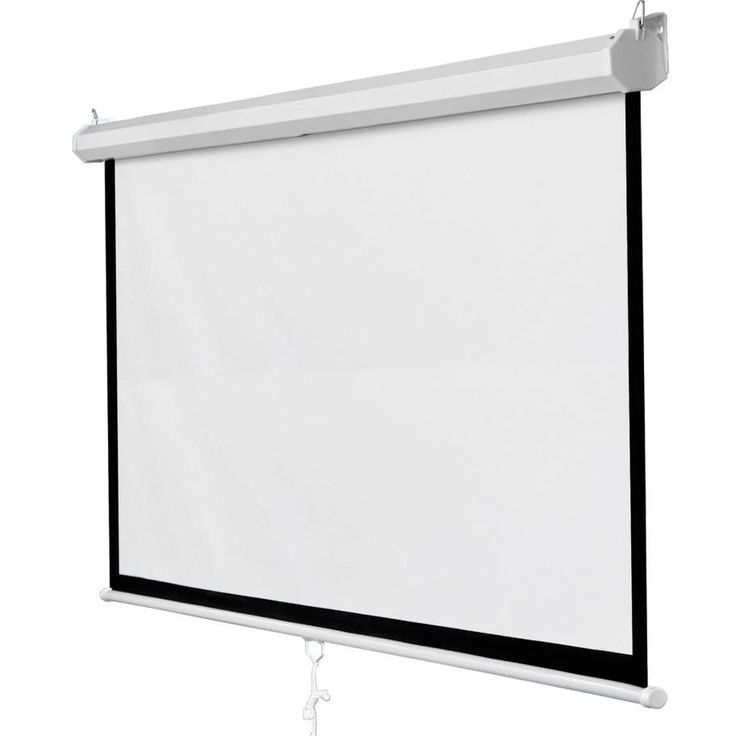
Projector Screen for Hire and Rental in Kenya
A projector screen is an essential part of many audiovisual setups. Whether you are organising a corporate conference, a wedding, a training workshop, a graduation ceremony, a church gathering, or a product launch, the right screen helps present slides, videos, photographs, and other visual content to an audience.
Janeson Rentals provides event equipment hire and rental solutions for clients in Nairobi and across Kenya. If your event requires a dedicated surface for displaying projected content, hiring a projector screen can help you prepare a presentation setup that suits the venue, audience size, and programme.
Projector screens are available in different sizes and designs. Some are portable and suitable for temporary events, while others are designed for fixed installations. The right option depends on the projection distance, screen dimensions, venue lighting, audience seating, and type of content being displayed.
For event organisers who need projection equipment for a particular occasion, projector screen hire offers a practical alternative to purchasing a screen that may only be used occasionally. It can be useful for businesses, schools, churches, institutions, event planners, and individuals planning celebrations or professional functions.
What Is a Projector Screen?
A projector screen is a specially designed surface that displays images produced by a projector. Unlike an ordinary wall, a dedicated projection screen is designed to provide a more suitable surface for viewing projected content.
Projector screens come in different formats, including portable tripod screens, pull-down screens, portable frame screens, and motorised screens. The available options vary in size, installation requirements, portability, and operation.
A suitable screen should be large enough for the audience to view the content comfortably while fitting the available venue space. It should also work with the projector’s image format and be positioned at an appropriate height.
Although some events use a plain wall as a projection surface, a dedicated projector screen can provide a more consistent presentation area. However, the final image quality also depends on the projector, screen material, room lighting, content resolution, and viewing distance.
Why Hire a Projector Screen?
Hiring a projector screen can help event organisers obtain the equipment required for a temporary presentation without committing to a permanent installation.
1. Cost-Effective Event Planning
Purchasing a projector screen may not be worthwhile for an organisation or individual that only needs one for occasional events. Projector screen hire allows you to enquire about a suitable screen for the duration of your function.
This can be useful for companies organising annual meetings, schools holding graduation ceremonies, couples planning weddings, and event planners coordinating different types of functions.
2. A Dedicated Surface for Presentations
A projector screen provides a designated surface for displaying slides, videos, charts, photographs, and other visual content. This can help create a more organised presentation environment than projecting onto an unsuitable wall.
The screen should be positioned where the audience can see it clearly and where it does not interfere with the stage or other event activities.
3. Flexible Screen Sizes
Different events require different screen sizes. A small meeting may need a compact screen, while a large conference may require a wider display surface.
Hiring allows organisers to enquire about available screen sizes and select an option that fits the venue and audience. The projector must also be capable of producing an appropriately sized image at the available distance.
4. Convenient for Temporary Venues
Hotels, conference halls, schools, churches, exhibition spaces, and outdoor venues may have different projection requirements. A portable projector screen can be useful where a permanent screen is unavailable or unsuitable.
Before booking, confirm the available floor space, ceiling height, screen support requirements, and setup time.
5. Suitable for Different Types of Content
Projector screens can be used to display business presentations, training slides, videos, photographs, event programmes, promotional content, and entertainment visuals.
The best screen choice depends on the image format, content detail, lighting conditions, and viewing distance.
Types of Projector Screens
Understanding the main types of projector screens can help you choose the right option for your event.
Tripod Projector Screen
A tripod projector screen uses a freestanding support with a tripod-style base. It is often suitable for temporary presentations, small conferences, training sessions, and meetings.
Its portable design can make it practical for venues where wall or ceiling installation is not available. The screen should be set up on a level surface, with the support fully secured before use.
Pull-Down Projector Screen
A pull-down projector screen is typically housed in a casing and lowered when needed. Depending on the model, it may be mounted on a suitable wall or ceiling.
This design can be useful in conference rooms, classrooms, and training facilities where the screen needs to be raised or lowered between sessions. Confirm whether the venue permits mounting and whether the screen’s installation requirements can be met.
Portable Frame Projector Screen
A portable frame screen uses a supporting frame to hold the projection surface in position. Depending on the model, it may be suitable for larger presentations, temporary installations, and some outdoor event environments.
The frame must be assembled according to the manufacturer’s instructions and secured appropriately for the venue conditions.
Motorised Projector Screen
A motorised projector screen uses a powered mechanism to raise or lower the screen. It can be useful in venues where a controlled screen movement is preferred.
The installation must account for power requirements, mounting compatibility, and operating instructions. Not every event venue will support this type of installation, so confirm availability and setup requirements in advance.
Fixed-Frame Projector Screen
A fixed-frame screen keeps the projection surface stretched across a rigid frame. It is often used in dedicated presentation rooms, screening spaces, or venues where a permanent screen is appropriate.
Because this type of screen may be less portable than a tripod screen, consider transport, installation, and the venue’s available space before selecting it for an event.
Outdoor Projector Screen
An outdoor projector screen is designed for use in suitable outdoor viewing arrangements. It may be a portable frame or another purpose-designed format.
Outdoor projection requires additional planning because wind, ambient light, moisture, uneven ground, and changing weather can affect the setup. A screen should be secured according to its design and must not be used in conditions beyond its specified limits.
Events That May Require a Projector Screen
Projector screens are useful for a wide range of professional, educational, religious, and social events.
Corporate conferences: Businesses use projector screens to display keynote slides, financial reports, presentations, training content, and company videos. The screen should be large enough for attendees seated at the back of the venue to read the content comfortably.
Business meetings: A screen can provide a central display area for strategy discussions, planning sessions, proposals, and performance reviews. A portable screen may be useful when the meeting room does not have a permanent display.
Weddings: Couples may use a projector screen to display photographs, pre-wedding videos, family tributes, or other content during the reception. The screen should be positioned without obstructing the main stage, dining area, or guest movement.
Graduation ceremonies: Schools, colleges, and universities may display photographs, ceremony programmes, names, videos, and presentations. For large audiences, screen size and placement should be considered alongside seating and stage visibility.
Church services and conferences: Projector screens can display song lyrics, scripture passages, sermon notes, announcements, and videos. Multiple screens may be considered for larger venues, depending on the available equipment and setup.
Training workshops: Trainers may need to display instructional slides, diagrams, demonstrations, and learning materials. Screen selection should reflect the room size, amount of text, and seating arrangement.
Exhibitions and trade shows: Exhibitors can use screens to present promotional videos, product demonstrations, company profiles, and other branded content. The screen should suit the booth or display area and remain visible to visitors.
Product launches: Companies introducing new products may use projected visuals to support demonstrations, presentations, and brand storytelling.
Fashion shows: Fashion event producers may use projector screens for designer profiles, sponsor messages, show schedules, behind-the-scenes footage, and supporting visuals. Screen positioning should be coordinated with runway sightlines and stage lighting.
Outdoor movie screenings: A suitable outdoor screen can support community movie nights, private celebrations, and other film-viewing events. Organisers should plan for weather, wind, ambient light, power, and audience seating.
Academic seminars and public lectures: Institutions may use screens to display research, diagrams, educational content, and conference presentations.
How to Choose the Right Projector Screen
Selecting a projector screen involves more than choosing the largest size available. The screen must fit the venue and work with the projector.
Consider the Screen Size
Choose a screen that allows the audience to view the content comfortably from their seats. A screen that is too small can make text difficult to read, while an oversized screen may not fit the venue or be fully visible from every seat.
Consider the room dimensions, the distance between the screen and the back row, and the amount of detail in the projected content.
Choose the Correct Aspect Ratio
Common screen formats include 16:9 and 4:3, although other formats are available. The correct aspect ratio should match the content and projector output as closely as practical.
For example, widescreen videos and many modern presentations use a 16:9 format, while some older presentations use 4:3. Mismatched formats can result in unused screen space or image cropping, depending on the setup.
Check Projector Compatibility
The projector must be capable of producing an image that fits the screen at the required distance. Check the projector’s resolution, throw ratio, zoom range, and supported image format.
A large screen does not automatically produce a better picture. The projector’s brightness and image quality must be suitable for the screen size and venue lighting.
Consider Room Lighting
Ambient light can reduce the visibility and contrast of projected images. Rooms with large windows, bright overhead lighting, or strong stage lighting may require additional planning.
Where possible, control unnecessary light and test the projection before guests arrive. Screen material and gain can also affect viewing performance, so confirm the specifications where image quality is especially important.
Evaluate the Screen Surface
Different screen materials are designed for different projection conditions. A suitable surface should work with the projector and the intended viewing angles.
Check the screen for damage, creases, stains, or other defects before use. Follow the manufacturer’s instructions for cleaning, folding, and storage.
Consider the Venue and Installation Method
A tripod screen may be convenient for temporary events, while a larger frame screen may be more appropriate for some presentation setups. Motorised or wall-mounted screens require additional installation considerations.
Measure the available space and confirm whether the venue allows mounting, how the equipment will enter the room, and how much setup time is available.
Plan Screen Positioning
Place the screen where the audience can see it without obstruction. Consider the stage, speakers, seating rows, windows, lighting fixtures, and entrances.
For conferences, make sure the screen does not block the speaker. For weddings and celebrations, position it so guests can view the content without interfering with dining or entertainment activities.
Projector Screen Hire for Corporate Conferences
Corporate conferences often rely on visual communication. Presenters may display reports, graphs, keynote slides, product demonstrations, and videos to support their messages.
A suitable projector screen helps create a clear presentation area. The size and position should be selected according to the venue dimensions and audience arrangement.
Before hiring, confirm the projector’s capabilities, screen size, aspect ratio, and projection distance. It is also helpful to test the presentation from several seating positions, particularly in large halls where guests may be seated far from the screen.
For events with several speakers, establish a clear technical setup plan and ensure the screen is positioned before the programme begins.
Projector Screen Rental for Weddings and Social Events
Projector screens can add a personal or entertainment element to weddings, anniversaries, birthdays, and other celebrations. They may be used for photo slideshows, video tributes, event schedules, or customised visual content.
For these occasions, screen placement should complement the décor and the overall event layout. Consider the stage, backdrop, guest tables, lighting, and dance floor when determining the best position.
If the event takes place outdoors, check the weather conditions and choose a screen arrangement that can be secured appropriately. A standard indoor screen should not automatically be assumed suitable for outdoor use.
Projector Screen Hire for Schools, Churches and Training Institutions
Educational institutions, churches, and training providers use projection screens for lectures, lessons, workshops, conferences, and group presentations.
The right screen size depends on the room dimensions, the audience’s viewing distance, and the detail of the content. Text-heavy presentations may require a screen large enough for people at the back to read comfortably.
For temporary events, a portable screen can be useful when permanent installation is unavailable. Before booking, confirm the screen’s dimensions, support system, transport arrangements, and setup requirements.
Why Choose Janeson Rentals?
Janeson Rentals provides event equipment hire and rental solutions for clients in Nairobi and across Kenya. Hiring a projector screen can help event organisers source the equipment required for a particular function without committing to permanent ownership.
Clients choose Janeson Rentals for its event equipment rental approach, which supports planning for corporate conferences, business meetings, exhibitions, training sessions, graduations, weddings, and other events.
When enquiring about projector screen hire, provide the event date, venue location, expected audience size, screen dimensions, and the type of projector you plan to use. These details help clarify the screen requirements and identify a suitable option, subject to availability.
Before confirming your booking, ask about available screen sizes, screen type, rental price, delivery or collection arrangements, and whether setup assistance is included. Confirming these details early helps you coordinate the screen with the projector and the rest of the event equipment.
What to Provide When Booking a Projector Screen
Prepare the following information when enquiring about projector screen rental:
- Event date: When do you need the screen?
- Venue location: Where will the event take place?
- Event type: Is it a conference, wedding, seminar, graduation, exhibition, or outdoor screening?
- Expected audience size: Approximately how many people will attend?
- Screen dimensions: Do you have a preferred screen size?
- Projector details: What projector model will be used?
- Aspect ratio: Is the content widescreen or another format?
- Installation preference: Do you need a tripod, portable frame, pull-down, or another screen type?
- Rental duration: How long will the screen be required?
- Delivery and setup: Confirm which arrangements are available for your venue.
Providing this information helps the rental enquiry progress efficiently and makes it easier to plan the complete projection setup.
Book a Projector Screen with Janeson Rentals
If you are planning a corporate conference, business presentation, wedding, graduation, church event, training workshop, exhibition, or outdoor screening, consider projector screen hire as part of your audiovisual requirements.
Janeson Rentals offers event equipment hire and rental solutions for clients in Nairobi and across Kenya. Contact the team with your event details and projection requirements to enquire about a suitable projector screen.
Before booking, confirm screen dimensions, availability, pricing, compatibility with your projector, and delivery or setup arrangements. Planning these details in advance helps ensure that the screen suits the venue and the audience’s viewing needs.
Frequently Asked Questions About Projector Screen Hire
Can I hire a projector screen without hiring a projector?
This depends on availability. If you already have a projector, provide its model and specifications so that the screen size and format can be selected appropriately.
What size projector screen do I need for an event?
The best size depends on the venue dimensions, seating distance, audience size, content detail, and projector capabilities. Share these details when enquiring so a suitable option can be considered.
Can a projector screen be used outdoors?
Some projector screens are suitable for outdoor use, provided they are installed and secured according to their specifications. Weather, wind, ground conditions, and ambient light must be considered.
Which projector screen format is best?
The best format depends on the projector and the content. Common formats include 16:9 and 4:3. Matching the screen format to the projected content helps reduce unused space or unwanted cropping.
Where can I hire a projector screen in Kenya?
You can enquire with Janeson Rentals about projector screen hire and rental for events in Nairobi and across Kenya. Confirm the available screen types, sizes, rental rates, and delivery arrangements before booking.
Janeson Rentals — Event equipment hire and rental solutions for conferences, presentations, celebrations, and special events across Kenya.