Introduction
Lighting is one of the most important elements of a professional live streaming setup. A camera may have excellent image quality, but poor lighting can make the subject appear dark, create distracting shadows or produce an unbalanced image. Even when a venue has general room lighting, it may not provide the direction, brightness or consistency required for a clear and professional broadcast.
A suitable streaming light helps illuminate the presenter, speaker, performer or subject so that the camera can capture a more balanced image. Whether you are broadcasting a corporate conference, recording an interview, hosting a webinar or streaming a church service, proper lighting can make a noticeable difference to the overall production.
At Janeson Rentals, we provide streaming light hire and rental in Kenya for individuals, businesses, churches, event organisers, content creators and production teams. Our rental solutions help clients arrange lighting equipment for temporary productions without necessarily purchasing equipment that may only be used occasionally.
From simple presenter lighting to more organised multi-light setups, streaming lights can support different types of indoor and outdoor video production. Janeson Rentals serves clients in Nairobi and across Kenya, helping them plan equipment requirements for professional events and broadcasts.
What Is a Streaming Light?
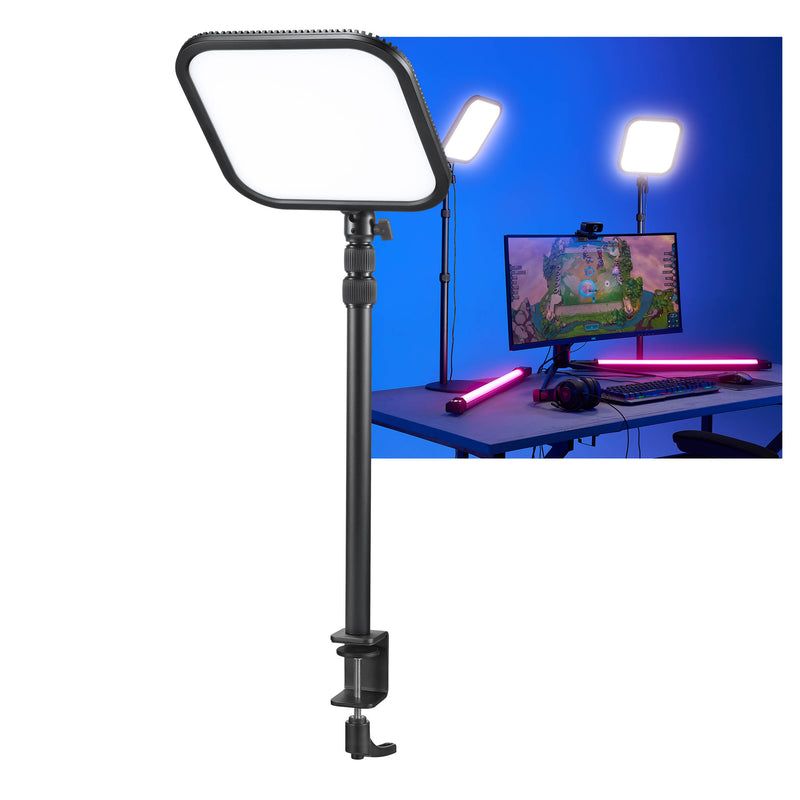
A streaming light is a lighting fixture used to illuminate people, objects or backgrounds during live streaming, video recording and other camera-based productions.
Its primary purpose is to provide controlled illumination so that the camera can capture the subject more clearly. Depending on the fixture, streaming lights may use LED technology, adjustable brightness, different colour temperatures, diffusion materials or specialised light-shaping accessories.
Common lighting options used in streaming environments include LED panels, ring lights, compact studio lights and COB LED fixtures. Each type has different characteristics and may be suitable for particular production requirements.
An LED panel, for example, can provide a broad area of illumination, while a ring light is often used for close-up presenter and interview setups. A COB light may provide a more concentrated source that can be modified using compatible softboxes and other light-shaping accessories.
The best option depends on the size of the filming area, the camera position, the number of people being filmed and the desired appearance of the production.
Why Is Lighting Important for Live Streaming?
Lighting influences how the camera captures the subject and how viewers experience the broadcast.
1. Improves Subject Visibility
A streaming light helps illuminate the presenter or speaker, making it easier for the camera to capture facial details and other important visual information.
This is particularly useful in rooms where existing lighting is insufficient or where the subject is positioned away from windows and overhead lights.
2. Helps Create a Professional Appearance
Professional lighting can make a streaming setup look more organised and visually appealing. It helps reduce the flat or uneven appearance that may result from relying entirely on ordinary room lighting.
For corporate presentations, online interviews and promotional videos, this can contribute to a more polished production.
3. Reduces Unwanted Shadows
Lighting direction has a significant influence on the shadows visible in a video. A poorly positioned light can create harsh shadows on the face or background.
Using an appropriate lighting position and, where necessary, diffusion can help produce softer and more balanced illumination.
4. Supports Consistent Video Quality
Natural light can change throughout the day due to weather, cloud cover and the position of the sun. Indoor lighting can also vary depending on the venue.
A dedicated streaming light gives the production team greater control over illumination, helping maintain a more consistent appearance during a recording or live broadcast.
5. Enhances the Viewer Experience
When the subject is clearly visible, viewers can concentrate more easily on the presentation or performance.
Good lighting is particularly important for online training, business meetings, webinars, interviews and broadcasts where the speaker’s facial expressions and presentation materials are central to the content.
Types of Streaming Lights Available for Different Productions
Different streaming environments require different lighting solutions. Understanding the common types of lights can help clients choose the right equipment for their projects.
LED Panel Lights
LED panel lights are widely used in video production because they can provide broad and relatively even illumination.
They are suitable for lighting presenters, interview subjects and small production areas. Depending on the model, an LED panel may offer brightness adjustment, colour temperature control or other lighting options.
LED panels can be used as key lights, fill lights or background lights, depending on the production arrangement.
Ring Lights
Ring lights are commonly used for close-up content creation, beauty presentations, product demonstrations and online interviews.
Their circular design produces a distinctive lighting effect and can provide relatively even illumination around the camera position when used appropriately.
They are often suitable for individual presenters and smaller filming environments. However, a ring light may not be sufficient as the only light source for a large stage or multi-person production.
COB LED Lights
COB LED lights are commonly used in more flexible video production setups. They can provide a concentrated source of illumination and may be compatible with softboxes, reflectors and other modifiers, depending on the fixture.
They are useful when a production team needs greater control over the direction and quality of light.
A COB light can serve as a key light for an interview or presenter, while additional fixtures provide fill or background illumination.
Softbox Lighting
A softbox is a light modifier that helps spread and soften illumination. It is often used with a compatible lighting fixture to create a softer appearance on the subject.
Softbox lighting can be useful for interviews, product videos, online presentations and studio-style streaming environments.
The size and positioning of the softbox influence the final result.
Compact Studio Lights
Compact studio lights are useful for smaller streaming spaces, home studios, meeting rooms and temporary video production stations.
Their suitability depends on the available output, mounting arrangement and the size of the area being illuminated.
Events and Applications That Require Streaming Light Hire
Streaming lights can be used in many different event and production environments.
Corporate Conferences and Business Events
Corporate events often include keynote presentations, panel discussions, product launches and executive interviews. Proper lighting helps ensure that speakers are visible to both physical audiences and online viewers.
Companies can hire streaming lights for conferences, annual meetings, business seminars, training sessions and virtual events.
Webinars and Online Meetings
Webinars require presenters to remain clearly visible throughout the session. Poor lighting can make a presenter appear dark or create distracting shadows.
A suitable streaming light can improve the visual quality of the presenter feed, particularly in meeting rooms and temporary recording spaces.
Church Services and Religious Broadcasts
Churches that broadcast sermons, worship sessions and special programmes can benefit from dedicated streaming lighting.
A well-positioned light can help illuminate pastors, worship leaders, speakers and other participants during the service.
Streaming light rental is also useful for conferences, prayer meetings, worship events and special church productions.
Interviews and Professional Video Production
Interviews often involve one or more people sitting in a fixed position. Lighting helps establish a clear and consistent image while giving the production team more control over the appearance of the subjects.
A basic interview setup may use a key light to illuminate the subject and a fill light to reduce harsh shadows. Additional lighting may be used to separate the subject from the background.
Product Demonstrations and Promotional Videos
Businesses producing product demonstrations, advertisements and promotional content need lighting that shows products clearly.
The appropriate lighting arrangement depends on the size, shape, colour and reflective properties of the product.
For example, reflective surfaces may require careful light positioning to reduce distracting glare.
Weddings and Special Events
Weddings and celebrations may include live streaming, speeches, interviews and recorded highlights.
Streaming lights can support camera setups used to capture speakers and other important moments, particularly in indoor venues where ambient lighting is limited.
Content Creation and Online Presentations
Content creators, educators and businesses producing online videos can use streaming lights to establish a consistent filming environment.
They are useful for tutorials, presentations, demonstrations, interviews, training videos and social media content.
Important Features to Consider When Hiring a Streaming Light
Selecting the correct streaming light requires more than choosing a fixture based on its appearance. The lighting equipment should match the production environment and the desired visual result.
Brightness and Light Output
The brightness required depends on the distance between the light and the subject, the size of the filming area and the existing ambient lighting.
A small presenter setup may require less output than a large conference stage.
When hiring streaming lights, explain the size of the area and the number of people who need to be illuminated.
Colour Temperature
Some LED fixtures offer adjustable colour temperature, allowing the production team to select warmer or cooler-looking light.
This can help match the streaming light with existing venue lighting or achieve a particular visual appearance.
However, not every lighting fixture has adjustable colour temperature. Confirm the available controls when selecting equipment.
Brightness Adjustment
Dimmable lights allow the operator to adjust the output to suit the subject and environment.
This is useful when working in rooms with existing light sources or when balancing multiple fixtures.
Light Diffusion
Direct lighting can sometimes create harsh shadows or strong highlights. Diffusion materials and compatible softboxes can help soften the light.
The appropriate modifier depends on the fixture and the intended lighting effect.
Power Requirements
Before hiring, confirm how the light is powered. Different fixtures may use mains power, batteries or other compatible power arrangements.
Consider the availability of power outlets, extension cables and safe cable routes at the venue.
Mounting and Positioning
Streaming lights need suitable support equipment and safe positioning. Depending on the fixture, this may involve a light stand, mounting bracket or compatible support system.
The light should be positioned securely and should not obstruct walkways, exits or audience movement.
Portability and Setup Requirements
Temporary productions may require equipment to be transported and installed in different locations. Consider the size, weight and installation requirements of the selected lighting fixture.
A practical lighting setup should be suitable for the venue and the time available for preparation.
Understanding the Three-Point Lighting Setup
One common approach to video lighting is the three-point lighting arrangement. It uses three lighting positions to create a balanced appearance.
Key Light
The key light is the main source of illumination. It is normally positioned to one side of the camera and directed towards the subject.
Its purpose is to establish the primary lighting on the face or object being filmed.
Fill Light
The fill light helps reduce shadows created by the key light. It is usually positioned on the opposite side of the camera.
The fill light is often softer or less intense than the key light, depending on the desired appearance.
Back Light
A back light is positioned behind or slightly to the side of the subject. It can help create separation between the subject and the background.
This arrangement is useful for interviews, studio-style presentations and other productions where a more controlled visual appearance is desired.
Not every streaming production requires three lights. A simple webinar may only need one well-positioned light, while a larger production may benefit from several fixtures.
Streaming Light Hire for Single-Camera and Multi-Camera Productions
The number of lights required depends on the number of subjects, camera positions and the size of the production area.
A single-camera webinar may need a key light and possibly a fill light. An interview with two participants may require a lighting arrangement that illuminates both people evenly.
A multi-camera conference production may require broader lighting coverage so that speakers remain visible from different camera angles.
When planning a multi-camera setup, the production team should consider how the lights appear in every camera frame. A lighting position that works for one camera may create unwanted shadows or glare in another.
Careful coordination between the camera and lighting teams helps produce a more consistent result.
Complementary Equipment for a Streaming Light Setup
Streaming lights work best when selected as part of a complete production arrangement. Depending on the event, clients may also require:
- Professional video cameras and camera lenses.
- Streaming tripods and camera support equipment.
- Light stands and compatible mounting accessories.
- Softboxes and light diffusion materials.
- Video monitors and multiview displays.
- Wireless video transmission systems.
- Streaming microphones and audio interfaces.
- Video switchers and capture cards.
- Streaming encoders and computers.
- Reliable internet connectivity equipment.
- Extension cables and suitable power accessories.
The equipment required will depend on the type of broadcast, the venue and the production team’s technical plan.
Tips for Planning Your Streaming Lighting Setup
Before hiring streaming lights, identify the subject or subjects that need to be illuminated. A single presenter requires a different arrangement from a panel discussion or a full stage.
Next, assess the venue. Consider the room size, ceiling height, available power outlets, existing lights and the distance between the camera and the subject.
Think about the background as well. A subject may be well illuminated but still appear visually unbalanced if the background is too bright or too dark.
Avoid positioning lights where they shine directly into the camera lens or create distracting reflections. Reflective objects, glass surfaces and glossy products may require additional planning.
For outdoor events, consider changing daylight conditions and the availability of safe power sources. Lighting equipment should be positioned securely and protected appropriately from environmental conditions.
Finally, test the setup before the broadcast begins. Check the camera image, subject exposure, colour consistency and shadows. Make adjustments while there is still enough time to correct any problems.
Why Choose Janeson Rentals for Streaming Light Hire in Kenya?
Janeson Rentals provides equipment hire solutions for events, broadcasts and professional productions. We understand that lighting requirements vary depending on the venue, subject, camera arrangement and type of content being produced.
Our streaming light hire and rental service in Kenya supports clients organising webinars, corporate events, church broadcasts, interviews, conferences, promotional videos and other video production projects.
Whether you need lighting for an individual presenter or are planning a larger production, it is important to select equipment that matches your requirements.
Janeson Rentals is based in Nairobi and serves clients across Kenya. When making an enquiry, share your event location, date, lighting requirements, number of people being filmed and the type of production you are planning.
This information helps establish the most appropriate equipment arrangement for your project.
Book Streaming Light Hire and Rental in Kenya
Are you preparing for a live broadcast, webinar, corporate conference, church service or video production? Janeson Rentals can help you arrange streaming light hire in Kenya for your upcoming project.
Professional lighting can help improve subject visibility, create a more balanced camera image and support a well-organised streaming environment.
Contact Janeson Rentals to discuss your streaming light rental requirements in Nairobi and across Kenya.
Hire streaming lights from Janeson Rentals and prepare a more professional lighting setup for your next live stream or video production.