Analog Audio Mixer Hire & Rental in Kenya
Sound mixing is one of the most important parts of professional event production. A quality sound system needs more than microphones and speakers. It also requires a reliable way to receive, balance and distribute different audio sources. An analog audio mixer provides a practical solution for managing microphones, instruments, playback devices and other sound inputs during live events.
At Janeson Rentals, we provide event equipment hire and rental solutions for event organisers, production companies, DJs, churches, musicians and corporate planners across Kenya. Analog audio mixer hire is suitable for clients who need straightforward physical controls and dependable sound management for temporary productions.
Analog mixers remain useful in live sound environments because they offer direct access to channel controls. Sound engineers can adjust input gain, equalisation, channel levels and output settings using dedicated physical controls. This hands-on approach is appreciated by operators who prefer a traditional mixing workflow.
Whether you are planning a live music performance, church conference, wedding reception, corporate function or outdoor concert, hiring an appropriate analog mixer can help you manage the sound requirements of your event.
What Is an Analog Audio Mixer?
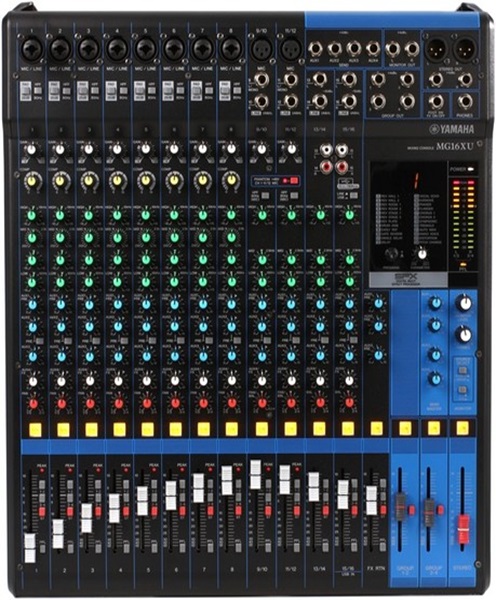
An analog audio mixer is an audio mixing console that processes incoming audio signals through analog circuitry. It receives signals from microphones, instruments and other compatible audio sources, allows the operator to adjust them and combines them into one or more outputs.
Each input channel normally has a collection of controls. Depending on the mixer, these may include input gain, equalisation, auxiliary sends, pan controls, channel faders and mute buttons.
The operator uses these controls to create a balanced sound mix. For example, a live band may have separate channels for vocals, guitars, keyboards, drums and playback devices. The engineer can adjust the level and tone of each source to achieve a suitable overall sound.
Analog mixers are available in different sizes and configurations. Smaller models may accommodate a handful of inputs, while larger consoles can handle more microphones, instruments and additional audio routing.
The appropriate mixer depends on the number of audio sources and the complexity of the production.
How an Analog Audio Mixer Works
An analog mixer receives audio signals through its input connections. Microphones may connect through XLR inputs, while instruments and playback devices may use suitable line-level or instrument connections.
Once connected, each source is managed through its own channel. The sound engineer adjusts the input gain to establish an appropriate signal level, then uses equalisation and other available controls to shape the sound.
The individual channels are combined through the mixer’s internal signal path. The resulting mix is sent to the main outputs, which may connect to powered speakers, amplifiers, recording equipment or other compatible audio systems.
Some analog mixers also provide auxiliary outputs. These can be used to send separate mixes to stage monitors, effects units or other equipment.
Because analog mixers rely on physical controls, operators can make adjustments directly without navigating digital menus or screen-based control systems.
Benefits of Analog Audio Mixer Hire in Kenya
1. Direct physical controls
Analog mixers provide dedicated knobs, switches and faders for adjusting audio. This allows sound engineers to make changes quickly during live events.
2. Straightforward operation
Many analog mixers have a familiar layout that is easy for experienced sound operators to understand. Each channel usually has a consistent arrangement of controls.
3. Practical live sound management
An analog mixer can manage multiple microphones and instruments during concerts, church services, weddings and other live productions.
4. Immediate channel adjustments
Operators can quickly adjust microphone levels, reduce unwanted frequencies or change the balance between instruments using the available controls.
5. Flexible audio routing
Depending on the model, analog mixers may provide auxiliary sends, subgroup outputs and other routing options for connecting additional equipment.
6. Suitable for temporary productions
Analog audio mixer rental allows event organisers to access a suitable console for a specific event without purchasing and maintaining one permanently.
Events That Benefit from Analog Audio Mixer Rental
Concerts and live music performances
Live bands often use several microphones and instruments simultaneously. An analog mixer allows the sound engineer to manage vocals, keyboards, guitars, drums and other inputs.
The engineer can adjust each channel during the performance to maintain a balanced mix.
Church services and worship events
Church sound systems may involve microphones for pastors, worship leaders, singers and guest speakers. Musical instruments may also need individual channels.
Analog audio mixer hire can support services, worship concerts, prayer meetings, crusades and religious conferences.
Weddings and receptions
Weddings may involve speeches, live musicians, DJs and background music. An analog mixer can help the sound operator manage compatible audio sources and adjust their levels throughout the programme.
Corporate conferences
Corporate functions often require microphones for presenters, moderators and panel members. An analog mixer can help control speech levels and media playback in venues where a straightforward sound arrangement is required.
Outdoor festivals
Outdoor performances may require multiple microphones, instruments and playback sources. A suitable analog console can provide the necessary channel control, depending on the scale of the production.
School and university events
Graduation ceremonies, talent shows, cultural performances and student conferences can benefit from a mixer that manages microphones, instruments and playback equipment.
Important Features to Consider When Hiring an Analog Mixer
Choosing the correct analog mixer requires an understanding of the event’s technical requirements.
Input channel count: Count the microphones, instruments and playback sources that will be connected simultaneously. Select a mixer with enough inputs to accommodate the full arrangement.
Microphone preamps: Microphone preamps amplify low-level microphone signals. Their quality and available gain affect the signal entering the mixer.
Equalisation controls: EQ controls allow the engineer to adjust bass, midrange and high-frequency content. Some mixers offer simple two-band or three-band EQ, while others provide more detailed controls.
Auxiliary sends: Auxiliary sends can provide separate audio feeds for stage monitors or external effects units.
Subgroups: Some mixers include subgroup routing, allowing several channels to be controlled together.
Phantom power: Condenser microphones and certain active DI boxes may require phantom power. Check whether the mixer provides the required power and whether it can be applied appropriately.
Main outputs: Confirm that the console has outputs compatible with the connected speakers, amplifiers or other equipment.
Metering: Signal meters help the operator monitor audio levels and avoid clipping.
Physical size: Consider the available operating space, transport arrangements and number of channels required.
Analog Mixer for Live Bands and Stage Performances
Live music production is one of the most common applications for analog mixing consoles. A band may include vocalists, a drummer, guitarists, a keyboard player and additional performers.
Each performer may require a separate input channel. The sound engineer uses the mixer to balance their levels and shape the overall sound.
Auxiliary sends can be particularly useful for stage monitoring. Performers may need different monitor mixes depending on their roles. For example, a vocalist may need more of their own voice, while a guitarist may need more of the guitar signal.
The mixer must have enough auxiliary outputs to support the planned monitor arrangement. The exact requirements should be established before booking.
Analog Audio Mixer Versus Digital Audio Mixer
Analog and digital mixers perform the same general purpose of combining and controlling audio signals, but they use different approaches to signal processing and operation.
An analog mixer uses analog signal paths and typically provides direct physical controls. A digital mixer converts incoming signals into digital data and processes them using digital electronics and software-based functions.
Analog mixers are often appreciated for their straightforward controls and familiar layouts. Digital mixers may offer more advanced processing, scene recall, extensive routing and remote-control options.
Neither type is automatically the best choice for every event. The right option depends on the production, sound engineer’s experience, available equipment and technical requirements.
Connecting an Analog Mixer to Other Event Sound Equipment
An analog mixer normally forms part of a wider audio system. It may connect to wireless microphones, wired microphones, DI boxes, keyboards, playback devices, amplifiers, powered speakers and stage monitors.
Correct cable selection is important. Microphone-level signals, line-level signals and instrument-level signals may require different connection arrangements.
The sound engineer should also check output levels and speaker compatibility. Improper connections or excessive signal levels can lead to distortion or equipment problems.
For larger productions, the mixer may also connect to external equalisation, compression, effects processors or recording devices.
Safe Operation and Sound Quality
Proper setup helps protect the mixer and connected equipment while improving audio performance.
-
Place the mixer on a stable, secure surface.
-
Keep liquids and dust away from the console.
-
Inspect cables and connectors before use.
-
Connect equipment using suitable cables.
-
Start with gain and output levels at low settings.
-
Adjust input gain carefully to avoid clipping.
-
Avoid excessive equalisation boosts.
-
Monitor signal meters throughout the event.
-
Keep ventilation areas clear.
-
Protect the mixer from rain and excessive heat.
-
Use a qualified sound operator for complex productions.
A soundcheck should be conducted before the audience arrives. Each microphone and instrument should be tested individually and then checked as part of the complete mix.
Why Rent an Analog Audio Mixer Instead of Buying?
Purchasing an analog console can involve a substantial investment, particularly when a production requires a mixer with many input channels and auxiliary outputs.
For clients who only need a mixer occasionally, rental can be more practical.
Analog mixer hire provides access to equipment for a specific event without the responsibility of long-term storage, maintenance and ownership. It also allows production teams to select a mixer according to the requirements of each function.
This is particularly helpful for event planners, churches, schools, musicians and businesses that organise occasional productions.
Why Choose Janeson Rentals for Analog Audio Mixer Hire & Rental in Kenya?
Janeson Rentals supports event organisers and production teams looking for practical event equipment hire solutions in Kenya.
1. Solutions for different event sizes
From small conferences to live music performances, the mixer requirements vary. Clients can explain their event setup so that an appropriate console can be identified.
2. Support for professional sound setups
Analog mixers can work alongside microphones, PA speakers, monitors, amplifiers and other audio accessories. Coordinating the equipment helps create a complete sound system.
3. Convenient rental options
Hiring an analog mixer is useful when the equipment is required for a particular performance or event rather than continuous use.
4. Nairobi-based service
Janeson Rentals is based in Nairobi and serves clients planning events in Nairobi and other parts of Kenya. Delivery arrangements and availability should be confirmed before booking.
5. Practical event equipment planning
Sharing the number of performers, microphones and instruments helps establish the channel count and mixer features required.
How to Book an Analog Audio Mixer
When enquiring about analog audio mixer hire, provide your event date, venue, rental duration and type of event. Indicate the number of microphones, instruments and playback devices that will be connected.
If you need stage monitor outputs, subgroup routing or external effects connections, mention these requirements as well.
Janeson Rentals can assist with confirming equipment availability, compatibility and rental arrangements.
Hire an Analog Audio Mixer in Kenya from Janeson Rentals
Get practical control over your event sound with Analog Audio Mixer Hire & Rental in Kenya from Janeson Rentals. Whether you are organising a concert, church service, wedding, conference, festival or live band performance, a suitable analog mixer can help your sound team manage multiple audio sources.
Contact Janeson Rentals to enquire about analog audio mixer availability, rental rates and arrangements for your next event.