Audio Crossover Hire & Rental in Kenya
A professional sound system requires more than powerful speakers and amplifiers to deliver clear, balanced and consistent audio. Every component must receive the appropriate audio frequencies to perform effectively. In a typical professional PA system, subwoofers reproduce low frequencies, while full-range speakers or dedicated mid-high speakers handle the middle and higher frequencies. An audio crossover helps distribute these frequencies to the appropriate components, making it an important part of many professional sound reinforcement systems.
At Janeson Rentals, we provide audio crossover hire and rental solutions in Kenya for event organisers, DJs, sound engineers, production companies, churches and corporate clients. Whether you are preparing a concert, wedding reception, conference, outdoor event or large entertainment production, hiring an audio crossover can help you manage the frequency distribution within your sound system.
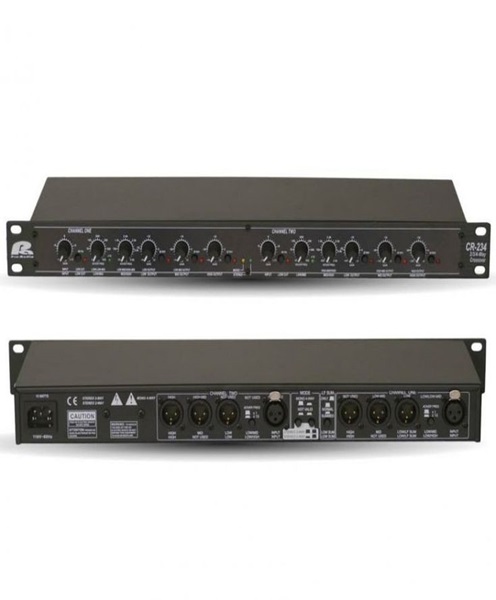
An audio crossover is an electronic device or processing function that divides an audio signal into different frequency ranges. These ranges are then sent to the appropriate speakers or system components. For example, a two-way crossover can divide an audio signal into low and high frequency bands, while a three-way crossover can separate low, midrange and high frequencies.
This arrangement helps each speaker component concentrate on the frequency range it is designed to reproduce. It can improve system efficiency, support better sound balance and reduce the unnecessary demands placed on individual speaker components.
Through Janeson Rentals, clients can enquire about audio crossover hire in Nairobi and across Kenya for different event production requirements. Whether you are working with a compact PA system or a larger professional sound reinforcement setup, we can help you enquire about suitable audio equipment for your production.
What Is an Audio Crossover?
An audio crossover is a sound processing device that separates an audio signal into two or more frequency bands. Each frequency band is directed to a specific speaker, amplifier or processing channel depending on the design of the sound system.
Most professional speaker systems are designed to reproduce particular frequency ranges effectively. A subwoofer is designed primarily for low-frequency reproduction, while a full-range loudspeaker handles a broader frequency spectrum. In some systems, separate midrange and high-frequency drivers are also used.
Sending the entire audio frequency spectrum to every speaker component may not be appropriate for a system built around dedicated drivers. An audio crossover helps organise the signal distribution so that each component receives the frequencies it is intended to reproduce.
For example, in a two-way PA system, the crossover may direct lower frequencies to the subwoofer and higher frequencies to the top speakers. In a three-way arrangement, the signal can be separated into low, midrange and high-frequency bands.
Audio crossovers can be active or passive.
Active audio crossovers operate at line level before the power amplifiers. They divide the signal electronically and send the different frequency bands to separate amplifier channels.
Passive audio crossovers are generally installed inside speaker cabinets or between an amplifier and the speaker drivers. They use passive electronic components to divide the signal without requiring a separate powered crossover unit.
The appropriate crossover depends on the speaker system, amplifier arrangement and technical requirements of the production.
Why Audio Crossovers Are Important in Professional Sound Systems
Audio crossovers are important because they help organise how sound frequencies are distributed across different speaker components.
One major advantage is improved speaker management. When low frequencies are directed to subwoofers and higher frequencies are sent to the appropriate top speakers, each component can focus on the frequency range it is designed to handle.
Another benefit is better system efficiency. Dedicated speaker components can operate within their intended ranges rather than unnecessarily reproducing frequencies they are not designed to handle.
Audio crossovers also support sound quality. A correctly configured system can achieve a more balanced relationship between subwoofers and top speakers. This is particularly important in concerts, outdoor events and large venues where different speakers work together to cover the audience.
Crossovers can also help protect loudspeaker components when used as part of a properly designed speaker management system. By directing frequencies appropriately, they can reduce unnecessary low-frequency energy reaching certain drivers. However, a crossover is not a complete substitute for suitable amplifier settings, loudspeaker protection and correct system configuration.
For sound engineers, an audio crossover provides essential control over frequency distribution and system integration.
Audio Crossover Hire for Concerts and Live Music Events
Concerts and live performances require sound systems capable of reproducing vocals, instruments, bass and playback audio across a large listening area.
A typical concert PA system may include subwoofers, full-range loudspeakers, stage monitors, amplifiers and mixing consoles. The crossover plays an important role in distributing the audio signal between the different speaker components.
For example, during a live music concert, the bass guitar, kick drum and other low-frequency instruments contribute significantly to the low-frequency energy of the performance. Subwoofers reproduce these frequencies, while the top speakers handle vocals, guitars, keyboards and other midrange and high-frequency content.
An appropriately configured crossover helps coordinate these components.
Audio crossover rental may be useful for:
-
Live music concerts.
-
Gospel music performances.
-
Outdoor music festivals.
-
Band performances.
-
Cultural entertainment events.
-
University concerts.
-
Corporate entertainment shows.
-
Church celebrations.
-
Public performances.
For larger productions, sound engineers should consider crossover frequency, speaker specifications, amplifier capacity, phase alignment and system coverage. These factors influence how effectively the different speaker components work together.
Audio Crossover Rental for DJ Events and Parties
DJ events often require powerful and balanced sound systems capable of reproducing different music genres. Dance music, electronic music, hip-hop, gospel and other genres may contain significant low-frequency content that requires dedicated subwoofers.
An audio crossover helps divide the signal between the subwoofers and main speakers. This allows the low-frequency components to reproduce bass energy while the main speakers handle the remaining frequency range.
For example, at a wedding reception, the DJ may play music with strong bass sections followed by tracks that emphasise vocals and melodies. A properly configured crossover helps the sound system distribute these frequencies to the appropriate loudspeakers.
Janeson Rentals provides audio equipment hire solutions for different entertainment applications, including:
-
Wedding receptions.
-
Birthday parties.
-
Graduation celebrations.
-
Corporate parties.
-
Private entertainment events.
-
Outdoor DJ performances.
-
Music festivals.
-
Club-style events.
-
Brand activations.
-
University entertainment functions.
When planning a DJ setup, it is important to match the crossover configuration to the speakers and amplifiers being used. The goal is to achieve a balanced sound system rather than simply increasing bass output.
Audio Crossover Hire for Churches and Worship Services
Church sound systems often need to accommodate spoken messages, singing, musical instruments and recorded playback. Depending on the size of the church and its audience, the system may include subwoofers, full-range speakers, stage monitors and separate amplification channels.
An audio crossover helps distribute sound frequencies between these components.
For example, a church worship band may include drums, bass guitar, keyboards, electric guitars and vocal microphones. Low-frequency instruments can benefit from dedicated subwoofer reproduction, while vocals and other instruments require clear midrange and high-frequency output.
A suitable crossover arrangement helps the sound engineer manage the relationship between these speaker components.
Audio crossover rental may be useful for:
-
Sunday worship services.
-
Church conferences.
-
Gospel music concerts.
-
Worship nights.
-
Choir performances.
-
Church anniversaries.
-
Religious conventions.
-
Outdoor ministry events.
-
Special church celebrations.
The crossover settings should be selected according to the loudspeaker specifications and the acoustic characteristics of the venue. Proper configuration helps maintain clarity without allowing bass frequencies to overpower vocals and other important audio content.
Audio Crossover Rental for Corporate Events and Conferences
Corporate events require sound systems that can reproduce speeches, presentations, panel discussions and entertainment clearly. Although some smaller conferences may use full-range speakers without external crossover equipment, larger productions may include subwoofers and multiple loudspeaker components.
In these setups, an audio crossover helps distribute the frequency ranges appropriately.
For example, a corporate awards ceremony may involve speeches, background music, live entertainment and DJ performances. The sound system must handle different audio sources while maintaining a consistent listening experience.
Audio crossover hire may support:
-
Business conferences.
-
Corporate seminars.
-
Product launches.
-
Awards ceremonies.
-
Annual general meetings.
-
Government functions.
-
Exhibition events.
-
Large corporate celebrations.
-
Outdoor conferences.
-
Entertainment productions.
For corporate sound reinforcement, the crossover should be configured to suit the loudspeakers and the intended coverage area. A sound engineer can determine whether a two-way, three-way or other configuration is appropriate.
Understanding How an Audio Crossover Works
An audio crossover works by separating an incoming audio signal into frequency bands. Each band is directed to the speaker component responsible for reproducing that range.
The crossover frequency is the point at which the signal is divided between two adjacent frequency bands. For example, a two-way system may use one crossover frequency to separate the low-frequency signal from the higher-frequency signal.
Several technical characteristics determine crossover performance.
Crossover Frequency: This determines where the audio signal is divided. The appropriate frequency depends on the speaker design and the manufacturer’s recommendations.
Slope: The crossover slope determines how quickly frequencies are attenuated beyond the crossover point. Different slopes provide different rates of attenuation, commonly expressed in decibels per octave.
Filter Type: Crossovers may use different filter designs, such as Linkwitz-Riley, Butterworth and Bessel filters. Each has specific characteristics that influence the transition between frequency bands.
Phase Alignment: The phase relationship between speaker components affects how frequencies combine around the crossover region. Incorrect alignment can cause cancellation or uneven response.
Output Level: Some crossover units provide separate output level controls for different frequency bands, allowing the sound engineer to balance the subwoofers and main speakers.
Input and Output Routing: The number of inputs and outputs determines how the crossover can be integrated into a particular sound system.
Understanding these features helps technicians configure the system according to the event’s requirements.
Types of Audio Crossovers
Different crossover designs are available for professional sound systems.
Two-Way Audio Crossover
A two-way crossover divides the audio signal into two frequency bands, typically low and high. It is commonly used in systems where subwoofers handle low frequencies and top speakers reproduce the remaining frequencies.
Two-way crossovers are suitable for many basic and intermediate PA configurations.
Three-Way Audio Crossover
A three-way crossover separates the audio signal into low, midrange and high-frequency bands.
This arrangement may be used in more complex loudspeaker systems where different speaker components are dedicated to bass, midrange and high-frequency reproduction.
Active Audio Crossover
An active crossover operates before the power amplifiers. It divides the signal at line level and sends each frequency band to the appropriate amplifier channel.
This configuration offers greater flexibility in professional sound system design.
Passive Audio Crossover
A passive crossover uses electronic components such as capacitors, inductors and resistors to divide frequencies. It is commonly integrated into speaker cabinets.
Passive crossovers are often used in loudspeakers designed to operate from a single amplifier channel.
Digital Crossover
A digital crossover uses digital signal processing to divide audio into different frequency bands. It may provide additional controls such as equalisation, delay, limiting and other speaker management functions.
Some digital signal processors include crossover functions, making them suitable for more advanced sound system configurations.
Audio Crossover and Other Sound Equipment
An audio crossover is rarely considered in isolation. It works with several other components to create a complete sound reinforcement system.
Audio Crossover and Subwoofers: The crossover directs low-frequency signals to subwoofers, allowing them to reproduce bass content efficiently.
Audio Crossover and PA Speakers: Main PA speakers receive the appropriate frequency bands according to the system configuration. This helps maintain a balanced relationship between the top speakers and subwoofers.
Audio Crossover and Power Amplifiers: In an active crossover setup, separate amplifier channels may be assigned to different speaker frequency bands. Amplifier compatibility and power requirements must be considered.
Audio Crossover and Mixing Console: The mixing console combines microphones, instruments and playback sources before sending the mixed signal to the crossover or speaker management processor.
Audio Crossover and Digital Signal Processor: A digital signal processor can provide crossover functionality alongside equalisation, delay, limiting and other sound management features.
Choosing the Right Audio Crossover for Your Event
Choosing an appropriate crossover begins with understanding the loudspeaker system.
First, identify whether your speakers are full-range, two-way, three-way or part of a dedicated subwoofer and top-speaker arrangement. The crossover must match the intended system design.
Next, consider the number of frequency bands required. A basic subwoofer and top-speaker arrangement may use a two-way configuration, while more complex systems may require additional processing.
Other factors include:
-
Number of inputs and outputs.
-
Active or passive crossover requirements.
-
Supported crossover frequencies.
-
Available filter types and slopes.
-
Amplifier and speaker compatibility.
-
Signal connection requirements.
-
Whether digital processing is needed.
-
The size and acoustic characteristics of the venue.
If you are unsure which crossover is suitable, provide your speaker and amplifier details when making your enquiry. This allows the technical requirements to be assessed before the event.
Why Choose Janeson Rentals for Audio Crossover Hire in Kenya?
Janeson Rentals provides event equipment hire and rental solutions for clients organising different types of events in Kenya. We support enquiries from event planners, production companies, sound engineers, DJs, churches and corporate organisations.
When you need an audio crossover for a professional sound system, Janeson Rentals can help you enquire about suitable equipment for your production.
Reasons to choose Janeson Rentals include:
Professional event equipment solutions: We support different event categories, including concerts, conferences, weddings, corporate functions, church events and entertainment productions.
Kenya-focused rental services: Based in Nairobi, Janeson Rentals serves clients looking for equipment hire in Nairobi and other locations across Kenya.
Complementary sound equipment: You can enquire about related equipment, including subwoofers, PA systems, amplifiers, mixing consoles, stage monitors, equalizers, limiters and digital signal processors.
Flexible equipment rental: Hiring allows event organisers and production teams to access equipment according to the needs of individual events without purchasing every component.
Convenient equipment sourcing: Sourcing complementary sound equipment from one rental provider can make event preparation and technical coordination easier.
Our aim is to help clients identify suitable equipment for their event requirements.
Book an Audio Crossover for Hire and Rental in Kenya
Are you organising a concert, wedding, corporate function, church event or DJ performance that requires professional sound system management? Janeson Rentals can help you enquire about audio crossover hire and rental in Kenya.
When making an enquiry, provide your event date, venue, location and the type of sound system you intend to use. Include information about your subwoofers, top speakers, amplifiers and mixing console where possible.
This information helps establish the appropriate crossover arrangement and identify any additional sound processing equipment required.
Contact Janeson Rentals today to enquire about audio crossover availability and complementary audio equipment for your next event.