Audio Gate Hire & Rental in Kenya
Clear sound is an important part of successful event production. Whether you are organising a corporate conference, live music concert, church service, wedding reception, recording session or entertainment event, the quality of your sound system can influence how audiences experience the programme. However, achieving clean audio involves more than using quality microphones and powerful speakers. Sound engineers must also manage unwanted background noise, microphone bleed and other low-level signals that can interfere with the main audio content.
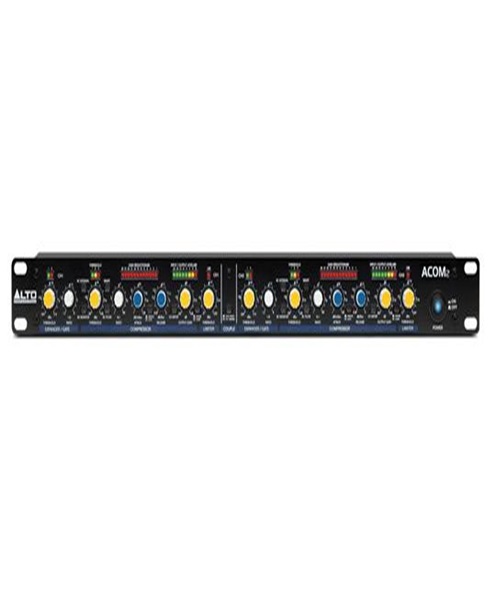
An audio gate is a sound processing device designed to control when an audio signal is allowed to pass through a particular channel or signal path. It reduces or attenuates signals when their levels fall below a selected threshold, helping minimise unwanted noise during quieter moments.
At Janeson Rentals, we provide audio gate hire and rental solutions in Kenya for event organisers, sound engineers, production companies, DJs, recording professionals and corporate clients. Whether you need audio processing equipment for a live performance or a professional sound reinforcement setup, hiring an audio gate can help you achieve better control over your audio system.
Audio gates are particularly useful in situations where microphones pick up unwanted sounds when they are not actively being used. For example, during a conference with several microphones, an open microphone may capture audience movement, room noise, nearby conversations or sounds from other speakers. A gate can help reduce these unwanted signals when the microphone is not receiving sound above its configured threshold.
By incorporating suitable audio processing equipment into your setup, you can improve sound management and create a more controlled listening environment.
What Is an Audio Gate?
An audio gate, commonly called a noise gate, is a dynamic audio processor that controls the level of an audio signal based on its input level. It works by reducing the volume of a signal when it falls below a predetermined threshold and allowing the signal to pass when it rises above that threshold.
The purpose is to minimise unwanted background noise during moments when the intended sound source is inactive or producing a low-level signal.
For example, consider a live drum performance. A microphone positioned near a snare drum may also pick up sounds from nearby cymbals, other drums and stage activity. An audio gate can be configured to reduce the microphone signal when the snare drum is not being played, helping control unwanted sound between strikes.
In a conference environment, an audio gate may help reduce background noise from microphones that are not actively being used. When a speaker begins talking and the microphone signal rises above the threshold, the gate opens and allows the sound to pass.
Audio gates are commonly used in live sound systems, recording studios, broadcasting, podcast production and professional event audio setups.
They are not designed to remove every type of background noise. If unwanted noise is louder than the desired signal, or if the threshold is configured incorrectly, a gate may not provide the intended result. Proper microphone placement, gain staging and room acoustics remain important.
Why Audio Gates Are Important in Professional Sound Production
In professional sound production, microphones frequently capture more than the intended sound source. This is especially common in live environments where several performers, speakers and instruments operate within the same space.
An audio gate helps manage unwanted low-level signals by reducing the output when the intended source is inactive. This can improve the overall control of individual audio channels.
One major advantage is background noise management. Microphones can pick up air conditioning, audience movement, stage noise, nearby conversations and other environmental sounds. A gate can reduce some of these sounds when they remain below the selected threshold.
Another benefit is microphone isolation. In a live music setup, several microphones may be positioned close to one another. An audio gate can help reduce the amount of unwanted sound entering a microphone channel when its primary source is inactive.
Audio gates can also support clearer recordings. In a studio environment, a gate may reduce low-level room noise between vocal phrases or instrument performances. This can help create cleaner transitions between active and inactive sections of a recording.
For sound engineers, the device provides greater control over individual channels, particularly in productions involving multiple microphones and instruments.
Audio Gate Rental for Live Music Concerts
Live concerts involve complex audio environments with multiple sound sources operating simultaneously. Vocal microphones, guitar amplifiers, drum microphones, keyboards, percussion instruments and stage monitors all contribute to the overall sound.
During a performance, microphones may pick up unwanted sounds from nearby instruments or stage activity. This can make it more difficult for sound engineers to manage individual channels.
An audio gate can help reduce low-level unwanted signals when the intended source is inactive. For example, gates are commonly used on drum microphones to reduce spill between individual drum sounds.
A gate on a snare drum microphone may reduce the microphone’s output between snare hits, while a gate on a tom microphone may reduce unwanted noise when that drum is not being played.
Audio gate hire may be useful for:
-
Live music concerts.
-
Gospel music performances.
-
Church worship services.
-
Outdoor music festivals.
-
Band performances.
-
Cultural music events.
-
University entertainment shows.
-
Corporate live entertainment.
-
Stage productions.
The sound engineer should carefully configure the gate to avoid cutting off quieter musical details. A setting that is too aggressive may cause natural sounds to disappear or create unnatural changes in the performance.
Audio Gate Hire for Conferences and Corporate Events
Conferences and corporate events often involve several microphones positioned around a meeting room, stage or conference table. These may include wireless handheld microphones, lapel microphones, podium microphones, gooseneck microphones and panel discussion microphones.
When several microphones remain active, they can pick up background noise and unwanted sounds from different parts of the venue. This may affect the clarity of the sound system, particularly in rooms with reflective surfaces or high audience activity.
An audio gate can help control individual microphone channels by reducing their output when the signal falls below the configured threshold.
For example, during a panel discussion, a gate may help reduce the output of a microphone when a participant is not speaking. This can limit some unwanted room noise entering the main audio mix.
Audio gate rental can support:
-
Corporate conferences.
-
Business meetings.
-
Panel discussions.
-
Annual general meetings.
-
Training workshops.
-
Seminars.
-
Product launches.
-
Press conferences.
-
Awards ceremonies.
-
Government and institutional functions.
However, an audio gate should be configured carefully in discussion environments. If the threshold is too high, a quiet speaker may not activate the microphone properly. This is why microphone selection, placement and gain settings are essential.
Audio Gate Rental for Churches and Worship Services
Church sound systems often involve several microphones for pastors, worship leaders, singers, choirs, instrumentalists and speakers. Managing these different sources can be challenging, particularly during services with transitions between preaching, worship, announcements and presentations.
An audio gate can help manage microphones that are not actively being used. For example, a microphone assigned to a speaker may be reduced when the speaker is silent, helping limit unwanted room noise.
In choir and worship band setups, gates may also be used on selected instrument microphones to manage unwanted low-level noise between performances.
Church applications may include:
-
Sunday worship services.
-
Gospel music concerts.
-
Prayer meetings.
-
Conferences and conventions.
-
Choir performances.
-
Worship rehearsals.
-
Church anniversary celebrations.
-
Special ministry events.
When configuring gates for worship environments, sound engineers should preserve natural vocal dynamics and avoid settings that interfere with soft singing, quiet prayers or spoken transitions.
The goal is not to eliminate every quiet sound but to manage unwanted signals without compromising the natural character of the performance.
Audio Gate Hire for Recording Studios and Podcast Production
Recording studios and podcast production environments often require careful control of unwanted background noise. Even in relatively quiet rooms, microphones may capture computer fans, air conditioning, room ambience, handling noise and other low-level sounds.
An audio gate can help reduce these signals when the intended source is inactive.
For example, during a podcast recording, a gate may reduce the output of a presenter’s microphone when they are not speaking. This can help create cleaner transitions between conversations, especially when several microphones are being used.
In music recording, gates are commonly applied to selected drum and instrument tracks. They can help control unwanted sound between individual performances or notes.
Audio gate rental may support:
-
Podcast recording.
-
Voice-over production.
-
Music recording.
-
Video production.
-
Interview recording.
-
Radio production.
-
Live streaming.
-
Studio rehearsals.
-
Audiovisual content creation.
It is important to remember that a gate cannot repair every recording problem. Consistent microphone technique, a suitable recording environment and correct input gain are still necessary.
Understanding How an Audio Gate Works
An audio gate monitors the incoming signal and compares its level with a selected threshold.
When the signal rises above the threshold, the gate opens and allows audio to pass. When the signal falls below the threshold, the gate closes or reduces the signal according to the configured settings.
Different audio gates offer different controls, but common parameters include:
Threshold: This determines the signal level at which the gate opens or closes. If the threshold is set too high, quieter sounds may not pass through. If it is too low, unwanted background noise may continue to be heard.
Attack: Attack determines how quickly the gate opens when the signal rises above the threshold. A fast attack can allow the beginning of a sound to pass quickly, while slower settings may soften the opening response.
Release: Release controls how quickly the gate closes after the signal falls below the threshold. A suitable release time helps maintain natural sound transitions.
Hold: Some gates include a hold control that determines how long the gate remains open after the signal falls below the threshold.
Range: Range determines how much the signal is reduced when the gate is closed. Some gates provide complete attenuation, while others allow a controlled reduction that preserves some room ambience.
Key or Sidechain Input: Certain processors allow an external signal to control the gate’s operation. This can be useful in more advanced sound processing applications.
These controls allow sound engineers to adjust the gate according to the characteristics of the microphone, instrument or audio source.
Audio Gate vs Audio Limiter: Understanding the Difference
Although audio gates and audio limiters are both dynamic audio processors, they perform different functions.
An audio gate controls low-level signals by reducing audio when it falls below a selected threshold. Its primary purpose is to manage unwanted background noise and microphone spill during quieter moments.
An audio limiter controls high-level signals by reducing audio when it exceeds a selected threshold. Its primary purpose is to prevent excessive signal peaks.
For example, a gate may be used on a drum microphone to reduce unwanted noise between drum hits. A limiter may be used on a main audio output to control sudden peaks that could exceed the intended signal level.
Both processors can be valuable within a professional audio system, but they should not be used interchangeably.
Audio Gate and Other Audio Processing Equipment
Audio gates are often used alongside other audio processors to create a more controlled sound system.
Audio Gate and Audio Compressor
A compressor reduces the dynamic range of an audio signal by controlling louder sections relative to quieter sections. An audio gate works in the opposite part of the dynamic range by reducing signals that fall below a selected threshold.
They are often used together on vocals, drums and other audio sources. The gate manages unwanted low-level noise, while the compressor controls variations in the active signal.
Audio Gate and Audio Limiter
An audio limiter controls excessive peaks, while an audio gate reduces unwanted low-level signals. Together, they can help manage both ends of the signal’s dynamic range.
Audio Gate and Graphic Equalizer
A graphic equalizer adjusts specific frequency bands to shape the tonal balance of a sound system. An audio gate controls whether a signal passes based on its level.
These devices perform different functions and can be used together in a professional sound processing setup.
Audio Gate and Mixing Console
A mixing console combines multiple audio sources and allows sound engineers to adjust their levels, equalisation and routing. Some digital mixing consoles include built-in gate processing, while external gates may be required for additional processing needs.
Audio Gate and Microphones
Microphone choice and placement influence how effectively an audio gate performs. A microphone that captures excessive background sound may require careful threshold adjustment.
Selecting the right microphone, positioning it correctly and configuring the gate appropriately can improve the overall result.
Choosing the Right Audio Gate for Your Event
Before hiring an audio gate, consider the nature of the production and the sound sources that require processing.
A small conference may need only limited microphone processing, while a concert involving multiple drum microphones and instruments may require several gate channels.
Consider the number of channels available on the processor. A single-channel gate may suit an individual microphone, while a stereo or multi-channel unit may be more appropriate for larger setups.
You should also consider the type of microphones and instruments being used. Different sources produce different signal characteristics, and the gate settings should reflect those differences.
Other considerations include:
-
The number of microphones or instruments requiring gating.
-
Whether the equipment is needed for live sound or recording.
-
Available input and output connections.
-
Whether the mixing console already includes gate processing.
-
The desired threshold and attenuation settings.
-
The level of background noise in the venue.
-
The technician’s experience with audio dynamics processing.
Providing this information when requesting a rental quotation can help identify a suitable solution.
Why Choose Janeson Rentals for Audio Gate Hire in Kenya?
Janeson Rentals provides event equipment hire and rental solutions for clients organising corporate functions, concerts, conferences, weddings, church services and entertainment productions in Kenya.
When you need an audio gate for a professional sound setup, we can help you enquire about suitable audio equipment for your production requirements.
Reasons to choose Janeson Rentals include:
A wide range of event equipment: Clients can enquire about audio processing equipment and complementary sound system components for different event applications.
Kenya-focused rental services: Based in Nairobi, Janeson Rentals serves customers looking for equipment hire and rental services in Nairobi and across Kenya.
Support for different productions: Our equipment rental solutions are relevant to corporate events, live entertainment, conferences, private celebrations and other productions.
Complementary audio equipment: You can also enquire about related equipment such as audio compressors, limiters, equalizers, mixing consoles, microphones, amplifiers, PA systems and stage monitors.
Flexible equipment hire: Renting audio processing equipment allows production teams to source equipment according to the needs of individual events without purchasing every device.
We understand that different productions have different technical requirements. Sharing your equipment list and event details helps us understand what you need.
Book an Audio Gate for Hire and Rental in Kenya
Are you planning a concert, corporate conference, church service, podcast recording, live performance or another event that requires professional audio processing?
Contact Janeson Rentals to enquire about audio gate hire and rental in Kenya.
When requesting an enquiry, provide your event date, location, venue, intended application and the number of audio channels you need to process. If you already have a mixing console, microphones and other sound equipment, share those details to help establish compatibility.
Whether you are managing unwanted microphone noise at a conference or controlling drum microphone spill during a live concert, an appropriately configured audio gate can contribute to a more controlled sound production setup.
Get in touch with Janeson Rentals to enquire about audio gate availability and complementary audio equipment for your next event.