Audio Interface Hire & Rental in Kenya
High-quality audio recording is essential for musicians, podcasters, content creators, broadcasters, video producers and professional sound engineers. Whether you are recording a new music project, producing a podcast, capturing interviews or managing audio for a live broadcast, an audio interface helps connect microphones, instruments and other audio sources to a computer or compatible recording system.
An audio interface is an important part of modern recording and production workflows. It converts analogue audio signals into digital information that recording software can process. Many interfaces also convert digital audio from a computer back into analogue signals for monitoring through headphones and studio speakers.
Janeson Rentals provides audio interface hire and rental in Kenya for individuals, businesses, production companies, recording teams and event organisers who need access to professional audio equipment for temporary projects.
From home recording sessions and podcast productions to corporate interviews and multimedia events, renting an audio interface can provide a practical way to access the equipment needed for your project.
What Is an Audio Interface?
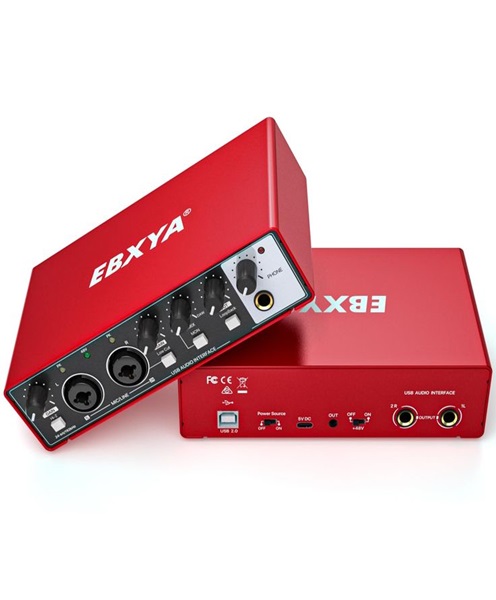
An audio interface is a hardware device that connects audio equipment to a computer or another compatible digital recording system.
It receives signals from microphones, instruments and other audio sources through its inputs. These signals are converted into digital audio data that can be recorded, edited, mixed and processed using digital audio workstation software.
An interface can also send audio from the computer to headphones, studio monitors or other compatible equipment.
Depending on the model, an audio interface may include microphone preamps, instrument inputs, line inputs, headphone outputs, monitor outputs, MIDI connectivity and digital audio connections.
The number of inputs and outputs determines how many sources can be recorded or monitored simultaneously.
Why Hire an Audio Interface in Kenya?
Purchasing recording equipment can be expensive, especially when you need a particular interface for a short-term production.
Audio interface rental offers an alternative for people who are working on temporary recording projects, testing equipment or producing occasional events.
Hiring can be useful for:
-
Independent musicians recording demos or singles.
-
Podcast creators producing short-term series.
-
Film crews recording interviews and voiceovers.
-
Corporate teams producing training and presentation content.
-
Content creators recording narration and digital media.
-
Event production companies handling live recording.
-
Educational institutions conducting media projects.
Janeson Rentals provides an opportunity to enquire about audio interface hire in Kenya according to the requirements of your recording project.
Applications of Audio Interfaces
1. Music recording and production
Musicians use audio interfaces to record vocals, guitars, bass, keyboards and other instruments. The interface connects the audio sources to a computer running recording software.
2. Podcast production
Podcasters use audio interfaces to connect microphones and record conversations. Multi-input models can support several microphones for interviews and group discussions.
3. Voiceover recording
Voice artists and video producers can use an audio interface to record narration, advertisements, presentations and other spoken content.
4. Film and video production
Audio interfaces can support studio-based recording, voiceover sessions, sound editing and other post-production workflows.
5. Live streaming
Content creators may use audio interfaces to connect microphones and instruments to computers for streaming, online presentations and digital broadcasts.
6. Educational media production
Schools, universities and training institutions can use interfaces for music classes, recording exercises, podcast projects and multimedia content.
7. Corporate media production
Businesses producing internal videos, online training, interviews and promotional material may need audio interfaces for professional voice and sound recording.
Important Features of an Audio Interface
Audio interfaces differ in design and technical capabilities. Some common features include:
Microphone preamps: These amplify low-level microphone signals to a suitable recording level.
Analogue-to-digital conversion: Converts incoming analogue audio into digital information for recording and processing.
Digital-to-analogue conversion: Converts computer audio into analogue signals for headphones and studio monitors.
Phantom power: Many interfaces provide 48V phantom power for compatible condenser microphones. Always check microphone requirements before enabling it.
Instrument inputs: Some interfaces include high-impedance inputs for direct guitar and bass connections.
Line inputs: Allow compatible line-level equipment to connect to the recording system.
Headphone outputs: Provide monitoring for recording artists, presenters and audio engineers.
Monitor outputs: Allow connection to compatible studio monitors or other audio playback equipment.
MIDI connectivity: Some models support MIDI devices such as keyboards and controllers.
Choosing the Right Audio Interface
Selecting the correct interface begins with understanding your recording needs.
Number of inputs: A solo vocalist may need only one or two microphone inputs, while a podcast with several guests may require more.
Number of outputs: Consider how many separate headphone mixes, monitor feeds or playback outputs are needed.
Computer compatibility: Confirm that the interface supports your computer’s operating system and connection type.
Connection format: Common connection options include USB and other supported digital interfaces. Confirm cable and port compatibility.
Microphone requirements: Check whether your microphones need phantom power and whether the interface provides suitable preamps.
Sample rate and bit depth: Consider the recording specifications required by your production. Higher specifications do not automatically guarantee a better recording; microphone quality, room acoustics and recording technique also matter.
Software compatibility: Confirm that the interface works with the intended digital audio workstation or recording application.
Audio Interface for Podcasting and Interviews
Podcast production requires clear, consistent speech recording. An audio interface can provide connections for microphones, headphones and other equipment used during recording.
For a podcast involving multiple presenters, choose an interface with enough microphone inputs and headphone monitoring options. This allows participants to be recorded through separate channels when the equipment and software support multitrack recording.
For interviews, a suitable interface can also support recording from microphones while allowing the producer to monitor sound levels through headphones.
Audio Interface for Music Production
Music producers use audio interfaces to capture different instruments and vocals. A suitable interface can support direct instrument recording, microphone recording and playback through studio monitors.
For a band recording session, the number of simultaneous inputs becomes particularly important. A production requiring drums, guitar, bass and vocals may need more channels than a simple home recording session.
The recording engineer should also consider whether additional microphone preamps or external equipment are needed.
Audio Interface Versus a Mixer
An audio interface and an audio mixer serve related but different purposes.
A mixer combines and controls multiple audio signals, often for live sound reinforcement or recording. An audio interface connects analogue audio equipment to a digital recording system.
Some modern interfaces include mixer-style controls and internal routing, while some mixers include built-in USB audio interfaces. However, they should not automatically be treated as interchangeable.
Your production requirements will determine which device is appropriate.
Equipment Used with an Audio Interface
An audio interface can form part of a larger recording setup involving:
-
Studio microphones
-
Condenser microphones
-
Dynamic microphones
-
XLR cables
-
Instrument cables
-
Studio headphones
-
Studio monitor speakers
-
Microphone stands
-
Pop filters
-
MIDI keyboards
-
Recording computers
-
Digital audio workstation software
-
Portable recording equipment
Using compatible equipment helps create an organised recording workflow.
Why Choose Janeson Rentals?
Janeson Rentals offers event and production equipment hire and rental solutions in Kenya. Clients can enquire about audio interfaces for music recording, podcasting, interviews, voiceovers, live streaming and other professional audio applications.
Reasons to consider Janeson Rentals include:
-
Flexible equipment hire: Rental arrangements for temporary projects and productions.
-
Production-focused solutions: Equipment options for content creators, musicians and professional production teams.
-
Related audio equipment: Enquiries can include microphones, headphones, cables and other compatible accessories.
-
Nairobi-based service: Rental support from Nairobi with delivery arrangements across Kenya subject to confirmation.
-
Practical equipment planning: Discuss your computer, software and recording requirements before booking.
Book Audio Interface Hire in Kenya
If you are planning a music recording session, podcast, interview, voiceover or multimedia production, an appropriate audio interface can help connect your recording equipment to your digital workflow.
Contact Janeson Rentals for audio interface hire and rental in Kenya. Provide your project date, recording requirements, number of inputs and outputs, computer connection requirements and preferred rental period.
Choose a suitable recording setup and make your next production more organised with Janeson Rentals.