Audio Recording Kit Hire and Rental in Kenya
Introduction
Clear, professional sound is an essential part of successful content creation, event documentation, interviews, presentations and media production. Whether you are recording a podcast, conducting interviews, capturing speeches at a corporate conference or producing video content, having the right audio equipment can make a significant difference to the final result. Poor sound quality can distract audiences, reduce the professionalism of a production and make important information difficult to understand.
An audio recording kit provides a convenient way to bring together the equipment required to capture sound for different recording applications. Instead of sourcing microphones, recorders, audio interfaces, cables and monitoring equipment separately, a suitable recording kit can help simplify the preparation process and create a more organised production setup.
Janeson Rentals offers audio recording kit hire and rental in Nairobi, Kenya, providing an accessible solution for individuals, businesses, production teams, event organisers, content creators and media professionals who need recording equipment for temporary projects. Whether you are preparing for a one-day interview, a multi-day conference, a podcast session or a commercial production, hiring an audio recording kit allows you to access equipment suited to your recording requirements without making a permanent purchase.
With Nairobi as its base and services available across Kenya, Janeson Rentals supports clients looking for practical event and production equipment hire solutions.
What Is an Audio Recording Kit?
An audio recording kit is a collection of equipment used to capture, monitor and manage sound during a recording session. The exact contents vary depending on the intended application, the number of people being recorded and the recording environment.
A basic kit may be designed for interviews, voice recordings or simple content creation. A more advanced setup may support multiple microphones, separate audio channels, external recording devices and professional production workflows.
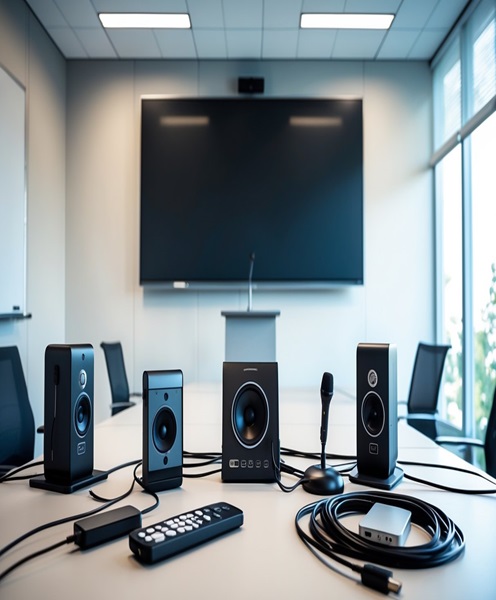
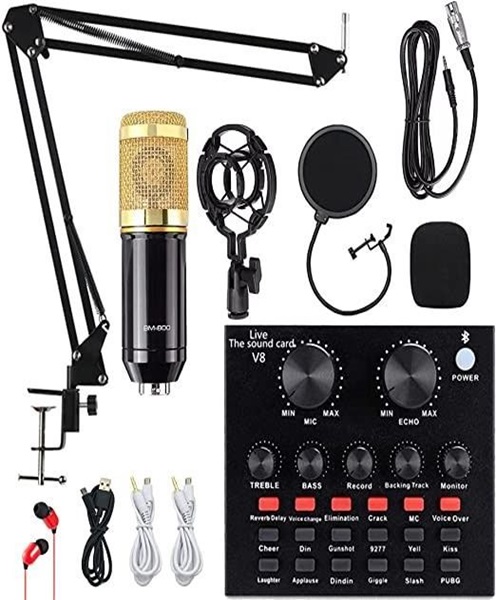
Depending on the project, an audio recording kit may involve equipment such as:
-
Handheld, lavalier or condenser microphones.
-
Wireless microphone systems.
-
Portable digital audio recorders.
-
Audio interfaces for computer-based recording.
-
Headphones for monitoring sound.
-
Microphone stands and boom arms.
-
XLR and other compatible audio cables.
-
Audio splitters and connection accessories.
-
Microphone clips and mounting accessories.
-
Power supplies, batteries and storage media where required.
Not every recording kit contains all these components. The appropriate configuration depends on the recording objectives and the equipment needed to achieve them.
For example, a podcast recording session involving two presenters may require two microphones, a suitable recording interface or recorder, headphones and the necessary cables. An interview taking place at an outdoor location may benefit from a portable recorder and suitable microphones that can capture dialogue while reducing unwanted background noise.
Why Hire an Audio Recording Kit Instead of Buying One?
Purchasing professional audio equipment can require a substantial investment, particularly when a project needs several different devices. Hiring provides flexibility for clients who only require recording equipment for a specific period.
1. Access Professional Recording Equipment
Audio recording kits bring together equipment designed to support sound capture. Hiring allows you to use suitable recording tools for your project without purchasing every component individually.
This is especially useful for production teams working on temporary assignments, businesses recording occasional interviews and organisations documenting special events.
2. Reduce Equipment Purchasing Costs
Buying microphones, recorders, audio interfaces, monitoring headphones and accessories separately can become expensive. If you only record occasionally, owning an entire recording setup may not be financially practical.
Audio recording kit rental provides an alternative by allowing you to pay for equipment according to your project requirements and rental period.
3. Simplify Production Preparation
A recording project requires more than simply connecting a microphone. The equipment must be compatible, properly connected and configured to capture the intended sound.
A suitable kit helps reduce the need to source individual components from different suppliers. It also makes it easier to plan the recording setup before the production begins.
4. Support Different Types of Projects
Recording requirements vary from one assignment to another. A small interview may need a simple microphone and recorder arrangement, while a podcast involving several presenters may require multiple audio inputs.
Hiring gives production teams the flexibility to select equipment based on each assignment rather than relying on a single permanent setup.
5. Avoid Long-Term Equipment Storage
Recording equipment requires careful storage and handling. Microphones, cables, recorders and electronic accessories need protection when not in use.
For businesses and individuals who only record occasionally, hiring eliminates the need to maintain a large collection of equipment between projects.
Audio Recording Kit Hire for Podcasts
Podcasts have become an important communication and content marketing format for businesses, entrepreneurs, organisations, educational institutions and independent creators.
A successful podcast depends heavily on audio quality. Listeners may tolerate simple video production, but unclear dialogue, inconsistent volume and distracting background noise can make an episode difficult to follow.
Hiring an audio recording kit allows podcast creators to prepare a suitable recording environment without purchasing a complete studio setup.
A podcast recording arrangement may require microphones for each participant, headphones for monitoring, an audio interface or multitrack recorder and suitable connection accessories.
For a conversational podcast with two or more participants, it is important to consider the number of independent microphone inputs available. A recording interface with insufficient inputs may not accommodate everyone simultaneously.
Creators should also consider whether they want to record directly into a computer, use a standalone recorder or maintain an additional recording source. The most suitable option depends on the intended production workflow.
Janeson Rentals provides an equipment hire option for clients preparing podcast recordings, interviews and other audio content projects in Nairobi and across Kenya.
Audio Recording Kit Rental for Interviews
Interviews are common in journalism, documentary production, corporate communication, research, marketing and social media content creation.
The recording environment can vary considerably. Some interviews take place in quiet offices or studios, while others are conducted at events, outdoor locations or busy public spaces.
The equipment selection should reflect the environment and the number of participants.
A handheld microphone can be useful for reporter-style interviews, while a lavalier microphone can provide a discreet option for recording a speaker. Wireless microphone systems may be useful when the interviewer and subject need freedom to move, provided the system is compatible and its operating conditions are suitable.
A portable audio recorder can also help capture sound independently of a video camera. This is particularly useful when the video production requires a separate audio recording path.
Before recording, check microphone placement, battery levels, available storage and input levels. A short test recording helps identify unwanted noise, distortion or connection problems before the actual interview begins.
Audio Recording Kit Hire for Conferences and Corporate Events
Corporate conferences, seminars, workshops and business meetings often involve presentations, panel discussions, speeches and interviews.
Recording these activities allows organisations to preserve important information, produce post-event content and share presentations with people who were unable to attend.
An audio recording kit can support different recording requirements, including capturing a speaker’s voice, recording a panel discussion or creating an audio track for a video production.
For conference recordings, it is important to identify where the audio signal will come from. Recording directly from a venue sound mixer may provide a useful feed, but the signal level and connection type must be checked. A separate microphone or independent recorder may also be appropriate depending on the event.
For panel discussions, organisers should establish how many speakers need to be recorded and whether each person requires a separate microphone channel.
Janeson Rentals helps clients source event and production equipment for corporate functions, conferences, workshops and other professional gatherings.
Audio Recording for Video Production
Professional video production relies on both visual and audio quality. A well-framed video can still feel unfinished when dialogue is difficult to hear or environmental sound is poorly captured.
An audio recording kit can support:
-
Corporate promotional videos.
-
Documentary productions.
-
Interviews and testimonials.
-
Training and educational videos.
-
Behind-the-scenes content.
-
Social media video production.
-
Event highlight videos.
-
Short films and independent productions.
One important consideration is how the recorded audio will be synchronised with the video footage. Some productions use a direct camera audio feed, while others record sound separately and synchronise the files during editing.
When recording audio separately, the production team should establish a consistent synchronisation method before filming begins. This may involve a visible and audible clap or a timecode workflow where supported by the equipment.
It is also important to confirm that the recorder’s file format and recording settings are compatible with the intended editing workflow.
Important Features to Consider When Hiring an Audio Recording Kit
Choosing the right audio recording kit requires an understanding of the production requirements. The most expensive or complicated setup is not necessarily the most appropriate.
Number of Microphones
Start by identifying how many people or sound sources need to be recorded at the same time.
A single-person interview may require one microphone, while a group podcast or panel discussion may need several independent microphone inputs.
The number of microphones should be considered alongside the number of simultaneous recording channels supported by the recorder or interface.
Recording Device
The recording device determines how audio is captured and stored.
A portable digital recorder may be suitable for location recording, while an audio interface can connect microphones to a computer for software-based recording.
Some productions may benefit from a multitrack recorder that allows separate audio sources to be recorded independently. This can provide greater flexibility during post-production.
Microphone Compatibility
Different microphones are designed for different applications.
Dynamic microphones are commonly used for speech and vocal recording. Condenser microphones can capture detailed sound but may require phantom power when using compatible XLR models.
Lavalier microphones are useful when a discreet microphone placement is preferred, while shotgun microphones can be appropriate for certain video and location-recording applications.
The microphone should match the recorder’s available inputs and connection requirements.
Audio Monitoring
Headphones allow the recording team to listen to the incoming sound while recording.
Monitoring helps identify problems such as background noise, microphone handling sounds, distortion, interference and incorrect input levels.
It is better to identify these problems during a test recording than discover them after the production has ended.
Storage Capacity
Recording sessions can generate large audio files, particularly when using high-quality settings or multiple recording channels.
Before starting, confirm that sufficient storage is available for the expected recording duration. Where removable storage is used, check compatibility and available capacity.
Power Requirements
Recording equipment may use rechargeable batteries, standard batteries, mains power or a combination of these.
For outdoor and location-based recording, battery planning is particularly important. Always establish how long the equipment can operate and whether spare power options are available.
Cable and Connection Compatibility
Audio equipment may use XLR, 3.5 mm, USB, TRS or other connections depending on the device.
The recording team should confirm that the microphones, recorder, interface and other components can connect correctly. Using an unsuitable cable or adapter can prevent equipment from working as expected.
Audio Recording Kit Hire for Content Creators
Content creators frequently produce videos, interviews, educational material, product demonstrations and online discussions.
Good audio helps make content easier to understand and more engaging. Whether recording in a home studio, rented production space, office or outdoor location, the right equipment can improve the consistency of the recording process.
An audio recording kit can support creators who need equipment for a specific campaign, sponsored production, interview series or content project.
It can also be useful for creators who want to test a more advanced recording workflow before investing in their own equipment.
Before hiring, consider whether the content will involve one presenter or multiple participants, whether recording will take place indoors or outdoors, and whether the final audio needs to be captured separately from video.
Preparing for Your Audio Recording Session
Proper preparation helps ensure that hired equipment is used effectively.
Before the recording date, identify the recording location and assess the expected sound environment. Air conditioners, generators, traffic, machinery and nearby conversations can all affect audio quality.
Arrange the microphones according to the recording format. A podcast table setup will have different requirements from a walking interview or conference presentation.
Check all cables and connections before recording. Confirm that the recorder recognises the connected microphones and that the correct inputs are enabled.
Set suitable recording levels. Audio that is recorded too quietly may be difficult to improve, while excessively high levels can cause distortion that cannot easily be corrected later.
Conduct a test recording and listen to the playback using headphones. This provides an opportunity to identify problems before the main session.
It is also advisable to organise the recording files clearly. Use consistent file names and create a backup of important recordings after the session.
For interviews, podcasts and event recordings, obtain the necessary permissions from participants and respect applicable privacy requirements.
Complementary Equipment for Audio Recording
Depending on the production, an audio recording kit may be used alongside other equipment to create a complete production environment.
Microphones
Handheld, lavalier, condenser, dynamic and shotgun microphones serve different recording purposes. The appropriate microphone depends on the speaker, location and recording format.
Audio Interfaces
An audio interface connects compatible microphones and instruments to a computer. It can be useful for podcasting, voice recording and studio-based production.
Digital Audio Recorders
Portable and multitrack recorders can capture audio independently of a computer, depending on the device’s capabilities.
Headphones
Closed-back monitoring headphones can help the recording team listen to sound while reducing sound leakage into nearby microphones.
Microphone Stands and Boom Arms
Stands and boom arms help position microphones consistently. They are useful for interviews, podcasts, voice recordings and studio sessions.
PA Systems and Mixers
For live events, a PA system and mixer may be required to amplify microphones for an audience. Recording equipment and live sound equipment perform different functions, although they can sometimes work together through compatible audio connections.
Why Choose Janeson Rentals for Audio Recording Kit Hire?
Janeson Rentals provides equipment hire and rental solutions for events, productions, businesses and individuals in Kenya.
When planning an audio recording project, clients need equipment that suits the recording environment, the number of participants and the intended production workflow.
Janeson Rentals supports clients looking for practical equipment solutions for podcasts, interviews, conferences, corporate productions, media projects and content creation.
Clients can plan their equipment requirements around the nature of their project instead of investing in a complete recording setup that may only be used occasionally.
Whether you are organising a professional interview, producing a podcast series, documenting a corporate event or recording educational content, hiring can provide a flexible way to access the equipment required for the assignment.
Based in Nairobi, Janeson Rentals serves clients across Kenya, making it a convenient option for organisations and production teams sourcing event and media equipment.
Book an Audio Recording Kit from Janeson Rentals
Are you preparing for a podcast, interview, corporate event, conference, documentary or video production? Choose an audio recording kit that matches your recording requirements.
Contact Janeson Rentals to enquire about audio recording kit hire and rental in Nairobi and across Kenya. Share your recording date, location, number of participants and intended application so that the appropriate equipment configuration can be considered.
With the right recording equipment and proper preparation, you can capture clear, organised audio for your next production.