Backup Audio Recorder Hire and Rental in Kenya
Important events and professional productions often involve moments that cannot easily be repeated. A keynote presentation, executive interview, live performance, panel discussion or documentary interview may contain valuable information that must be captured accurately. If the primary recording device experiences a technical problem, the production team could lose important audio.
This is why backup audio recording is an important part of professional production planning.
Janeson Rentals offers backup audio recorder hire and rental in Kenya for event organisers, filmmakers, journalists, broadcasters, podcast producers, corporate teams and professional audio technicians. A backup recorder provides an additional recording option that can help protect important audio material during critical sessions.
Rather than relying entirely on one recording device, production teams can use a secondary recorder to capture an additional copy or an alternative audio feed. This creates another layer of protection if the primary recorder fails, a connection becomes disconnected or an unexpected technical problem affects the main recording.
Hiring a backup audio recorder is particularly useful for events and productions where missing important audio could affect the entire project.
What Is a Backup Audio Recorder?
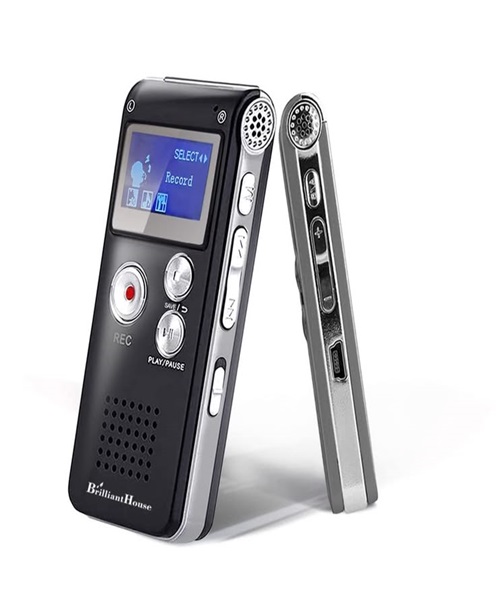
A backup audio recorder is a secondary recording device used alongside a primary audio recording system.
Its main purpose is to provide an additional recording in case the primary recording is interrupted, damaged or unavailable.
The backup recorder may capture audio from a separate microphone, a direct output from a mixing console or another compatible audio source.
For example, during a corporate conference, the main recording device may receive audio from the venue’s digital mixing console. A secondary recorder can be connected to a suitable alternative output or microphone arrangement to create another recording.
During an interview, the main audio may be recorded through a professional recorder while a separate device captures a backup microphone signal.
The exact arrangement depends on the production’s equipment, available outputs and recording requirements.
A backup recorder does not automatically guarantee that all recording failures will be prevented. It provides an additional recording path that can reduce dependence on a single device.
Why Is Backup Audio Recording Important?
Professional recording environments can involve several technical components, including microphones, cables, mixers, receivers, recorders and power supplies.
A problem with any part of the system can affect the final recording.
Using a backup audio recorder can help manage this risk.
1. Protect Important Recordings
Some recordings are difficult or impossible to recreate.
Examples include live performances, conferences, public presentations, interviews with important guests and once-off corporate events.
A secondary recording provides an additional copy that may help preserve the content if the main recording is compromised.
2. Reduce Dependence on One Device
Relying on a single recorder creates a single point of failure.
A separate backup recorder introduces another recording path, reducing the risk associated with depending entirely on one device.
3. Support Professional Event Production
Corporate events, conferences, seminars and live performances often require reliable audio documentation.
A backup recorder can support production teams by providing an additional source of recorded audio.
4. Improve Post-Production Flexibility
A backup recording may contain an alternative version of the same audio or capture a different microphone feed.
This can be useful when editing interviews, documentaries, event recordings and music performances.
5. Support Long Recording Sessions
Long events and extended recording sessions may involve battery, storage or connection challenges.
A secondary recorder can provide additional protection when configured and monitored correctly.
Applications of Backup Audio Recorder Rental in Kenya
Corporate Conferences and Business Events
Conferences often involve keynote speakers, panel discussions, moderators and audience participation.
These events may contain important business information, presentations and discussions that need to be recorded for future reference.
A backup recorder can capture an additional audio feed from the venue sound system or another suitable microphone arrangement.
This can help protect the event recording if the primary device encounters a technical problem.
Live Music and Entertainment Events
Live music performances happen in real time and cannot always be repeated.
A backup recorder can provide another recording of compatible audio feeds from the performance setup.
This is useful for concert documentation, live session recordings, promotional videos and event archives.
The recording engineer should confirm the available mixer outputs and ensure that the primary and backup recording devices receive appropriate signals.
Film and Documentary Production
Film crews may record important dialogue, interviews and location sounds during production.
A secondary recording device can help protect important audio material, particularly when filming in locations where returning for another take is difficult.
Backup recording may involve a separate microphone, a secondary recorder or another suitable audio feed.
Podcast Recording
Podcast interviews and discussions can contain valuable conversations that creators want to preserve.
A backup recorder can provide an additional copy of the conversation, reducing reliance on a single recording device.
For multi-person podcasts, the production team should confirm whether the backup captures a combined mix or separate microphone feeds.
Journalism and Interviews
Journalists may conduct interviews with public figures, business leaders, experts and community members.
Some interviews involve travel, limited access or scheduling challenges that make repeating the conversation difficult.
A backup recording arrangement can help protect the interview material.
Weddings and Special Events
Wedding ceremonies, speeches and special celebrations contain moments that cannot easily be recreated.
A backup audio recorder can be useful when capturing speeches, vows, presentations and other important spoken content.
It can work alongside the main event recording setup, subject to the venue’s audio arrangements.
Educational and Training Sessions
Schools, universities and training organisations may record lectures, seminars and workshops for later reference.
A secondary recorder can provide an additional copy of important educational content.
How a Backup Audio Recorder Works
The backup recorder is configured to capture audio independently or through an appropriate secondary signal path.
There are several common approaches.
Separate Microphone Recording
A second microphone can be connected to a backup recorder.
This provides an independent audio source, although microphone placement and room acoustics will affect the recording quality.
For example, a backup recorder positioned near a presenter may capture speech even if the primary recorder loses its connection to the main sound system.
Direct Audio Feed from a Mixer
A suitable output from a digital or analogue mixing console can feed the backup recorder.
This arrangement can provide a clean recording signal when the correct output is selected and configured.
The sound engineer must check the output type, signal level and connection compatibility.
Independent Wireless Recording
Some wireless microphone systems support onboard recording in the transmitter.
When available, this can provide an additional recording file separate from the receiver’s output to the main recorder.
The production team should confirm that onboard recording is supported, enabled and has sufficient storage.
Secondary Recorder Connected to a Different Output
A main recording system may use one mixer output while the backup device receives another suitable output.
This can reduce dependence on a single cable or recorder connection, depending on the system design.
Important Features to Consider When Hiring a Backup Audio Recorder
Recording Reliability
The backup device should be suitable for the duration and importance of the recording.
Check its recording functionality, power requirements, storage capacity and input compatibility before the event.
Input Compatibility
The backup recorder should accept the type of signal you intend to send to it.
This may be a microphone-level signal or a suitable line-level output, depending on the recorder’s inputs.
Using an incompatible signal can result in distorted, weak or unusable audio.
Recording Duration
For long events, confirm how long the device can record under the selected settings.
Consider file size, battery life and whether the recorder supports continuous recording for the required duration.
Storage Capacity
Backup recordings can require significant storage, especially when using high-quality formats or multiple channels.
Check the supported storage media and prepare sufficient capacity.
Independent Power
A backup recorder should ideally have an appropriate power arrangement that does not rely on exactly the same vulnerable power source as the primary recording device.
Depending on the model, this may involve batteries or a supported external power supply.
Monitoring Options
If possible, monitor the backup recorder to confirm that it is receiving a signal and recording correctly.
A device that is switched on but receiving no audio does not provide useful backup protection.
Separate Track Recording
For productions with several microphones, check whether the backup recorder can capture the required number of independent tracks.
If the main recording contains separate tracks but the backup is only a stereo mix, the two recordings will serve different purposes.
Backup Audio Recorder vs Primary Audio Recorder
A primary audio recorder is the main device responsible for capturing the production’s audio.
A backup audio recorder is an additional device configured to provide a secondary recording.
The two devices may have similar features, but their roles within the production are different.
The primary recorder may handle several microphone inputs, multitrack recording and detailed audio monitoring. The backup device may capture a simpler stereo feed or an independent microphone recording.
The most appropriate backup setup depends on the consequences of losing the main recording and the level of protection required.
For a major conference, a separate recorder receiving a suitable console output may be appropriate. For a documentary interview, an additional microphone or independent transmitter recording may provide a useful backup.
Why Choose Janeson Rentals for Backup Audio Recorder Hire?
Janeson Rentals provides equipment hire solutions for professional events, corporate productions, media projects and creative assignments.
Our backup audio recorder rental service is suitable for production teams that want an additional recording option for important events and recording sessions.
Support for Critical Recording Projects
Whether you are documenting a conference, recording an interview or capturing a live performance, a backup recorder can be an important part of your production plan.
Flexible Rental Arrangements
You can arrange recording equipment according to the needs and duration of your project, without purchasing a secondary recorder for occasional use.
Nairobi-Based Rental Service
Janeson Rentals is based in Nairobi and supports clients organising events and productions within the city.
Equipment Hire Across Kenya
Our services also support clients across Kenya, helping production teams arrange equipment for different event and production locations.
Complementary Audio and Event Equipment
A backup recorder may be used alongside microphones, mixing consoles, wireless systems, audio interfaces and other audiovisual equipment. Janeson Rentals supports wider equipment hire requirements for productions and events.
Best Practices for Setting Up a Backup Audio Recorder
Backup recording should be planned before the event or production begins.
Start by identifying the main recording device and the audio signal it will capture. Then determine the most suitable independent source for the backup recorder.
If using a mixing console output, confirm that the output is available and correctly configured. If using a separate microphone, position it where it can capture clear audio without unnecessary background noise.
Check the input levels and make a test recording. Play back the file to confirm that the sound is present and usable.
Ensure that the backup device has sufficient storage and battery power for the entire recording period.
For longer events, check the recording periodically without interrupting the programme. After the session, transfer the files to secure storage and verify that both the main and backup recordings are accessible.
Where possible, use a backup arrangement that does not depend entirely on the same cable, power source or signal path as the primary recording system.
Book a Backup Audio Recorder from Janeson Rentals
Are you organising a conference, live performance, interview, documentary, podcast or corporate event where important audio needs additional protection?
Janeson Rentals provides backup audio recorder hire and rental in Kenya for production teams and event organisers who want a secondary recording solution.
Contact Janeson Rentals to discuss your primary recording setup, the audio source you want to back up, the required recording duration and your preferred rental period.
Whether your project is taking place in Nairobi or elsewhere in Kenya, a properly planned backup recording arrangement can help protect valuable audio and support a more dependable production workflow.