Introduction
Access to reliable electricity is essential for modern events, outdoor productions, exhibitions and temporary workspaces. Electronic devices such as laptops, cameras, mobile phones, monitors, wireless microphone systems, routers and other equipment require a dependable power source to operate throughout an event or project.
However, not every venue has convenient access to mains electricity. Outdoor locations, remote filming sites, temporary exhibition spaces and mobile production environments may require an alternative power solution.
A battery power station provides portable electrical energy stored in rechargeable batteries. It can supply electricity to compatible devices without the continuous operation of a fuel-powered engine, making it useful in situations where portability, reduced operating noise and convenient power access are important.
Janeson Rentals offers Battery Power Station Hire and Rental in Kenya for event organisers, photographers, videographers, production companies, businesses, exhibitors and individuals who need portable battery-based electricity.
Whether you are planning an outdoor event in Nairobi, filming in a remote location, operating a temporary registration desk or powering compatible electronic equipment during an exhibition, hiring a battery power station can provide a convenient temporary electricity solution.
What Is a Battery Power Station?
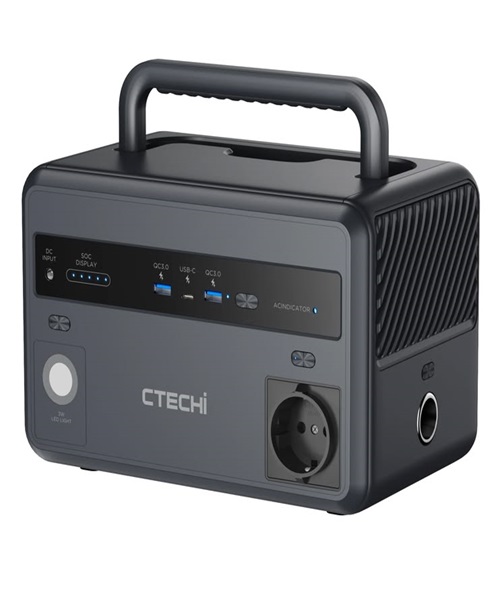
A battery power station is a portable energy storage unit that stores electricity in rechargeable batteries and supplies it to compatible devices through different output connections.
Unlike a conventional fuel-powered generator, a battery power station does not need to burn petrol or diesel while supplying stored electricity. It uses an internal battery and electronic power conversion system to provide electrical output.
Depending on the model, a battery power station may include:
-
Rechargeable battery storage.
-
AC power outlets.
-
USB-A charging ports.
-
USB-C power delivery ports.
-
DC output connections.
-
Battery management electronics.
-
Display showing battery level and power information.
-
Charging inputs for mains electricity or compatible solar panels.
-
Built-in safety and temperature monitoring features.
Not every battery power station includes all these features. Available outputs, charging methods, battery capacity and power ratings vary by model.
How Does a Battery Power Station Work?
A battery power station stores electrical energy inside rechargeable battery cells. When connected equipment requires electricity, the unit supplies power through its available output ports.
For devices requiring AC electricity, an internal inverter converts the battery’s stored DC energy into AC output. Other devices can receive electricity through compatible DC or USB connections.
The battery gradually discharges as connected equipment consumes power. Once the remaining charge becomes insufficient, the power station must be recharged using a compatible charging method.
Depending on the model, charging may be available through:
-
A mains electrical outlet.
-
A compatible solar panel.
-
A suitable vehicle charging connection.
-
Another manufacturer-approved charging method.
The charging time depends on the battery capacity, charging input and operating conditions.
Why Hire a Battery Power Station?
Battery power stations provide several practical advantages for temporary power requirements.
1. Portable Electricity
A battery power station can be transported to locations where a conventional electrical outlet may not be conveniently available.
This makes it useful for outdoor events, photography, filming, temporary workstations and mobile production teams.
2. Quiet Operation
Battery power stations generally operate without the continuous engine noise associated with conventional fuel-powered generators.
This can be especially useful at conferences, interviews, filming locations, exhibitions and other environments where noise can interfere with activities.
3. No Fuel Required During Battery Operation
A battery power station supplies electricity from its stored battery energy. It does not require petrol or diesel while operating from the battery.
This can simplify temporary power arrangements by removing the need to refuel during normal battery-powered operation.
4. Convenient Device Charging
Many battery power stations provide multiple output options, allowing users to charge or power compatible devices through different connections.
For example, a unit may support laptops, phones, cameras, tablets and selected electronic equipment, provided their power requirements match the station’s specifications.
5. Useful for Temporary Installations
Hiring a battery power station can be more practical than purchasing a unit for a one-time event, outdoor production or short-term project.
6. Suitable for Selected Indoor Applications
Because battery power stations do not produce exhaust fumes during battery operation, they can be useful in suitable indoor environments.
However, they must still be used according to the manufacturer’s ventilation, temperature, charging and safety instructions. They are not automatically suitable for every indoor location.
Applications of Battery Power Station Rental in Kenya
Battery power stations can support a variety of activities where portable electricity is required.
Outdoor Events and Functions
Outdoor events may take place in gardens, open fields, temporary venues and locations where electrical outlets are limited.
A battery power station can provide electricity for compatible devices such as laptops, phones, small display equipment and selected event electronics.
The required capacity should be calculated according to the equipment being powered and the expected operating duration.
Photography and Videography
Photography and filming teams use cameras, monitors, wireless transmitters, charging equipment and computers.
A battery power station can provide a convenient charging and power source for compatible production equipment, particularly at outdoor or remote shooting locations.
For larger lighting systems or equipment with substantial power requirements, the unit must be carefully selected according to its continuous output rating and surge capability.
Corporate Events and Conferences
Corporate events frequently require portable power for registration laptops, tablets, communication devices and supporting electronic equipment.
A battery power station may provide a temporary electricity source for selected low- to moderate-power applications, depending on the model.
Exhibitions and Trade Shows
Exhibition teams may require power for laptops, small displays, demonstration devices and other electronic equipment.
A battery power station can be considered where the equipment’s power requirements are compatible with the available output.
Film and Video Production
Production crews sometimes operate in remote locations where mains electricity is unavailable or inconvenient.
Battery power stations can support compatible cameras, charging equipment, monitors and production accessories.
They can also be useful for powering selected control equipment where low operating noise is important.
Temporary Offices and Workstations
Temporary offices, field workstations and mobile registration desks may require electricity for laptops, routers, phones and small electronic devices.
A battery power station can provide a portable alternative to connecting every device to a fixed electrical outlet.
Outdoor Presentations and Demonstrations
Promotional events and product demonstrations may require electricity for computers, communication devices and selected display accessories.
A battery power station can help support these temporary activities where its output specifications are sufficient.
Emergency and Backup Applications
A battery power station can provide temporary backup electricity for compatible electronic devices during certain power interruptions.
Its usefulness depends on battery capacity, connected load, recharge availability and the required operating duration.
It should not be assumed to provide whole-building backup power or support high-demand equipment without checking its specifications.
Battery Power Station vs Portable Power Station
Battery power station and portable power station are closely related product descriptions. Both generally refer to rechargeable battery-based units that provide portable electricity.
The distinction is often in how the product is positioned rather than a completely different technology.
For Janeson Rentals’ SEO content, the Battery Power Station article focuses on battery-powered electricity for portable applications, while the earlier Portable Power Station article covers the broader category of portable electricity solutions.
When selecting a unit, customers should focus on the actual specifications rather than the product name alone.
These include battery capacity, output power, available connections, charging options and compatibility with the equipment being used.
Battery Power Station vs Fuel Generator
A battery power station and a fuel-powered generator both provide electricity, but they operate differently.
A battery power station stores electrical energy in rechargeable batteries and supplies it through electronic output systems. It generally operates quietly and does not produce engine exhaust while running from stored battery energy.
A fuel generator produces electricity through an engine that consumes fuel. It can support extended operation when fuel is available and the generator is appropriately sized.
The best choice depends on the power demand, operating duration, noise restrictions, location and available charging or fuel arrangements.
Battery power stations are particularly useful for compatible electronic equipment and applications where low noise and portability matter. Larger or continuous high-power demands may require a suitably rated generator or another professionally designed power solution.
Important Factors When Choosing a Battery Power Station
Selecting a suitable battery power station requires more than checking the number of outlets. Its battery capacity and electrical output must match the equipment being powered.
Battery Capacity
Battery capacity indicates how much energy the unit can store. It is commonly expressed in watt-hours (Wh).
A larger battery capacity generally allows a station to supply compatible equipment for longer, although actual runtime depends on the connected load and conversion efficiency.
Continuous AC Output
Continuous output indicates how much power the station can supply under normal operating conditions.
Check this rating against the combined power consumption of the connected equipment.
Surge Output
Some equipment draws more power briefly when starting. A battery power station may have a separate surge rating that allows it to handle short-duration increases within specified limits.
This is particularly important when connecting equipment with motors, compressors or other demanding startup characteristics.
Output Connections
Check whether the station provides the connections needed by your equipment.
These may include:
-
AC outlets.
-
USB-A ports.
-
USB-C ports.
-
DC outputs.
-
Vehicle-style charging outlets.
The correct cables and adapters must also be available.
Charging Options
Consider how the unit will be recharged before, during or after the event.
Mains charging may be convenient at venues with electricity, while compatible solar charging may be useful in certain outdoor environments.
Battery Technology
Battery power stations use different battery chemistries. Lithium iron phosphate (LiFePO4) and other lithium-based technologies are among the options available.
Battery chemistry can influence weight, lifespan, charging characteristics and operating specifications.
Portability and Weight
The unit should be practical to transport and position at the event site. Larger battery capacity often means greater weight, so transport and handling should be considered.
Operating Environment
Check the manufacturer’s recommended temperature, moisture and ventilation conditions. A power station should be protected from unsuitable weather and physical damage.
Estimating Battery Power Station Runtime
Understanding expected runtime helps avoid interruptions during an event or production.
A basic estimate can be calculated using:
Estimated runtime = usable battery energy (Wh) ÷ connected load (W)
For example, if a battery power station has 1,000 Wh of usable energy and the connected equipment consumes 100 W, the simple theoretical estimate is 10 hours.
Actual runtime will usually be lower because of inverter losses, conversion efficiency, battery management limits and operating conditions.
When several devices are connected, their power consumption should be added together to estimate the total load.
For longer events, it is advisable to allow for a reserve rather than planning to use the entire rated battery capacity.
Safety Considerations When Using a Battery Power Station
Battery power stations must be operated according to the manufacturer’s instructions.
Important precautions include:
-
Confirm that the connected equipment is compatible with the station’s output.
-
Do not exceed the continuous power rating.
-
Check surge requirements for equipment with high startup demand.
-
Use only approved charging accessories.
-
Protect the unit from rain, water and excessive moisture.
-
Avoid exposing the battery to excessive heat.
-
Do not cover ventilation openings.
-
Keep the unit away from flammable materials.
-
Avoid using damaged batteries, cables or charging equipment.
-
Do not attempt unauthorised repairs or battery modifications.
-
Follow the manufacturer’s instructions for storage and transportation.
-
Disconnect equipment before moving the unit where necessary.
Battery power stations should also be protected from overloading. A unit with several outlets is not necessarily capable of powering high-demand equipment through all outlets simultaneously.
Why Choose Janeson Rentals for Battery Power Station Hire?
Janeson Rentals provides event and technical equipment hire solutions for clients organising functions, productions, exhibitions and temporary installations in Kenya.
Practical Rental Solutions
Hiring a battery power station provides access to portable electricity for temporary projects without requiring a permanent purchase.
Support for Event and Production Applications
From outdoor functions and corporate conferences to photography and filming, battery-based power solutions can support a variety of compatible electronic equipment.
Nairobi-Based Equipment Hire
Janeson Rentals is based in Nairobi and supports clients planning events and projects within the city.
Delivery Across Kenya
Clients organising activities outside Nairobi can enquire about delivery arrangements across Kenya, depending on the location and rental requirements.
Equipment Hire for Different Project Sizes
Whether you require portable electricity for a small workstation or selected production equipment, share your power requirements so the appropriate equipment can be identified.
How to Book Battery Power Station Hire and Rental in Kenya
To arrange battery power station rental through Janeson Rentals, provide the information needed to determine the correct capacity and output.
When making an enquiry, share:
-
Project type: Explain whether the station is needed for an outdoor event, filming, photography, exhibition, conference or temporary office.
-
Connected equipment: List the devices you intend to power.
-
Power requirements: Provide the wattage or electrical specifications of the equipment.
-
Operating duration: Explain how many hours the station needs to operate.
-
Location: Provide the event venue or delivery destination.
-
Rental period: Confirm the dates when the equipment will be required.
These details help establish whether a battery power station is suitable for the intended application.
Book Battery Power Station Hire and Rental with Janeson Rentals
A battery power station provides portable electricity for compatible devices without relying on a continuously running fuel-powered engine. Its portability, quiet operation and flexible output connections make it useful for selected event, production and temporary power applications.
If you are looking for Battery Power Station Hire and Rental in Kenya, contact Janeson Rentals to discuss your requirements. Whether you need portable electricity for an outdoor event, filming project, exhibition or temporary workstation, Janeson Rentals can assist with equipment hire enquiries in Nairobi and delivery arrangements across Kenya.