Cinema Camera for Hire and Rental in Kenya
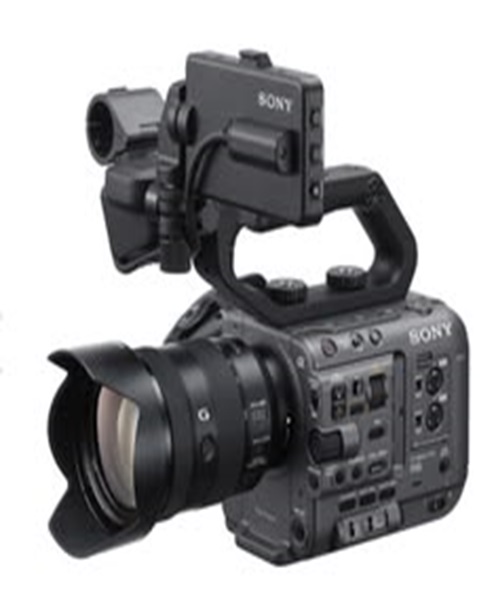
A cinema camera is a professional video production tool designed for filmmakers and cinematographers who require greater creative control over the way moving images are captured. It is used in film production, documentaries, commercials, music videos, television projects, branded content and other productions where image quality, colour control, lens selection and post-production flexibility are important.
Unlike a conventional camcorder, which often combines an integrated lens and recording system in one body, many cinema cameras are designed around a more modular production workflow. They may support interchangeable lenses, professional recording formats, external monitors, specialised camera accessories and advanced image controls. The exact capabilities depend on the camera model and its configuration.
Canon Global+1
At Janeson Rentals, we provide cinema camera hire and rental services in Nairobi for filmmakers, production companies, creative agencies, businesses and event organisers across Kenya. Whether you are preparing a short film, shooting a commercial, producing a documentary or creating cinematic content for a brand, hiring a suitable cinema camera can give your production access to professional filming equipment without the expense of purchasing a complete camera system.
Choosing the right cinema camera involves more than selecting a high-resolution recording option. Sensor performance, lens compatibility, dynamic range, colour science, recording formats, frame rates, audio connections and post-production requirements all influence the final result.
What Is a Cinema Camera?
A cinema camera is a digital video camera designed primarily for professional filmmaking and advanced video production. It captures moving images using an image sensor and processes the captured information into video files that can be recorded and edited.
Cinema cameras are designed to give filmmakers control over visual storytelling. They may provide advanced exposure controls, professional codecs, high-quality colour sampling, log recording profiles, RAW recording options and support for interchangeable lenses.
Depending on the model, a cinema camera may include:
-
A large image sensor.
-
Interchangeable lens mount.
-
Professional video recording formats.
-
Manual exposure controls.
-
Logarithmic recording profiles.
-
High frame-rate recording options.
-
External monitor connections.
-
Timecode and synchronisation features.
-
Professional audio connections.
-
Multiple media and power options.
These features are not universal. Some cinema cameras are compact and lightweight, while others are larger production systems designed for extensive rigging and professional crew workflows.
Why Hire a Cinema Camera Instead of Buying?
Cinema camera equipment can involve a substantial investment, particularly when the production requires multiple lenses, batteries, media, monitoring equipment and support accessories.
For filmmakers and production companies handling occasional projects, renting can be a more practical option.
Cost-Effective Access to Professional Filmmaking Equipment
Hiring allows you to access a cinema camera for the duration of your production without purchasing an entire camera system.
This is useful for independent filmmakers, commercial production teams, agencies and businesses that need professional video equipment for specific assignments.
Rather than committing to a permanent purchase, you can arrange equipment around your production schedule and requirements.
Flexibility for Different Creative Projects
A documentary may require a lightweight camera configuration for location filming, while a commercial production may need a cinema camera with specialised lenses, monitoring and lighting accessories.
Rental allows you to plan equipment around the creative direction of each project.
Access to Suitable Camera Configurations
Cinema cameras are often used with different lenses and accessories depending on the production. Hiring provides an opportunity to discuss the camera body and supporting equipment needed for a particular shoot.
The camera, lens mount and accessories must be compatible, so it is important to confirm the required configuration before booking.
Reduced Storage and Maintenance Responsibilities
Professional camera systems require appropriate storage, careful handling, battery management and regular equipment checks. Renting can reduce the need to maintain a permanent inventory for occasional filming projects.
Practical for Independent Filmmakers
Independent filmmakers may work on several projects with different technical and creative requirements. Hiring a cinema camera can help them access suitable equipment for a particular production without taking on the long-term cost of ownership.
Applications of Cinema Cameras in Kenya
Cinema cameras are used across different areas of professional filmmaking and content production.
Film and Movie Production
Cinema cameras are designed to support the creative requirements of narrative filmmaking. They can be used for short films, feature films, student productions, independent movies and other scripted projects.
Filmmakers can select lenses, framing, exposure settings and recording formats to achieve the visual style required by the story.
A cinema camera may also provide greater flexibility during colour grading when the selected recording format captures sufficient image information for the intended post-production process.
Commercial and Advertising Production
Businesses and advertising agencies use professional video production to communicate brand messages, promote products and create promotional campaigns.
Cinema cameras can be used to produce product advertisements, brand films, television commercials and online promotional videos.
A production may require close-up product shots, controlled lighting, carefully composed interviews and cinematic movement. The choice of camera and lens should support the creative concept.
Music Videos
Music videos often combine performance footage, artistic visuals, movement, lighting effects and creative editing.
Cinema cameras can support these productions by providing control over exposure, frame rates, lens selection and colour profiles.
Depending on the project, filmmakers may use different lenses to create wide performance shots, close-up portraits and detailed visual sequences.
Documentary Filmmaking
Documentaries often involve filming people, locations, interviews and real-world activities. A cinema camera can provide the image quality and recording flexibility needed for professional documentary production.
The best camera configuration depends on whether the production involves controlled interviews, handheld location filming, long recording sessions or a combination of different shooting environments.
Corporate Films and Brand Storytelling
Companies may commission corporate films to introduce their organisations, showcase their work, communicate achievements or explain their services.
A cinema camera can support professional interviews, office footage, industrial filming, product demonstrations and promotional storytelling.
Fashion Films and Creative Productions
Fashion campaigns, designer showcases, editorial videos and runway-related productions may require a camera system capable of capturing movement, detail, texture and visual atmosphere.
Cinema cameras can be used to create promotional fashion films, behind-the-scenes content, designer interviews and creative brand campaigns.
The production team should select appropriate lenses and recording settings according to the desired visual style and movement of the subjects.
Documentary and Tourism Content
Kenya offers varied filming environments, from urban locations and commercial spaces to landscapes and wildlife settings. Cinema cameras can support professional documentary and tourism productions that require detailed visual storytelling.
For outdoor filming, the camera setup should account for weather, dust, movement, available power, storage and transport requirements. Wildlife filming may also require specialised telephoto lenses and suitable support equipment.
Important Features to Consider When Hiring a Cinema Camera
Selecting a cinema camera requires careful consideration of the production’s technical and creative requirements.
Image Sensor Size
The image sensor plays an important role in determining image characteristics, low-light performance, depth-of-field potential and lens compatibility.
Cinema cameras are available with different sensor formats, including Super 35 and full-frame options. Larger sensors can offer different framing and depth-of-field characteristics when paired with suitable lenses.
However, a larger sensor is not automatically the best choice for every production. The filmmaker should consider the desired visual style, lens availability, camera movement and final delivery requirements.
Recording Resolution
Cinema cameras support different recording resolutions depending on the model. Common professional formats include 4K and higher-resolution options.
Higher resolution can provide additional flexibility when cropping, reframing or producing high-resolution deliverables. It also creates larger files and may require more storage capacity and processing power.
The ideal resolution should be selected according to the production’s intended distribution platform and editing workflow.
Dynamic Range
Dynamic range describes the range of brightness levels a camera can capture, from darker areas to brighter highlights while retaining useful image detail.
This can be particularly important in scenes with challenging lighting, such as outdoor filming under strong sunlight or interiors containing bright windows and shadowed areas.
A camera’s actual dynamic-range performance depends on the sensor, recording mode, exposure and processing. The production team should evaluate the available recording options rather than relying on a headline specification alone.
Colour Science and Log Recording
Cinema cameras may provide log recording profiles and other colour-management options designed to support professional post-production.
Log footage is recorded with a different tonal and contrast appearance from a standard ready-to-view image. It is intended to preserve useful image information for grading when correctly exposed and processed.
The editing team should understand the camera’s colour workflow before filming. Incorrect exposure or an unsuitable conversion process can make grading more difficult.
RAW and Professional Recording Formats
Some cinema cameras support RAW recording, while others offer professional compressed formats or a combination of recording options.
RAW recording can preserve extensive image information for post-production, but it may require significant storage and processing resources.
Compressed formats can offer a more manageable workflow, depending on the production’s needs.
The camera’s codec, bit depth, colour sampling and supported media should be considered together.
Frame Rates and Slow Motion
Frame rate determines how many frames are recorded each second. Different projects may require different frame rates for standard motion, slow motion or specialised production effects.
For example, a filmmaker producing a dramatic sequence may want slow-motion footage, while an interview may require a conventional frame rate suitable for the final delivery format.
Check which resolutions and recording formats are supported at the desired frame rates. A camera may offer different limits depending on its selected mode.
Lens Mount and Interchangeable Lenses
One of the important advantages of many cinema cameras is the ability to use interchangeable lenses.
Lens choice influences framing, perspective, depth of field and the visual character of a production.
Depending on the camera mount and available adapters, a production may use:
-
Wide-angle lenses for landscapes and establishing shots.
-
Standard lenses for general filming and interviews.
-
Portrait lenses for close-up subjects.
-
Telephoto lenses for distant subjects.
-
Macro lenses for detailed product shots.
-
Cinema prime lenses for controlled focal lengths and creative image rendering.
-
Cinema zoom lenses for flexible framing during production.
Lens compatibility must be confirmed before booking. Not every lens fits every camera body, and adapters do not guarantee that all electronic or mechanical functions will operate correctly.
Audio Connections
Cinema cameras may include professional audio inputs or require an external audio recording arrangement, depending on the model.
For productions involving dialogue, interviews or location sound, suitable microphones and recording equipment are essential.
Before filming, check the available audio connections, input levels, microphone power requirements and monitoring options. Where audio is recorded separately, the production may also require timecode or another synchronisation method.
Cinema Camera vs Professional Camcorder
Although both cameras record professional video, they serve different production priorities.
A professional camcorder commonly combines an integrated lens, recording system and operational controls in one unit. It is often convenient for event coverage, interviews, documentaries and situations requiring fast setup and continuous operation.
A cinema camera is generally more modular and gives filmmakers greater flexibility over lenses, image capture and post-production. It may require additional accessories such as a monitor, lens support, external audio equipment, batteries and a camera rig.
For example, a conference videographer who needs to record a speaker from a distance may prefer a professional camcorder with a suitable integrated zoom lens. A filmmaker producing a commercial may prefer a cinema camera with interchangeable lenses and a specific colour-grading workflow.
The right choice depends on the production rather than the camera category alone.
Canon Global+2
Cinema Camera Accessories and Supporting Equipment
A cinema camera is often only one component of a complete filmmaking setup. The accessories required depend on the camera model and production style.
Common supporting equipment includes:
-
Cinema lenses: Provide the focal lengths and optical characteristics required for different shots.
-
Camera rigs: Support accessories and provide mounting points for production equipment.
-
External monitors: Allow the camera operator, director or focus puller to review the image.
-
Tripods: Provide stable support for interviews, product shots and static scenes.
-
Camera stabilisers: Support controlled movement during handheld or moving shots.
-
Follow-focus systems: Help operators control lens focus precisely.
-
External recorders: Provide additional recording options where supported.
-
Camera batteries: Supply power for the camera and compatible accessories.
-
Memory cards and recording media: Store footage in the formats supported by the camera.
-
Wireless video transmitters: Send compatible camera feeds to external monitors.
-
Professional microphones: Capture dialogue, interviews and environmental sound.
-
Audio recorders: Support separate audio recording when required.
-
LED lighting equipment: Provides controlled illumination for interviews, commercials and creative scenes.
The complete setup should be planned around the camera’s connections, power requirements and mounting options.
Planning a Cinema Camera Production
Before hiring a cinema camera, establish the creative and technical requirements of the production.
Start with the type of project. A short film, commercial, documentary and music video may all require different camera configurations.
Next, determine the intended image format and delivery resolution. This will help establish suitable recording settings, storage requirements and post-production needs.
Plan the lens selection carefully. Consider the filming locations, subject distance, desired framing and amount of movement in each scene.
Lighting should also be considered. Even a high-end cinema camera cannot replace appropriate lighting design. Indoor interviews, product shoots and dramatic scenes may require controlled lighting to achieve the intended look.
Test the camera before the shoot. Confirm that the recording media is compatible, batteries are ready, lenses operate correctly and the selected recording format works with the editing workflow.
For productions involving dialogue, arrange microphone placement and audio monitoring. If sound is recorded separately, establish a synchronisation process before filming begins.
Finally, plan how the footage will be transferred, backed up and edited. Cinema footage can create large files, so sufficient storage and a reliable backup process are important.
Why Choose Janeson Rentals for Cinema Camera Hire in Kenya?
Janeson Rentals provides event equipment hire and rental solutions in Nairobi for filmmakers, production teams, businesses and creative professionals.
We understand that cinema camera rental is about more than obtaining a camera body. Lens compatibility, recording formats, monitoring, lighting, sound and power all contribute to a successful production.
Whether you are preparing a commercial, documentary, short film, music video, fashion production or corporate brand film, you can contact Janeson Rentals to discuss your camera hire requirements and establish the appropriate equipment arrangement, subject to availability.
Our Nairobi-based services support clients planning productions across Kenya. We aim to help organisers and production teams plan their equipment requirements according to the demands of each project.
Book a Cinema Camera for Hire and Rental in Nairobi
Planning a film, commercial, documentary, music video or professional video production? Contact Janeson Rentals to enquire about cinema camera hire and rental in Kenya.
When making your enquiry, provide the filming dates, production location, preferred recording resolution, lens requirements, audio needs and expected shooting duration. These details help determine the most suitable camera configuration for your project.
Choose Janeson Rentals for cinema camera hire and rental in Nairobi, with equipment rental services available to clients across Kenya.