Condenser Microphone Hire & Rental in Kenya
High-quality audio recording begins with choosing the right microphone. Whether you are recording vocals in a studio, capturing a choir, producing a podcast or recording musical instruments, the microphone plays an important role in the clarity and detail of the final sound. A condenser microphone is a popular option for applications that require detailed audio capture and sensitivity to subtle sound variations.
Janeson Rentals offers condenser microphone hire and rental in Kenya for musicians, recording studios, content creators, churches, filmmakers, production companies, event organisers and audio professionals. Renting a condenser microphone allows you to access suitable recording equipment for a specific project without necessarily investing in a microphone that may only be needed occasionally.
Condenser microphones are widely used in music production, voice recording, broadcasting, instrument recording and choir applications. Depending on the design, they can capture a broad range of sound details, making them useful in controlled recording environments as well as selected live sound applications.
What Is a Condenser Microphone?
A condenser microphone is a microphone that uses an electrically charged capacitor arrangement to convert sound waves into an electrical audio signal. It contains a diaphragm and backplate that respond to changes in air pressure created by sound.
When sound reaches the diaphragm, its movement changes the electrical capacitance within the microphone, producing an audio signal. Condenser microphones generally require an electrical power source to operate. Many professional studio condenser microphones receive phantom power, commonly supplied by a compatible audio mixer, preamp or audio interface. Other models may use batteries or a dedicated power arrangement.
Condenser microphones are available in different designs, including large-diaphragm and small-diaphragm models. Large-diaphragm condenser microphones are commonly used for vocals, voice-overs and certain instruments, while small-diaphragm models are often considered for acoustic instruments, overhead recording and detailed sound capture.
The best microphone depends on the recording environment, source material, equipment compatibility and intended result.
Benefits of Condenser Microphone Hire
One of the main reasons audio professionals choose condenser microphones is their ability to capture detailed sound. They can reproduce subtle vocal expressions, instrumental textures and acoustic details, making them useful for recording applications where clarity is important.
Another benefit is their versatility. Depending on the model and design, a condenser microphone can be used for vocals, spoken-word recordings, acoustic guitar, piano, percussion, choir recording and other audio sources.
Condenser microphones are also useful for voice-over work and podcast production. A suitable studio condenser microphone can capture a speaker’s voice with detail and presence when used in an appropriate recording environment.
Hiring gives clients access to different microphone options depending on the project. A vocalist may need a large-diaphragm condenser microphone, while a recording engineer working with acoustic instruments may prefer a small-diaphragm model. Renting makes it possible to select equipment according to the specific recording task.
Applications of Condenser Microphones
Studio vocal recording: Condenser microphones are frequently used to record singers because they can capture vocal detail, tone and expression. The choice of microphone should complement the singer’s voice and the recording environment.
Podcast production: Presenters and interviewers can use suitable condenser microphones in controlled recording spaces to capture clear spoken audio.
Voice-over recording: Narrators, advertisers and video producers may use condenser microphones to record scripts, commercials, documentaries and corporate narration.
Choir recording: Condenser microphones can capture the combined sound of several singers when positioned appropriately. Stereo arrangements may be used depending on the choir and recording approach.
Acoustic instruments: Certain condenser microphones are suitable for recording acoustic guitars, pianos, strings and other instruments that produce detailed sound.
Drum overhead recording: Small-diaphragm condenser microphones are often used as overhead microphones to capture cymbals and the overall sound of a drum kit.
Film and video production: Suitable condenser microphones can be used in controlled recording setups for dialogue, narration and other production audio.
Live performances: Some condenser microphone designs are suitable for stage applications, although microphone selection must account for feedback, handling and environmental noise.
Choosing the Right Condenser Microphone
Selecting a condenser microphone requires consideration of the recording source and the intended application.
The first factor is diaphragm size. Large-diaphragm condenser microphones are popular for studio vocals, narration and spoken-word recording. Small-diaphragm condenser microphones are often selected for acoustic instruments, overheads and stereo recording. Neither type is automatically better; the choice depends on the sound source and recording objective.
The second consideration is polar pattern. A cardioid microphone primarily captures sound from the front and is useful for isolating a source in many recording situations. Omnidirectional microphones capture sound from a wider range of directions, while other patterns may be useful for specific recording arrangements. The available patterns depend on the microphone model.
Power requirements must also be checked. Many professional condenser microphones require phantom power from a compatible mixer, audio interface or preamp. Confirm that the equipment being used can supply the required power before connecting the microphone.
The connection type is another important factor. Some condenser microphones use professional XLR connections, while other designs may have different output arrangements. Ensure that the microphone can connect to the available recording equipment.
Finally, consider the recording environment. Condenser microphones can be sensitive to background noise, room reflections and unwanted sounds. A quiet, acoustically suitable space can help achieve better results.
Condenser Microphones for Studio Recording
Studio recording is one of the most common applications for condenser microphones. Singers, voice-over artists, podcasters and instrumentalists often use them to capture detailed audio for later editing and mixing.
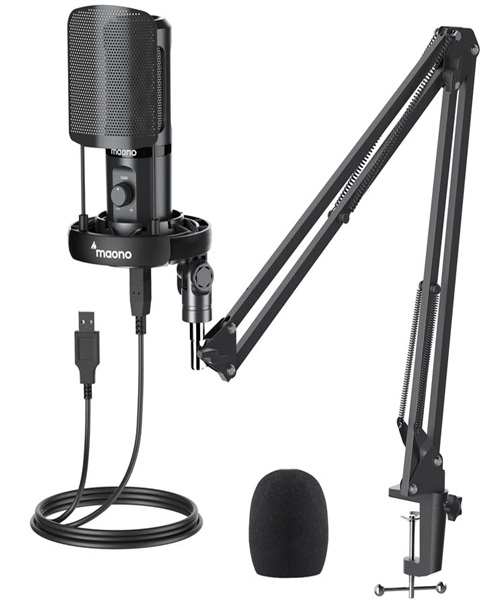
A typical recording arrangement may include a condenser microphone, microphone stand, pop filter, XLR cable, audio interface or mixer, headphones and a computer running recording software.
The microphone should be positioned according to the sound source and the manufacturer’s recommendations. For vocal recording, a pop filter can help reduce plosive sounds caused by bursts of air from certain speech sounds. The microphone stand should be stable, and the cable should be arranged to avoid accidental movement.
Input gain should be adjusted carefully. If the recording level is too high, the signal may distort. If it is too low, the recording may require excessive amplification during editing. A sound check helps establish a suitable recording level before the session begins.
Condenser Microphones for Choirs and Live Events
Condenser microphones can be useful when capturing group vocals, particularly in choir recordings and selected live performances. Their placement is important because they may pick up both the intended voices and sounds from the surrounding environment.
For choir recording, microphones may be placed in front of the singers or in a suitable overhead arrangement. The distance and angle should be adjusted to capture a balanced blend of voices. The sound technician should consider the choir’s arrangement, room acoustics and other instruments.
In live events, microphone positioning must also account for the PA speakers. Placing a sensitive microphone too close to loudspeakers can increase the risk of feedback. A suitable microphone arrangement and careful gain management are therefore essential.
Condenser Microphones and Compatible Equipment
A condenser microphone is usually part of a wider audio recording or sound reinforcement setup. Depending on the model, the equipment may require:
-
A compatible audio mixer or audio interface.
-
An XLR microphone cable or appropriate connector.
-
A stable microphone stand.
-
A pop filter or windscreen where suitable.
-
Phantom power or another specified power source.
-
Headphones or monitoring speakers.
-
Recording software and a computer for studio work.
Before hiring, confirm the microphone’s power requirements, connection type and intended use. Not every condenser microphone is suitable for every recording device or live sound system.
Proper Handling and Maintenance
Condenser microphones should be handled carefully because their internal components can be sensitive. Avoid dropping the microphone, exposing it to moisture or storing it without suitable protection.
Keep the microphone away from unnecessary handling noise and use an appropriate stand whenever possible. During vocal recording, position a pop filter where recommended to reduce plosive sounds and protect the microphone from direct bursts of air.
The microphone should be disconnected carefully, with attention paid to the cable and connector. Where phantom power is used, follow the equipment manufacturer’s recommended connection and disconnection procedure to reduce the risk of unwanted electrical pops.
Why Hire Instead of Buying a Condenser Microphone?
Professional condenser microphones are available in different designs and price categories. Purchasing one may not be practical for a client who needs a particular microphone for a short recording project or occasional event.
Hiring allows musicians, churches, content creators and production companies to access suitable equipment for the required period. It also makes it easier to select a microphone based on the sound source instead of relying on one microphone for every application.
Rental can be especially useful for recording sessions, choir productions, corporate voice-overs and music events where additional microphones are required temporarily.
Why Choose Janeson Rentals?
Janeson Rentals provides event and audio equipment hire and rental solutions for clients across Kenya. We understand that recording and live sound projects have different technical requirements, and choosing a suitable microphone is an important part of planning.
When enquiring about condenser microphone hire, clients can share the intended application, recording equipment, number of microphones and project location. This helps establish the required microphone type and any additional accessories that may be necessary.
Clients can consider Janeson Rentals for:
-
Condenser microphone hire for recording and production.
-
Audio equipment rental for music and corporate projects.
-
Microphone options for vocals, instruments and choir recording.
-
Assistance in identifying compatible audio accessories.
-
Rental arrangements based on project dates and requirements.
-
Nairobi-based coordination, with delivery arrangements across Kenya subject to confirmation.
Book Condenser Microphone Hire in Kenya
Whether you are recording vocals, producing a podcast, capturing a choir or working on an instrument recording project, Janeson Rentals can help you enquire about suitable condenser microphone rental options.
Contact Janeson Rentals with your project date, intended use, recording equipment and number of microphones required. Confirm the microphone model, power requirements, accessories, availability and rental terms before booking.