Digital Signal Processor Hire & Rental in Kenya
Modern professional sound systems require precise audio control to deliver clear, balanced and consistent sound. Whether you are organising a live concert, corporate conference, church service, outdoor festival, wedding reception or large entertainment production, managing the sound system correctly is essential. A professional audio setup may involve several speakers, subwoofers, amplifiers, microphones and mixing consoles, all of which must work together effectively.
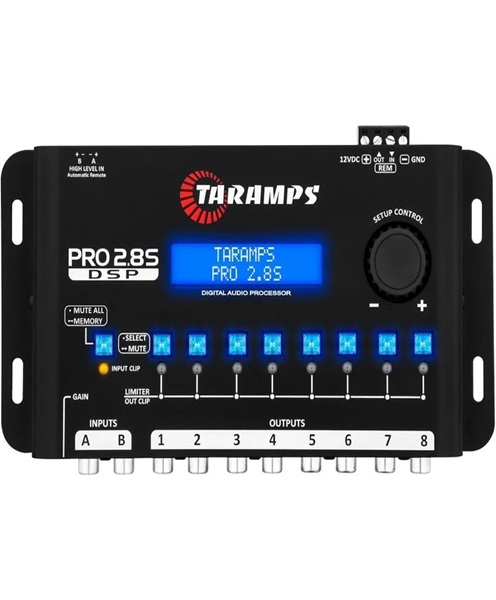
A Digital Signal Processor, commonly known as a DSP, is an important piece of equipment used to manage and optimise audio signals. It provides sound engineers with tools for controlling different aspects of sound reproduction, including equalisation, crossover frequency distribution, signal delay, limiting and other processing functions.
At Janeson Rentals, we provide Digital Signal Processor hire and rental solutions in Kenya for event organisers, sound engineers, production companies, DJs, churches and corporate clients. Whether you are preparing a small professional audio setup or managing a complex sound reinforcement system, a suitable DSP can help you control how audio signals are processed before reaching the loudspeakers.
Digital signal processors are widely used in professional PA systems because they provide greater control over the behaviour of individual speakers and audio channels. Instead of relying entirely on separate analogue processors, a DSP can combine several audio processing functions within one digital unit.
For example, a sound engineer may use a DSP to divide audio frequencies between subwoofers and main speakers, adjust the equalisation of each output, introduce signal delay to improve speaker alignment and apply limiting to manage excessive signal levels.
Through Janeson Rentals, clients can enquire about Digital Signal Processor hire in Nairobi and across Kenya for different event production requirements.
What Is a Digital Signal Processor?
A Digital Signal Processor is an electronic device designed to process digital audio signals using specialised algorithms. In professional sound production, DSP equipment is used to modify, control and optimise audio before it reaches amplifiers, loudspeakers or other connected devices.
Unlike a basic audio processor that performs one specific function, many professional DSP units combine multiple processing tools in a single device.
Depending on the model, a DSP may include:
-
Parametric equalisation.
-
Graphic equalisation.
-
Active crossover processing.
-
Signal delay.
-
Audio limiting.
-
Compression.
-
High-pass and low-pass filters.
-
Input and output routing.
-
Speaker management functions.
-
Preset storage and recall.
-
Remote configuration and monitoring.
These features make DSP equipment particularly useful in complex sound reinforcement systems.
For example, a large outdoor concert may use several subwoofers and full-range speakers positioned in different locations. The sound engineer can use a DSP to manage the frequency distribution, equalisation and delay settings for each speaker group.
The purpose is to make the different system components work together as effectively as possible while maintaining appropriate signal levels.
Why Digital Signal Processors Are Important in Professional Audio Production
A Digital Signal Processor gives sound engineers greater control over the audio signal before it reaches the audience. This is particularly important when a production uses multiple loudspeakers, different speaker types and several amplification channels.
One major advantage is system optimisation. A DSP allows the engineer to adjust individual outputs according to the characteristics of the connected loudspeakers.
Another advantage is frequency management. Built-in crossover functions allow the signal to be divided into different frequency bands and directed to the appropriate speaker components. This is useful in systems where subwoofers and top speakers operate separately.
DSP equipment also supports equalisation. Sound engineers can adjust selected frequencies to address tonal imbalances and improve the overall sound response.
Signal delay is another important function. In larger venues, sound from speakers positioned at different distances may reach the audience at different times. A DSP can introduce controlled delay to selected outputs to improve timing alignment between system components.
Additionally, built-in limiting functions can help manage excessive signal peaks. When correctly configured, these functions can provide an additional layer of loudspeaker system protection.
Digital Signal Processor Hire for Concerts and Live Music Events
Live concerts involve demanding audio requirements. Performances may include multiple vocal microphones, drum kits, bass guitars, keyboards, playback systems and several loudspeaker groups.
A Digital Signal Processor can help sound engineers manage the different components of a professional concert PA system.
For example, a concert may use subwoofers for low-frequency reproduction and full-range speakers for the main audience coverage. The DSP can separate the frequencies, apply the appropriate equalisation and configure output delays where required.
If additional speaker groups are used, the processor can help manage their individual settings according to the system design.
Digital signal processor rental may be useful for:
-
Live music concerts.
-
Outdoor music festivals.
-
Gospel music performances.
-
Church concerts.
-
Band performances.
-
University entertainment events.
-
Cultural festivals.
-
Corporate live entertainment.
-
Large stage productions.
A well-configured DSP can help improve consistency across the sound system. However, successful results also depend on correct loudspeaker placement, suitable equipment selection, room or venue acoustics and competent system tuning.
Digital Signal Processor Rental for DJ Events and Parties
DJ events often require sound systems capable of reproducing powerful bass, clear vocals and detailed high-frequency content. Depending on the venue and audience size, the system may include multiple subwoofers, main speakers, amplifiers and additional speaker zones.
A Digital Signal Processor helps manage these components by providing control over crossover frequencies, equalisation, delay and output levels.
For example, during a large wedding reception, the DJ may require strong bass reproduction without allowing the low frequencies to overpower vocals and other musical elements. The DSP can be configured to distribute frequencies between subwoofers and top speakers appropriately.
For outdoor parties, additional speakers may be positioned at different points around the venue. Delay settings can help coordinate sound arrival times where the system design requires it.
Janeson Rentals provides equipment hire solutions for different entertainment events, including:
-
Wedding receptions.
-
Birthday parties.
-
Graduation celebrations.
-
Corporate entertainment.
-
Outdoor DJ performances.
-
Private parties.
-
Music festivals.
-
Brand activation events.
-
University entertainment functions.
-
Large social gatherings.
When hiring a DSP for a DJ event, it is important to provide information about the speaker configuration, amplifier channels and venue layout. This helps determine the appropriate processing requirements.
Digital Signal Processor Hire for Churches and Worship Centres
Church sound systems often need to support a wide range of activities, including preaching, worship music, choir performances, announcements, presentations and special events.
A Digital Signal Processor can help manage the sound system by providing centralised control over speaker outputs and audio processing settings.
For example, a church may use separate subwoofers and main speakers to reproduce music and speech. A DSP can help configure crossover points so that low frequencies are directed to the subwoofers while the top speakers reproduce the remaining frequency range.
Equalisation can also be used to adjust the tonal characteristics of different outputs. Delay processing may be useful in venues where additional speakers are positioned further away from the main stage.
Digital signal processor hire may support:
-
Sunday worship services.
-
Church conferences.
-
Gospel concerts.
-
Worship nights.
-
Choir performances.
-
Prayer conventions.
-
Church anniversaries.
-
Religious celebrations.
-
Outdoor ministry events.
A properly configured DSP helps the sound engineer manage the system consistently across different programmes.
Digital Signal Processor Rental for Corporate Events and Conferences
Corporate conferences require sound systems that can reproduce speeches, presentations, panel discussions and entertainment clearly. Larger corporate productions may use several speaker zones to distribute audio across conference halls, exhibition spaces and outdoor venues.
A Digital Signal Processor can help coordinate these speaker systems by controlling output levels, equalisation, delay and other processing functions.
For example, a conference hall may have main speakers positioned near the stage and additional loudspeakers covering the rear seating area. A DSP can be used to introduce suitable delays to the additional speakers so that sound reaches the audience in a more coordinated manner.
Digital signal processor rental can support:
-
Corporate conferences.
-
Business seminars.
-
Product launches.
-
Awards ceremonies.
-
Annual general meetings.
-
Government events.
-
Exhibition productions.
-
Training workshops.
-
Large corporate meetings.
-
Outdoor business functions.
The processor should be configured according to the room layout, speaker positions and sound system requirements.
Key Functions of a Digital Signal Processor
Digital signal processors offer several important functions that help sound engineers manage professional audio systems.
Parametric Equalisation
Parametric equalisation allows sound engineers to adjust selected frequency ranges using controls such as frequency, gain and bandwidth or Q factor.
This can help address tonal imbalances and shape the frequency response of individual speaker outputs.
Graphic Equalisation
Some DSP units provide graphic equalisation, allowing adjustment of predefined frequency bands. This can help technicians make broader tonal corrections within a sound system.
Crossover Processing
A DSP can divide an audio signal into different frequency ranges and route them to the appropriate loudspeaker components.
This is particularly useful in systems that use separate subwoofers, midrange drivers and high-frequency speakers.
Signal Delay
Signal delay allows sound engineers to adjust the timing of audio signals sent to different speakers.
This is useful in large venues where additional loudspeakers may be positioned at varying distances from the main stage or audience.
Limiting
A limiter function helps control excessive signal peaks by reducing signals that exceed a selected threshold. When configured according to the speaker and amplifier specifications, this can provide additional system protection.
Compression
Some DSP systems include compression functions that reduce dynamic range. This can help manage variations in signal levels in certain applications.
High-Pass and Low-Pass Filters
High-pass filters allow frequencies above a selected point to pass while reducing lower frequencies. Low-pass filters allow frequencies below a selected point to pass while reducing higher frequencies.
These filters are useful for controlling the frequency content sent to different speaker components.
Preset Storage
Many DSP units allow sound engineers to save and recall configurations. This can be useful when a system is used repeatedly for different events or venue arrangements.
Types of Digital Signal Processors Used in Professional Sound Systems
Different DSP designs are available for professional audio applications.
Loudspeaker Management Processors: These are designed specifically to manage PA systems. They commonly provide crossover functions, equalisation, delay and limiting for loudspeaker outputs.
Multi-Channel DSP Units: These processors offer multiple inputs and outputs, making them suitable for more complex sound systems with several speaker groups.
Rack-Mounted Digital Signal Processors: Rack-mounted units are commonly used in professional event production because they can be integrated into equipment racks alongside amplifiers and other audio processors.
Integrated DSP Amplifiers: Some professional power amplifiers include built-in digital signal processing. These systems can provide crossover, equalisation, limiting and other functions without requiring a separate processor for every task.
Software-Controlled DSP Systems: Certain processors allow configuration through dedicated computer software or network connections. This can make it easier for sound engineers to adjust settings and monitor system performance.
The correct type depends on the number of audio channels, loudspeaker arrangement, processing requirements and available connections.
Digital Signal Processor and Other Audio Equipment
A DSP works alongside several other sound system components.
Digital Signal Processor and Audio Crossover: A DSP may include crossover functionality, allowing it to divide the signal into low, midrange and high-frequency bands.
Digital Signal Processor and Audio Limiter: Limiting functions can help control excessive signal peaks before they reach the loudspeakers.
Digital Signal Processor and Audio Equalizer: Equalisation allows sound engineers to adjust the frequency response of different speaker outputs.
Digital Signal Processor and Amplifiers: A DSP commonly operates before the power amplifiers in an active loudspeaker configuration. Its outputs feed the corresponding amplifier channels.
Digital Signal Processor and Subwoofers: The processor helps manage low-frequency signals directed to subwoofers and coordinate them with the main speakers.
Digital Signal Processor and Mixing Consoles: The mixing console combines the audio sources, while the DSP manages processing and routing for the loudspeaker system. Some digital consoles also have built-in processing features, so the complete signal chain should be considered when planning equipment.
Choosing the Right Digital Signal Processor for Your Event
Selecting a suitable DSP requires understanding the size and technical design of your sound system.
The first consideration is the number of inputs and outputs. A simple PA setup may require fewer channels than a large concert system with several subwoofer and speaker groups.
You should also consider the processing functions required. If your production needs crossover management, equalisation, delay and limiting, choose a processor that provides the necessary functions.
Compatibility is another important factor. The DSP must work with the signal connections and levels of the mixing console, amplifiers and other equipment.
Other considerations include:
-
Number of DSP input and output channels.
-
Available crossover configurations.
-
Parametric and graphic equalisation options.
-
Delay adjustment capabilities.
-
Built-in limiting and compression.
-
Preset storage and recall.
-
Remote control and monitoring features.
-
Compatibility with the loudspeaker system.
-
Available connection types.
-
The technical expertise available for configuration.
For larger productions, it is advisable to have an experienced sound engineer configure and test the processor before the event begins.
Why Choose Janeson Rentals for Digital Signal Processor Hire in Kenya?
Janeson Rentals provides event equipment hire and rental solutions for clients organising concerts, conferences, corporate functions, church events, weddings and entertainment productions in Kenya.
When your production requires a Digital Signal Processor, you can enquire with Janeson Rentals about suitable audio processing equipment and complementary sound system components.
Reasons to choose Janeson Rentals include:
Professional event equipment solutions: We support different types of productions, from corporate conferences and private functions to concerts and large entertainment events.
Kenya-focused rental services: Based in Nairobi, Janeson Rentals serves customers looking for event equipment hire in Nairobi and across Kenya.
Complementary audio equipment: You can enquire about PA systems, subwoofers, full-range speakers, power amplifiers, mixing consoles, audio crossovers, equalizers, compressors and limiters.
Flexible equipment rental: Hiring allows event organisers and production companies to access specialist equipment for specific projects without investing in every device permanently.
Convenient equipment sourcing: Coordinating related audio equipment through one rental provider can simplify equipment planning and preparation.
We encourage clients to share their technical requirements so that suitable equipment can be identified for each production.
Book a Digital Signal Processor for Hire and Rental in Kenya
Are you organising a concert, conference, church event, wedding reception or professional sound production that requires advanced audio processing?
Janeson Rentals can help you enquire about Digital Signal Processor hire and rental in Kenya.
When requesting a quotation, provide your event date, venue, location and the type of sound system you intend to use. Include details about your speakers, subwoofers, amplifiers, mixing console and the number of DSP channels required, if known.
This information helps establish the appropriate processing requirements and whether additional equipment may be needed.
Contact Janeson Rentals today to enquire about Digital Signal Processor availability and complementary professional audio equipment for your next event.