DJ Mixer Hire & Rental in Kenya
Music plays an important role in creating the atmosphere at many events. From wedding receptions and birthday parties to corporate celebrations, concerts and club nights, a DJ helps manage the entertainment programme and keep guests engaged.
A DJ mixer is one of the central pieces of equipment used in DJ performance. It allows the DJ to control different music sources, adjust sound levels, balance frequencies and transition between tracks. Depending on the mixer, it may also provide effects, microphone inputs, headphone monitoring and other performance controls.
At Janeson Rentals, we provide event equipment hire and rental solutions for clients organising entertainment events across Kenya. DJ mixer hire is a convenient option for professional DJs, event planners, production companies and private clients who need suitable equipment for a particular function.
Whether you are planning a wedding, birthday celebration, corporate party, product launch, nightclub event or outdoor festival, the right DJ mixer can help deliver a smooth and organised music experience.
What Is a DJ Mixer?
A DJ mixer is an audio mixing device designed to control and combine music from different sources. It allows a DJ to manage two or more audio channels and transition between tracks while maintaining control over the overall sound.
A typical DJ mixer may include:
-
Channel volume faders.
-
Crossfader.
-
Channel gain controls.
-
High, mid and low-frequency EQ.
-
Headphone cue controls.
-
Master output controls.
-
Microphone inputs.
-
Audio input connections.
-
Effects controls on selected models.
-
Booth or monitor outputs on selected models.
The features vary depending on the mixer. Some DJ mixers are designed for straightforward two-channel setups, while professional models may offer additional channels, advanced effects and digital connectivity.
A DJ mixer is commonly used with turntables, media players, DJ controllers or other compatible audio sources. The exact setup depends on the equipment and the DJ’s preferred performance style.
How a DJ Mixer Works
A DJ mixer receives audio signals from connected music sources. These sources may include media players, turntables, DJ controllers or other compatible devices.
Each source is assigned to a channel. The DJ can adjust the channel’s volume and EQ to balance the sound. The crossfader or channel faders can then be used to transition between tracks.
For example, a DJ may play one track through the first channel while preparing another track through the second channel. Using headphones and cue controls, the DJ can preview the next track before bringing it into the main mix.
The mixer combines the selected audio sources and sends the output to the connected sound system.
This allows the DJ to create continuous music transitions without stopping playback between tracks.
Benefits of DJ Mixer Hire in Kenya
1. Smooth music transitions
A DJ mixer allows the operator to blend tracks and move between different music selections. This helps maintain continuity during an event.
2. Individual channel control
Each channel can be adjusted separately. This makes it easier to balance different audio sources and manage transitions.
3. Equalisation controls
EQ controls allow the DJ to adjust bass, midrange and high frequencies. These controls help shape the sound and create smoother transitions between tracks.
4. Headphone cueing
Cue functions allow the DJ to preview a track privately through headphones before playing it through the main speakers.
5. Performance flexibility
Depending on the model, a DJ mixer may support multiple audio sources, effects and microphone connections.
6. Professional event presentation
A suitable DJ mixer can help deliver a more controlled and organised performance for weddings, parties, corporate events and other entertainment functions.
7. Cost-effective access
Hiring a DJ mixer is practical for clients who need equipment for a specific event rather than permanent use.
Events That Benefit from DJ Mixer Rental
Weddings and wedding receptions
Music is an important part of wedding entertainment. A DJ may need to transition between background music, entrance songs, speeches, dinner music and dance tracks.
A DJ mixer provides the controls needed to manage different music sources and maintain the atmosphere throughout the celebration.
Birthday parties and private celebrations
Birthday parties, anniversaries, graduation celebrations and family gatherings often include a DJ or music entertainment. A suitable mixer helps the DJ manage tracks, adjust levels and create transitions.
Corporate parties and company celebrations
Corporate functions may include background music, award presentations, entertainment and dancing. A DJ mixer allows the entertainment team to manage music sources and maintain control over the audio.
Nightclub and lounge events
Nightclubs and entertainment venues require equipment that supports continuous DJ performances. DJ mixers allow performers to combine tracks, use cueing functions and manage the music programme.
Concerts and music festivals
DJs may perform alongside live musicians or other entertainers during concerts and festivals. A DJ mixer can provide the necessary channel control for music playback and transitions.
Product launches and brand activations
Brand activations may include promotional music, announcements and entertainment. A DJ mixer helps manage music sources and create transitions between programme sections.
School and university events
Dances, graduations, student celebrations and entertainment nights can benefit from DJ mixer hire. The mixer should be selected according to the DJ’s equipment and the event’s sound system.
Features to Consider When Hiring a DJ Mixer
The correct DJ mixer depends on the DJ’s setup and performance requirements.
Number of channels: Consider how many music sources will be connected. A two-channel mixer may be sufficient for a basic setup, while more complex performances may require additional channels.
Crossfader: The crossfader allows the DJ to transition between assigned channels. Its design and adjustability may be important for certain DJ styles.
Channel faders: Individual channel faders provide control over the volume of each source.
EQ controls: Check whether the mixer has the required frequency controls, such as high, mid and low EQ.
Headphone monitoring: Headphone outputs and cue controls are important for previewing tracks before bringing them into the main mix.
Input connections: Confirm that the mixer supports the required turntables, media players, controllers or other devices.
Output connections: Check that the mixer can connect to the event’s PA system, powered speakers or amplifier setup.
Microphone input: If the DJ needs to make announcements, confirm that the mixer has a suitable microphone input.
Effects: Some mixers include built-in effects such as filters, echo and other performance functions. Confirm which effects are available on the selected model.
USB and digital features: Certain mixers provide USB connectivity and digital integration. The exact functions vary and should be checked before booking.
DJ Mixer for Professional DJ Performances
Professional DJs often use a mixer as the central part of their performance setup. The mixer may be connected to two or more media players, turntables or compatible digital devices.
During a performance, the DJ uses headphones to cue the next track while the current track continues playing. The channel controls help balance the two sources, while the crossfader or individual faders allow the transition to take place.
EQ controls are particularly important when blending tracks. Adjusting bass, midrange and treble can help avoid sudden changes in frequency balance during transitions.
For a professional performance, the mixer should be compatible with the DJ’s playback equipment and familiar to the operator.
DJ Mixer for Weddings and Corporate Events
Weddings and corporate events often have changing entertainment requirements. A DJ may need to play background music during guest arrival, lower the music for speeches, introduce special songs and increase the energy during dancing.
A DJ mixer provides control over these changes.
If the event includes a separate microphone for announcements, the mixer or the wider sound system must provide a suitable microphone connection. The DJ should also coordinate with the event programme to avoid unwanted interruptions during speeches and presentations.
DJ Mixer Versus DJ Controller
A DJ mixer and a DJ controller are related but different types of equipment.
A DJ mixer primarily provides audio channel mixing and control. It is commonly used with external playback sources such as media players or turntables.
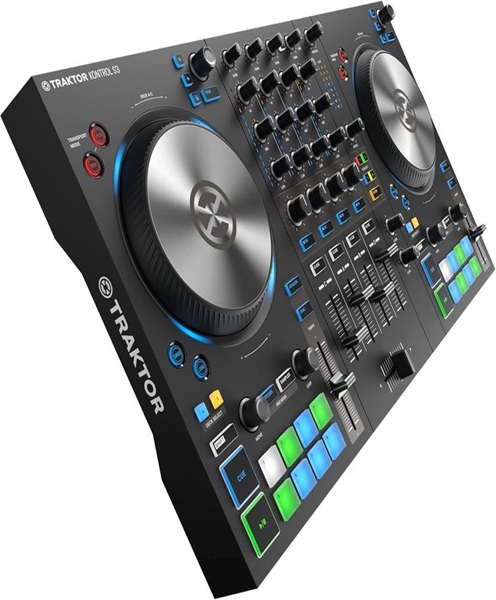
A DJ controller typically combines playback controls, jog wheels, performance pads and mixing functions in one device, often working with DJ software.
Some DJ setups use a standalone mixer with separate media players, while others use a controller with built-in mixing functions. The appropriate arrangement depends on the DJ’s equipment and preferred workflow.
When hiring a DJ mixer, confirm whether the DJ also needs separate playback devices, a controller, turntables or other accessories.
Connecting a DJ Mixer to a Sound System
A DJ mixer must be connected correctly to the event’s audio system.
A typical setup may include media players or turntables connected to the mixer’s input channels. The mixer’s main outputs then connect to powered speakers or an amplifier and passive speaker system.
Some setups also include subwoofers for low-frequency sound reinforcement. If the system uses separate outputs for different speaker components, the signal may pass through suitable processing equipment.
The DJ may also use booth monitors to hear the music clearly while performing.
Before the event, check the input and output connectors, cable types and signal levels. A soundcheck helps identify connection problems before guests arrive.
Safe Setup and Operation of a DJ Mixer
DJ mixers contain electronic components and audio connections that require careful handling.
-
Position the mixer on a stable DJ table or suitable equipment surface.
-
Keep drinks and liquids away from the equipment.
-
Check all cables and connectors before use.
-
Avoid pulling cables by their connectors.
-
Keep ventilation areas unobstructed.
-
Start with low output levels before connecting the PA system.
-
Avoid excessive gain and output levels that cause distortion.
-
Use suitable headphones for cue monitoring.
-
Protect the mixer from dust, rain and accidental impact.
-
Ensure the equipment is powered using an appropriate supply.
-
Allow the DJ or a competent technician to manage the connections.
The sound system should be tested before the event. The DJ should confirm that every channel, headphone output, microphone input and main output works as expected.
Why Rent a DJ Mixer Instead of Buying?
Purchasing DJ equipment may be expensive, particularly for people who only organise occasional entertainment events. Different DJs also have different equipment preferences, meaning one mixer may not suit every performance.
DJ mixer hire provides temporary access to the equipment required for a particular event. It can help event organisers avoid unnecessary purchases and storage requirements.
Rental is useful for private parties, weddings, corporate celebrations, school events and one-off entertainment productions.
Professional DJs may also enquire about temporary equipment when preparing for a specific performance or when their regular equipment is unavailable.
Why Choose Janeson Rentals for DJ Mixer Hire & Rental in Kenya?
Janeson Rentals provides event equipment hire and rental solutions for clients planning different types of events in Kenya.
1. Equipment for entertainment events
DJ mixers are useful for weddings, parties, corporate celebrations, concerts, festivals and other music-focused functions.
2. Support for different DJ setups
The required mixer depends on the playback equipment, number of channels and performance style. Clients can share these details when enquiring.
3. Coordination with PA equipment
A DJ mixer works alongside speakers, subwoofers, microphones, cables and other sound equipment. Planning the complete setup helps ensure that the components are compatible.
4. Convenient rental arrangements
Hiring allows clients to access a DJ mixer for a particular event without committing to permanent ownership.
5. Nairobi-based service
Janeson Rentals is based in Nairobi and serves clients organising events in Nairobi and other parts of Kenya. Delivery arrangements and equipment availability should be confirmed when booking.
How to Book a DJ Mixer from Janeson Rentals
To enquire about DJ mixer hire, provide the event date, venue, rental duration and type of event. Indicate whether the mixer will be used with turntables, media players, a DJ controller or another playback arrangement.
You should also specify whether the DJ needs a microphone input, headphone monitoring, booth outputs or additional channels.
If you are hiring speakers and other sound equipment as well, mention these requirements so that the full setup can be considered together.
Contact Janeson Rentals to confirm availability, equipment compatibility and rental arrangements.
Hire a DJ Mixer in Kenya from Janeson Rentals
Make your event entertainment setup more organised with DJ Mixer Hire & Rental in Kenya from Janeson Rentals. Whether you are preparing a wedding reception, birthday party, corporate celebration, concert, nightclub event or outdoor festival, a suitable DJ mixer provides essential controls for managing music and creating smooth transitions.
Contact Janeson Rentals to enquire about DJ mixer availability, rental rates and arrangements for your next event.