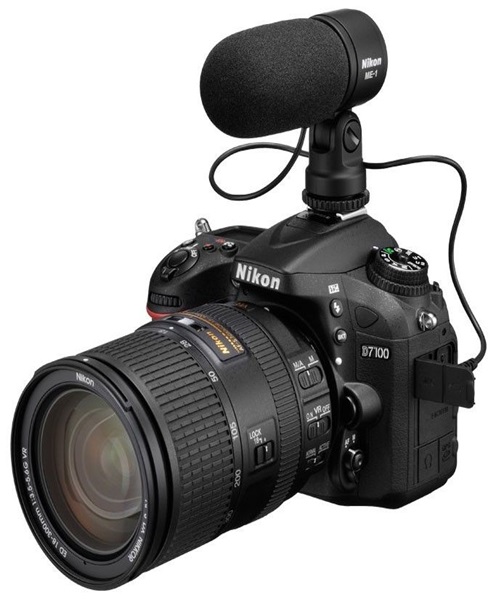
DSLR Video Camera Hire and Rental in Kenya
Professional video production requires a camera that can capture clear footage, support creative control and adapt to different filming environments. Whether you are recording a wedding, producing a corporate video, filming an interview, documenting an event or creating promotional content, choosing suitable equipment is essential to achieving the desired results.
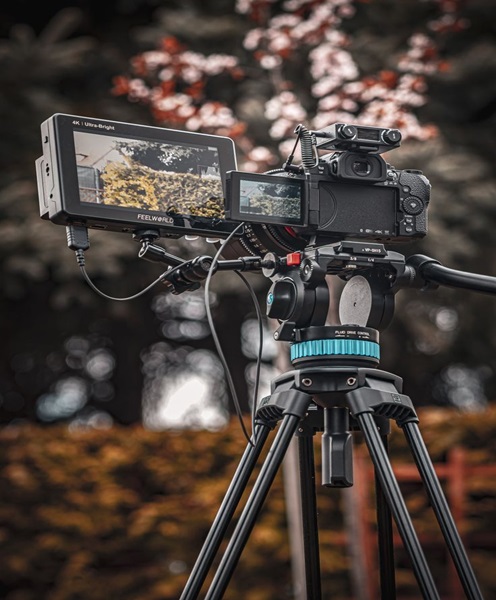
A DSLR video camera is a versatile option for photographers, videographers, filmmakers, content creators and production companies. DSLR cameras were traditionally associated with photography, but many models also offer video recording capabilities, interchangeable lenses and manual controls that make them useful for different video production applications.
At Janeson Rentals, we offer DSLR video camera hire and rental solutions in Nairobi, Kenya, for individuals, businesses, event organisers and professional production teams. Renting gives you access to camera equipment for your project without the expense of purchasing and maintaining a camera permanently.
Whether you need a DSLR camera for a one-day interview, a wedding shoot, a corporate assignment or a longer documentary project, hiring can provide a practical way to manage your production equipment requirements.
What Is a DSLR Video Camera?
A DSLR, or Digital Single-Lens Reflex camera, is a digital camera that uses an internal mirror and optical viewfinder system. Light entering through the lens is directed by the mirror towards the optical viewfinder. When a photograph is taken, the mirror moves to allow light to reach the image sensor.
For video recording, the mirror remains raised so that the image sensor can capture continuous footage. The camera displays the live image on its screen, allowing the operator to compose and monitor video while recording.
DSLR cameras are available with different sensor sizes, resolutions, frame rates and video recording capabilities. Many support interchangeable lenses, giving users the flexibility to select different focal lengths according to the production.
Some DSLR models offer Full HD video recording, while selected models also support 4K. Other features, including autofocus during video, external microphone connections, headphone monitoring and recording limits, vary by model.
This makes it important to choose a DSLR camera according to the actual requirements of the project rather than assuming every DSLR offers identical video features.
Why Hire a DSLR Video Camera?
Purchasing a camera for professional video production can be expensive, particularly when you also need lenses, batteries, memory cards, tripods, microphones and lighting equipment.
DSLR video camera rental provides an alternative for people who need suitable equipment for a particular assignment.
Access Versatile Camera Equipment
A DSLR camera can support both photography and video production, depending on the model. This makes it useful for professionals who work across different types of visual content.
For example, a production team may need to record a company interview while also capturing still photographs for marketing materials. A compatible DSLR setup can help address both requirements.
Interchangeable Lens Flexibility
One of the key advantages of many DSLR cameras is their interchangeable lens system.
Different lenses support different visual requirements. A wide-angle lens can capture venue interiors and group scenes, while a portrait lens can create close-up compositions for interviews. Telephoto lenses can help capture subjects from a distance.
Before hiring, confirm the camera’s lens mount and the compatibility of the lenses required for the production.
Manual Creative Controls
DSLR cameras often provide manual control over exposure settings, including shutter speed, aperture and ISO.
These controls allow videographers to make adjustments according to the lighting conditions and intended visual style. Manual control is particularly useful for carefully planned scenes, interviews and controlled productions.
Practical for Different Budgets
Not every production requires a large cinema camera package. A DSLR can be a suitable option for smaller projects where its recording capabilities meet the required delivery specifications.
Hiring allows businesses, students, independent filmmakers and content creators to access equipment for specific projects while managing their budgets.
Useful for Photography and Video Assignments
Some DSLR cameras are suitable for hybrid assignments involving both still photography and video recording.
This can be valuable for events, corporate communication, promotional campaigns and content creation where both types of media are required.
Applications of DSLR Video Camera Rental in Kenya
DSLR cameras can be used across a wide range of video production environments. The camera’s suitability will depend on its individual features, the operator’s experience and the accessories available.
Wedding Videography
Weddings involve important moments that require careful recording, from preparations and ceremonies to speeches, entertainment and reception activities.
A DSLR video camera can be used to capture wedding footage, portraits, details and candid moments. Interchangeable lenses allow videographers to move between wide venue shots and close-up compositions.
For wedding productions, it is important to plan for battery capacity, recording media, low-light conditions and backup equipment. A second camera may also be useful when several important activities are taking place simultaneously.
Corporate Video Production
Businesses use professional video content to introduce their services, communicate their values, promote products and document company activities.
A DSLR camera can support the production of:
-
Company profile videos.
-
Executive interviews.
-
Employee introductions.
-
Customer testimonials.
-
Training and instructional videos.
-
Product demonstrations.
-
Corporate event highlights.
-
Promotional and marketing campaigns.
For interviews, a suitable lens, tripod, microphone and lighting setup can help produce consistent footage.
Documentary Filmmaking
Documentary filmmakers often work in different locations and filming conditions. Their projects may include interviews, outdoor activities, observational footage and planned scenes.
A DSLR camera can be useful for documentary work where its resolution, recording duration, audio arrangements and other capabilities meet the production’s requirements.
Before hiring, consider the expected recording time, battery requirements, memory-card capacity and whether external audio recording will be necessary.
Interviews and Talking-Head Videos
Interviews require good framing, clear focus and consistent exposure.
A DSLR camera paired with a suitable portrait lens can create a professional-looking interview image. It can also be used for presenter-led videos, testimonials, educational content and recorded discussions.
A stable tripod and suitable lighting are recommended for controlled interview setups. Audio should be planned separately to ensure that the speaker’s voice is recorded clearly.
Music Videos and Creative Projects
Music video production often involves creative camera angles, close-ups, wide shots and different lighting arrangements.
A DSLR camera can support independent productions and smaller creative projects where its video specifications meet the director’s requirements.
The production team can select suitable lenses and camera settings to create the intended visual appearance. Additional equipment, such as a tripod, gimbal or external monitor, may be useful depending on the filming style.
Educational and Training Videos
Educational institutions, trainers and businesses may need to produce video lessons, tutorials and instructional material.
DSLR video camera hire provides access to suitable recording equipment for projects that do not justify purchasing a dedicated camera.
A DSLR can be used to record classroom demonstrations, interviews, presentations, practical lessons and training sessions. For longer recordings, check the camera’s recording limits and plan for power and storage.
Social Media and Digital Content
Businesses and independent content creators use video to communicate with online audiences.
A DSLR can be used for product reviews, promotional clips, tutorials, behind-the-scenes footage, interviews and branded content. The production team should confirm whether the camera supports the required recording resolution and orientation.
It is also useful to plan how footage will be edited and exported for the intended platforms.
Important Features to Consider Before Hiring a DSLR Video Camera
Different DSLR models offer different recording capabilities. Understanding the key features helps you select suitable equipment.
Video Resolution
Video resolution determines the dimensions and level of detail in recorded footage.
Depending on the model, a DSLR may support Full HD or 4K recording. The required resolution should be based on the final delivery format, editing workflow and intended use of the video.
Higher-resolution footage generally requires more storage space and processing power.
Frame Rate Options
Frame rate determines how many frames are captured each second.
Standard frame rates are commonly used for natural-looking video, while higher frame rates can support slow-motion footage. The available frame rates may depend on the camera’s resolution and recording settings.
If your production includes dancing, sports, fast movement or slow-motion sequences, confirm that the selected DSLR supports the required combination of resolution and frame rate.
Sensor Size and Image Quality
DSLR cameras are available with different sensor formats, including full-frame and APS-C.
Sensor size influences factors such as field of view and depth of field. It can also affect low-light performance, although the final image depends on several factors, including lens aperture, exposure settings and lighting.
Consider the visual style and filming conditions when choosing the camera.
Lens Compatibility
Lens compatibility is essential when hiring a DSLR camera.
Different manufacturers use different lens mounts, and lenses are not automatically interchangeable between camera systems. Some cameras may support compatible lenses through adapters, but functionality can vary.
If your project requires a particular lens, confirm its compatibility before arranging the rental.
Autofocus Performance
Autofocus can help maintain focus when filming moving subjects. However, video autofocus performance varies between DSLR models.
Some cameras offer continuous autofocus and subject detection, while others may be better suited to manual focus during video recording.
For weddings and event coverage, autofocus may be useful when subjects are moving unpredictably. For controlled interviews and cinematic scenes, manual focus may provide more precise control.
Low-Light Performance
Indoor venues, evening events and poorly lit locations can create challenging filming conditions.
A DSLR’s low-light performance depends on its sensor, lens, exposure settings and image processing. A lens with a wider maximum aperture can help capture more light, but suitable lighting remains important for professional results.
For event production, assess the venue before filming and plan additional lighting where necessary.
Audio Recording Connections
Sound quality is a critical part of video production.
Some DSLR cameras provide an external microphone input, while other models may offer additional audio monitoring connections. These features should be confirmed before booking.
For professional interviews, documentaries and event coverage, an external audio recorder or dedicated microphone system may be appropriate.
Recording Duration and Storage
Some DSLR models have recording-duration limitations or restrictions that depend on the selected video settings.
Check the camera’s recording specifications before planning long interviews, conferences, training sessions or continuous event coverage.
You should also confirm the supported memory-card type and capacity. High-quality video files can occupy considerable storage space, so prepare sufficient media and a backup plan.
Accessories to Consider with a DSLR Video Camera
A DSLR camera often requires additional equipment to create a complete production setup.
Depending on the assignment, consider the following:
-
Camera lenses: Wide-angle, standard, portrait and telephoto lenses help achieve different compositions.
-
Tripods: Provide stable support for interviews, presentations and static recording.
-
Gimbals: Support smooth camera movement when compatible with the camera and lens combination.
-
External monitors: Help operators assess framing, focus and exposure.
-
Lighting equipment: Provides controlled illumination for indoor and outdoor productions.
-
Microphones: Capture dialogue, interviews, presentations and ambient sound.
-
Audio recorders: Provide additional options for recording professional sound.
-
Camera batteries: Help support extended filming sessions.
-
Memory cards: Provide storage for recorded video files.
-
Camera bags and cases: Help organise and protect equipment during transportation.
-
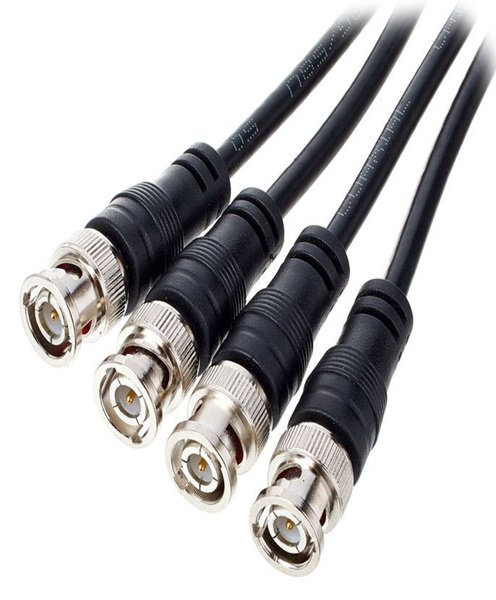
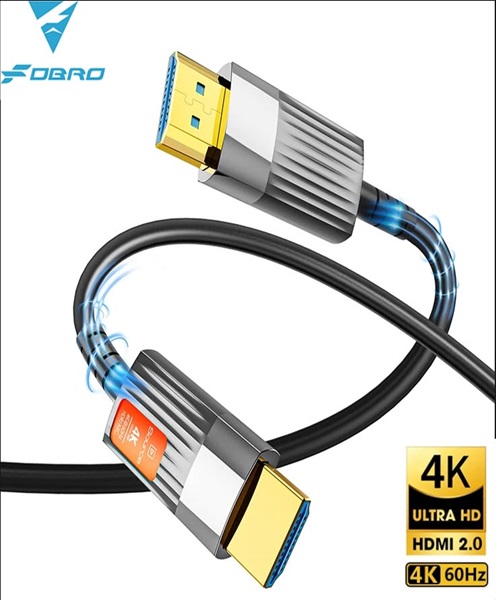
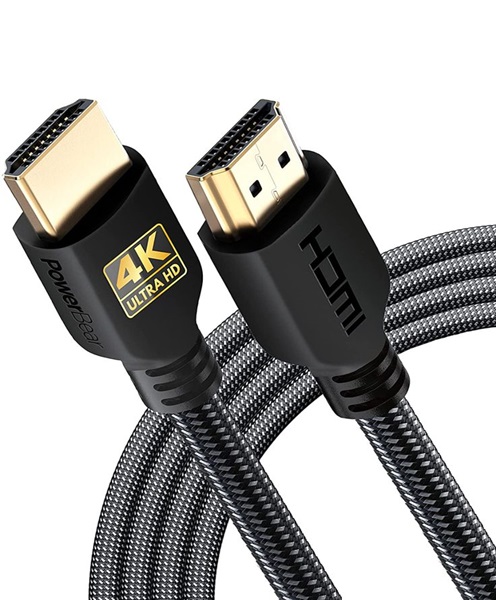
HDMI cables and capture devices: Can support external monitoring, capture or streaming workflows when the camera has compatible output.
Before hiring accessories, check the camera’s connections, mounting options and compatibility requirements.
DSLR Video Camera Hire for Events and Production Companies
Production companies and event videographers often work with different equipment requirements from one assignment to another.
A corporate interview may require a tripod, portrait lens and lighting kit. A wedding may need a combination of lenses, additional batteries and a second camera. A promotional production may require external monitoring and stabilisation equipment.
Hiring allows production teams to organise equipment according to each project instead of purchasing every item permanently.
DSLR cameras can also be integrated into multi-camera productions where their video outputs and recording settings are compatible with the wider system. When combining footage from different camera types, it is important to plan resolution, frame rate, exposure and colour settings to simplify editing.
How to Prepare for Your DSLR Video Camera Rental
Before making a booking enquiry, establish what the camera will be used for and what the final video should achieve.
Consider these practical preparation steps:
-
Define the production: Identify whether you are filming a wedding, interview, documentary, corporate video or promotional campaign.
-
Confirm the recording requirements: Determine the resolution, frame rate and recording format required.
-
Select the lens: Establish whether the production needs wide-angle, standard, portrait or telephoto coverage.
-
Plan the audio: Decide whether the camera’s microphone connection is sufficient or whether external audio recording is needed.
-
Assess the lighting: Identify whether natural light will be sufficient or additional lighting equipment is required.
-
Plan power and storage: Confirm battery requirements, memory-card compatibility and expected recording capacity.
-
Arrange supporting equipment: Consider tripods, monitors, stabilisers and other accessories.
-
Test before filming: Check focus, exposure, recording settings and audio connections before the main production begins.
Good preparation helps reduce interruptions and allows the production team to use the hired equipment more efficiently.
Why Choose Janeson Rentals for DSLR Video Camera Hire?
Janeson Rentals provides equipment hire and rental solutions for businesses, filmmakers, photographers, event organisers and content creators in Nairobi and across Kenya.
We understand that different video projects require different equipment configurations. A small interview production may need a simple camera setup, while an event production may require additional lenses, lighting, microphones and support equipment.
Hiring from Janeson Rentals allows you to plan your equipment requirements around the assignment and rental period. This can help manage production costs while providing access to equipment suitable for your intended application.
Whether you are an independent filmmaker, a professional videographer, a marketing agency, a corporate organisation or an event production company, we welcome enquiries for DSLR video camera rental.
When contacting us, provide your filming date, intended use, preferred camera features and any additional accessories you may require. This information helps determine an appropriate rental arrangement.
Book a DSLR Video Camera in Nairobi, Kenya
Looking for a DSLR video camera for your next production? Contact Janeson Rentals to enquire about DSLR video camera hire and rental in Nairobi and across Kenya.
From weddings and corporate videos to interviews, documentaries, promotional campaigns and event coverage, hiring suitable equipment can help you prepare for a successful production.
Choose Janeson Rentals for DSLR video camera hire in Kenya and get the equipment you need for your next filming assignment.