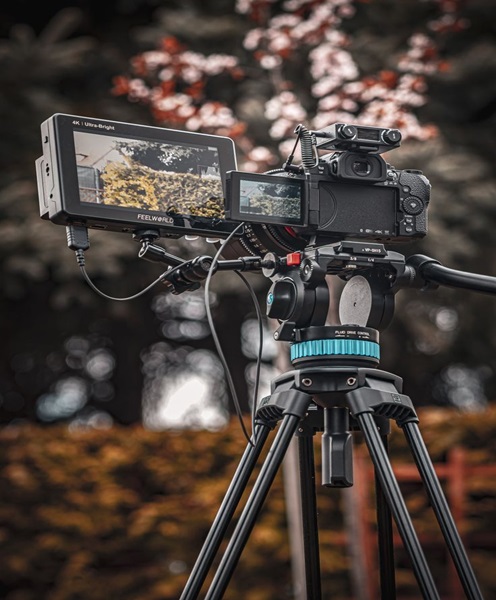
Introduction to Live Camera Feed System Hire and Rental in Kenya
Live camera feeds play an important role in modern event production. They allow audiences, production teams, presenters and remote viewing stations to see what cameras are capturing as an event takes place. At a conference, a camera feed can display a close-up of the presenter on large LED screens. During a concert, cameras can capture performers and deliver their images to venue displays. In a corporate production, a live feed can help a control room monitor activities across different parts of the venue.
A live camera feed system is designed to transmit real-time video signals from cameras to one or more destinations. These destinations may include LED screens, televisions, projectors, production monitors, video switchers, control rooms and other compatible equipment.
Janeson Rentals offers live camera feed system hire and rental in Kenya for event organisers, production companies, businesses, churches, institutions and agencies. Based in Nairobi, Janeson provides event and audiovisual equipment rental solutions, with delivery arrangements available across Kenya.
Hiring a live camera feed system is useful when an event requires real-time visual coverage without necessarily recording or broadcasting the footage online. The system can be configured for a single camera or several camera sources, depending on the production requirements.
Whether you are organising a conference, concert, graduation, product launch, church service or exhibition, a properly planned camera feed setup can improve visibility, support production coordination and create a more engaging event experience.
What Is a Live Camera Feed System?
A live camera feed system is an arrangement of cameras, video connections and signal distribution equipment that delivers real-time camera images to compatible viewing or production destinations.
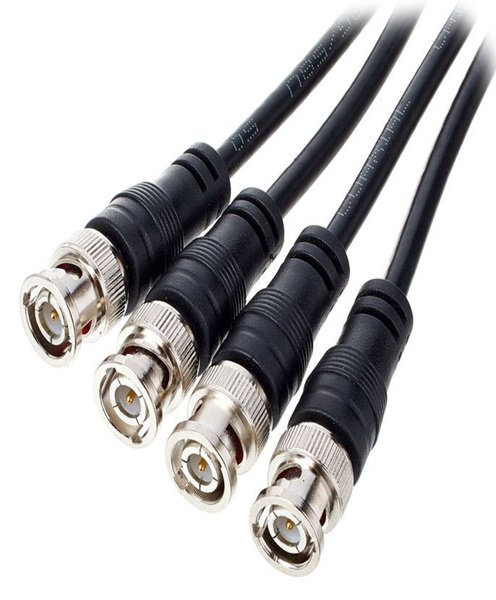
The camera captures the image and sends a video signal through a supported connection. Depending on the production, the signal may pass through a video switcher, converter, distribution amplifier, extender or other equipment before reaching its destination.
The system can deliver camera images to:
-
LED screens and video walls.
-
Television displays.
-
Projectors and projection screens.
-
Production monitors.
-
Control room displays.
-
Confidence monitors.
-
Stage-side screens.
-
Video switching equipment.
-
Recording or streaming systems.
A live camera feed is not automatically a recording. Its main function is to deliver the video signal in real time. If the client also requires recorded footage, compatible recording equipment can be added to the setup.
Similarly, displaying a camera feed at a venue does not automatically mean that the event is being streamed online. Online streaming requires an additional compatible production and internet distribution workflow.
Why Hire a Live Camera Feed System?
Improve Visibility at Large Events
In large venues, people seated far from the stage may struggle to see presenters, performers or demonstrations clearly.
A live camera feed can display close-up images on LED screens or televisions, allowing attendees to follow the programme more easily.
Support Professional Event Production
Live camera feeds help production teams coordinate visual content across different areas of a venue.
Camera operators, directors and technical personnel can monitor incoming signals and ensure that the correct images reach the intended displays.
Display Presenters and Speakers Clearly
During conferences and seminars, a camera can capture the presenter and deliver a close-up image to venue screens.
This is particularly helpful in auditoriums, conference halls and large meeting spaces where direct visibility may be limited.
Enhance Concerts and Performances
Live camera feeds can make performances more engaging by showing close-up images of musicians, dancers and other performers.
Audiences can see details that may otherwise be difficult to observe from distant seating areas.
Improve Audience Engagement
Displaying live footage helps audiences feel more connected to what is happening on stage.
For interactive programmes, the camera feed can also show demonstrations, award presentations, interviews and other activities as they happen.
Support Production Monitoring
A live camera feed can be routed to production monitors or a control room, allowing technical personnel to check the images being captured.
This can help identify framing issues, signal interruptions and other problems before they affect the production.
Avoid Purchasing Dedicated Equipment
Professional cameras, monitors, video switchers, signal converters and distribution equipment can require a significant investment.
Live camera feed system rental allows organisers to access suitable equipment for a specific event without purchasing an entire setup.
Main Components of a Live Camera Feed System
The equipment required depends on the number of cameras, the distance between equipment and displays, the type of screens and the production workflow.
Live Video Cameras
Cameras capture the images that will be transmitted to the display or production destination.
Depending on the application, a live camera feed system may use professional camcorders, mirrorless cameras, cinema cameras or PTZ cameras.
Each camera should provide a compatible video output for the receiving equipment.
For example, a conference may use a camera positioned towards the stage, while a concert may require several cameras covering different performance areas.
Video Switcher
A video switcher allows the production team to select which camera feed is sent to the programme output.
In a multi-camera production, the operator can switch between wide shots, presenter close-ups and other camera angles.
The switcher should support the required number of inputs, video standards and output connections.
Video Distribution Amplifier
A video distribution amplifier is used to distribute a compatible video signal to multiple destinations.
For example, a camera feed may need to reach several monitors or displays at the same time.
The distribution equipment must support the signal type and resolution being used. Where different display devices have different requirements, additional signal conversion may be necessary.
Video Signal Extenders
In large venues, cameras and display equipment may be separated by considerable distances.
A compatible video extender can help transport a signal over a suitable cable or transmission system.
The correct extender depends on the signal standard, required resolution, cable type and distance. Not all extenders support the same video formats or transmission conditions.
HDMI and SDI Connections
HDMI and SDI are commonly used video connection standards in event production.
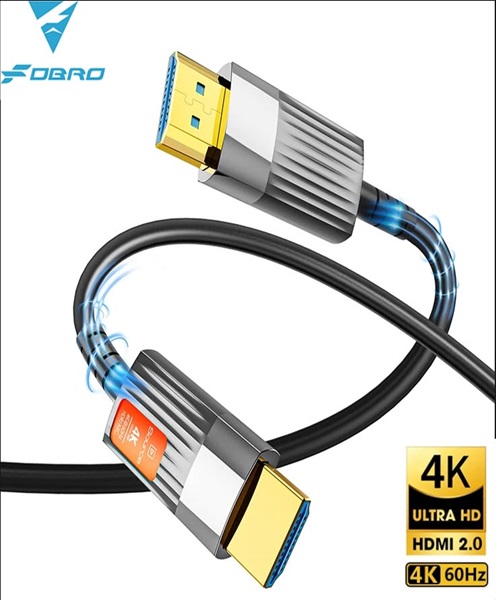
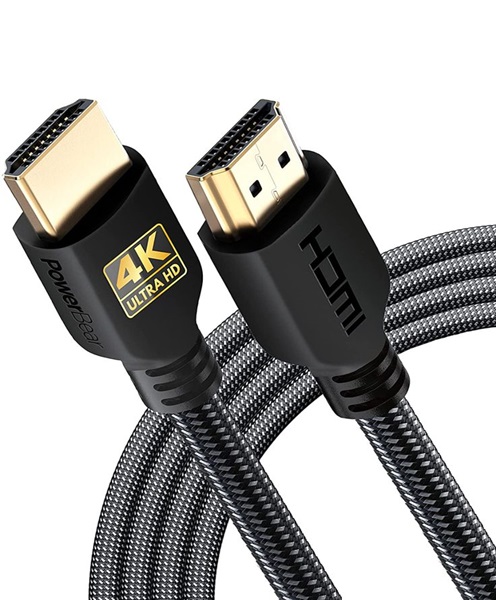
HDMI is frequently used with displays, projectors, cameras and consumer or professional AV equipment. SDI is commonly used in professional video production environments, particularly where secure cable connections and longer supported cable runs are required.
The camera, switcher, converter and display must have compatible inputs and outputs. Appropriate cables and converters should be selected for the complete signal path.
Video Converters
Video converters allow compatible equipment using different signal formats or connector types to work together.
For example, a production may need to convert an SDI camera output into a format accepted by a display or another piece of equipment.
The conversion device must support the specific formats, resolutions and frame rates involved.
Production Monitors
Production monitors allow operators to view camera signals during the event.
They may be used in a control room, backstage production area or technical booth to check framing, focus, exposure and signal quality.
LED Screens, TVs and Projectors
The final display equipment presents the live camera image to the audience or production team.
Depending on the venue, this may include LED video walls, large television displays, projection systems or professional monitors.
The display resolution and input connections should be compatible with the video feed.
Supporting Cables and Accessories
The system may require video cables, power cables, adapters, mounting accessories and cable protection equipment.
Cable routes should be planned carefully, especially where equipment is positioned across public walkways or busy production areas.
Applications of Live Camera Feed System Hire
Corporate Conferences and Seminars
Corporate conferences often involve keynote speakers, panel discussions, product demonstrations and presentations.
A live camera feed can display close-up images of speakers on LED screens or televisions, helping attendees follow the programme.
For panel discussions, multiple cameras can capture individual participants while a switcher selects the most appropriate feed for display.
Concerts and Music Festivals
Concerts and music festivals are among the most common applications for live camera feeds.
Large audiences may be positioned far from the stage, making it difficult to see performers clearly. Camera feeds displayed on large screens help improve visibility.
A production team may use several camera positions to capture musicians, singers, stage activity and audience engagement.
Church Services and Religious Conferences
Churches and religious organisations may use live camera feeds to display sermons, worship sessions, guest speakers and other programme activities.
Cameras can send images to LED screens or televisions inside the venue, helping people seated further away follow the service.
The camera setup should consider the altar, stage, congregation and available lighting.
Graduation Ceremonies
Graduation ceremonies involve important activities such as processionals, speeches, award presentations and the recognition of graduates.
A live camera feed can display close-up footage of the stage and individual participants, allowing attendees to see important moments more clearly.
Product Launches and Corporate Events
During a product launch, cameras can capture presenters, demonstrations and product details.
The live feed can be displayed on venue screens to make the presentation visible to the entire audience.
Exhibitions and Trade Shows
Exhibitors may use live camera feeds to display demonstrations or presentations on screens positioned around a stand.
This can help attract attention and make demonstrations easier to follow in busy exhibition environments.
Award Ceremonies and Formal Events
Awards presentations, recognition ceremonies and other formal programmes can benefit from live camera coverage.
The production team can display presenters, recipients and important stage activities in real time.
Sports and Competitive Events
Live camera feeds can be used at sporting events, tournaments and competitions to display activity on screens around a venue.
Depending on the production, cameras may capture the main playing area, participants, officials and audience reactions.
The system should be planned according to the size of the venue, movement of participants and intended display positions.
How a Live Camera Feed System Works
A typical live camera feed setup follows a defined signal path.
First, cameras capture the event and generate video signals through their supported outputs. These signals are then connected to the appropriate production equipment.
If the production uses several cameras, the signals may enter a video switcher. The operator selects the camera image that should be displayed.
The selected output can then pass through distribution equipment, converters or extenders where necessary. The final signal is delivered to the destination, such as an LED screen, television, projector or production monitor.
A simple setup may use one camera connected directly to a compatible display. A larger production may involve several cameras, a video switcher, multiple displays and a control room.
The exact arrangement should be designed around the venue, cable distances, camera positions and display requirements.
Live Camera Feed System Versus Video Recording System
A live camera feed system and a video recording system perform different functions.
A live camera feed system transmits camera images in real time to viewing destinations. Its priority is to deliver a usable signal while the event is happening.
A video recording system captures and stores footage for later viewing, editing or distribution.
Some productions require both functions. In that situation, a camera signal can be sent to a display while also being routed to a compatible recording device.
Organisers should communicate both requirements when requesting equipment so that the signal path can be planned correctly.
Live Camera Feed System Versus Live Streaming
A live camera feed is not necessarily an online broadcast.
A live camera feed delivers video to local equipment such as venue screens, monitors and production systems. Live streaming sends the video through an internet-connected production workflow to an online platform.
A production may use the same cameras for both purposes, but the equipment requirements are different.
If an event needs both venue screen coverage and online streaming, the system should be configured to provide the required outputs without compromising signal quality.
Choosing the Right Live Camera Feed System
Number of Cameras
Determine how many camera sources are required.
A small conference may need one camera, while a concert or large corporate event may require multiple cameras positioned around the venue.
The number of cameras affects the required switcher inputs, cables, operators and monitoring equipment.
Display Requirements
Identify where the camera images need to appear.
Some productions require one screen, while others need several displays around the venue. The system should support the required number of destinations and signal formats.
Cable Distance
The distance between cameras, control equipment and displays affects the choice of transmission method.
The production team should consider cable specifications, signal standards and any required extenders or distribution equipment.
Video Resolution and Frame Rate
The cameras, switchers, converters and displays should support compatible video settings.
The required resolution and frame rate should be established before equipment is selected.
Camera Positioning
Camera positions should provide useful coverage without obstructing audience views, walkways or emergency exits.
The venue layout should be considered when planning camera stands, tripods, cabling and operator positions.
Indoor and Outdoor Conditions
Outdoor productions require appropriate protection against rain, dust, direct sunlight and other environmental conditions.
Equipment should be installed in suitable locations and protected according to manufacturer guidance.
Control and Monitoring Requirements
Larger productions may need a dedicated video operator or control room.
Monitoring equipment allows the production team to review incoming camera feeds and identify problems before they reach the audience displays.
Technical Planning and Safety Considerations
A live camera feed system should be tested before the audience arrives.
Important checks include:
-
Confirming that every camera produces a compatible video signal.
-
Testing the switcher and distribution equipment.
-
Checking all video cable connections.
-
Verifying the required resolution and frame rate.
-
Testing signal transmission over the planned cable distances.
-
Confirming that every display receives the correct feed.
-
Checking power availability and distribution.
-
Securing cameras, tripods and display equipment.
-
Protecting cables in areas where people may walk.
-
Confirming that operators can access and control the equipment safely.
For events using several displays, each destination should be tested individually. This helps identify connection or compatibility problems before the programme begins.
Where a live camera feed is also being recorded or streamed, the additional signal path should be tested separately.
Why Choose Janeson Rentals for Live Camera Feed System Hire?
Janeson Rentals provides event and audiovisual equipment hire and rental solutions for clients in Nairobi and across Kenya.
A live camera feed system can be planned around the event’s camera positions, screen requirements, production workflow and venue layout.
Reasons to consider Janeson Rentals include:
-
Flexible equipment rental: Hire suitable camera feed equipment for a specific event or production.
-
Event-focused solutions: Arrange equipment for conferences, concerts, graduations, corporate functions, church services and exhibitions.
-
Related audiovisual equipment: Coordinate camera feeds with LED screens, televisions, projectors, monitors, video switchers, converters and cables.
-
Different production configurations: Discuss straightforward single-camera feeds as well as more involved multi-camera arrangements.
-
Nairobi-based service: Janeson Rentals is based in Nairobi, with delivery arrangements available across Kenya.
The appropriate equipment depends on the required signal format, cable distances, number of cameras and display destinations. Availability and technical requirements should be confirmed when making a booking enquiry.
How to Hire a Live Camera Feed System from Janeson Rentals
To help plan the correct equipment configuration, provide the following information when contacting Janeson Rentals:
-
Event date and venue.
-
Type of event.
-
Number of cameras required.
-
Number and type of displays.
-
Whether the feed will go to LED screens, TVs, projectors or monitors.
-
Approximate distances between cameras, control equipment and displays.
-
Whether camera switching is required.
-
Whether the system must also support recording or live streaming.
-
Required video resolution and connection types, if known.
-
Whether installation and technical operation are needed.
These details help determine the suitable cameras, switching equipment, cables, converters, distribution devices and accessories for the production.
Book Live Camera Feed System Rental in Kenya
Deliver clear real-time camera images to your event screens and production monitors with a suitable live camera feed setup from Janeson Rentals.
Whether you are organising a corporate conference, concert, church service, graduation, exhibition, product launch or sporting event, a well-planned camera feed system can improve visibility and support professional event production.
Contact Janeson Rentals to enquire about live camera feed system hire and rental in Nairobi and across Kenya. Share your event layout and display requirements to discuss a suitable solution for your production.