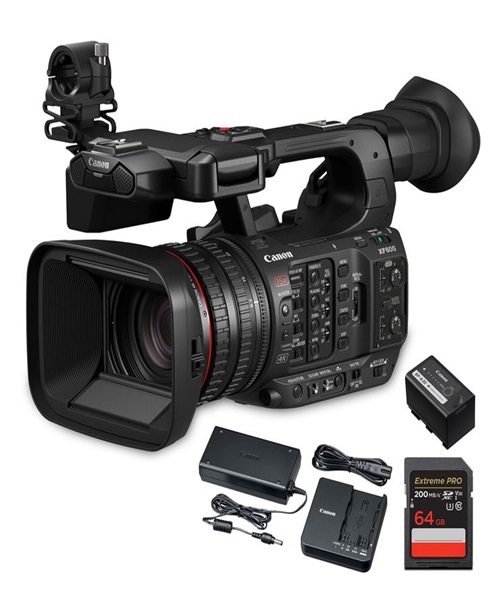
Event Video Camera Hire and Rental in Kenya
Events bring people together to celebrate, learn, connect, launch products, recognise achievements and share important experiences. Capturing these occasions on video allows organisers, businesses and individuals to preserve memorable moments, communicate key messages and create content that can be shared long after the event has ended.
Whether you are organising a corporate conference, wedding, music concert, graduation ceremony, product launch, exhibition or private celebration, suitable video equipment is essential for documenting the occasion professionally. An event video camera provides the recording capabilities needed to capture speakers, performances, audience reactions, activities and important details throughout an event.
At Janeson Rentals, we provide event video camera hire and rental solutions in Nairobi, Kenya, for event organisers, production companies, videographers, businesses, institutions and individuals. Our rental approach helps clients access suitable video equipment for their events without the expense of purchasing cameras for occasional use.
From small indoor functions to large-scale corporate gatherings and entertainment productions, the right camera setup can help ensure that important moments are recorded clearly and consistently.
What Is an Event Video Camera?
An event video camera is a camera used to record live occasions, gatherings and organised activities. It may be a professional camcorder, mirrorless camera, cinema camera, DSLR camera, PTZ camera or another suitable video recording system.
The most appropriate camera depends on the event’s size, venue, recording duration, lighting conditions, movement and final video requirements.
For example, a corporate seminar may require a camera that can remain in a fixed position and record a presenter for an extended period. A wedding may need a mobile camera setup that can follow activities throughout the venue. A concert may require cameras capable of capturing performers from different distances and angles.
Some event productions also require several cameras working together. One camera may capture a wide view of the stage, another may record close-ups of the speaker, and an additional camera may capture audience reactions.
The term event video camera therefore describes equipment selected for the practical demands of recording an event rather than one specific camera design.
Why Hire an Event Video Camera?
Event organisers and production teams often need professional cameras for specific dates or assignments. Purchasing equipment for occasional use may not be the most practical option, particularly when a production requires several cameras and supporting accessories.
Event video camera rental offers several advantages.
Access Suitable Video Equipment
Different events have different recording requirements. A camera suitable for a small interview may not be the best option for a concert or a full-day conference.
Hiring allows you to choose equipment according to the type of event, venue and intended recording workflow.
This makes it easier to plan camera requirements without committing to a permanent equipment purchase.
Support Professional Event Documentation
Professional event recordings can be used for marketing, internal communication, public relations, training, entertainment and future promotions.
A suitable event video camera helps capture important details such as presentations, performances, demonstrations, guest interactions and key announcements.
The footage can later be edited into a full event recording, highlights video, promotional clip or documentary-style production.
Record Important Moments
Many events include moments that happen only once. A keynote speech, award presentation, wedding ceremony, product unveiling or special performance may not be repeated.
Having an appropriate camera setup helps ensure that these moments can be recorded for future viewing and reference.
Flexible Equipment Planning
Hiring is useful for production teams that handle different types of events throughout the year.
A team may need a compact camera for a private function, multiple cameras for a conference or a more advanced setup for a concert. Renting allows the equipment configuration to change according to the assignment.
Support Multi-Camera Productions
Some events benefit from multiple recording angles. Hiring additional cameras can help production teams create a more complete recording without purchasing extra camera bodies.
For example, a conference may use one camera for a wide stage shot and another for close-ups of speakers. A third camera may capture audience engagement or supporting footage.
The cameras should be selected with compatible recording and connection requirements in mind.
Applications of Event Video Camera Rental in Kenya
Janeson Rentals provides event equipment hire solutions for different occasions and production environments. Event video camera rental can support the following applications.
Corporate Conferences and Business Meetings
Corporate conferences often include keynote presentations, panel discussions, speeches, product demonstrations and audience participation.
An event video camera can be used to record the main programme, capture speakers and document important activities throughout the venue.
For larger conferences, multiple cameras may be required to capture different angles. A wide camera can record the full stage, while a closer camera can capture the presenter and presentation details.
Recorded footage can be used for internal company communication, training, promotional content and future event marketing.
Weddings and Traditional Ceremonies
Weddings and traditional ceremonies involve emotional and memorable moments that families often want to preserve.
Event video cameras can capture the ceremony, bridal preparations, speeches, entertainment, guest interactions and reception activities.
A wedding production may benefit from different camera positions, including a wide view of the ceremony and closer angles for the couple, family members and speakers.
The camera selection should consider the venue’s lighting, movement around the event space and the duration of the programme.
Music Concerts and Live Performances
Concerts, festivals, live bands, cultural performances and entertainment shows require video equipment capable of capturing performers, stage activity and audience reactions.
Depending on the production, cameras may be positioned near the stage, at the back of the venue or at selected points around the performance area.
A combination of wide and close-up shots can help create a more engaging event recording. For concerts, it is important to consider stage lighting, camera positioning, available power and the distance between the camera and performers.
Product Launches and Brand Activations
Product launches and brand activations often include presentations, demonstrations, entertainment, guest interactions and unveiling moments.
An event video camera can document the programme and create footage for future marketing campaigns.
Businesses may use the recorded content for websites, social media, press communication, internal reports and promotional material.
Camera positioning should be planned to capture the product, presenters, branded displays and audience reactions without obstructing guests.
Graduation Ceremonies
Graduation ceremonies are important occasions for students, families and educational institutions.
Event cameras can capture graduates, speeches, award presentations, procession activities and group celebrations.
For larger ceremonies, a multi-camera arrangement may help record different sections of the programme. A wide camera can document the stage, while another camera can capture individual graduates and speakers.
Long recording periods and reliable storage arrangements are particularly important for graduation coverage.
Church Services and Religious Events
Church services, conferences, worship gatherings, celebrations and special religious programmes may require professional video recording.
Event cameras can capture speakers, worship leaders, choir performances, audience participation and the wider programme.
Depending on the venue, cameras may be positioned at the back of the hall, near the stage or in designated production areas.
For services that are also livestreamed, the camera’s output connections should be compatible with the video switcher, capture equipment or streaming system being used.
Exhibitions and Trade Shows
Exhibitions and trade shows involve multiple activities across different areas of a venue.
Event video cameras can record exhibition stands, product demonstrations, networking, interviews and presentations. The footage can be used to promote future exhibitions and demonstrate the value of participation to exhibitors and sponsors.
A mobile camera setup may be suitable for capturing different areas, while a fixed camera can document a particular presentation or demonstration.
Seminars and Training Events
Training programmes, workshops and seminars often involve presentations, practical demonstrations, discussions and audience questions.
A video camera can record the presenter and key programme activities for later review or distribution.
For educational and corporate training, it is important to capture both the speaker and any visual material being presented. The camera setup should be positioned to avoid obstructing the audience while maintaining a clear view.
Private Parties and Celebrations
Birthday parties, anniversaries, family celebrations and other private occasions can also benefit from professional video coverage.
An event video camera can document guests, speeches, entertainment, decorations, activities and special moments.
For these occasions, a flexible camera setup can help the videographer move around the venue and capture different activities as they happen.
Choosing the Right Event Video Camera
The best camera for an event depends on the type of footage required and the conditions in which recording will take place.
Professional Camcorders
Professional camcorders are designed primarily for video recording. Depending on the model, they may provide integrated lenses, dedicated video controls, optical zoom and audio connection options.
They can be useful for conferences, seminars, presentations and events that require extended recording or flexible zooming.
Before hiring, check the camera’s recording resolution, zoom range, audio inputs, battery arrangements and media requirements.
Mirrorless Video Cameras
Mirrorless cameras are useful for event productions that require interchangeable lenses and flexible framing.
They can support weddings, corporate videos, promotional content and creative event coverage. Their suitability depends on autofocus performance, recording duration, low-light capability, stabilisation and other model-specific features.
DSLR Video Cameras
DSLR cameras can be used for event recording where their video specifications meet the production requirements.
They are particularly useful for projects where the team also needs still photography, provided the camera’s video functions and recording limitations are suitable for the assignment.
PTZ Cameras
PTZ cameras provide remote pan, tilt and zoom control. They can be positioned at fixed locations and operated remotely through a compatible controller or production system.
They are particularly useful for conferences, auditoriums, meeting rooms, churches and other venues where fixed camera positions are practical.
Compatibility with controllers, video outputs, network systems and power arrangements should be checked before hiring.
Cinema Cameras
Cinema cameras may be appropriate for events requiring a more controlled cinematic production style, promotional footage or high-quality highlight videos.
They can offer flexible recording and lens options, but the complete setup may require additional rigging, monitoring, power and media arrangements.
Important Features to Consider When Hiring an Event Video Camera
Choosing a camera based only on its appearance or advertised resolution is not enough. Consider the following features before arranging your rental.
Video Resolution and Recording Quality
Resolution determines the dimensions of the recorded image. Depending on the camera, recording options may include Full HD, 4K or other formats.
The correct resolution depends on how the footage will be used. A conference recording intended for internal viewing may have different requirements from a commercial event film or promotional campaign.
Also consider the recording format, file size and editing workflow.
Optical Zoom and Lens Selection
Events often involve subjects at different distances. A speaker may be on a stage, while the camera is positioned at the back of a hall.
Optical zoom can help frame distant subjects without physically moving the camera. Interchangeable-lens cameras offer another way to adjust framing, but require appropriate lens selection.
The required zoom range or focal lengths should be determined before booking.
Low-Light Performance
Many events take place in indoor venues, evening settings or environments with changing stage lighting.
The camera should be appropriate for the lighting conditions. Consider sensor performance, lens aperture, exposure controls and whether additional lighting is possible.
For concerts and evening celebrations, test the camera in similar lighting conditions where possible.
Autofocus and Manual Focus
Autofocus can be useful when filming moving speakers, performers and guests. However, its performance varies between camera models.
Manual focus may be more appropriate for fixed camera positions and controlled scenes. The camera operator should understand the focus system before the event begins.
Recording Duration
Some events run for several hours and require continuous or repeated recording.
Check the camera’s recording limits, overheating considerations, power requirements and storage capacity. For long programmes, it may be necessary to plan recording in sections or use equipment designed for extended video work.
Audio Connections
A good event recording needs clear sound as well as good visuals.
For speeches and presentations, the production team may need to receive audio from a venue sound system or use suitable microphones and recorders.
Check whether the camera supports the required audio connections. If the audio is being recorded separately, plan how it will be synchronised with the video during editing.
Video Output and Connectivity
Some events require cameras to send live video to a switcher, monitor, projector system or streaming setup.
Before hiring, confirm the camera’s available outputs and whether they are compatible with the production equipment. Check cable lengths, connection types and any additional conversion equipment that may be needed.
Battery and Storage Capacity
Event recording can involve long hours and multiple recording sessions.
Prepare enough batteries or an appropriate power arrangement. Confirm the supported storage media and estimate the amount of storage needed for the planned resolution and recording duration.
A backup plan is particularly important for once-only events such as weddings, award ceremonies and major product launches.
Supporting Equipment for Event Video Camera Hire
A professional event camera setup may require additional equipment to achieve stable recording and reliable production.
Depending on the event, consider:
-
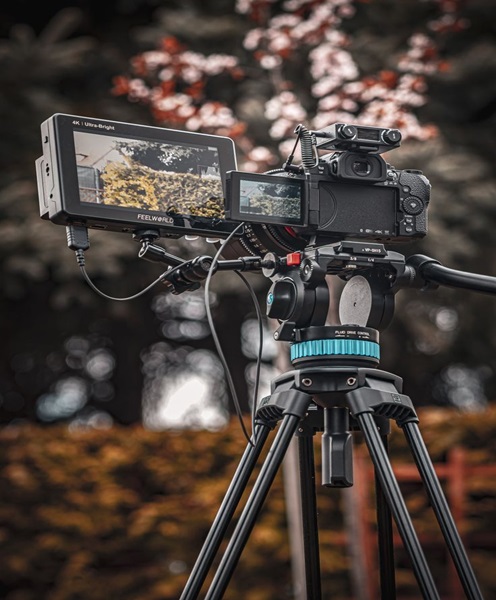
Video camera tripods: Provide stable support for stage coverage, presentations and speeches.
-
Camera monopods: Offer support while allowing greater mobility around the venue.
-
Camera gimbals: Support smoother movement for mobile event coverage when compatible with the camera setup.
-
External monitors: Help camera operators assess framing, focus and exposure.
-
Video switchers: Allow production teams to select between multiple camera feeds during a live programme.
-
Capture cards and devices: Support compatible video capture workflows.
-
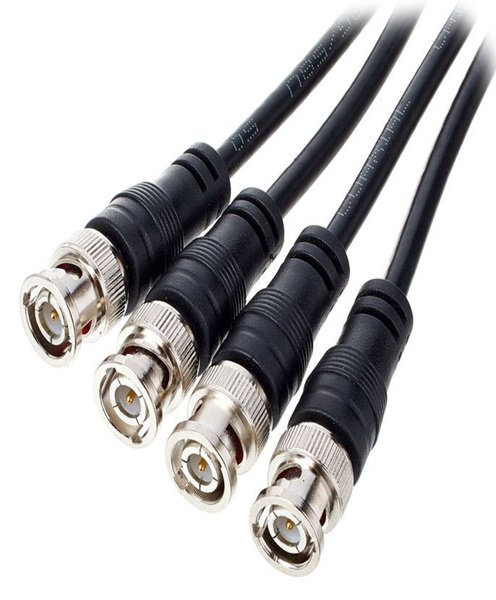
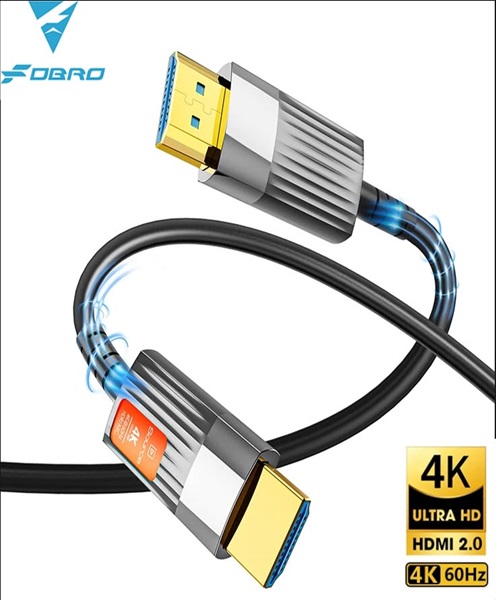
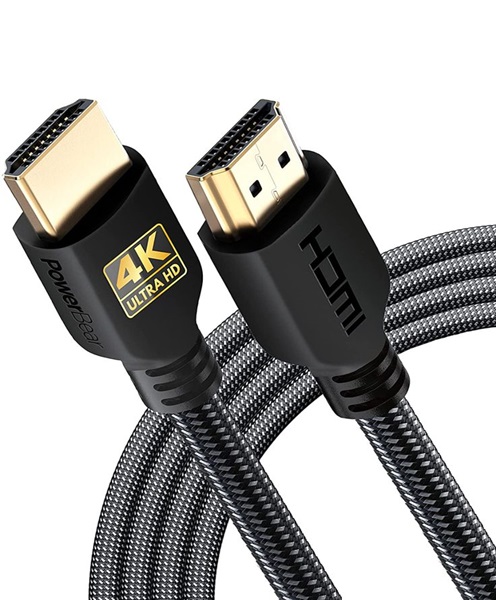
HDMI and SDI cables: Connect cameras to other production equipment where the camera provides the required outputs.
-
Wireless video transmission systems: Send compatible camera signals to remote monitors or production positions.
-
Microphones: Capture presenters, speakers, performers and interviews.
-
Audio mixers: Help manage sound sources for recordings and live productions.
-
Lighting equipment: Supports visibility and consistent image quality in challenging environments.
-
Memory cards and recording media: Store recorded footage.
-
Batteries and power accessories: Help maintain operation during extended events.
The correct equipment package depends on the camera model, venue, event programme and whether the footage is being recorded, livestreamed or both.
Event Video Camera Hire for Multi-Camera Production
Large events often benefit from a multi-camera production arrangement. Using multiple cameras allows the production team to record the programme from different perspectives and create a more complete final video.
For example, a corporate conference may use:
-
One wide camera to record the entire stage.
-
One close-up camera to capture presenters.
-
One additional camera to record audience reactions and networking activities.
A concert may require cameras positioned at different distances from the stage, while a wedding may benefit from separate angles for the ceremony and guests.
Multi-camera production requires careful planning. The team should consider camera positions, cable routes, operator communication, power access and the compatibility of video signals.
If the cameras are connected to a live switcher, the production team should test each signal before the programme begins. If the footage will be edited later, consistent frame rates, resolutions and colour settings can help simplify the post-production process.
Event Video Camera Rental for Live Streaming
Many event organisers want their programmes to reach audiences who cannot attend in person.
A camera can form part of a livestreaming system that sends live video to an online platform or private viewing environment.
Depending on the production, the setup may include cameras, a video switcher, audio mixer, capture device, streaming encoder, computer, internet connection and monitoring equipment.
The camera must provide a video output that is compatible with the rest of the system. It is also important to plan the audio feed and internet connection separately.
For conferences, church services, product launches and hybrid events, a well-planned camera arrangement can support both the in-person programme and the remote viewing experience.
How to Prepare for Event Video Camera Rental
Before hiring, consider the following practical planning steps:
-
Identify the event type: Confirm whether you are recording a wedding, conference, concert, graduation, exhibition or corporate function.
-
Establish the programme duration: Determine how long the camera needs to record.
-
Assess the venue: Consider room size, lighting, stage position, camera locations and available power.
-
Decide on camera coverage: Establish whether one camera is sufficient or a multi-camera setup is needed.
-
Confirm recording requirements: Choose the required resolution, frame rate and recording format.
-
Plan the audio: Identify whether sound will come from microphones, a sound desk or separate audio recorders.
-
Check connectivity: Confirm whether the camera needs to connect to monitors, switchers or streaming equipment.
-
Plan storage and power: Arrange suitable recording media, batteries and backup options.
-
Test the equipment: Check framing, focus, exposure, recording and connections before guests arrive.
Planning these details in advance helps avoid unnecessary interruptions during the event and allows the camera team to focus on capturing the programme.
Why Choose Janeson Rentals for Event Video Camera Hire?
Janeson Rentals provides event equipment hire and rental solutions for businesses, event organisers, production companies, institutions and individuals in Nairobi and across Kenya.
We understand that every event has its own recording requirements. A small seminar, a wedding, a corporate conference and a live concert each present different technical considerations.
Hiring from Janeson Rentals allows you to plan your camera requirements around the event instead of purchasing equipment for occasional use. It also gives you the opportunity to consider supporting equipment as part of your production arrangements.
Whether you are organising a private celebration, a business event, an educational programme or a large entertainment production, we welcome enquiries for event video camera hire and rental.
When making an enquiry, share the event date, venue, programme duration, type of coverage required and whether you need recording, livestreaming or both. This information helps establish an appropriate equipment arrangement.
Book an Event Video Camera in Nairobi, Kenya
Are you planning an event and looking for suitable video recording equipment? Contact Janeson Rentals to enquire about event video camera hire and rental in Nairobi and across Kenya.
From weddings and conferences to concerts, graduations, exhibitions, church gatherings and corporate launches, we can help you plan your event equipment requirements.
Choose Janeson Rentals for event video camera hire in Kenya and capture the important moments, presentations and experiences that make your event memorable.