Fibre Optic Cable Hire and Rental in Nairobi
Modern events and professional productions increasingly require reliable connections over longer distances and between multiple technical locations. Large conferences, concerts, exhibitions, outdoor festivals and broadcast productions may need to transfer data between cameras, control rooms, network equipment and other production devices.
Fibre optic cable is designed to transmit information using pulses of light through optical fibres. It is widely used in telecommunications, data networks, broadcasting and professional AV infrastructure because it can support high data capacity and long-distance connections when paired with compatible equipment.
Janeson Rentals offers fibre optic cable hire and rental in Nairobi, Kenya, for event organisers, production companies, broadcasters, IT professionals, conference planners and technical teams. Hiring fibre optic cables can help you establish temporary connections for events without purchasing specialised infrastructure for a single production.
The right fibre optic cable depends on the equipment, transmission distance, connector type, fibre mode and intended application. These details should be confirmed before arranging a rental.
What Is a Fibre Optic Cable?
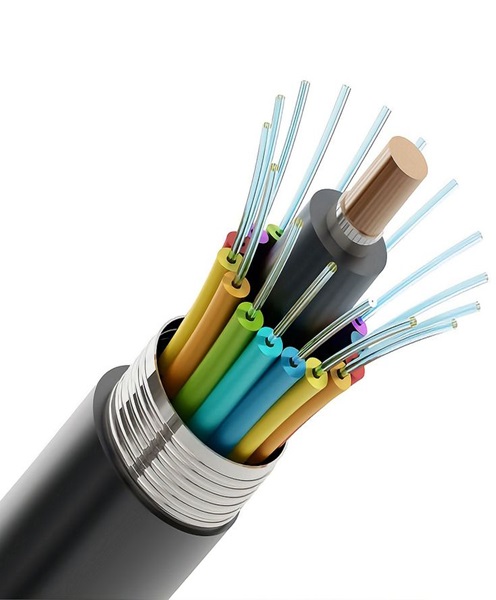
A fibre optic cable is a communication cable that carries data using light rather than electrical signals. It contains very thin strands of glass or plastic known as optical fibres, which transmit light from one compatible device to another.
A typical fibre optic cable includes a core that carries the light, cladding that helps keep the light within the core and protective layers that support the fibre and help protect it from physical damage.
Fibre optic connections are commonly used for:
- Long-distance data transmission.
- High-capacity network connections.
- Broadcast and video production infrastructure.
- Connections between network switches.
- Telecommunications systems.
- Data centres.
- Professional AV installations.
- Temporary event networking.
Unlike conventional copper Ethernet cables, fibre optic cables are not affected by electromagnetic interference in the same way. They can therefore be useful in environments containing large amounts of electrical and audio-visual equipment.
Why Hire Fibre Optic Cables from Janeson Rentals?
Fibre optic infrastructure can involve specialised cables, connectors and compatible optical equipment. Purchasing these items for occasional events may not be practical, particularly when different productions require different cable types and lengths.
Fibre optic cable rental in Nairobi provides a flexible option for production teams that need temporary optical connections.
Hiring can help you:
- Access specialised cable for a specific production.
- Avoid purchasing equipment for occasional use.
- Support connections between distant technical locations.
- Build temporary network infrastructure.
- Connect compatible optical transmission equipment.
- Reduce long-term storage and maintenance responsibilities.
- Coordinate fibre connections with other AV and networking equipment.
The technical requirements should be established before booking. Fibre optic connectors and transceivers are not universally interchangeable, so equipment compatibility is essential.
Fibre Optic Cable Hire for Live Broadcasting
Live broadcasting can involve cameras, production control rooms, video processors, monitoring equipment, streaming systems and other technical devices positioned at different locations.
Some broadcast systems use fibre optic connections to transmit video, audio, control signals or network data over longer distances.
Fibre optic cable hire can support:
- Live television-style productions.
- Corporate event broadcasts.
- Concert livestreams.
- Church service broadcasts.
- Sports and entertainment productions.
- Multi-camera recordings.
- Outside broadcast arrangements.
- Large conference productions.
The actual signal carried depends on the compatible fibre transmission equipment connected at both ends. A fibre cable alone does not convert an ordinary HDMI or SDI signal into an optical signal.
Production teams should confirm whether the setup requires optical SDI converters, fibre transmitters and receivers, network transceivers or another compatible system.
Fibre Optic Cable Rental for Concerts
Large concerts may use several technical positions, including the main stage, front-of-house control area, backstage production area and camera positions.
When these locations are far apart, fibre optic infrastructure can provide a practical way to transport compatible signals over longer distances.
For example, a production may use fibre transmission equipment to carry camera signals from the stage area to a video control position. Another arrangement may use optical networking to connect network switches or other compatible devices.
The production team should plan the signal path, required cable length, connectors, equipment compatibility and cable protection before installation.
Fibre optic cable rental can be considered alongside video transmission equipment, cameras, production monitors, video switchers and other technical accessories.
Fibre Optic Cables for Conferences and Corporate Events
Large conferences and corporate events can require connections between presentation areas, control rooms, exhibition spaces and technical positions.
Fibre optic cables may be used where compatible network or AV equipment needs to communicate over longer distances or at higher data capacities.
They can support temporary infrastructure for:
- International conferences.
- Corporate meetings.
- Product launches.
- Award ceremonies.
- Business exhibitions.
- Hybrid events.
- Large-scale presentations.
- Multi-room event productions.
For events held in large venues, the technical team should identify the location of the network equipment and the distances between connection points.
Where the venue has existing fibre infrastructure, its technical team should confirm the available connectors, network specifications and access arrangements.
Fibre Optic Cable Hire for Video Production
Professional video production often requires signals to travel between cameras, video control systems, monitors and recording equipment.
Fibre optic transmission can be used with compatible systems to extend certain video connections beyond the practical distance of conventional copper cables.
Applications may include:
- Remote camera connections.
- Multi-camera productions.
- Live event video feeds.
- Production control rooms.
- Broadcast installations.
- Large LED screen systems.
- Video distribution arrangements.
The type of signal and equipment determines the required optical transmission system. For example, a production using SDI over fibre needs compatible SDI-to-fibre transmission equipment at the sending and receiving ends.
A standard fibre networking cable should not be assumed to carry a particular video format without the appropriate conversion and transmission equipment.
Fibre Optic Cables for LED Screens and Video Walls
Large LED screens and video walls are commonly used at concerts, corporate launches, conferences, exhibitions and outdoor events.
Some video distribution systems use fibre optic connections to transport compatible signals between video control equipment and remote processing or distribution positions.
Fibre can be useful when the distance between the video control area and display equipment is too long for a particular copper connection.
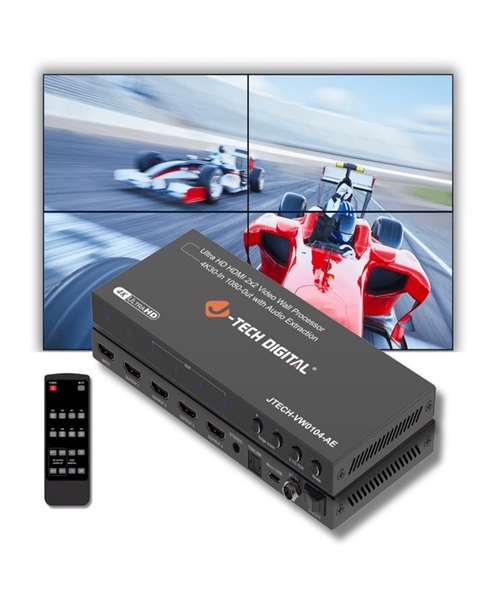
A complete arrangement may include video processors, optical transmitters, optical receivers, fibre cables and compatible display equipment.
The required system depends on the video resolution, refresh rate, signal format, transmission distance and equipment specifications. These details should be confirmed with the LED screen or video production technician.
Fibre Optic Cable Hire for Network Infrastructure
Fibre optic cables are widely used in network infrastructure to connect switches, routers, servers and other compatible networking devices.
For temporary event networks, fibre may be useful when connecting different rooms, buildings or technical areas.
Examples include:
- Conference network backbones.
- Exhibition network infrastructure.
- Temporary production networks.
- Large corporate event networks.
- Data connections between technical control rooms.
- Outdoor event network links.
A fibre link normally requires compatible optical transceivers or fibre ports at the connected devices. The network equipment must support the relevant fibre type, connector and transmission standard.
Understanding Single-Mode and Multimode Fibre
One of the most important decisions when selecting fibre optic cable is whether the application requires single-mode or multimode fibre.
Single-Mode Fibre
Single-mode fibre uses a small optical core and is designed to carry light along a single propagation path. It is commonly used for long-distance telecommunications and network connections.
It is suitable for applications that require longer transmission distances when paired with compatible optical equipment.
Multimode Fibre
Multimode fibre has a larger core and supports multiple light propagation paths. It is commonly used for shorter-distance connections within buildings, data centres and certain professional AV environments.
The appropriate choice depends on the equipment, required distance and supported optical standard.
Single-mode and multimode fibre are not automatically interchangeable. The transceivers and connectors must match the cable and intended application.
Fibre Optic Cable Connector Types
Fibre optic cables use different connector designs. Common types include:
LC connectors: Compact connectors frequently used in network switches, optical modules and data centre installations.
SC connectors: Common in telecommunications and other fibre installations. They have a different connector design from LC.
ST connectors: A connector type found in some older and specialist fibre installations.
MPO/MTP connectors: Multi-fibre connector systems used in certain high-density networking environments.
The connector required depends on the connected equipment and the optical infrastructure. Adapters may sometimes be used, but they must be suitable for the fibre type and application.
When requesting fibre optic cable hire, provide the connector details or equipment model numbers where possible.
Fibre Optic Cable for Temporary Event Installations
Temporary event installations require careful cable planning. Fibre optic cables can be used to connect equipment positioned in different parts of a venue, especially when long-distance data or signal transmission is needed.
Before installation, consider:
- The distance between connected devices.
- The cable route through the venue.
- The required fibre mode.
- Connector and transceiver compatibility.
- The environment in which the cable will be used.
- The number of optical links required.
- Whether signal conversion equipment is necessary.
Fibre optic cables can be sensitive to excessive bending, crushing and other physical damage. They should be routed and handled according to the cable manufacturer’s specifications.
Fibre Optic Cable Rental Alongside Other Production Equipment
Fibre optic cables are often only one part of a complete transmission arrangement. Depending on the application, other equipment may be required.
Related equipment may include:
- Fibre optic transmitters and receivers.
- Optical transceivers.
- Media converters.
- Fibre distribution equipment.
- Network switches.
- Routers.
- SDI-to-fibre converters.
- Fibre-to-SDI converters.
- Video routers.
- Video distribution systems.
- LED screen processors.
- Streaming encoders and decoders.
- Production monitors.
- Cameras and video switchers.
The production team should identify the full signal path so that the cable and associated equipment are compatible.
How to Choose the Right Fibre Optic Cable
Selecting the correct fibre optic cable requires attention to several technical factors.
Transmission Distance
Establish the distance between the sending and receiving devices. The cable and optical equipment must support the required distance.
Fibre Mode
Confirm whether the system requires single-mode or multimode fibre. This information is normally specified by the connected optical equipment.
Connector Type
Identify the connector required at each end. LC, SC, ST and MPO/MTP connectors serve different applications.
Data Rate or Signal Format
Network applications may require particular data rates, while video applications may require specific signal formats and optical transmission standards.
Cable Construction
The cable jacket and construction should suit the installation environment. Indoor, outdoor and specialised installation cables may have different protective characteristics.
Compatible Optical Equipment
Confirm the transceivers, media converters or signal transmitters and receivers needed to make the connection work.
Fibre Optic Cable Hire in Nairobi
Janeson Rentals provides fibre optic cable hire and rental in Nairobi for production companies, event organisers, broadcast teams, corporate clients and technical service providers.
Fibre optic cables can be considered for conferences, concerts, exhibitions, livestreams, video productions and temporary network installations.
Our service supports event equipment requirements at hotels, conference centres, exhibition venues, churches, performance spaces and other locations in Nairobi.
When enquiring, provide the required cable length, fibre mode, connector type, connected equipment and intended application. This information is important because fibre optic connections require careful technical matching.
Fibre Optic Cable Rental Across Kenya
Janeson Rentals is based in Nairobi and can discuss delivery arrangements for events in other parts of Kenya, subject to availability, location and logistics.
Fibre optic cable rental may be required for destination conferences, concerts, corporate events, outdoor productions, broadcast installations and large exhibitions.
For events outside Nairobi, share the location and technical requirements early so that the necessary equipment and delivery arrangements can be considered.
Why Choose Janeson Rentals?
Janeson Rentals supports event organisers and production teams looking for practical event and technical equipment hire solutions.
Clients choose our service because:
- Rental provides access to equipment for temporary productions.
- Technical requirements can be discussed before booking.
- Fibre cables can be considered alongside compatible AV and networking equipment.
- Clients can plan equipment needs around their event specifications.
- The company is based in Nairobi, with delivery arrangements across Kenya subject to logistics and availability.
We encourage clients to provide accurate technical information so that the appropriate fibre connections can be identified.
Frequently Asked Questions About Fibre Optic Cable Hire
1. What is a fibre optic cable used for?
Fibre optic cables transmit data using light. They are used in telecommunications, computer networks, broadcasting, professional AV systems and other applications requiring optical data transmission.
2. What is the difference between fibre optic cable and Ethernet cable?
Traditional Ethernet cables commonly use copper conductors to transmit electrical signals. Fibre optic cables use light transmitted through optical fibres. Both can be used in network infrastructure, but they require different connection equipment.
3. What is the difference between single-mode and multimode fibre?
Single-mode fibre is designed for longer-distance optical transmission, while multimode fibre is commonly used for shorter-distance connections. The correct type depends on the connected equipment and required transmission distance.
4. Can fibre optic cable transmit video?
Yes, when used with compatible optical video transmission equipment. The required transmitters, receivers and signal converters depend on the video format and production system.
5. Can fibre optic cables be used at concerts?
Yes. They can support compatible video, network and production connections between stage areas, control rooms and other technical positions.
6. Are all fibre optic connectors the same?
No. Common connector types include LC, SC, ST and MPO/MTP. The connector must match the equipment or suitable compatible adapters must be used.
7. Can fibre optic cable replace HDMI or SDI?
Not directly in every setup. Fibre can carry compatible video signals through specialised optical transmitters and receivers, but the required conversion equipment must be included.
8. Can I hire fibre optic cables for an event outside Nairobi?
Delivery arrangements can be discussed for events across Kenya, subject to location, equipment availability and logistics.
Book Fibre Optic Cable Hire in Nairobi Today
Reliable signal transmission is important for professional broadcasting, live streaming, concerts, conferences and large-scale event production. Fibre optic cable can provide a suitable connection solution where compatible equipment needs to communicate over longer distances or through high-capacity optical links.
Contact Janeson Rentals to enquire about fibre optic cable hire and rental in Nairobi, Kenya. Provide your event date, venue, required cable length, fibre type, connector configuration and the equipment you intend to connect. This will help establish the appropriate rental requirements for your production.