Field Recorder Hire and Rental in Kenya
Professional video and film production requires more than high-quality cameras and lighting equipment. Sound is equally important, particularly when producing documentaries, interviews, films, television content, corporate videos and other audiovisual projects.
Poorly recorded dialogue, unwanted background noise and inconsistent audio levels can affect the quality of an otherwise well-produced video. This is why professional production teams pay close attention to location sound recording and use appropriate audio equipment to capture clear, usable recordings.
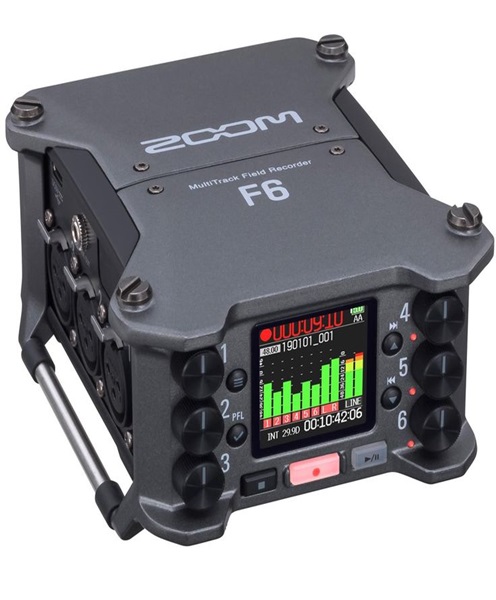
A field recorder is an important tool in professional audio production. It is designed to record sound outside traditional studio environments and can support production teams working in different locations, including offices, outdoor environments, event venues, film sets and documentary locations.
At Janeson Rentals, we provide field recorder hire and rental in Kenya for filmmakers, videographers, sound engineers, broadcasters, production companies, media organisations, documentary crews and event professionals.
Whether you are recording dialogue for a film, capturing interviews for a documentary, collecting environmental sound for a production or managing audio for a corporate video, renting a suitable field recorder can provide access to professional recording equipment for the duration of your project.
Based in Nairobi and serving clients across Kenya, Janeson Rentals supports different event and production equipment rental requirements. Our field recorder hire service offers a practical option for clients who need location recording equipment for temporary assignments without purchasing expensive equipment.
What Is a Field Recorder?
A field recorder is a portable audio recording device designed to capture sound in production environments outside a conventional recording studio.
It is commonly used by location sound professionals, filmmakers, documentary producers, broadcasters, journalists and audio engineers who need to record dialogue, environmental sounds, interviews and other audio sources.
Unlike basic voice recorders, professional field recorders may offer more advanced recording and connection options. Depending on the model, these can include multiple microphone inputs, XLR connections, adjustable preamps, phantom power, multitrack recording, headphone monitoring, removable storage and timecode support.
Some field recorders are compact devices designed for smaller production teams, while others are more advanced systems intended for professional location sound workflows.
A field recorder can be used independently or integrated into a larger production setup involving microphones, wireless microphone systems, boom poles, cameras, mixers and monitoring equipment.
The appropriate recorder depends on the complexity of the production, the number of sound sources and the technical requirements of the recording workflow.
Why Hire a Field Recorder?
Professional audio equipment can be expensive, particularly when a production requires specialised recording features. Renting offers a practical alternative for clients who need the equipment for a particular project or production period.
1. Access Professional Location Recording Equipment
A field recorder can provide recording capabilities that may not be available on a standard camera or smartphone.
Depending on the model, it may support professional microphones, multiple audio channels, external connections and advanced recording formats.
Hiring allows production teams to access equipment suitable for their assignment without making a permanent purchase.
2. Manage Film Production Budgets
Film productions, documentaries, corporate video projects and commercial shoots often operate within defined budgets.
Purchasing a field recorder for a short production may not be financially practical, particularly when the equipment will not be used regularly.
Field recorder rental allows clients to allocate resources towards other production requirements, including cameras, lenses, lighting, crew, transport and post-production.
3. Suitable for Different Production Locations
Field recording frequently takes place in environments where a studio setup is unavailable.
A professional field recorder can support audio capture in offices, homes, outdoor locations, conference venues, event spaces and film sets.
Its portable design makes it useful for production teams that need to move between different locations throughout a shooting schedule.
4. Support Multitrack Recording Workflows
Some field recorders support recording multiple audio sources onto separate tracks.
This is useful when a production involves several microphones or audio channels that need to be adjusted independently during post-production.
For example, a film crew may record dialogue from a boom microphone and wireless microphones at the same time. When the recorder supports the required inputs and track configuration, the sound engineer can maintain separate recordings for editing.
Always confirm the available input count and track capabilities before hiring.
5. Useful for Short-Term Professional Assignments
Production companies may work on different projects throughout the year, with varying equipment requirements.
A documentary may need a compact recorder, while a film production may require a more advanced multichannel recording system.
Hiring provides flexibility to select equipment according to the specific production rather than relying on a single permanently owned device.
Applications of Field Recorder Rental in Kenya
Field recorders are used across the film, broadcasting, events, media and creative industries. Their ability to capture audio in different locations makes them valuable for many professional applications.
Film and Television Production
Film and television productions require carefully recorded dialogue and location sound.
A field recorder can be used by a location sound team to capture conversations between actors, background ambience and additional audio sources during filming.
It may support productions such as:
-
Short films.
-
Feature films.
-
Television programmes.
-
Commercial advertisements.
-
Corporate films.
-
Music videos.
-
Educational films.
-
Web series.
-
Promotional videos.
In a typical production setup, microphones capture the sound while the recorder stores the audio for later editing and synchronisation with the video footage.
The sound recordist monitors the incoming signals and adjusts recording levels to reduce the risk of distorted or unusable audio.
Documentary Production
Documentary filmmaking often involves recording real people, environments and events.
Unlike controlled studio production, documentary crews may work in unpredictable environments where sound conditions change frequently.
A field recorder can support:
-
Documentary interviews.
-
Community storytelling.
-
Wildlife documentaries.
-
Travel documentaries.
-
Historical documentaries.
-
Investigative productions.
-
Cultural features.
-
Social impact films.
For documentary work, sound teams may need to capture dialogue, natural ambience, location atmosphere and additional sound effects.
A recorder with suitable inputs and storage capacity can support these requirements, depending on the production’s technical needs.
Location Sound Recording
Location sound refers to audio captured at the actual place where a film, video or production is taking place.
This may involve dialogue recorded on set, interviews in offices, conversations outdoors or environmental sound collected for a production.
A field recorder is commonly used because it can accommodate different microphones and recording arrangements.
For example, a sound recordist working on a corporate video may record an interview using a boom microphone while also capturing an additional microphone feed for backup.
The final configuration depends on the recorder’s inputs and the sound team’s workflow.
Corporate Video Production
Businesses increasingly use video for communication, marketing, training and brand storytelling.
Corporate video projects may involve executive interviews, employee testimonials, training demonstrations, product presentations and promotional content.
A field recorder can help production teams capture audio independently from the camera.
This is particularly useful when camera placement and microphone placement need to be managed separately.
For corporate productions in Nairobi and other parts of Kenya, field recorder hire can support both indoor and outdoor video assignments.
Broadcasting and Journalism
Broadcasters and journalists often work in environments where recording equipment needs to be portable and adaptable.
Field recorders can support interviews, news features, reports, radio content and documentary assignments.
Depending on the device, a recorder may accept professional microphones and provide monitoring connections that help the operator check sound during recording.
Journalists should consider the number of microphones, recording duration, storage requirements and environmental conditions before choosing equipment.
Environmental and Wildlife Sound Recording
Environmental sound is important in wildlife documentaries, nature films and location-based productions.
A field recorder may be used to capture bird calls, animal sounds, wind, water, forests and other natural sound environments.
The quality of the recording depends on microphone selection, placement, environmental conditions and the recorder’s capabilities.
For wildlife projects, it may be necessary to use suitable directional microphones, wind protection and other accessories.
Live Events and Stage Productions
Field recorders can also support selected event production requirements.
They may be used to capture panel discussions, presentations, interviews, backstage conversations and additional audio for event videos.
For large conferences and stage events, a recorder can sometimes receive a suitable feed from the event sound system. The sound engineer should confirm the correct output level and connection to avoid clipping or interference.
Important Features to Consider When Hiring a Field Recorder
Choosing the right field recorder requires an understanding of the production workflow. Professional recorders differ in their input connections, track capacity, power requirements and recording features.
1. XLR Microphone Inputs
XLR inputs are commonly used in professional audio production because they support compatible microphones and balanced audio connections.
A field recorder with XLR inputs can be suitable for production teams using professional boom microphones, wired microphones and other compatible audio equipment.
The number of inputs should match the number of microphones or independent audio sources required.
2. Phantom Power
Some condenser microphones require phantom power to operate.
Certain professional field recorders can supply phantom power through compatible microphone inputs. However, this feature is not available on every recording device.
Before hiring, confirm whether your microphone requires phantom power and whether the selected recorder supports the necessary voltage.
Dynamic microphones generally do not require phantom power, although the equipment connection and microphone specifications should still be checked.
3. Multitrack Recording
Multitrack recording allows different audio sources to be captured on separate tracks.
This can make editing easier because dialogue, secondary microphones and other sound sources can be adjusted independently.
For productions involving several microphones, check the recorder’s simultaneous input and track recording capabilities.
4. High-Quality Preamplifiers
Microphone preamps amplify the incoming microphone signal to a usable recording level.
The quality and performance of the preamps can influence the recording workflow, particularly when working with microphones that produce relatively low output levels.
For professional dialogue recording, suitable preamp performance and appropriate gain control are important considerations.
5. Headphone Monitoring
Headphone monitoring allows the sound recordist to listen to the audio being captured.
It helps identify:
-
Background interference.
-
Distorted audio.
-
Wind noise.
-
Microphone handling sounds.
-
Unwanted electrical noise.
-
Low recording levels.
-
Unexpected changes in sound.
A sound recordist should monitor audio throughout important recording sessions rather than relying only on visual level meters.
6. Timecode and Synchronisation
Some advanced field recorders support timecode, which helps synchronise audio and video during post-production.
Timecode can be especially useful when working with multiple cameras, separate audio recording systems or larger film production teams.
Not every field recorder includes this feature. If your project requires timecode, confirm the exact capabilities and compatibility of the equipment before hiring.
7. Recording Formats and Sample Rates
Professional field recorders may support different audio formats, bit depths and sample rates.
These settings affect recording quality, file size and compatibility with post-production software.
The correct configuration should be agreed upon by the sound recordist and editor before production begins.
8. Storage and Backup Options
Location recording can generate substantial amounts of audio data, particularly when recording multiple channels for extended periods.
Before hiring, confirm the supported memory card format, storage capacity and file transfer process.
For important productions, maintain a backup strategy that protects recordings from accidental loss.
9. Power Options
Field recorders may use replaceable batteries, rechargeable batteries, external power supplies or other power arrangements.
The correct power plan depends on the production duration and recording environment.
For outdoor shoots or long filming days, consider suitable backup power and a way to manage battery changes without interrupting recording.
Field Recorder Accessories and Complementary Production Equipment
A field recorder is often part of a wider location sound recording system. Additional equipment may be necessary to achieve the desired recording quality.
At Janeson Rentals, clients can discuss complementary equipment requirements when planning their field recorder hire.
Professional Microphones
Microphones capture the sound before it reaches the recorder. The correct microphone depends on the recording application.
Common options include shotgun microphones, dynamic microphones, condenser microphones, lavalier microphones and handheld interview microphones.
Boom Poles and Microphone Boom Stands
A boom pole allows a sound recordist to position a microphone close to the subject while keeping it outside the camera frame.
A suitable microphone boom stand may also be useful in controlled interview or recording environments.
Wireless Microphone Systems
Wireless microphone systems are useful when subjects need freedom of movement.
They are commonly used for interviews, documentaries, corporate videos and presentations.
The recorder must have compatible inputs to receive the wireless system’s output.
Headphones
Closed-back monitoring headphones can help sound professionals listen to incoming audio and identify recording problems.
Headphone selection should consider comfort, isolation and compatibility with the recorder’s monitoring output.
Audio Cables and Adapters
Professional recording setups may require XLR cables, suitable adapters and other audio connections.
Always confirm connector types and signal compatibility before the recording session.
Wind Protection
Outdoor recording can be affected by wind, which may create unwanted noise on microphone recordings.
Suitable windshields and microphone protection accessories can help manage this problem, depending on the microphone and environmental conditions.
Cameras and Video Equipment
For audiovisual productions, field recorders are often used alongside professional cameras, lenses, tripods and video accessories.
Planning the camera and sound equipment together helps ensure that both audio and video workflows are compatible.
Field Recorder Hire for Production Companies in Nairobi
Nairobi has a diverse film, television, advertising, corporate communication and digital content production industry. Production teams often need equipment for specific shoots rather than maintaining every item permanently.
Field recorder rental in Nairobi provides a practical option for:
-
Independent filmmakers.
-
Video production companies.
-
Documentary crews.
-
Advertising agencies.
-
Corporate media departments.
-
Television production teams.
-
Journalists and broadcasters.
-
Freelance sound recordists.
-
Content creators.
-
Educational institutions.
Janeson Rentals supports equipment hire enquiries for clients based in Nairobi and across Kenya. If your production is taking place outside Nairobi, provide the location and required rental period when making your enquiry.
How to Prepare for a Field Recording Assignment
Professional sound recording requires preparation before the crew arrives at the location.
Begin by identifying the number of microphones and independent sound sources required. This will help determine the number of recorder inputs and tracks needed.
Next, assess the recording environment. Outdoor locations may require wind protection, while indoor environments may present challenges such as echo, air-conditioning noise and electrical interference.
Before production begins:
-
Confirm the recorder’s available inputs.
-
Check microphone compatibility.
-
Confirm phantom power requirements.
-
Prepare suitable cables and adapters.
-
Check memory card capacity.
-
Confirm battery and power arrangements.
-
Select appropriate recording formats.
-
Test the microphone connections.
-
Monitor sound using headphones.
-
Conduct a test recording.
-
Confirm the audio synchronisation workflow.
-
Establish a backup procedure.
It is also important to label audio files clearly and maintain organised recording notes. This can save time during editing, especially when working on projects involving several locations and recording sessions.
Common Mistakes to Avoid When Using a Field Recorder
Even professional recording equipment cannot automatically correct every sound problem. Poor preparation and incorrect equipment selection can affect the final recording.
Choosing a Recorder with Too Few Inputs
A recorder with insufficient inputs may not accommodate all the microphones required for a production.
Always calculate the number of simultaneous audio sources before booking.
Ignoring Microphone Compatibility
Different microphones use different connectors and power requirements. Confirm that the selected recorder can work with the microphones intended for the production.
Recording Without Monitoring
Recording without headphones can allow distortion, interference and unwanted noise to go unnoticed.
Monitoring during the session helps identify problems early.
Underestimating Storage Requirements
Long recording sessions and high-quality multitrack recordings can require substantial storage.
Plan the required capacity and backup arrangements in advance.
Failing to Test the Equipment
A short test recording can reveal connection problems, incorrect settings and unsuitable microphone placement.
Always test the complete recording setup before the actual production begins.
Why Choose Janeson Rentals for Field Recorder Hire in Kenya?
Janeson Rentals provides hire and rental solutions for event production, audiovisual projects and professional equipment requirements.
Our field recorder rental service is designed for clients who need suitable audio recording equipment for specific production assignments.
Whether you are working on a documentary, film, corporate video, interview, commercial production or broadcasting project, we can help you discuss your equipment requirements.
Clients choose Janeson Rentals for the convenience of sourcing production equipment through a Nairobi-based rental provider serving clients across Kenya.
We understand that different productions require different recording configurations. For this reason, it is important to communicate your project requirements before booking so that the appropriate recorder and complementary equipment can be considered.
When contacting us, provide:
-
The type of production.
-
Your preferred recording dates.
-
The number of microphones required.
-
The number of simultaneous audio sources.
-
Whether you require XLR inputs.
-
Whether phantom power or timecode is necessary.
-
Your recording location.
-
Any additional equipment requirements.
This information helps establish which field recorder configuration is appropriate for your project.
Book a Field Recorder for Hire and Rental in Kenya
Looking for professional field recorder hire in Nairobi or elsewhere in Kenya?
Janeson Rentals offers a practical rental solution for filmmakers, sound engineers, production companies, documentary crews, broadcasters and content creators who need location audio recording equipment.
Whether you need a field recorder for a short film, documentary interview, corporate video, television production, outdoor recording session or commercial shoot, contact Janeson Rentals to discuss your requirements.
Hire a field recorder from Janeson Rentals and plan your next production with the appropriate audio recording equipment.