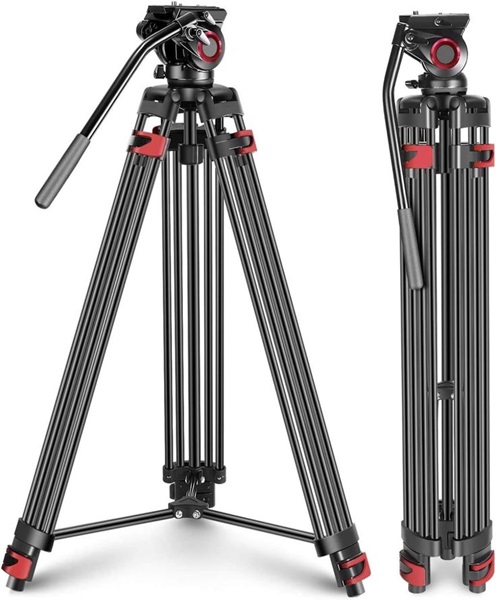
Fluid Head Tripod Hire and Rental in Kenya
Smooth camera movement is an important part of professional video production. Whether filming a conference, recording a documentary, covering a concert or producing a corporate interview, camera movements should appear controlled and deliberate. Sudden jerks, uneven pans and unstable tilts can distract viewers and reduce the overall quality of the footage. A fluid head tripod helps video operators achieve smoother camera movements while maintaining a stable support platform.
Janeson Rentals offers fluid head tripod hire and rental in Kenya for filmmakers, videographers, broadcasters, production companies, content creators, event organisers and businesses. Hiring a fluid head tripod provides access to specialised camera support for a particular production without requiring the client to purchase and maintain a complete tripod system.
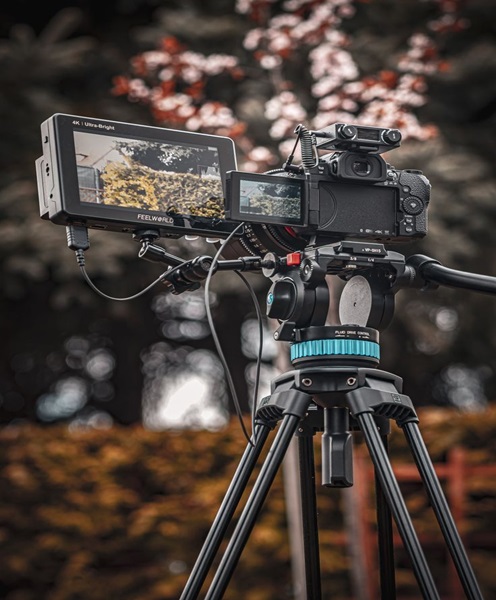
A fluid head tripod combines tripod legs with a video head designed to control horizontal panning and vertical tilting. Depending on the model, the head may feature fluid damping, adjustable drag, counterbalance, independent movement locks, a sliding camera plate and a levelling mechanism. These features help operators position and move compatible cameras with greater control.
Fluid head tripods are particularly useful when filming subjects that move across a scene or when a production requires deliberate camera movements. They can support suitable mirrorless cameras, DSLRs, camcorders, cinema cameras and professional broadcast cameras, provided the tripod’s load capacity and mounting system are appropriate.
What Is a Fluid Head Tripod?
A fluid head tripod is a camera support system that uses a specialised video head to provide controlled movement during recording. The tripod legs hold the equipment securely, while the fluid head allows the camera to pan horizontally and tilt vertically.
The head uses a damping mechanism to create resistance during movement. This resistance helps reduce sudden, jerky camera movements and allows the operator to perform smoother adjustments.
A fluid head is different from a basic photography ball head. A ball head is designed mainly for quickly positioning a camera for still photography, whereas a fluid video head is designed to provide controlled movement along separate pan and tilt axes.
Depending on the model, a fluid head tripod may include:
-
Fluid-damped pan and tilt mechanisms.
-
A removable or adjustable pan handle.
-
Independent pan and tilt locks.
-
Adjustable drag controls.
-
Counterbalance settings.
-
A sliding quick-release camera plate.
-
A levelling base or bowl.
-
Adjustable tripod legs.
-
A spreader for additional leg support.
Not all fluid heads have every feature. The appropriate configuration depends on the camera weight, intended movements and production requirements.
Why Hire a Fluid Head Tripod Instead of Buying One?
A specialised video tripod can be an important investment for professional production work. However, not every photographer, videographer or organisation needs to own one permanently.
1. Access Specialised Camera Support
A fluid head tripod is designed for video applications that require controlled panning and tilting. Hiring provides access to this type of support for projects where smooth camera movement is important.
2. Reduce Equipment Purchase Costs
Professional fluid heads and tripod systems are available in different specifications and price categories. Hiring can help clients avoid purchasing equipment for occasional filming assignments.
This is particularly useful for independent filmmakers, small production companies, marketing agencies and event organisers.
3. Match the Tripod to the Camera Setup
A compact mirrorless camera and a fully equipped cinema camera rig have different support requirements. Hiring allows the production team to consider the complete camera configuration before selecting the appropriate tripod.
4. Support Temporary Productions
A documentary, concert, conference or corporate video project may require additional camera-support equipment for a limited period. Rental makes it possible to expand the production setup without adding permanent equipment to the organisation’s inventory.
5. Avoid Long-Term Storage and Maintenance
Professional tripod systems require careful handling and storage. Renting can be convenient for clients who do not regularly use specialised camera support equipment.
Events and Productions That Require Fluid Head Tripods
Fluid head tripods are useful in many production environments where the camera needs to remain stable while making controlled movements.
Film and Documentary Production
Filmmakers use fluid head tripods for establishing shots, interviews, tracking movements and scenes that require deliberate camera positioning.
A documentary may involve filming people, buildings, landscapes, activities and interviews. A fluid head helps the operator follow movement smoothly while keeping the camera supported.
For longer lenses, smooth movement becomes particularly important because even small camera movements can appear exaggerated in the footage.
Corporate Conferences and Seminars
Corporate conferences often involve speakers moving across a stage, panel discussions and presentations. A fluid head tripod allows the camera operator to follow a speaker or adjust the framing without abruptly repositioning the camera.
It can also support fixed camera positions for recording presentations and keynote speeches.
Church Services and Livestreaming
Church productions may use fluid head tripods to capture sermons, worship teams, choirs and other activities during services.
A camera operator can use controlled panning to follow a preacher moving across the stage or tilting to adjust the framing between different performers.
For multi-camera livestreams, fluid head tripods can support cameras assigned to specific areas of the auditorium.
Concerts and Live Entertainment
Concerts involve performers moving across the stage, changing lighting conditions and different performance areas. A fluid head tripod helps operators follow musicians and performers with smoother camera movements.
It can also be used to create controlled wide shots, stage pans and close-up compositions, depending on the lens and camera position.
Interviews and Studio Production
Interviews usually benefit from stable camera framing. A fluid head tripod can be used for a fixed composition or for small adjustments when the presenter or interviewee changes position.
In studio productions, it can also support controlled movements between participants and different areas of the recording space.
Sports and Outdoor Events
Sports coverage requires cameras to follow subjects moving across a playing area. A fluid head tripod can help an operator pan smoothly while keeping the camera supported.
The head’s movement range, drag settings and payload capacity should be considered according to the camera and lens being used.
Important Features to Consider When Hiring a Fluid Head Tripod
Choosing a fluid head tripod requires attention to both the head and the tripod legs. The complete system must be suitable for the camera configuration and the movements required.
Fluid Damping
Fluid damping provides resistance during pan and tilt movements. This helps the operator control how quickly the camera moves and reduces abrupt movements.
The performance of fluid heads varies. Some have fixed damping, while others provide adjustable resistance on one or both axes.
Pan and Tilt Controls
Panning is the horizontal movement of the camera, while tilting is its vertical movement.
Separate controls allow the operator to manage each movement independently. This is useful when following a person walking across a stage or adjusting the camera to capture a subject at a different height.
Drag Adjustment
Drag controls the resistance felt when moving the camera. Some professional fluid heads provide adjustable pan and tilt drag.
Drag should not be confused with counterbalance. Drag influences how smoothly the head moves, while counterbalance helps support the camera’s weight during tilting.
Electronic Australia+1
Counterbalance
Counterbalance helps prevent a camera from tipping forward or backward when the head is tilted. It is particularly useful when working with heavier cameras or rigs that have accessories mounted above or around the camera body.
The counterbalance range should match the actual camera configuration. A head should not be overloaded or expected to compensate for an unsuitable camera weight.
Load Capacity
The complete camera setup must fall within the supported limits of the tripod head and legs.
Consider the combined weight of the camera body, lens, battery, monitor, microphone, cage and other mounted accessories. The head’s payload rating and the tripod legs’ rating should both be checked.
Sliding Quick-Release Plate
A sliding camera plate allows the operator to position the camera on the head and balance the equipment appropriately.
Plate compatibility is important because different tripod heads may use different mounting systems. Confirm that the plate fits the head and camera arrangement before use.
Levelling System
Some fluid head tripods use a levelling bowl or another levelling mechanism to help position the head horizontally.
This can make setup easier when the ground is not perfectly level. The head and tripod base must have compatible mounting arrangements.
Tripod Legs and Spreader
The tripod legs provide the foundation for the entire camera setup. Their construction, height, locking system and spreader design affect stability and portability.
Choose a tripod with suitable support capacity for the camera and the intended filming environment.
Fluid Head Tripod vs Standard Video Tripod
A video tripod is a broad category of tripod designed for video recording. A fluid head tripod is a more specific description that highlights the type of head used.
Many professional video tripods are equipped with fluid heads, but not every tripod marketed for video recording offers the same damping, drag or counterbalance features.
For this reason, our Fluid Head Tripod article focuses specifically on the movement-control system and its benefits, while our Video Tripod article covers the broader range of tripod support options for videography.
When arranging a rental, it is important to confirm whether the head has fixed or adjustable drag, whether counterbalance is available and whether its payload range suits the camera.
Equipment That Complements a Fluid Head Tripod
A fluid head tripod can be used alongside several other pieces of production equipment.
-
Professional video cameras: Compatible cameras can be mounted for stable recording and controlled movement.
-
Shoulder-mount cameras: Suitable models can be mounted using compatible tripod plates.
-
Cinema cameras: Camera rigs can be supported when their weight falls within the tripod’s limits.
-
Camera lenses: Lens selection affects the weight and balance of the mounted camera.
-
External monitors: These help operators check framing, focus and exposure.
-
Video switchers: Multiple camera feeds can be selected during live production.
-
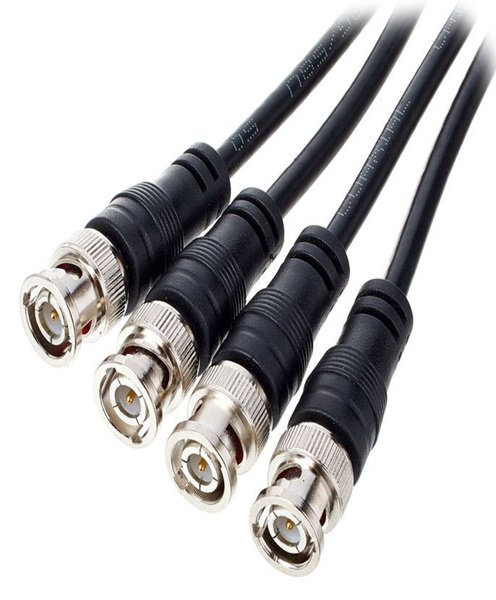
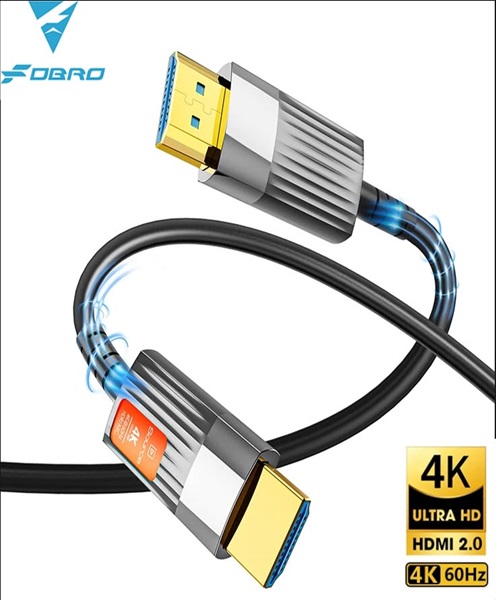
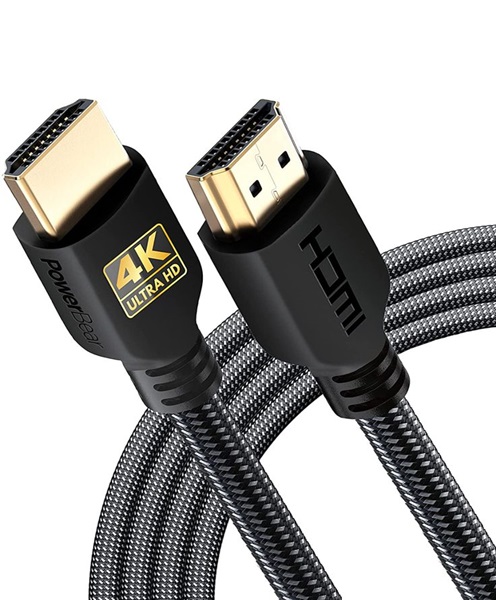
HDMI and SDI cables: These connect compatible cameras to external monitors and video equipment.
-
Camera batteries: These support extended recording sessions.
-
Microphones: These capture speech and other audio during production.
-
Camera lighting: Lighting equipment helps illuminate the subjects being filmed.
The camera, tripod head, plate and accessories should be checked for compatibility before the production.
Tips for Using a Fluid Head Tripod Professionally
Proper setup is essential for achieving smooth camera movements.
First, position the tripod on a stable surface and secure the leg locks. Make sure the camera is mounted correctly and that the quick-release plate is locked into place.
Next, balance the camera according to the head’s instructions. The full camera configuration should be considered, including the lens, battery, monitor and other accessories.
Adjust the drag settings where available. Begin with a movement that is comfortable for the camera’s weight and the type of shot being recorded.
When panning or tilting, use the handle to guide the movement gradually. Avoid sudden starts and stops, especially when recording close-up footage.
Finally, check the camera’s stability, movement range and framing before beginning the production. Keep cables arranged so that they do not pull against the camera or tripod during operation.
Why Choose Janeson Rentals for Fluid Head Tripod Hire in Kenya?
Janeson Rentals provides equipment hire and rental solutions for videographers, filmmakers, production companies, broadcasters, businesses and event organisers in Nairobi and across Kenya.
We understand that professional camera support must match the camera and the production style. A lightweight mirrorless camera used for interviews may need a different tripod configuration from a broadcast camera or a fully equipped cinema rig.
Clients seeking fluid head tripod hire can enquire for documentaries, conferences, interviews, livestreams, concerts, studio productions and corporate video projects.
When requesting a rental, share the camera model, complete equipment weight, required tripod height and type of camera movements needed. It is also helpful to explain whether the equipment will be used indoors, outdoors or in a studio.
These details help establish the appropriate support requirements and identify any compatibility considerations before the booking.
Book Fluid Head Tripod Hire and Rental in Nairobi and Across Kenya
A suitable fluid head tripod helps operators maintain stable camera positioning and achieve controlled pan-and-tilt movements during professional video production.
Whether you are filming a documentary, recording a conference, covering a concert, producing a corporate interview or preparing a livestream, Janeson Rentals offers fluid head tripod hire and rental solutions in Nairobi and across Kenya.
Contact Janeson Rentals to enquire about fluid head tripod rental for your next production. Share your camera specifications and filming requirements so that suitable equipment can be considered.