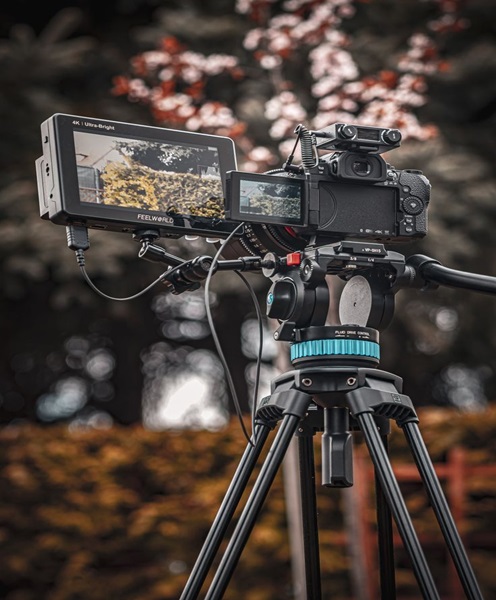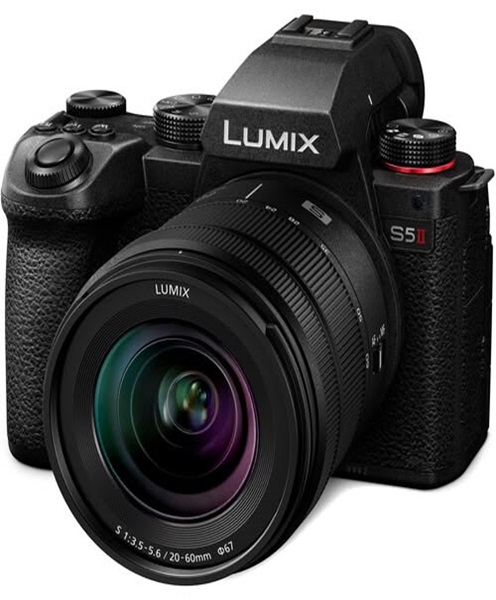
Full-Frame Video Camera Hire and Rental in Kenya
Professional video production requires equipment that can capture detailed images, handle different lighting conditions and support the creative demands of modern filmmaking. Whether you are producing a corporate documentary, recording an interview, filming a promotional campaign or creating cinematic content for a major event, choosing the right camera is an important part of achieving excellent results. A full-frame video camera is a valuable option for production teams that need creative flexibility, professional image quality and control over their visual style.
At Janeson Rentals, we provide full-frame video camera hire and rental services in Nairobi, Kenya, for filmmakers, production companies, photographers, content creators, event organisers, marketing agencies and businesses. Renting allows you to access professional camera equipment for the duration of your project without making the significant investment required to purchase a camera.
A full-frame video camera is particularly useful for productions where image quality, depth of field, low-light performance and lens flexibility matter. From commercial advertisements and interviews to weddings, documentaries and branded content, this type of camera can support a wide range of professional video applications.
What Is a Full-Frame Video Camera?
A full-frame video camera is a camera that uses a sensor approximately the same size as a traditional 35mm film frame. The larger sensor provides a broad imaging area that can offer advantages in image quality, depth of field control and low-light performance, depending on the camera design, lens and recording settings.
Full-frame cameras are popular in professional video production because they provide filmmakers with creative control over the appearance of their footage. They can produce a natural separation between the subject and the background, making them suitable for interviews, portraits, cinematic scenes and commercial productions.
The full-frame format is not limited to one camera design. Full-frame sensors are found in dedicated cinema cameras, professional mirrorless cameras and hybrid cameras designed for both photography and video. The right choice depends on the production’s requirements, recording workflow, lens needs and available accessories.
For production teams in Kenya, hiring a full-frame video camera can make it easier to undertake demanding projects without purchasing equipment that may only be required for a limited period.
Why Hire a Full-Frame Video Camera?
Purchasing professional video equipment can involve a considerable financial commitment. A camera body is only one part of the investment; production teams may also need lenses, batteries, memory cards, monitors, tripods, audio equipment and other accessories.
Hiring offers a practical alternative, particularly when equipment is needed for a specific project or event.
Access Professional Imaging Equipment
A full-frame video camera gives production teams access to a sensor format widely used in professional filmmaking and commercial video production. It can support projects where image quality and creative control are important.
Rather than purchasing a camera outright, you can hire equipment for the length of your production and allocate more of your budget to other essential areas such as lighting, sound, locations and post-production.
Greater Creative Control
Full-frame cameras can provide greater control over depth of field when paired with suitable lenses and shooting settings. This allows filmmakers to create a visually distinctive image, including backgrounds that appear softly out of focus while the main subject remains sharp.
This is particularly useful when recording interviews, product advertisements, portraits and cinematic scenes.
Useful for Different Production Environments
A full-frame camera can be used across indoor and outdoor productions, provided the camera and supporting equipment are appropriate for the environment. It can support studio filming, location shoots, corporate productions, event coverage and independent filmmaking.
Flexible Lens Options
Many full-frame camera systems support interchangeable lenses. Depending on the camera’s mount, available lenses may include wide-angle, standard, portrait, telephoto and specialist lenses.
This flexibility allows production teams to choose an appropriate field of view for each scene. Lens compatibility should always be confirmed before booking, especially when a project requires a specific focal length or lens system.
Cost-Effective Project Planning
Hiring is useful for production companies that work on different types of projects. Instead of maintaining a large inventory of cameras, a team can select equipment according to the requirements of each assignment.
It is also a practical option for businesses, organisations and independent creators that need professional video equipment occasionally.
Applications of Full-Frame Video Camera Rental in Kenya
A full-frame video camera can serve many different production requirements. Its suitability depends on the camera’s capabilities, lens selection and supporting equipment.
Corporate Video Production
Businesses use professional video content to communicate their services, introduce their teams, share company milestones and promote their brands.
A full-frame camera can help produce polished corporate videos for websites, presentations, internal communication and marketing campaigns. It is particularly useful for interviews with executives, employee profiles, company introductions and customer testimonials.
Commercial Advertising and Brand Campaigns
Advertising agencies and production teams often need equipment that provides creative control over lighting, framing and visual presentation.
A full-frame video camera can be used to capture product demonstrations, promotional campaigns, brand stories and social media advertisements. Suitable lenses can help create close-up product shots, wide environmental scenes and visually engaging portraits.
Documentary Filmmaking
Documentary productions frequently involve changing locations, different lighting conditions and a mixture of interviews and observational footage.
A full-frame camera can support documentary work where image quality, lens flexibility and controlled visual presentation are important. Before choosing a camera, filmmakers should consider recording duration, power requirements, media capacity and the need for additional audio equipment.
Interviews and Professional Talking-Head Videos
Interviews are a common requirement for businesses, educational institutions, non-governmental organisations and media production teams.
A full-frame camera paired with an appropriate lens can create a professional interview image with controlled background separation. For a complete setup, production teams should also plan for suitable microphones, lighting, a tripod and a monitoring solution.
Weddings and Special Events
Wedding filmmakers can use full-frame cameras to capture preparations, ceremonies, speeches, portraits and reception activities.
The ability to select different lenses can help a videographer move between wide venue shots, close-up details and individual moments. For event coverage, it is important to consider autofocus performance, stabilisation, battery capacity, recording limits and backup arrangements.
Music Videos and Creative Productions
Music video directors and independent filmmakers often use full-frame cameras to achieve a particular visual style. The camera can support carefully composed shots, dramatic lighting, controlled backgrounds and different focal lengths.
The final appearance will also depend on lighting design, lens characteristics, camera movement, colour grading and the production’s overall creative direction.
Educational and Training Videos
Schools, colleges, universities, training providers and organisations can use professional cameras to record lessons, demonstrations, interviews and instructional content.
Hiring a full-frame video camera is useful when producing a series of training videos or recording an important educational project without purchasing a permanent camera setup.
Important Features to Consider Before Hiring
Choosing a full-frame video camera requires more than looking at the sensor size. The right equipment should match the intended production and workflow.
Video Resolution
Resolution determines the dimensions of the recorded video. Depending on the camera, available recording options may include Full HD, 4K or higher resolutions.
A production team should select a resolution that meets its delivery requirements and editing capabilities. Higher-resolution recording can require more storage space and greater processing power during post-production.
Frame Rates
Frame rates determine how many frames are recorded per second. Standard frame rates are commonly used for natural-looking footage, while higher frame rates can support slow-motion effects when played back at a lower frame rate.
The required frame rates should be checked against the camera’s supported resolutions and recording modes.
Low-Light Performance
Full-frame sensors are often selected for productions that require control in challenging lighting environments. However, actual low-light performance varies between camera models and depends on sensor design, lens aperture, exposure settings and image processing.
For indoor events, interviews and evening productions, lighting should still be planned carefully rather than relying entirely on the camera.
Lens Compatibility
Lens compatibility is one of the most important considerations when hiring a full-frame camera.
Confirm the camera’s lens mount and the lenses available for the intended shoot. A lens designed for a different mount may require an adapter, and adapters do not always preserve every camera function.
Image Stabilisation
Camera movement can affect the smoothness of footage. Depending on the camera and lens, stabilisation may be available through in-body systems, optical lens stabilisation or electronic processing.
For handheld filming, check the stabilisation options and consider whether a tripod, monopod, shoulder rig or gimbal is more appropriate.
Autofocus and Manual Focus
Autofocus can be valuable when filming moving subjects, events and interviews. Manual focus remains important for controlled cinematic scenes and situations where the filmmaker needs precise control over focus transitions.
The best choice depends on the production style and the operator’s preferred workflow.
Recording Media and Power
Professional video projects require reliable storage and sufficient battery capacity. Before a shoot, confirm the supported memory-card types, recording capacity, battery arrangements and any relevant recording limitations.
For extended productions, plan for additional storage and a suitable power strategy.
Complementary Equipment for a Full-Frame Video Camera
A camera is only one component of a professional production setup. Depending on the project, additional equipment may be required.
-
Camera lenses: Wide-angle, standard, portrait and telephoto lenses help achieve different compositions.
-
Tripods: Provide stable support for interviews, presentations and controlled camera movements.
-
Camera monitors: Allow operators and directors to evaluate framing, focus and exposure.
-
Lighting equipment: Helps maintain consistent illumination in studios, offices and event venues.
-
Microphones: Capture clear dialogue, interviews and ambient sound.
-
Audio recorders: Provide additional options for professional sound recording.
-
Camera batteries: Support longer filming sessions and reduce interruptions.
-
Memory cards and storage: Provide space for high-quality video files and backup footage.
-
Camera rigs: Can improve handling and provide mounting options for compatible accessories.
-
Gimbals: Support smoother camera movement when the camera and lens combination is compatible with the stabiliser.
The correct combination depends on the camera model and the production’s technical requirements. It is advisable to plan the complete setup before the filming date.
Preparing for a Full-Frame Video Camera Rental
Good preparation helps ensure that hired equipment is used efficiently.
Start by identifying the type of content you intend to produce. A corporate interview may require a different configuration from a music video, wedding or documentary. Consider the number of filming locations, lighting conditions, expected recording duration and final video format.
You should also identify the lens requirements. A wide-angle lens may be useful for venue interiors, while a portrait lens may be more suitable for close-up interviews. If the production requires a particular look, communicate the focal length and lens characteristics needed.
Test the camera settings before the main shoot. Confirm the resolution, frame rate, exposure, focus mode, audio connections and recording media. Where possible, make a short test recording and review the footage.
For important projects, prepare a backup plan for storage and power. Running out of memory or battery power during an interview or once-in-a-lifetime event can interrupt production.
Finally, make sure the camera operator understands the equipment and the intended workflow. This is particularly important when working with advanced recording formats or a multi-camera production.
Why Choose Janeson Rentals for Full-Frame Video Camera Hire?
Janeson Rentals provides equipment hire and rental solutions for businesses, creatives, event organisers and production teams in Nairobi and across Kenya.
We understand that different projects have different technical requirements. A filmmaker producing a commercial, a company recording an executive interview and an event team filming a conference may all need different camera configurations.
Hiring from Janeson Rentals allows you to plan your equipment requirements around the project rather than committing to a permanent purchase. You can organise your production budget with greater flexibility and focus on the equipment needed for the specific assignment.
Whether you are preparing for a documentary, corporate production, promotional campaign, wedding film, music video or creative project, contact Janeson Rentals to discuss your full-frame video camera hire requirements.
When making an enquiry, provide your filming date, intended application, preferred camera specifications and any lens or accessory requirements. This helps establish the most appropriate rental arrangement for your production.
Book a Full-Frame Video Camera in Nairobi, Kenya
If you are looking for a professional full-frame video camera for an upcoming production, Janeson Rentals is ready to assist with your equipment hire enquiry.
Choose full-frame video camera rental for professional filmmaking, corporate videos, interviews, documentaries, advertisements and event coverage. Contact Janeson Rentals to discuss availability, rental arrangements and compatible production equipment.
Hire a full-frame video camera from Janeson Rentals and prepare your next video production with equipment suited to your creative and technical requirements.