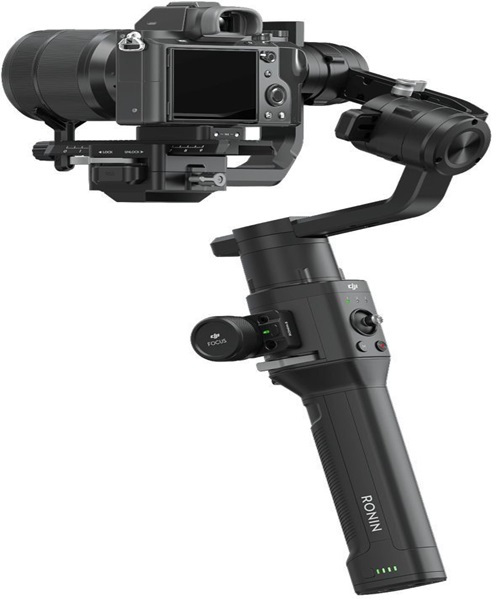
Gimbal Hire and Rental in Kenya
Capturing professional video footage requires more than a good camera. The way the camera is held and moved can have a significant effect on the final production. Even a high-quality camera can produce distracting footage when unwanted shaking, sudden movements or vibrations are visible in the recording.
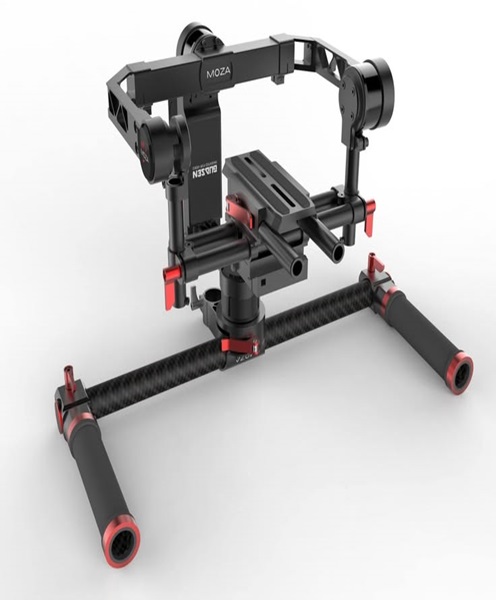
A gimbal is a camera stabilisation device designed to reduce unwanted movement and help operators capture smoother footage. It is particularly useful for handheld filming, moving shots, event coverage, documentaries, weddings, promotional videos and social media content.
At Janeson Rentals, we provide gimbal hire and rental solutions in Nairobi and across Kenya for videographers, filmmakers, photographers, content creators, production companies and event organisers.
Whether you are recording a wedding, filming a corporate event, producing a music video, creating a commercial or capturing behind-the-scenes content, a suitable gimbal can help you achieve more controlled camera movement.
Renting a gimbal allows you to access specialised stabilisation equipment for a particular shoot without purchasing and maintaining it permanently. If you are searching for gimbal hire in Kenya, Janeson Rentals can help you discuss the equipment requirements for your production.
What Is a Gimbal?
A gimbal is a stabilisation device that supports a camera or smartphone and helps compensate for unwanted movement.
Many camera gimbals use motorised stabilisation across three axes:
-
Pan axis: Helps stabilise horizontal rotational movement.
-
Tilt axis: Helps stabilise vertical rotational movement.
-
Roll axis: Helps reduce unwanted rotation that causes the horizon or frame to tilt.
By compensating for certain movements, a motorised gimbal can help keep the camera’s framing more consistent while the operator walks, follows a subject or changes position.
Different gimbals are designed for different equipment. Some are intended for smartphones, while others support compatible mirrorless cameras, DSLR cameras or selected professional camera configurations.
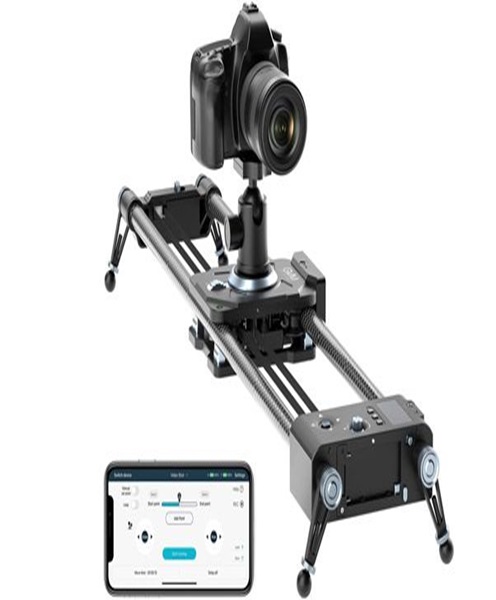
A gimbal is not the same as a tripod, camera slider or camera jib. A tripod provides stationary support, a slider moves a camera along a track, and a jib creates elevated movement using an arm. A gimbal is primarily designed to stabilise a moving camera.
Why Hire a Gimbal?
Gimbal rental is a practical option for production teams that need stabilised camera movement for specific assignments.
1. Capture Smoother Handheld Footage
Walking while holding a camera can introduce unwanted movement into video recordings. A gimbal helps compensate for many of these movements, making it easier to capture smoother footage while moving.
This is useful for event coverage, documentaries, promotional videos and behind-the-scenes recordings.
2. Improve Moving Camera Shots
A gimbal allows the operator to move around a subject while maintaining more controlled framing.
For example, a videographer can follow a person walking through a venue, move alongside a performer or capture a moving shot through an exhibition space.
3. Create Professional Event Videos
Events often involve changing locations, active participants and moments that cannot easily be recreated. A gimbal helps videographers move around the venue while capturing stabilised footage.
It can be useful for weddings, conferences, concerts, exhibitions, birthday parties and corporate functions.
4. Support Creative Filmmaking
Gimbals allow operators to explore different camera angles and movement techniques. They can be used for tracking shots, follow shots, reveal movements and controlled camera approaches.
These techniques can make a film or promotional video more visually engaging.
5. Improve Content Creation
Content creators can use gimbals to capture smoother footage for YouTube, Instagram, TikTok and other digital platforms.
They are useful for travel videos, fashion content, tutorials, product demonstrations, lifestyle videos and interviews recorded while moving.
6. Reduce the Need for Permanent Ownership
Professional gimbals may involve specialised motors, batteries, mounting plates and balancing requirements.
Hiring allows you to access suitable equipment when needed without making a long-term purchase. It is particularly useful for freelancers, independent filmmakers, students and small production businesses.
Applications of Gimbal Rental in Kenya
Wedding Videography
Wedding videographers often need to move around the venue to capture preparations, ceremonies, receptions and interactions between guests.
A gimbal can help produce smoother moving footage as the videographer follows the wedding couple, captures the bridal party or moves through the reception area.
It is also useful for creative detail shots of wedding décor, flowers, table arrangements and venue features.
Corporate Event Filming
Corporate events involve a variety of activities, including presentations, networking, exhibitions, award ceremonies and product launches.
A gimbal can help the production team move through the venue while capturing footage of attendees, speakers, displays and event activities.
It can also support promotional videos and corporate event highlight productions.
Music Video Production
Music video production often involves movement around performers, changing camera angles and creative tracking shots.
A gimbal can help operators follow performers, move around a scene or create controlled movements that complement the music and visual direction.
Film and Documentary Production
Filmmakers and documentary teams frequently work in environments where a stationary tripod is not practical.
A gimbal can support moving shots through buildings, outdoor locations, workplaces and public environments.
It can also help capture observational footage while the operator follows a subject.
Commercial and Promotional Videos
Brands use video content to communicate their products, services and identity.
A gimbal can help create polished promotional footage of business premises, customer experiences, products, staff activities and commercial environments.
Real Estate and Property Videos
Real estate videographers can use gimbals to move through properties while capturing interior and exterior spaces.
A controlled walkthrough can help viewers understand the layout of a property, see the relationship between rooms and appreciate architectural details.
Travel and Tourism Content
Travel videographers can use gimbals to record walking shots, landscapes, attractions, hotels, restaurants and cultural experiences.
The stabilisation can be particularly useful when moving through busy locations or following a subject outdoors.
Social Media Content Creation
Creators producing fashion videos, lifestyle content, tutorials, food videos and travel reels can benefit from stabilised footage.
A suitable gimbal can make it easier to capture smooth moving shots without requiring a large production crew.
Sports and Outdoor Filming
Some gimbals can be useful when following athletes, performers or other moving subjects. The suitability depends on the speed of movement, camera weight, operator skill and stabilisation system.
For demanding sports coverage, the camera and gimbal combination should be selected carefully.
Types of Gimbals Available for Different Production Needs
Gimbals vary in size, payload capacity, design and compatibility. The correct type depends on the camera being used and the intended filming style.
Smartphone Gimbal
A smartphone gimbal is designed to stabilise compatible mobile phones.
It is useful for social media creators, travel videographers, vloggers, small businesses and content creators who primarily record using smartphones.
Depending on the model, it may offer additional functions such as tracking, remote control, adjustable shooting modes and built-in controls.
DSLR Camera Gimbal
A DSLR gimbal is designed to support compatible DSLR camera setups.
It is useful for videographers who work with interchangeable-lens cameras and need stabilisation while moving around a subject.
The camera body, lens and accessories must remain within the gimbal’s supported payload.
Mirrorless Camera Gimbal
Mirrorless camera gimbals are designed for compatible mirrorless camera configurations.
They are frequently used for commercial videos, weddings, documentaries, interviews and independent filmmaking.
When selecting one, consider the combined weight and dimensions of the camera, lens, cage, microphone and other accessories.
Professional Camera Gimbal
Professional gimbals are intended for more demanding video production setups.
Depending on the model, they may support heavier cameras, larger lenses and additional accessories. Some systems provide advanced operating modes and remote-control options.
The complete camera rig must be checked against the equipment’s payload and compatibility requirements.
Wearable and Action Camera Stabilisation
Some stabilisation systems are designed for lightweight action cameras and specialised filming applications.
They can be useful for travel, outdoor activities, sports content and dynamic point-of-view footage. Not every camera gimbal is compatible with action cameras, so the mounting arrangement must be confirmed.
Understanding Gimbal Operating Modes
Different gimbals may provide different operating modes. These modes affect how the stabiliser responds to the operator’s movements.
Pan Follow Mode
In pan follow mode, the gimbal allows horizontal camera movement to follow the operator’s direction while helping stabilise other axes.
It is useful for tracking a subject from side to side or gradually changing the camera’s horizontal framing.
Pan and Tilt Follow Mode
Some gimbals provide a mode that allows both horizontal and vertical camera movement to follow the operator’s input.
This can be useful when the camera needs to follow a subject moving through different heights or when the operator wants more freedom to adjust the composition.
Lock Mode
Lock mode attempts to maintain the camera’s direction while the operator moves.
It is useful for shots where the camera should continue pointing towards a selected subject or direction.
Follow Mode
Follow modes allow the gimbal to respond to selected operator movements. The precise behaviour depends on the equipment model and settings.
Special Movement Modes
Certain gimbals may offer additional modes for specialised shots, such as controlled rotation, subject tracking, panorama capture or time-lapse movements.
These functions are model-dependent and should be checked before arranging a rental.
Important Factors When Choosing a Gimbal for Hire
Before booking a gimbal, consider the following factors to ensure that the equipment suits your camera and production.
-
Payload capacity: Confirm that the gimbal can support the combined weight of your camera and accessories.
-
Camera compatibility: Check whether the gimbal supports your camera model and lens configuration.
-
Camera dimensions: Some camera and lens combinations may physically interfere with the gimbal even when their weight is within the stated limit.
-
Axis stabilisation: Consider the type of movement and stabilisation required.
-
Battery life: Confirm the expected operating time and charging arrangements.
-
Control options: Check whether the system uses built-in controls, a remote or a compatible application.
-
Tracking functions: If you need subject tracking, confirm that the selected equipment supports it.
-
Mounting accessories: Establish whether you need a camera plate, cage, smartphone holder or other compatible mounting equipment.
-
Operating environment: Consider whether the gimbal will be used indoors, outdoors, in crowded venues or in locations requiring extended movement.
-
Operator experience: Allow time to learn the balancing and operating controls before the actual production.
Gimbal vs Tripod: Which One Should You Hire?
A tripod and a gimbal serve different purposes.
A tripod is designed to hold a camera in a stable, stationary position. It is useful for interviews, speeches, presentations, studio recording and static video shots.
A gimbal is designed to stabilise a camera while it is moving. It is useful for tracking shots, walking footage, event coverage and dynamic video production.
For a conference presentation, a tripod may be more appropriate when the camera needs to remain in one position. For a wedding videographer following the couple through a reception, a gimbal may be more useful.
Professional productions often use both types of support equipment because they serve different shooting requirements.
Gimbal vs Camera Slider and Camera Jib
A gimbal is designed for stabilised movement while the operator carries or controls the camera.
A camera slider moves a camera carriage along a fixed track. It is useful for controlled linear movements, product videos and repeatable camera slides.
A camera jib uses a pivoting arm to create elevated and sweeping camera movements. It is useful for crane-style shots and wide visual reveals.
These tools are not interchangeable. Choosing the right one depends on the intended camera movement, location and production style.
Equipment That Can Complement a Gimbal
Depending on the production, you may also require:
-
Professional video camera or cinema camera.
-
DSLR or mirrorless camera.
-
Compatible camera lenses.
-
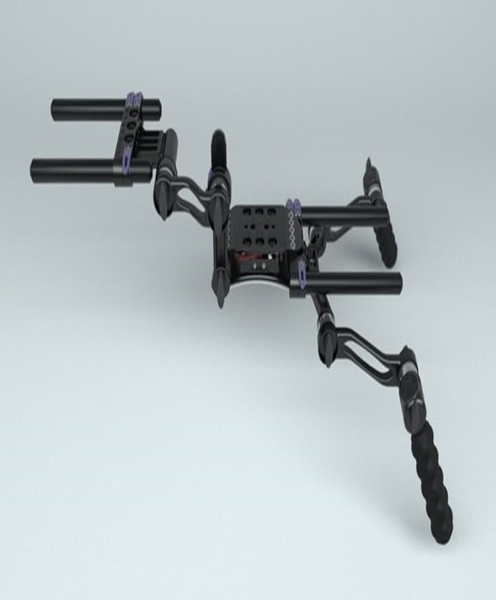
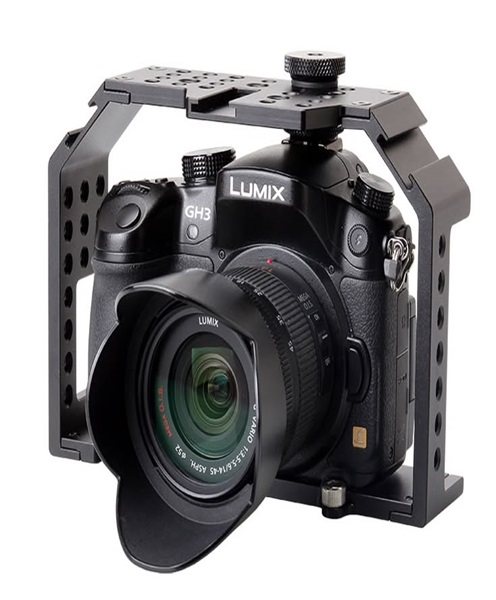
Camera cage and mounting accessories.
-
External camera monitor.
-
Wireless video transmission equipment.
-
Camera batteries and charging accessories.
-
Microphones and audio recording equipment.
-
Lighting equipment.
-
Tripod for stationary camera positions.
-
Camera slider for controlled track-based movement.
-
Camera jib for elevated camera movements.
The equipment combination should be planned around the camera’s compatibility with the selected gimbal.
Preparing for a Gimbal Shoot
A successful gimbal shoot begins with selecting a compatible camera configuration.
Before filming, balance the camera according to the equipment manufacturer’s instructions. Correct balancing helps the motors operate as intended and reduces unnecessary strain.
Check that the camera is securely attached and that cables, monitors and other accessories do not obstruct the movement of the gimbal arms.
Once balanced, calibrate the stabiliser if the equipment requires it. Test the operating modes and practise the intended movements before recording.
When walking with a gimbal, use controlled steps and avoid sudden changes in direction. Although a gimbal helps reduce unwanted movement, it does not automatically eliminate every vibration or impact caused by walking.
Plan your movement path carefully, particularly when filming in crowded event venues. Keep the equipment clear of guests, cables, furniture and other obstacles.
For long productions, check battery levels and plan charging or replacement arrangements.
Why Choose Janeson Rentals for Gimbal Hire in Kenya?
Janeson Rentals provides equipment hire solutions for events, productions and creative projects. Our rental services support clients who need specialised equipment for specific assignments.
Equipment for Different Creative Projects
Our equipment rental solutions are suitable for videographers, filmmakers, photographers, content creators, event organisers, agencies and corporate clients.
Convenient Rental Arrangements
Hiring a gimbal allows you to access stabilisation equipment for the duration of your project without purchasing it permanently.
Support for Event and Video Production
Whether you are recording a wedding, producing a commercial, covering a conference or creating digital content, you can discuss your equipment requirements with Janeson Rentals.
Nairobi-Based Service Across Kenya
Janeson Rentals is based in Nairobi and serves clients across Kenya. Contact us with your production location, camera setup and rental dates to discuss the appropriate arrangements.
Book Gimbal Hire and Rental with Janeson Rentals
Are you planning a wedding video, commercial production, documentary, music video, corporate event or social media project? A suitable gimbal can help you capture smoother moving footage and create more engaging camera movements.
Janeson Rentals offers gimbal hire and rental in Kenya for filmmakers, videographers, content creators and event production teams.
When making an enquiry, provide your camera or smartphone model, lens configuration, production date, location and intended filming requirements. This will help establish which type of gimbal is suitable for your project.
Contact Janeson Rentals today for gimbal hire in Nairobi and across Kenya, and capture smoother, more professional footage for your next production.