Headphone Splitter for Hire and Rental in Kenya
A headphone splitter is a practical audio accessory that allows more than one pair of compatible headphones or earphones to connect to a shared audio output. It is useful in situations where two or more people need to listen to the same audio source without relying on loudspeakers.
For events, training programmes, media production and educational activities, headphone splitters can help create convenient shared listening arrangements. Instead of requiring every listener to have a separate playback device, a compatible splitter can distribute one audio output to multiple wired listening devices.
At Janeson Rentals, we provide headphone splitters for hire and rental in Nairobi for event organisers, production teams, businesses, educational institutions and private clients across Kenya. Whether you are preparing a group listening activity, a multimedia presentation, a recording session or a temporary audio setup, hiring the right accessories can help you organise your equipment efficiently.
Headphone splitters are available in different designs, connector formats and configurations. Some have two output connections, while others support more listening devices. It is important to understand the type of splitter required because not every splitter supports the same audio connections or functions.
What Is a Headphone Splitter?
A headphone splitter is an audio adapter designed to connect multiple headphones or earphones to one compatible audio output. It takes the signal from a source device and distributes it to two or more listening devices.
A common example is a splitter with one input plug and two headphone output sockets. The input connects to a device such as a laptop, tablet, smartphone or audio player, while the output sockets connect to two pairs of wired headphones.
This arrangement allows two people to listen to the same audio simultaneously. Depending on the splitter design and the connected equipment, the audio may be shared in stereo or another supported configuration.
Some splitters are designed for simple headphone sharing, while others are intended for more specialised applications. For example, a headset splitter may separate microphone and headphone connections, while a multi-output headphone distribution amplifier provides more controlled amplification for several listeners.
Understanding the difference is important when planning an event or production.
How Does a Headphone Splitter Work?
A basic headphone splitter distributes an audio signal from one source to multiple headphone connections. It does not normally create separate audio programmes or allow each listener to select different content.
For example, if a laptop is playing a recorded presentation and two pairs of headphones are connected through a compatible splitter, both listeners receive the same programme.
The audio source remains responsible for generating the sound. The splitter simply provides additional connection points.
The number of outputs, connector format and electrical design influence how well a splitter works with a particular setup. When several headphones are connected to one output, the combined electrical load may affect the volume or performance of the source device. A passive splitter does not provide independent amplification for every connected listener.
For larger listening arrangements, an active headphone distribution amplifier may be more suitable. This type of equipment is designed to provide amplified headphone outputs and may offer individual volume controls.
Why Hire a Headphone Splitter Instead of Buying?
A headphone splitter is a small accessory, but it can be important when organising temporary audio activities. Hiring can be useful when you need additional connection options for a specific event or project.
Cost-Effective for Temporary Use
If your organisation only occasionally needs multiple headphone connections, purchasing several accessories may not be necessary.
Hiring allows you to arrange the required equipment for the duration of your project without maintaining permanent stock.
Convenient for Group Listening
A splitter can help two or more people listen to the same audio source, depending on its number of outputs and technical limitations.
This can be useful for demonstrations, training sessions, editing reviews and collaborative listening activities.
Supports Existing Audio Equipment
A compatible splitter can extend the connection options of an existing device. Rather than purchasing another playback device for every listener, you can use one suitable audio source for a shared listening arrangement.
Flexible Event Planning
Different projects may require different numbers of headphone connections. Hiring makes it easier to plan for temporary requirements, subject to the available splitter configuration and compatibility.
Reduced Storage Requirements
Organisations that only occasionally conduct group listening activities may prefer not to purchase and store accessories that are rarely used.
Applications of Headphone Splitters
Headphone splitters can be useful in different environments where multiple people need to listen to one audio source.
Corporate Training and Workshops
Training programmes often involve recorded presentations, instructional videos and multimedia demonstrations. A headphone splitter can allow two or more participants to listen to the same material through one compatible device.
This can be useful during small group exercises, demonstrations and computer-based training activities.
For larger training groups, organisers should consider whether a multi-output headphone amplifier or dedicated listening distribution system would be more appropriate.
Conferences and Presentations
Some conferences and business presentations include recorded audio, video demonstrations or other multimedia content.
A headphone splitter may be useful for small listening arrangements where several people need to review the same material privately.
For larger audiences, a venue-wide audio distribution system or interpretation equipment may be required instead of relying on simple splitters.
Video and Audio Production
Media production teams sometimes need to review audio with another person. For example, an editor and production assistant may want to listen to the same playback from a laptop or compatible audio interface.
A headphone splitter can provide an additional listening connection without requiring a separate playback device.
However, when accurate monitoring is essential, the team should consider the electrical load and output capability of the source device.
Podcast and Recording Sessions
During podcast production, a presenter and producer may need to listen to the same playback or recorded material. A splitter can support a simple two-person listening arrangement.
For sessions involving several presenters, guests and technical staff, a headphone amplifier with multiple outputs may provide better control.
It is also important to distinguish between sharing a playback signal and creating independent monitor mixes. A basic splitter distributes the same signal to every connected listener.
Educational Institutions
Schools, colleges and universities may use headphone splitters during language lessons, multimedia activities and computer-based demonstrations.
Two students can listen to the same audio content through compatible earphones while working together on an assignment.
For computer laboratories and larger learning environments, institutions should assess the number of learners, available audio outputs and whether separate listening stations are required.
Product Demonstrations and Exhibitions
Exhibitors sometimes need visitors or staff members to listen to a product demonstration without broadcasting sound throughout the exhibition space.
A headphone splitter can be useful for a small demonstration involving a limited number of listeners. Larger interactive displays may require a more extensive audio distribution arrangement.
Technical Testing and Equipment Review
Technicians may use splitters to allow another team member to listen to a test signal or playback during equipment checks.
For professional testing, it is important to ensure that the splitter does not introduce unwanted changes to the signal or cause the headphone output to operate outside its intended load.
Types of Headphone Splitters
Not all headphone splitters serve the same purpose. Choosing the correct type helps avoid connection problems.
Two-Way Headphone Splitter
A two-way headphone splitter is designed to connect two compatible pairs of headphones or earphones to one audio output.
It is commonly used for shared listening, computer-based activities and small demonstrations.
Multi-Output Headphone Splitter
A multi-output splitter provides several headphone connections from a shared source. The number of outputs varies according to the product.
For applications involving multiple listeners, it is important to check whether the splitter is passive or powered. A passive splitter may not provide sufficient output level when several headphones are connected.
Headset Splitter
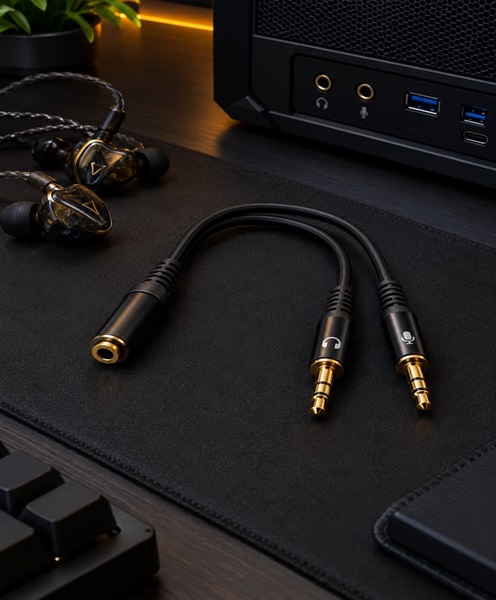
A headset splitter is designed for devices that combine headphone and microphone connections in one socket or require separate microphone and headphone plugs.
For example, a compatible headset splitter may separate a combined connection into distinct microphone and headphone connections.
This type of accessory is different from a standard headphone-sharing splitter. It should only be selected after confirming the connection arrangement supported by the source device and headset.
Stereo Audio Splitter
A stereo audio splitter distributes a compatible stereo signal to multiple headphone outputs. It is suitable for shared listening where users need to hear both left and right audio channels.
The connector type and wiring configuration should be checked before connecting the equipment.
Headphone Distribution Amplifier
Although technically different from a simple passive splitter, a headphone distribution amplifier is worth considering for larger listening setups.
It receives an audio signal and provides multiple amplified headphone outputs. Some models include separate volume controls for each listener.
This arrangement is generally more appropriate when several people need to listen at comfortable levels or when the source device cannot adequately drive multiple headphones.
Important Features to Consider When Hiring a Headphone Splitter
Selecting a suitable headphone splitter requires checking the complete audio connection rather than focusing only on the number of output sockets.
Connector Type
Headphone splitters are available with different connector formats. A common arrangement uses a 3.5 mm stereo plug and two or more 3.5 mm headphone sockets.
Other audio systems may use different connector sizes or require an adapter.
Before hiring, identify the output connection on your playback device and the input plugs on the headphones you intend to use.
Number of Outputs
The number of listeners determines the number of headphone connections required.
A two-output splitter may be sufficient for two people, but a larger group may need a multi-output device or headphone distribution amplifier.
It is important not to assume that connecting more headphones will automatically produce the same volume and sound quality for everyone.
Stereo Compatibility
Some splitters are designed for stereo audio, while others are intended for specific headset or microphone arrangements.
If the activity requires stereo playback, confirm that the splitter supports the correct left and right channel configuration.
Passive or Active Design
A passive splitter distributes the signal without adding amplification. It is simple and convenient for compatible small listening arrangements.
An active headphone distribution amplifier provides powered outputs and may allow individual volume adjustment.
The appropriate choice depends on the number of listeners, headphone specifications and the capabilities of the source device.
Cable Length and Build Quality
Cable length influences how easily listeners can sit or work around the playback device. A short cable may be convenient on a desk, while a longer cable may be useful in a demonstration area.
The splitter should also be handled carefully to avoid excessive bending, pulling or strain on its connectors.
Compatibility With Headphones
Headphones have different electrical characteristics, including impedance and sensitivity. When multiple headphones are connected to one passive splitter, the combined load can affect the output level and how the source device performs.
For demanding applications, check the headphone specifications and the capabilities of the audio output. A suitable headphone amplifier may be necessary where several listeners require reliable volume and performance.
Sonarworks Support+1
Headphone Splitter vs Headphone Amplifier
Although both devices can be used to connect multiple headphones, they perform different functions.
A basic headphone splitter provides additional physical connections from one audio output. It is usually a simple solution for a small number of compatible headphones.
A headphone amplifier or distribution amplifier is designed to drive headphone outputs with appropriate amplification. Depending on the model, it may provide individual volume controls and support more listeners.
For example, a two-person activity may only require a suitable passive splitter. A recording session with several presenters may benefit from a multi-channel headphone amplifier.
Choosing the right equipment helps prevent weak audio, unsuitable volume levels and unnecessary strain on the source device.
Preparing a Headphone Splitter Setup for an Event
Before your event, identify the audio source and the number of people who need to listen.
Check whether the source has a compatible headphone output. Confirm the connector size and whether the headphones use standard wired connections.
Next, determine whether everyone will listen to the same audio. A basic splitter distributes one shared signal. If different participants need different content or independent volume control, a more advanced audio distribution system may be necessary.
Test the setup using the actual headphones before the programme begins. Listen for clear left and right channels, check the volume and confirm that the source device operates reliably.
For longer sessions, arrange the listening positions so cables do not create trip hazards or become tangled around chairs, tables and computer equipment.
If multiple users will share equipment, provide appropriate hygiene arrangements and avoid sharing personal in-ear tips where possible.
Headphone Splitters and Complementary Audio Equipment
A headphone splitter may be used alongside several other devices, depending on the project.
These include:
-
Professional earphones: Provide compact personal listening options for compatible audio sources.
-
Studio headphones: Support audio review, playback and monitoring.
-
Headphone amplifiers: Provide amplified outputs for multiple listeners.
-
Audio interfaces: Connect microphones and other audio sources to computers while providing monitoring outputs.
-
Digital audio recorders: Allow production teams to review recorded material.
-
Laptops and computers: Serve as playback sources for presentations, videos and training materials.
-
Media players: Provide audio playback for demonstrations and event activities.
-
Mixing consoles: Manage audio signals and provide suitable monitoring outputs.
The correct combination depends on the number of listeners and whether the setup requires simple shared playback or a more advanced monitoring arrangement.
Why Choose Janeson Rentals for Headphone Splitter Hire in Kenya?
Janeson Rentals provides event equipment hire and rental solutions in Nairobi for corporate functions, conferences, training programmes, media production and other organised activities.
We understand that small accessories can play an important role in making an audio setup practical. A headphone splitter may be a simple device, but choosing the correct connector configuration and output arrangement is essential.
Clients can contact Janeson Rentals to discuss the number of headphone connections required, the audio source being used and the type of listening equipment available. This helps establish whether a basic splitter is suitable or whether a headphone distribution amplifier would be more appropriate.
Based in Nairobi, Janeson Rentals serves clients across Kenya. We support organisers planning temporary equipment requirements for business events, educational programmes, production activities and private functions.
Book a Headphone Splitter for Hire and Rental in Nairobi
If you need a headphone splitter for a conference, workshop, recording session, training activity or group listening arrangement, contact Janeson Rentals to enquire about availability.
When making your booking enquiry, provide your event date, location, number of listeners, headphone connector type and the audio device you intend to use. These details will help determine the most suitable connection arrangement.
Choose Janeson Rentals for headphone splitter hire and rental in Nairobi, with equipment hire services available to clients across Kenya.