Introduction to Language Channel Distribution System Hire and Rental in Kenya
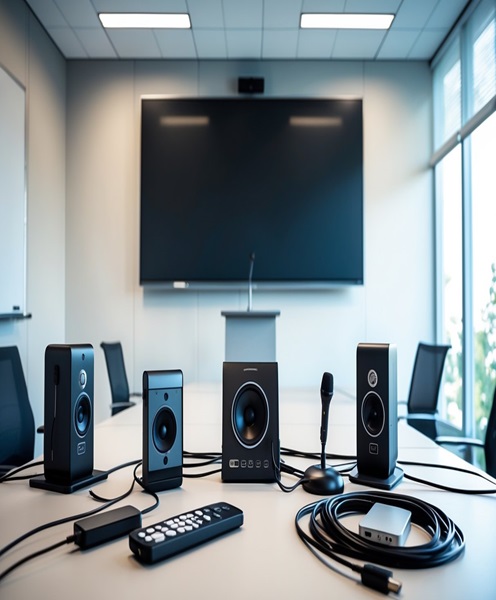
Multilingual conferences require a structured way to manage and distribute translated audio. When interpreters work in several languages, each translation must reach the correct destination without being mixed up with another language channel. A language channel distribution system helps organise this process by managing the routing and distribution of audio channels within a simultaneous interpretation setup.
International conferences, diplomatic meetings, corporate summits, government forums and academic seminars may involve several language combinations. A single presentation might be translated into multiple languages, with different groups of delegates listening to different audio channels.
Without a properly organised distribution arrangement, it can become difficult to manage the interpretation feeds and ensure that each language reaches the intended listeners. A language channel distribution system helps connect interpreter outputs with the appropriate transmission and receiver equipment.
Janeson Rentals offers language channel distribution system hire and rental in Kenya for event organisers, conference planners, institutions, production companies and businesses arranging multilingual functions.
Hiring this specialist equipment can help organisers access the technical facilities needed for an event without investing in a permanent system. Whether you are planning a conference in Nairobi or a multilingual meeting elsewhere in Kenya, the correct distribution arrangement is essential for a well-organised interpretation workflow.
What Is a Language Channel Distribution System?
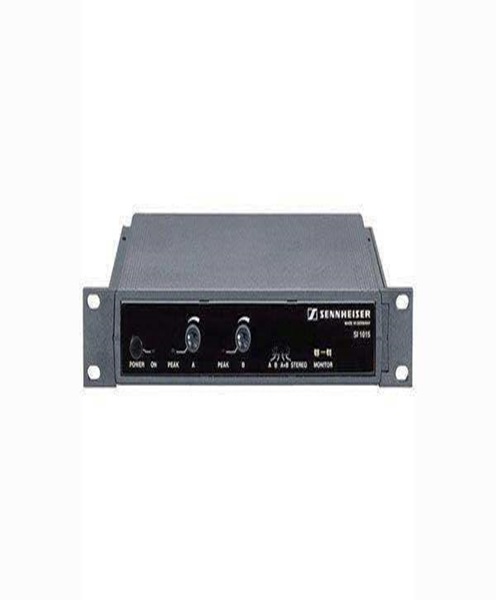
A language channel distribution system is a collection of compatible audio routing and distribution equipment used to manage interpretation feeds and make the required language channels available to delegates.
In a simultaneous interpretation setup, each interpreter produces translated speech in an assigned language. The system must route that speech to the correct channel so that delegates can select the translation they need.
Depending on the equipment design, language channel distribution may be handled by a central interpretation controller, dedicated distribution hardware, transmitter inputs or a combination of compatible devices.
A language channel distribution system may perform functions such as:
-
Receiving audio feeds from interpreter consoles.
-
Assigning interpretation audio to designated language channels.
-
Routing the original floor audio where required.
-
Distributing several language feeds to compatible transmitters.
-
Managing channel assignments.
-
Supporting monitoring of audio signals.
-
Connecting the interpretation system to delegate listening equipment.
The exact equipment and functions vary by manufacturer and system architecture. Some interpretation systems integrate channel management into a central control unit, while others use separate components.
The important purpose is to ensure that the right translated audio is available on the right channel.
Why Is Language Channel Distribution Important?
A multilingual conference can become technically complicated when several interpreters are working simultaneously. Each interpreter may be responsible for a different language, and the translated audio must be routed correctly.
A language channel distribution arrangement helps maintain order within this process.
Correct Routing of Interpretation Audio
Each interpretation feed needs to reach the intended channel. Correct routing helps ensure that delegates selecting a particular language hear the appropriate translation.
Management of Multiple Languages
Events involving several language groups need a structured way to manage the available channels. A suitable system can help the technical team organise and identify those feeds.
Improved Conference Audio Organisation
Interpretation audio is different from the main public address mix. A distribution system helps keep the translated language feeds organised and separate from the general event sound where required.
Support for Wireless Transmission
Once language channels are configured, they can be sent to compatible interpretation transmitters for distribution to delegate receivers.
Easier Technical Monitoring
Depending on the equipment, technicians may be able to monitor individual channels and identify routing problems more efficiently.
How a Language Channel Distribution System Works
The system operates as part of the wider simultaneous interpretation signal chain.
1. Original Audio Enters the Conference System
The speaker uses a microphone connected to the conference audio system. The original audio is made available to the interpreters.
2. Interpreters Receive the Source Feed
Each interpreter listens to the required source language through a headset connected to an interpreter console.
3. Interpreters Produce Translated Audio
The interpreter speaks into a microphone connected to the console. The console produces an outgoing audio feed for the assigned language.
4. Language Feeds Enter the Distribution Arrangement
The interpretation audio channels are routed into the relevant channel management or distribution equipment.
5. Channels Are Assigned and Routed
The system directs each translated feed to its designated language channel. The configuration depends on the interpretation system and the number of languages supported.
6. Audio Is Sent to the Transmission Equipment
The configured channels are delivered to compatible interpretation transmitters or integrated distribution units.
7. Delegates Select Their Required Language
Delegates use compatible receivers to select the language channel they need.
8. Translated Audio Reaches the Audience
The receiver delivers the selected interpretation feed through headphones or an earpiece.
This arrangement helps different language groups listen to the same conference programme without requiring separate presentations for every language.
Why Hire a Language Channel Distribution System from Janeson Rentals?
Purchasing specialist interpretation distribution equipment may not be practical for organisations that arrange multilingual events occasionally. Hiring offers access to the equipment needed for a particular programme without the long-term responsibilities of ownership.
Janeson Rentals supports language channel distribution system hire in Kenya for professional event organisers.
1. Access to Specialist Conference Equipment
A language distribution arrangement can involve several connected devices and configuration requirements. Hiring helps organisers access the necessary equipment for the duration of an event.
This is useful for:
-
International conferences.
-
Diplomatic meetings.
-
Government forums.
-
Corporate summits.
-
Academic seminars.
-
Multilingual workshops.
-
International association meetings.
-
Institutional training programmes.
2. Support for Multiple Interpretation Languages
Events with several language groups need organised audio routing. A suitable distribution system helps manage the available language feeds and deliver them to the correct destinations.
3. Coordination with Existing Interpretation Equipment
Some organisations already own interpreter consoles, transmitters or receivers. A distribution system must be compatible with these components.
Janeson Rentals can discuss the equipment requirements and help establish what needs to be hired alongside the distribution system, subject to availability and compatibility.
4. Reduced Equipment Ownership Costs
Hiring can be useful for event agencies, conference venues and institutions that need specialist interpretation equipment only for selected events.
5. Flexible Event Configuration
Different conferences have different numbers of languages, interpreters and delegates. The distribution arrangement can be planned around the event’s requirements and the capabilities of the selected equipment.
Components of a Language Channel Distribution Setup
The exact configuration varies, but a complete interpretation distribution arrangement may involve several components.
Interpreter Consoles
Interpreter consoles allow language professionals to monitor source audio, operate microphones and send translated speech to designated output channels.
Channel Management Equipment
Depending on the system, a central controller or other compatible hardware may manage language assignments and audio routing.
Audio Distribution Equipment
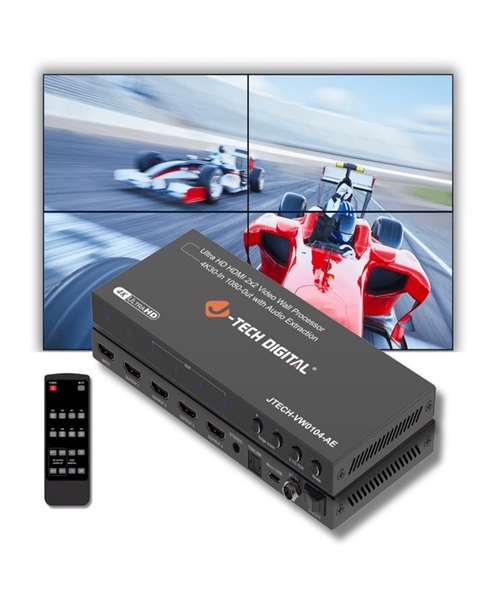
Distribution equipment helps route audio signals to the required destinations. It may include dedicated audio interfaces, distribution units or integrated interpretation hardware.
Interpretation Transmitters
Transmitters distribute the configured language feeds through the supported transmission technology.
Wireless Interpretation Receivers
Receivers allow delegates to access the available language channels and listen through compatible headphones.
Monitoring Equipment
Technicians may use monitoring outputs, meters or compatible audio equipment to check individual language feeds and confirm that signals are being routed correctly.
Not every setup requires every component as a separate device. Some functions may be integrated into a single interpretation system.
Types of Language Channel Distribution Arrangements
The appropriate distribution arrangement depends on the technology and size of the interpretation system.
Centralised Channel Distribution
A centralised system manages language channels through a designated controller or integrated distribution unit. This arrangement can be suitable for conferences where several interpreter feeds must be managed from a central technical position.
Integrated Interpretation Distribution
Some simultaneous interpretation systems include channel management and distribution functions within the main system. This can reduce the need for separate routing hardware.
Multi-Channel Audio Distribution
A multi-channel arrangement supports several separate audio feeds. Each channel carries a different language or designated audio source.
The number of supported channels depends on the equipment specifications.
Network-Based Audio Distribution
Some modern systems use digital or network-based methods to route audio between compatible devices. These systems require suitable network configuration and supported equipment.
Compatibility, latency, channel capacity and network reliability should be assessed before the event.
Important Features to Consider When Hiring a Language Channel Distribution System
Selecting a suitable system requires careful consideration of the interpretation requirements.
Number of Language Channels
The system must support the number of languages required by the event. Organisers should identify every language combination and determine how many channels will be active simultaneously.
Audio Input and Output Connections
The distribution system must accept the outputs from the interpreter consoles and connect to the appropriate transmission equipment.
Confirm connector types, signal formats and audio levels before hiring.
Compatibility with Interpretation Consoles
Interpreter consoles must be able to communicate with the distribution equipment through the supported connections or system architecture.
Transmitter Compatibility
The system should route audio correctly to the interpretation transmitters. The transmitters must support the channel configuration being used.
Channel Identification
Clear channel naming and assignment help prevent confusion between languages. This is particularly important when several interpreters are working at the same time.
Audio Quality
The distribution system should maintain clear, intelligible audio throughout the signal path. The technical team should check for distortion, unwanted noise and interruptions.
Monitoring Capabilities
Monitoring features can help technicians verify individual language channels before and during the event. Available functions depend on the equipment.
Scalability
Large conferences may require additional language channels or distribution points. Organisers should confirm the system’s capacity before finalising the equipment arrangement.
Language Channel Distribution System Versus Interpretation Transmitter
These products are related but perform different functions.
A language channel distribution system manages and routes the available interpretation feeds. It ensures that translated audio is assigned to the correct language channel and delivered to the appropriate output.
An interpretation transmitter sends the configured audio through a supported wireless transmission method to compatible receivers.
For example, at a multilingual conference, the distribution system may organise the English-to-French and English-to-German interpretation feeds. The transmitter then distributes those feeds to delegates using compatible receivers.
Some integrated systems combine both functions, but the functions remain technically distinct.
Events That Require Language Channel Distribution Systems
International Conferences
International conferences may require several interpretation languages for keynote presentations, panel discussions and breakout sessions. Channel distribution helps organise the different audio feeds.
Diplomatic and Government Meetings
Diplomatic events may involve representatives from several countries. A structured language distribution setup supports the delivery of translated discussions and formal speeches.
Corporate Summits
Multinational businesses may host conferences involving employees, executives, investors and international partners. Different language groups can listen through their assigned channels.
Academic Conferences
International academic events may feature speakers and researchers who present in different languages. Channel distribution helps organise interpretation feeds for the audience.
Institutional Workshops
Training programmes and professional workshops may require several translated audio channels to support participants from different linguistic backgrounds.
International Religious Gatherings
Large religious conferences may require translations of sermons, presentations and discussions. A suitable distribution arrangement can help make the programme accessible to multilingual attendees.
Planning a Language Channel Distribution System Rental
The distribution system should be selected only after the event’s language and technical requirements are established.
Organisers should consider:
-
Event date and venue.
-
Number of delegates requiring interpretation.
-
Number of languages.
-
Number of interpreters.
-
Interpreter console models.
-
Number of simultaneous audio feeds.
-
Existing transmitter and receiver models.
-
Required audio input and output connections.
-
Whether the event uses one room or multiple rooms.
-
Whether additional monitoring equipment is needed.
If the event already has an interpretation system, share its make and model with the rental provider. This helps establish whether the proposed distribution equipment can integrate with the existing setup.
Technical Setup and Channel Configuration
Correct configuration is essential. A system may have all the required hardware but still fail to deliver the intended translation if the channels are incorrectly assigned.
The technical team should:
-
Identify all interpretation languages.
-
Assign each language to a designated channel.
-
Confirm interpreter console output routing.
-
Connect the appropriate audio feeds.
-
Check the distribution equipment’s channel configuration.
-
Connect the transmitter or integrated transmission system.
-
Test each channel using compatible receivers.
-
Verify that delegates hear the correct translation.
-
Label channels clearly for technical staff and attendees.
-
Conduct a full rehearsal before the programme begins.
For larger conferences, the channel plan should be documented and shared with interpreters and technicians. This reduces the risk of language feeds being mixed up during live sessions.
Common Problems and How to Prevent Them
Incorrect Language Assignment
If an interpreter’s output is assigned to the wrong channel, delegates may hear a different language from the one they selected.
Prevent this by creating a channel assignment plan and testing every language before the event.
Incompatible Equipment
Different manufacturers may use different connectors, protocols and channel configurations.
Confirm compatibility using the exact equipment models before hiring.
Poor Audio Levels
A weak or excessive audio signal can make translations difficult to understand.
The technical team should check input levels, output levels and monitoring arrangements.
Transmission Problems
Even when the distribution system is functioning correctly, problems may occur between the transmitter and receivers.
Test the complete signal path throughout the intended listening area.
Unclear Channel Labelling
Delegates may select the wrong language if the channels are not clearly identified.
Prepare clear channel labels and provide simple instructions during registration.
Why Choose Janeson Rentals for Language Channel Distribution System Hire?
Janeson Rentals supports conference organisers, institutions, event planners and production companies seeking professional equipment for multilingual events.
Language channel distribution system hire can be discussed alongside interpreter consoles, interpreter microphones, interpretation transmitters, wireless receivers and simultaneous interpretation equipment.
Coordinating these components helps organisers plan a complete audio routing and distribution arrangement rather than hiring equipment without confirming its role in the signal chain.
When requesting a quotation, provide the event date, venue, number of languages, number of interpreters and details of the existing interpretation equipment. This information helps determine the required channel capacity and compatibility.
Language Channel Distribution System Hire in Nairobi and Across Kenya
Nairobi hosts international conferences, diplomatic meetings, corporate summits, academic events and institutional forums that may require multilingual audio distribution.
Janeson Rentals offers language channel distribution system hire and rental for organisers planning events in Nairobi. Enquiries can also be made for events in other parts of Kenya, subject to equipment availability and delivery arrangements.
Whether you are arranging a corporate conference, international seminar, government meeting or multilingual workshop, proper channel distribution planning helps ensure that translated audio reaches the correct audience.
Book Language Channel Distribution System Hire in Kenya
Are you organising a multilingual conference, international summit, diplomatic meeting or corporate event? Janeson Rentals can assist with language channel distribution system hire and rental in Kenya.
Contact Janeson Rentals with your event date, venue, number of languages, interpreter console details and transmission equipment specifications. Confirming channel capacity and system compatibility in advance helps your technical team prepare an organised interpretation setup.
Choose Janeson Rentals for language channel distribution system rental in Nairobi and across Kenya.