Line Array Amplifier Hire & Rental in Kenya
Large events require sound systems that can deliver clear, consistent audio across an audience area. Whether the production takes place in a concert venue, outdoor festival ground, conference facility, church auditorium or public event space, the sound reinforcement system must be planned around the size of the audience, the venue layout and the programme requirements.
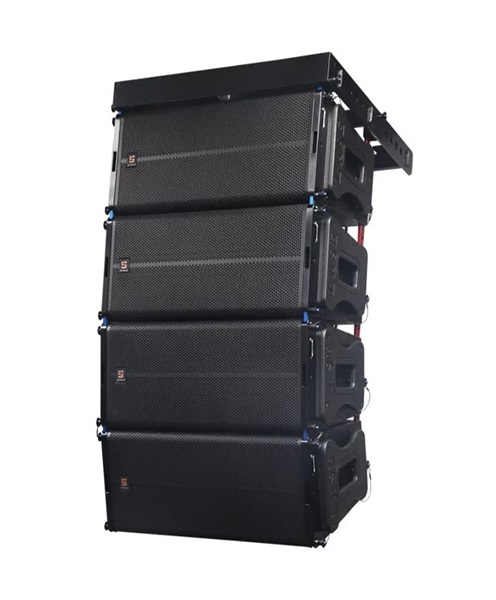
A line array system is commonly used for professional sound reinforcement where controlled sound coverage and high output are important. It consists of multiple loudspeaker elements arranged in a vertical configuration to project sound across a designated listening area. However, passive line array loudspeakers need suitable amplification to operate.
A line array amplifier provides the electrical power required to drive compatible passive line array speaker modules. It is an essential part of the sound system, working alongside signal processors, mixing consoles, speaker management equipment and loudspeaker cabinets.
At Janeson Rentals, clients can enquire about line array amplifier hire and rental in Kenya for events and productions that require professional PA amplification. Renting amplification equipment can be a practical option for event organisers, sound production companies, churches and institutions that need additional equipment for a specific event.
What Is a Line Array Amplifier?
A line array amplifier is a professional power amplifier used to drive compatible loudspeakers in a line array sound reinforcement system.
Line array speakers are designed to work together as part of an organised loudspeaker arrangement. Depending on the system design, the cabinets may contain different combinations of low-frequency, mid-frequency and high-frequency drivers. These components reproduce different parts of the audio spectrum to deliver sound to the audience.
In a passive line array system, an external amplifier supplies the power required by the speaker cabinets. The amplifier receives audio signals from the sound system and increases their power before sending them to the loudspeakers.
Some line array systems use dedicated amplification and processing platforms, while others use compatible professional amplifiers and separate signal processors. The correct arrangement depends on the manufacturer, loudspeaker design and system configuration.
A line array amplifier should therefore be selected according to the specifications of the particular loudspeaker system rather than simply choosing an amplifier based on its advertised wattage.
Why Line Array Amplification Is Important
A professional line array system may contain several speaker cabinets working together. Each cabinet must receive an appropriate signal and sufficient amplification to reproduce the intended sound.
The amplifier is responsible for delivering the power needed by passive loudspeakers. If the amplification is unsuitable, the system may not achieve the expected performance and could experience distortion, protection shutdowns or equipment damage.
Proper amplification helps support:
-
Consistent sound output across the audience area.
-
Reliable operation of compatible passive line array cabinets.
-
Adequate power for different frequency sections of the system.
-
Controlled sound reproduction during live performances.
-
Professional sound reinforcement for large audiences.
-
Integration with digital signal processing and speaker management.
-
Flexible configuration for different event layouts.
The amplifier is only one part of the overall system. Loudspeaker placement, cabinet configuration, processing, equalisation, crossover settings and system tuning also influence the final sound.
Line Array Amplifier Hire for Concerts
Concerts are among the most common applications for line array sound reinforcement. Live music productions often require powerful PA systems capable of reproducing vocals, instruments and playback audio across a large audience.
A concert may feature a headline performer, supporting musicians, DJs, backing vocalists and other entertainment acts. The sound system must handle different programme requirements while maintaining controlled and intelligible audio.
Line array amplifier rental may be useful for:
-
Live music concerts.
-
Gospel music performances.
-
Outdoor entertainment events.
-
Music festivals.
-
Touring productions.
-
Cultural festivals.
-
University concerts.
-
School entertainment events.
-
Public celebrations.
-
Large private functions.
A production team may use multiple amplifier channels to power the different sections or groups of passive line array speakers. The exact configuration depends on the loudspeaker system and the number of cabinets being deployed.
For larger productions, the sound engineer should plan the amplifier rack, signal routing, speaker connections and processing before the event.
Line Array Amplifier Rental for Outdoor Events
Outdoor events can present demanding sound reinforcement requirements. Unlike enclosed venues, outdoor spaces may have fewer reflective surfaces to help distribute sound. The system must therefore be designed to deliver appropriate coverage across the audience area.
Line array speakers are often selected for outdoor productions because their vertical arrangement can help control sound distribution when correctly designed and deployed.
A suitable line array amplifier provides the power needed by compatible passive cabinets. It can form part of the main PA system used at outdoor concerts, festivals, public gatherings and large celebrations.
Outdoor applications include:
-
County and community events.
-
Open-air concerts.
-
Political and public gatherings.
-
Church crusades.
-
Sports entertainment programmes.
-
Cultural celebrations.
-
Outdoor award ceremonies.
-
Large-scale corporate events.
When arranging outdoor line array amplifier hire, organisers should also consider the amplifier’s location, equipment protection, electrical supply and cable management. Amplifiers and other electronic equipment should be protected from rain, moisture, dust and unsafe operating conditions.
Line Array Amplifiers for Churches and Worship Events
Churches that organise large services and special programmes may require professional sound reinforcement systems. A line array system can be useful in large auditoriums, worship centres and temporary outdoor church events.
Worship programmes often include vocals, keyboards, guitars, drums, choirs, recorded music and spoken presentations. These different audio sources must be reproduced clearly for the congregation.
Line array amplifier hire may support:
-
Large church services.
-
Gospel concerts.
-
Worship nights.
-
Church anniversaries.
-
Christian conferences.
-
Crusades.
-
Religious conventions.
-
Outdoor ministry events.
-
Special guest performances.
For a passive line array setup, the amplifiers power the loudspeaker cabinets while the mixing console and processing equipment manage the audio signals.
The system should be designed around the church’s speaker configuration and acoustic environment. A large room may have different coverage requirements from an outdoor church gathering, even when the same type of speaker system is used.
Line Array Amplifier Hire for Corporate Events and Conferences
Large corporate events sometimes require sound systems that can cover extensive seating arrangements. These may include conferences, product launches, award ceremonies, exhibitions and national business gatherings.
Sound quality is particularly important when an event includes keynote speeches, panel discussions, video presentations, entertainment and live performances.
A line array amplifier can be part of the main PA system where passive line array speakers are being used. The objective is to provide the power required for the loudspeakers to reproduce the programme audio at appropriate levels.
Corporate applications may include:
-
Large conferences.
-
Product launches.
-
Corporate award ceremonies.
-
Government functions.
-
Exhibition openings.
-
Business summits.
-
Graduation ceremonies.
-
Public-sector conferences.
-
Large hotel events.
-
Indoor and outdoor corporate entertainment.
The sound system should be sized according to the audience, venue dimensions and programme. Not every conference requires a line array system; smaller venues may be better served by conventional PA speakers.
Understanding Passive and Active Line Array Systems
Before hiring a line array amplifier, it is important to establish whether the available loudspeaker system is passive or active.
Passive Line Array Systems
Passive line array cabinets require external amplification. The amplifier sends the required power to the speakers through suitable speaker cables.
Depending on the system design, separate amplifier channels may be assigned to different cabinets or frequency sections. Some systems use passive crossover networks within the speaker cabinets, while others use more complex configurations requiring external processing and multiple amplifier channels.
The amplifier must be compatible with the loudspeaker specifications and intended wiring arrangement.
Active or Powered Line Array Systems
Active line array systems have amplification built into the speaker modules or use a manufacturer-designed powered arrangement. They generally do not require a separate external power amplifier for the speaker drivers.
Instead, they require the appropriate audio signal connections and electrical power.
This distinction matters because hiring an external line array amplifier for an active system may be unnecessary or unsuitable. The sound production team should confirm the system design before arranging equipment.
Important Factors When Choosing a Line Array Amplifier
A professional line array amplifier should be selected based on the loudspeaker system and the production’s technical requirements.
1. Output Power
The amplifier must provide suitable output power for the connected loudspeakers. The correct power requirement depends on the speaker’s rated power, impedance, number of cabinets and system configuration.
An amplifier with an unsuitable output rating can affect system performance or damage the loudspeakers. Yamaha’s professional PA guidance explains that amplifier selection should take account of speaker impedance, power rating and the number of speakers connected.
Yamaha Commercial Audio+1
2. Impedance Compatibility
Impedance is measured in ohms and affects how much electrical load the speakers place on the amplifier.
When multiple passive speakers are connected to an amplifier channel, their combined impedance depends on the wiring arrangement. The amplifier must be able to operate safely at the resulting load.
For example, two 8-ohm speakers connected in parallel present a 4-ohm load. However, the actual line array configuration must always follow the loudspeaker and amplifier manufacturer’s instructions.
3. Number of Amplifier Channels
A line array system may require several amplifier channels depending on the number of cabinets and how the loudspeaker components are configured.
Some systems use separate channels for different frequency sections, while other designs use a different amplification arrangement.
The production team should establish the required number of channels before hiring.
4. Built-In DSP and Processing
Some professional amplifiers include digital signal processing features. These may support functions such as equalisation, crossover filtering, delay, limiting and speaker protection.
Other systems require external processing equipment or dedicated manufacturer control software.
It is important to establish whether the amplifier’s processing capabilities are suitable for the line array being used.
5. Protection and Monitoring Features
Professional amplifiers may include protection functions that respond to operating conditions such as excessive temperature, short circuits or unsuitable loads.
Some models also provide monitoring and control features that help sound technicians observe amplifier performance during an event.
These features are useful, but they do not replace proper system design and operation.
6. Cooling and Rack Configuration
Line array amplifiers are often installed in equipment racks. Rack organisation, airflow, ventilation and access to power connections are important considerations, especially during long concerts and outdoor productions.
A suitable equipment arrangement helps technicians manage the amplification system more effectively.
7. Power Supply Requirements
Large sound systems can have significant electrical requirements. The production team should confirm the amplifier’s electrical specifications and plan an appropriate supply.
For large productions, power distribution and generator capacity may need to be considered alongside the audio equipment.
The Role of DSP in a Line Array Sound System
Digital signal processing is an important part of many professional line array systems.
A digital signal processor can help manage the audio signals before they reach the amplifiers. Depending on the system, it may provide:
-
Crossover filtering.
-
Equalisation.
-
Time alignment.
-
Signal delay.
-
Limiting.
-
Frequency management.
-
Output routing.
-
System presets.
For example, a crossover can separate low-frequency and high-frequency signals when the loudspeaker design requires separate amplification paths. Delay settings may help align speakers in a distributed sound system.
Some line array systems use manufacturer-specific processing settings. These should be followed rather than applying generic settings without understanding the loudspeaker design.
Equipment That Works With a Line Array Amplifier
A line array amplifier normally operates as part of a wider professional PA system. Depending on the event, the following equipment may be required:
-
Line array speakers: The loudspeaker cabinets used to deliver sound to the audience.
-
Subwoofers: Reproduce low-frequency content for music and other programme audio.
-
Digital mixing console: Controls microphones, instruments, playback and other audio sources.
-
Speaker management processor: Manages crossover, delay, equalisation and signal routing.
-
Digital signal processor: Provides system processing functions where required.
-
Amplifier rack: Houses and organises professional amplification equipment.
-
Stage monitors: Allow performers to hear their own sound and other stage audio.
-
Microphones: Capture vocals, instruments and spoken presentations.
-
DI boxes: Connect compatible instruments and electronic sources to the sound system.
-
Audio cables: Carry signals between the mixing console, processors and amplifiers.
-
Speaker cables: Carry amplified signals to passive loudspeakers.
-
Power distribution equipment: Supports the electrical requirements of the production.
The required equipment depends on the size and design of the sound system. A professional technician should coordinate the entire setup.
Line Array Amplifier Hire for Different Venue Sizes
The type of amplification required depends on the venue and audience size. A small indoor event and a large outdoor festival will not necessarily need the same amplifier configuration.
Small and Medium-Sized Events
Some medium-sized events may use a limited number of line array cabinets. The amplification system should be selected according to the speaker specifications and the intended audience coverage.
Potential applications include medium-sized church gatherings, school functions, corporate entertainment and indoor performances.
Large Concerts and Festivals
Large productions may use multiple line array cabinets, subwoofers and several amplifier channels. The sound system must be planned to provide suitable coverage while maintaining safe operating conditions.
For these events, the technical team may need to coordinate multiple amplifier racks, signal processors, speaker cables and power distribution systems.
Touring and Temporary Productions
Touring productions and temporary stages often require equipment that can be integrated into a planned technical setup. Amplifier compatibility, rack arrangements, signal connections and system presets should be checked before the equipment is deployed.
Line Array Amplifier Setup and Technical Considerations
A line array amplifier should be installed and configured by people familiar with professional sound systems. Incorrect connections or unsuitable operating settings can affect performance and potentially damage equipment.
A typical setup involves the following stages:
-
Inspect the loudspeaker system: Identify the line array models and establish whether they are passive or powered.
-
Review the specifications: Check the speaker impedance, power ratings and recommended amplification requirements.
-
Plan the amplifier channels: Determine how many channels are required and which speakers or frequency sections they will power.
-
Connect the signal source: Route the appropriate outputs from the mixing console or signal processor to the amplifier inputs.
-
Connect the speakers: Use suitable speaker cables and verify the connections before powering the system.
-
Configure processing: Apply the correct crossover, equalisation, delay and limiting settings where required.
-
Test the system: Check signal flow, speaker operation and output levels before the audience arrives.
-
Monitor performance: Observe amplifier operation and sound quality throughout the event.
A sound engineer should follow the equipment manufacturer’s instructions and the system’s approved configuration.
Common Mistakes to Avoid When Using Line Array Amplifiers
Poor system preparation can affect the sound quality and reliability of a professional event. Some common mistakes include:
-
Connecting passive line array speakers to an amplifier without checking impedance compatibility.
-
Using an amplifier with unsuitable output power.
-
Confusing active line array systems with passive systems.
-
Connecting speakers using signal cables instead of suitable speaker cables.
-
Ignoring the required crossover and processing settings.
-
Operating amplifiers without sufficient ventilation.
-
Overloading electrical distribution equipment.
-
Using incorrect speaker wiring configurations.
-
Increasing output levels without monitoring for distortion.
-
Failing to test the complete PA system before the event begins.
Amplifier and speaker compatibility is particularly important. A system should not be connected based on assumptions about wattage alone. Yamaha’s guidance highlights the importance of considering the connected speaker load and the amplifier’s supported output ratings.
Yamaha Commercial Audio+1
Why Renting a Line Array Amplifier Can Be a Practical Choice
Professional line array amplification is specialised equipment that may only be needed for particular productions. Purchasing an amplifier system can involve equipment costs, storage, maintenance and technical management.
For event organisers and production companies handling temporary projects, line array amplifier hire can provide a more flexible option.
Some benefits of renting include:
-
Access to amplification equipment for specific event dates.
-
Avoiding the cost of purchasing equipment for occasional productions.
-
Flexibility when additional amplifier channels are needed.
-
Easier planning for concerts and temporary sound installations.
-
Reduced need to store large equipment when it is not in use.
-
The ability to plan amplification around the technical needs of each event.
Renting can be particularly useful for event planners who already have some sound equipment but need additional amplification to complete a production setup.
Why Choose Janeson Rentals for Line Array Amplifier Hire in Kenya?
Choosing the right equipment is an important part of delivering a professional event. The amplifier must be appropriate for the loudspeaker system, the event format and the technical arrangements at the venue.
Janeson Rentals provides a point of enquiry for line array amplifier hire and rental in Kenya. Event organisers, production teams, churches and institutions can enquire about equipment for temporary sound reinforcement requirements.
Line array amplifier rental may be relevant when organising:
-
Large music concerts.
-
Outdoor festivals.
-
Corporate conferences.
-
Church conventions.
-
Gospel music events.
-
Graduation ceremonies.
-
Public celebrations.
-
Award ceremonies.
-
Touring productions.
-
Large entertainment functions.
Janeson Rentals is based in Nairobi and serves clients seeking event equipment hire across Kenya. When making an enquiry, it is helpful to provide the event location, dates, line array speaker details and the expected system configuration.
This information helps establish the type of amplification required and whether additional equipment may be needed.
How to Prepare for Line Array Amplifier Rental
Before arranging line array amplifier hire, event organisers and sound technicians should prepare the technical details of the production.
Confirm the speaker system: Identify the manufacturer and model of the line array speakers, where possible. This helps determine their amplification requirements.
Establish whether the system is passive or active: Passive cabinets require suitable external amplification, while active systems have amplification integrated into their design.
Determine the number of cabinets: The number of speakers and their arrangement influence the required amplifier channels and overall system configuration.
Check speaker specifications: Confirm power ratings, impedance and any manufacturer recommendations for amplification.
Identify the processing equipment: Establish whether the system requires a separate speaker management processor, digital signal processor or manufacturer-specific control platform.
Plan the electrical supply: Confirm that the venue can support the electrical requirements of the sound system.
Provide event information: Share the event date, venue, programme type and expected audience size when making your enquiry.
Preparing these details makes it easier to plan the appropriate line array amplifier rental arrangement.
Book Line Array Amplifier Hire & Rental in Kenya
A well-planned amplification system is essential for professional sound reinforcement at concerts, festivals, conferences and large public events. When using passive line array speakers, the amplifier must provide suitable power and operate safely with the connected loudspeaker configuration.
Whether you are organising an outdoor concert, church convention, corporate function or large entertainment production, Janeson Rentals provides a point of enquiry for line array amplifier hire and rental in Kenya.
Contact Janeson Rentals with your event details, rental dates, location and speaker system requirements to discuss line array amplifier rental for your next production in Nairobi or elsewhere in Kenya.