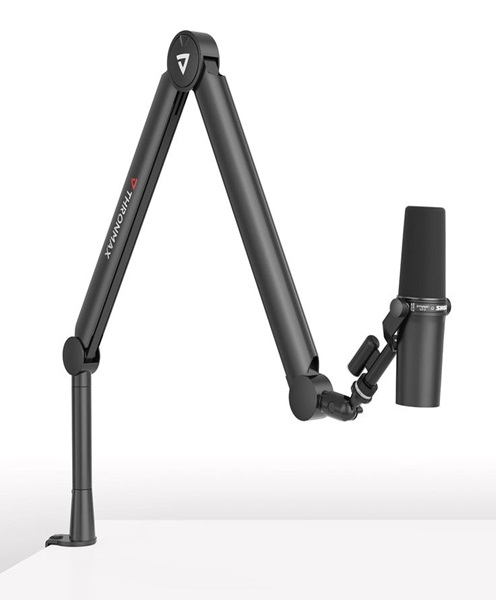
Microphone Boom Stand Hire and Rental in Kenya
Microphone positioning is an important part of professional audio production. Whether you are organising a live performance, recording a podcast, conducting an interview or setting up a temporary recording studio, the microphone needs to remain in a suitable position throughout the session. A microphone boom stand provides adjustable support, allowing microphones to be positioned at different heights, angles and distances from the sound source.
Janeson Rentals offers microphone boom stand hire and rental in Nairobi and across Kenya for event organisers, musicians, churches, production companies, recording studios, broadcasters and businesses. Whether you need microphone stands for a corporate event, concert, church service, music recording session or podcast production, hiring provides a practical way to access microphone support equipment for your project.
A microphone boom stand is particularly useful when the microphone needs to extend beyond the vertical position of the stand. This makes it possible to position microphones over instruments, in front of performers or at angles that would be difficult to achieve with a conventional straight microphone stand.
Instead of purchasing equipment for occasional use, you can enquire about microphone boom stand rental based on your event or recording requirements. This is a convenient option for temporary productions, touring performances, conferences and projects that require additional microphone support.
What Is a Microphone Boom Stand?
A microphone boom stand is a microphone support system consisting of a vertical stand and an adjustable horizontal or angled extension known as a boom arm. The boom allows the microphone to be positioned away from the main stand rather than directly above its base.
Most microphone boom stands have adjustable height mechanisms, a locking system, a microphone attachment point and a boom section that can be extended or angled according to the recording or performance requirements.
Depending on the design, a microphone boom stand may have a tripod base, weighted round base or another supporting structure. Some models are designed for lightweight microphones, while heavy-duty versions are intended for more demanding studio and stage applications.
The boom arm makes it possible to position a microphone above a drum kit, in front of a guitarist, near an amplifier or over another sound source without placing the entire stand directly in the required microphone position.
This flexibility makes boom stands useful in recording studios, live music productions, churches, theatres, conference venues and event spaces.
Why Hire a Microphone Boom Stand?
Hiring microphone boom stands provides flexibility for productions that require temporary microphone support.
Cost-Effective Equipment Access
Purchasing several microphone stands can increase the budget for an event or recording project. If you only need additional stands for a particular production, renting can be a more practical alternative.
It allows you to arrange the equipment required for your project without committing to permanent ownership.
Flexible Microphone Positioning
A boom stand offers more positioning options than a basic straight microphone stand. The extension arm allows microphones to reach across instruments, performers and recording spaces.
This is particularly useful when the microphone cannot be placed directly above the stand’s base.
Suitable for Different Events
Microphone boom stands can be used in concerts, church services, conferences, theatre productions, interviews, recording studios and corporate events.
Hiring allows event organisers to include the appropriate microphone support equipment in their overall production arrangements.
Easier Recording Setup
During recording, the position of the microphone can affect how consistently sound is captured. A stable boom stand helps maintain the microphone’s position and allows engineers to adjust its placement according to the sound source.
Temporary and Mobile Productions
Production teams often work in different locations. Hiring microphone boom stands makes it easier to equip temporary recording spaces and event venues without purchasing additional equipment for every project.
Types of Microphone Boom Stands
Different microphone boom stand designs are suitable for different recording and performance requirements.
Tripod Boom Microphone Stand
A tripod boom stand uses three folding legs to support a vertical pole and adjustable boom arm. It is commonly used for live performances, rehearsals, music recording and general event audio setups.
The tripod base provides a practical balance between stability and portability. Its legs can also be adjusted to accommodate different floor arrangements.
This type of stand is useful for singers, instrumentalists and sound engineers who need flexible microphone positioning.
Weighted Round-Base Boom Stand
A weighted round-base boom stand uses a solid base rather than folding tripod legs. The compact floor footprint can be useful on crowded stages, in conference spaces and around presentation areas.
The boom extension provides additional positioning flexibility while the weighted base supports the stand.
When hiring this design, consider the microphone weight, boom extension and stability of the base.
Heavy-Duty Microphone Boom Stand
Heavy-duty boom stands are designed for applications requiring stronger support and greater positioning flexibility.
They may be suitable for heavier microphones, overhead recording applications and demanding studio or stage environments. Some models use counterweights or reinforced joints to help maintain stability when the boom is extended.
The microphone and any attached accessories should remain within the stand’s supported load capacity.
Low-Profile Boom Stand
Low-profile boom stands are shorter than conventional microphone stands. They are often used for microphones positioned near floor-level instruments, guitar amplifiers, kick drums and other low sound sources.
Their compact height makes them practical when a standard microphone stand would be unnecessarily tall.
Studio Boom Stand
Studio boom stands are designed for recording environments where precise microphone placement is important. They may be used for vocals, instruments, overhead recording and other studio applications.
The choice of base, boom length and adjustment mechanism depends on the microphone and the recording arrangement.
Applications of Microphone Boom Stands
Live Music Performances
Musicians use boom stands to position microphones for vocals and instruments. Singers may need a microphone angled towards their mouths, while instrumental microphones may need to be positioned over or beside the sound source.
For concerts and live performances, boom stands help sound engineers organise microphones across the stage.
Church Services and Worship Productions
Churches use microphones for worship leaders, singers, choirs, instrumentalists and speakers. A microphone boom stand can support microphones during rehearsals, live worship and recorded church productions.
It is particularly useful when microphones need to be positioned around keyboards, guitars, drum kits and other musical instruments.
Recording Studio Sessions
Recording engineers use boom stands to position microphones precisely when capturing vocals and instruments.
A boom stand can help reach across a piano, drum kit or guitar amplifier without placing the stand directly in front of the performer.
Podcast and Interview Productions
Some podcast and interview setups use floor-standing boom stands rather than desk-mounted microphone arms. This is useful when the recording table cannot accommodate a clamp or when microphones need to be positioned independently of the furniture.
Corporate Events and Conferences
Corporate presentations, panel discussions and conferences may require microphones for speakers, performers and moderators.
Boom stands can be used for fixed microphone positions, musical performances and other audio requirements during an event.
Theatre and Stage Productions
Theatre productions may require microphones positioned at particular heights and angles. Boom stands can support microphones for instruments, performers and selected sound sources, depending on the production design.
Film and Video Production
Some video productions use microphone boom stands to hold microphones outside the camera frame. This can be useful for controlled interview environments, voice recording and certain stationary production arrangements.
For mobile sound recording, a handheld boom pole may be more appropriate than a floor-standing boom stand.
Important Features to Consider When Hiring a Microphone Boom Stand
Adjustable Height
The stand should provide an appropriate height range for the intended application. A seated interview, standing vocalist and overhead instrument recording session may require different height adjustments.
Boom Arm Length
The boom arm should extend far enough to position the microphone where it is needed. Consider the distance between the stand’s base and the sound source before selecting the equipment.
Base Stability
The base must support the complete stand and microphone assembly. Tripod legs should be fully opened and positioned securely, while weighted bases should sit on a stable surface.
An extended boom can change the balance of a stand, so the maximum safe extension and supported load must be considered.
Locking Mechanism
The height adjustment and boom joints should lock securely. This prevents the microphone from gradually changing position during recording or performance.
Microphone Mount Compatibility
Microphones and stands may use different mounting thread standards. A suitable microphone clip or thread adapter may be required.
Before hiring, confirm the microphone model and attachment requirements.
Portability and Storage
Foldable tripod stands can be useful for mobile productions because they are easier to transport and store. Consider the size and weight of the stand when planning equipment movement between venues.
Cable Management
Microphone cables should be arranged so that they do not pull on the microphone or create hazards around performers. Proper cable routing also helps maintain a neat production environment.
Microphone Boom Stand Hire for Different Microphones
Microphone boom stands can support a variety of microphone types, provided the stand and mounting accessories are compatible.
-
Dynamic microphones: Commonly used for live vocals, announcements, interviews and instruments.
-
Condenser microphones: Used for studio vocals, instruments and detailed recording applications. Some require a shock mount.
-
Shotgun microphones: Used in film, video and interview production. A boom stand may be useful for stationary recording arrangements.
-
Instrument microphones: Positioned near instruments, amplifiers and percussion.
-
Vocal microphones: Used by singers, presenters and performers during live and recorded productions.
The weight of the microphone and accessories should always be checked before mounting.
Combining Microphone Boom Stands With Other Equipment
A microphone boom stand is most effective when integrated into a complete audio setup. Depending on your project, you may also need:
-
Microphones for vocals, instruments and interviews.
-
Microphone clips and holders for secure attachment.
-
Shock mounts for compatible microphones.
-
XLR cables for connecting microphones to audio equipment.
-
Audio mixers for managing microphone inputs.
-
Audio interfaces for computer-based recording.
-
Studio headphones for monitoring recorded sound.
-
Headphone amplifiers for multi-person monitoring.
-
Portable recorders for independent audio capture.
-
PA systems for live sound reinforcement.
The equipment combination should be planned according to the number of microphones, performers and audio channels required.
How to Prepare for a Microphone Boom Stand Rental
Before arranging microphone boom stand hire, identify the intended application. A stand required for a singer may have different requirements from one used for overhead drum recording or a conference interview.
Confirm the microphone type and weight. This helps determine whether a standard tripod boom stand or a heavier-duty model is more appropriate.
Next, consider the recording or performance space. Check the available floor area, stage layout and position of other equipment. Tripod legs should not obstruct walkways or create unnecessary trip hazards.
For extended boom positions, check that the base remains stable and that the boom joint can support the microphone securely.
Finally, test the stand before the production begins. Confirm that height adjustments work, the boom locks securely and the microphone remains in position.
Why Choose Janeson Rentals for Microphone Boom Stand Hire?
Janeson Rentals provides equipment hire and rental solutions for event organisers, production companies, churches, musicians and businesses in Kenya.
Our microphone boom stand rental service is suitable for clients who require flexible microphone support for temporary events, recording sessions and professional productions.
Based in Nairobi, Janeson Rentals serves clients across Kenya. Whether you are preparing a concert, conference, church service, podcast, interview or studio recording, you can enquire about microphone boom stands and complementary audio equipment.
We understand that microphone support requirements vary depending on the sound source, venue and production arrangement. Sharing these details before booking helps establish the most appropriate stand configuration.
Book a Microphone Boom Stand for Hire and Rental in Kenya
Are you planning a recording session, live performance, conference or event that requires adjustable microphone support? Contact Janeson Rentals to enquire about microphone boom stand hire and rental in Nairobi and across Kenya.
Share your event date, location, microphone type, number of stands required and intended application.
Choose Janeson Rentals for microphone boom stand hire in Kenya and organise a practical, stable and professional microphone setup for your next production.