Monitor Amplifier Hire & Rental in Kenya
Clear stage monitoring is an essential part of producing a successful live event. Musicians need to hear their instruments and vocals, presenters need to hear their voices clearly, and performers must be able to follow the music and other audio cues throughout a programme. Without an effective monitoring system, even a well-equipped event can experience communication difficulties, missed musical cues and inconsistent performances.
A monitor amplifier is an important component of a professional stage monitoring setup. It supplies the power required to operate passive stage monitor speakers, helping deliver sound directly to performers and other people working on stage. When planning a concert, church service, corporate event, festival, live recording or entertainment production, hiring the appropriate monitor amplifier can help create a more dependable monitoring arrangement.
At Janeson Rentals, clients can enquire about monitor amplifier hire and rental in Kenya for different event requirements. Whether you are organising a small live performance or a larger production with several performers, choosing suitable amplification equipment is important for achieving clear and controlled stage sound.
What Is a Monitor Amplifier?
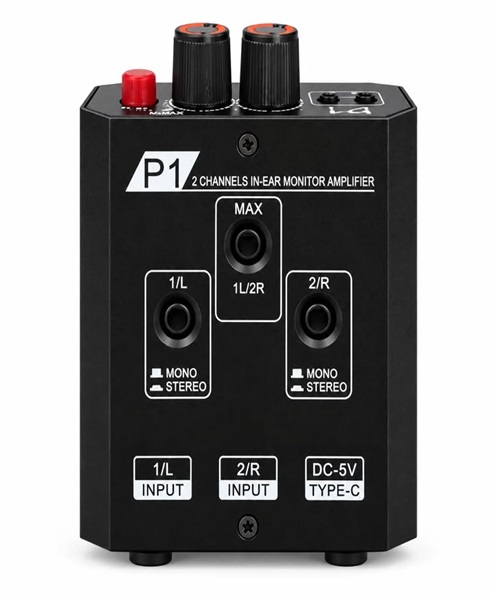
A monitor amplifier is an audio power amplifier used to drive passive stage monitor speakers. It receives an audio signal from a mixing console, monitor mixing system or another compatible audio source and increases the signal’s power so that it can operate a passive speaker.
Unlike a powered stage monitor, which has its amplifier built into the speaker enclosure, a passive monitor requires an external amplifier. The monitor amplifier provides the electrical power needed to reproduce the audio signal at a level suitable for stage monitoring.
Monitor amplifiers are commonly used in professional sound reinforcement systems. They can form part of a setup where performers receive individual or shared monitor mixes through floor monitors, also known as wedges. These speakers are positioned on the stage and angled towards the performers.
The amplifier is therefore not simply an additional sound accessory. It is an important part of the signal chain connecting the mixing console to passive stage monitors.
Why Monitor Amplification Matters at Live Events
A performer may be standing in front of a large audience with powerful main speakers facing the crowd. However, the sound coming from the main PA system may not provide everything the performer needs to hear.
For example, a vocalist may need more of their own voice in the stage mix, while a guitarist may need to hear the keyboard and drums. A conference presenter may need a controlled audio feed to monitor programme playback or communication cues.
A dedicated monitor system helps address these requirements.
Monitor amplifiers support this arrangement by providing the necessary power for passive monitor speakers. When the equipment is correctly matched and configured, performers can receive a more useful and consistent listening experience.
Good stage monitoring can help with:
-
Keeping singers on pitch by allowing them to hear their vocals.
-
Helping musicians maintain timing and coordination.
-
Supporting presenters who need to monitor programme audio.
-
Improving communication between performers and the sound team.
-
Reducing uncertainty during live performances.
-
Supporting rehearsals and stage preparations.
-
Providing suitable monitoring for different positions on stage.
The quality of a monitoring arrangement depends on the complete system, including the mixing console, microphones, signal processing, amplifier, speaker placement and room acoustics.
Monitor Amplifier Hire for Concerts and Live Music Events
Concerts require careful coordination between performers, sound engineers, lighting teams and stage management. Each musician may have different monitoring preferences, and the sound system must be arranged to accommodate the requirements of the performance.
A monitor amplifier can be used to power passive floor monitors placed near vocalists, instrumentalists and other performers.
For example, a band may require several monitor speakers across the stage. The lead vocalist may need a mix containing vocals, drums and selected instruments, while the keyboard player may require more keyboard and vocal audio. The monitor mixing console or suitable mixing system creates these different mixes, while the amplifiers provide the power needed by passive monitor speakers.
Monitor amplifier rental is useful for:
-
Live band performances.
-
Music concerts.
-
Outdoor entertainment events.
-
Cultural performances.
-
School and university concerts.
-
Talent competitions.
-
Gospel music events.
-
Festival stages.
-
Touring performances.
-
Live music recordings.
The number of amplifiers and channels required depends on the speaker configuration, the number of monitor mixes and the technical design of the production.
Monitor Amplifier Rental for Churches and Worship Events
Churches frequently use stage monitoring equipment to support worship teams, choir members, instrumentalists and speakers. During a service, musicians need to hear the music clearly while remaining coordinated with the worship leader and other performers.
A monitor amplifier can power passive stage monitors used by:
-
Worship leaders.
-
Gospel singers.
-
Keyboard players.
-
Guitarists.
-
Bass players.
-
Drummers.
-
Choir directors.
-
Guest musicians.
Church concerts, conferences, crusades, worship nights and special services may also require additional monitoring equipment.
For temporary events, hiring a monitor amplifier can be a practical option when the church needs additional amplification capacity without purchasing equipment for occasional use.
The sound team should determine whether the existing system uses passive or powered monitors before arranging the amplifier. Powered monitors already contain amplification, so they generally do not require an external speaker power amplifier.
Monitor Amplifiers for Conferences and Corporate Events
Stage monitoring is not limited to music concerts. Corporate conferences, award ceremonies, product launches, panel discussions and formal presentations may also require monitoring arrangements.
Presenters sometimes need to hear playback audio, video sound, remote contributions or programme cues. Musicians performing during award ceremonies may also require stage monitoring.
A monitor amplifier can support passive speakers used in these situations, provided the equipment is suitable for the required audio setup.
Common applications include:
-
Corporate conferences.
-
Annual general meetings.
-
Product launches.
-
Award ceremonies.
-
Graduation events.
-
Panel discussions.
-
Government and institutional functions.
-
Business entertainment programmes.
-
Live presentations with music or video playback.
For conferences, the sound engineer should assess the stage layout and the specific monitoring needs of presenters and performers. Excessive monitor volume can create feedback or interfere with microphones, so speaker placement and level control remain important.
Understanding Passive Stage Monitors and Amplifier Compatibility
One of the most important considerations when hiring a monitor amplifier is understanding whether the stage monitors are passive or active.
Passive stage monitors require an external amplifier. The amplifier supplies the power that drives the speaker.
Active stage monitors have an amplifier built into the speaker enclosure. They normally receive a line-level audio signal from the mixing console or another suitable source.
A separate monitor amplifier is therefore generally intended for passive monitor speakers.
Before connecting equipment, the technical team should check the monitor speaker’s impedance and power-handling specifications. The amplifier must be suitable for the speaker load and operating requirements.
Important compatibility considerations include:
-
Speaker impedance: The amplifier must support the impedance presented by the connected speaker or speakers.
-
Power rating: The amplifier’s output capability should be appropriate for the speaker’s recommended operating range.
-
Channel configuration: The number of amplifier channels should match the planned speaker connections.
-
Connection type: The amplifier and speakers must have compatible professional audio connections.
-
Operating mode: Stereo, parallel or bridge operation should only be used where supported by the equipment manufacturer.
-
Ventilation: Amplifiers require sufficient airflow to operate reliably.
-
Electrical supply: The power arrangement should meet the equipment’s requirements.
Incorrect matching can cause equipment damage, poor performance or amplifier protection shutdowns. A qualified sound technician should handle system connections and configuration.
Important Features to Consider When Hiring a Monitor Amplifier
Different productions have different monitoring requirements. Selecting suitable equipment involves more than choosing an amplifier based on its size or advertised power.
Amplifier Output Power
The amplifier must have an appropriate output rating for the connected passive monitors. The required power depends on the speaker specifications, event size, desired sound level and system design.
A higher power rating does not automatically mean better sound. The amplifier and speakers must be properly matched.
Number of Channels
Monitor amplifiers may have different channel configurations. A two-channel amplifier, for example, can support two suitable speaker channels, while a multichannel setup may provide additional flexibility.
The sound engineer should establish how many passive monitor speakers need to be powered and whether separate amplifier channels are necessary.
Input and Output Connections
Professional amplifiers commonly use balanced audio inputs and speaker-level outputs. The correct cables and connectors must be selected for the equipment being used.
It is important not to confuse line-level signal cables with speaker cables. They serve different purposes in the audio system.
Protection Features
Professional amplifiers may include protection systems for conditions such as overheating, short circuits or excessive electrical loads. These features help protect the equipment, although they do not replace correct setup and operation.
Cooling and Ventilation
Amplifiers generate heat during operation. Adequate ventilation and suitable equipment-rack arrangements help maintain reliable performance during long events.
Portability and Rack Installation
For mobile productions, the amplifier’s physical arrangement matters. Rack-mounted equipment can help keep the audio system organised and easier for technicians to manage.
Monitor Amplifier Hire for Indoor and Outdoor Events
Indoor and outdoor productions have different sound reinforcement considerations.
In an indoor venue, walls, ceilings and reflective surfaces can affect the way sound behaves. The sound engineer must consider the room’s acoustics, stage dimensions and microphone positions when setting up monitors.
Outdoor events may require additional attention to stage coverage, environmental conditions, cable routing and equipment protection. Since there are fewer reflective surfaces outdoors, the sound system may need a different configuration from an indoor setup.
Monitor amplifier hire may be useful for:
-
Outdoor concerts.
-
Community festivals.
-
Church crusades.
-
Public celebrations.
-
School events.
-
University entertainment programmes.
-
Live performances at hotels and conference venues.
-
Private functions featuring live bands.
For outdoor use, amplifiers and related equipment should be placed in appropriate, protected positions. Electrical connections must be managed safely, and equipment should be protected from rain and moisture.
Equipment That Works With a Monitor Amplifier
A monitor amplifier is one component of a larger professional audio system. The following equipment may be required depending on the production:
-
Passive stage monitor speakers: Convert the amplified audio signal into sound for performers.
-
Monitor mixing console: Creates and controls the audio mixes sent to performers.
-
Digital mixing console: Provides routing and processing options for complex productions.
-
Audio equalizer: Helps shape the frequency response of monitor mixes.
-
Graphic equalizer: Can be used for frequency adjustments and feedback management.
-
Digital signal processor: May provide crossover, equalisation, delay and limiting functions.
-
Microphones: Capture vocals, instruments and spoken presentations.
-
DI boxes: Connect suitable instruments and other audio sources to the sound system.
-
Speaker cables: Carry amplified signals from the amplifier to passive monitors.
-
Audio signal cables: Carry the appropriate line-level signals between audio equipment.
The exact equipment list depends on the event’s size, stage layout and technical requirements.
Why Choose Janeson Rentals for Monitor Amplifier Hire in Kenya?
Hiring sound equipment requires more than finding an amplifier. The equipment must be suitable for the speakers, event format and intended monitoring arrangement.
Janeson Rentals offers clients a point of enquiry for monitor amplifier hire and rental in Kenya, particularly for event organisers and production teams seeking temporary audio equipment.
Clients may consider Janeson Rentals when planning:
-
Live music productions.
-
Corporate functions.
-
Church services and worship events.
-
Outdoor entertainment.
-
Conferences and seminars.
-
Graduation ceremonies.
-
Award ceremonies.
-
School and university events.
-
Private celebrations with live performances.
The company is based in Nairobi and serves clients seeking event equipment hire across Kenya. When making an enquiry, provide details about the event date, venue, number of monitor speakers and the type of equipment already available.
This information helps establish what amplification arrangement may be appropriate for the production.
How to Prepare for Monitor Amplifier Rental
Before hiring a monitor amplifier, event organisers should gather a few technical details. This reduces the risk of arranging equipment that does not match the existing sound system.
Consider the following:
-
Identify the monitor speakers: Establish whether the speakers are passive or active.
-
Check the speaker specifications: Obtain the impedance and power-handling information where available.
-
Determine the number of monitors: Count how many speakers will be positioned on stage.
-
Plan the monitor mixes: Establish whether performers need shared or separate mixes.
-
Confirm the mixing equipment: Identify the available mixing console and its outputs.
-
Check the venue: Consider the stage dimensions, power supply and equipment placement.
-
Discuss technical support: Establish who will connect, configure and operate the equipment.
-
Confirm the rental period: Provide the event date and the expected equipment usage period.
Providing accurate information makes it easier to plan a suitable hire arrangement.
Why Renting a Monitor Amplifier Can Be Practical
Purchasing professional amplification equipment can involve a significant financial commitment, especially for organisations that only need additional equipment occasionally.
Monitor amplifier rental offers an alternative for event organisers, production companies, churches and institutions that need temporary equipment.
Potential advantages include:
-
Access to equipment for specific event dates.
-
Avoiding the need to purchase an amplifier for occasional use.
-
Flexibility when additional stage monitoring is required.
-
The ability to plan equipment around individual productions.
-
Reduced need to store rarely used equipment.
-
Easier planning for temporary concerts and special programmes.
Hiring can be particularly useful when an event requires more monitor amplification than the organisation’s existing inventory can provide.
Book Monitor Amplifier Hire & Rental in Kenya
A reliable monitoring arrangement helps performers and presenters remain connected to the sound programme throughout an event. Whether you are planning a live concert, church service, conference, festival or corporate entertainment production, choosing the appropriate amplifier is an important part of the technical preparation.
Janeson Rentals provides a point of enquiry for monitor amplifier hire and rental in Kenya. Share your event requirements, location, rental dates and available speaker specifications when making an enquiry.
Contact Janeson Rentals to discuss monitor amplifier rental for your next event in Nairobi or elsewhere in Kenya.