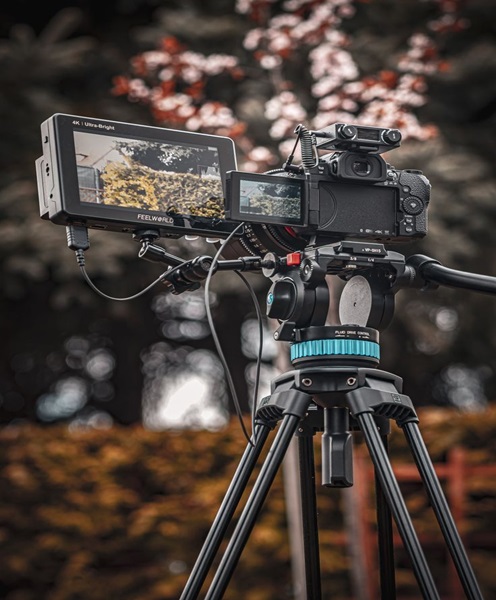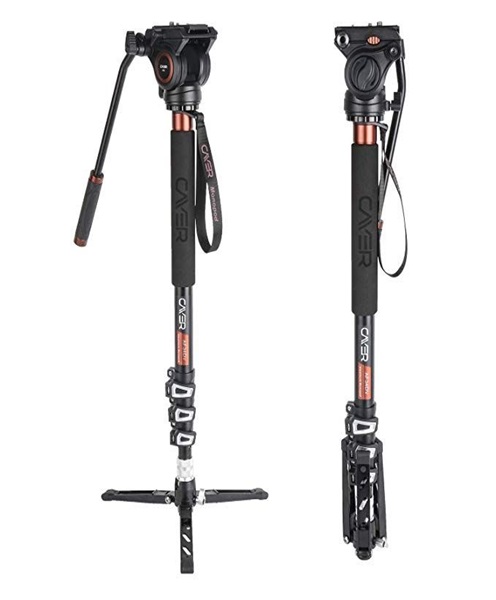
Monopod Hire and Rental in Kenya
Photography and video production often require equipment that combines stability with mobility. While tripods provide three-legged support for fixed camera positions, some assignments require operators to move quickly, follow subjects and work in locations where a full tripod would be inconvenient. A monopod offers a practical camera-support solution for these situations.
Janeson Rentals offers monopod hire and rental in Kenya for photographers, videographers, filmmakers, sports photographers, wildlife enthusiasts, broadcasters, event organisers and production companies. Renting a monopod allows clients to access additional camera support for temporary assignments without purchasing equipment that may only be needed occasionally.
A monopod is a single-legged camera support system that helps carry some of the camera’s weight while allowing the operator to reposition the equipment quickly. It is particularly useful when working with longer lenses, heavier camera setups or subjects that move frequently.
Monopods are commonly used for sports photography, wildlife filming, concerts, weddings, news coverage, documentary production and event videography. Depending on the model, a monopod may feature adjustable height sections, locking mechanisms, a mounting platform, a detachable head or a small support base.
Whether you are covering a live sporting event, filming a wildlife documentary, recording a corporate function or photographing a busy event, a suitable monopod can make camera operation more manageable.
What Is a Monopod?
A monopod is a camera-support device with one main vertical leg. It is designed to support a camera while allowing the operator to move and reposition the equipment more easily than with a traditional tripod.
The monopod typically consists of an adjustable support column, leg sections, locking mechanisms and a mounting connection for the camera or tripod head.
Some models have a simple mounting screw for attaching a camera directly, while others can accommodate compatible ball heads, video heads or specialised camera supports.
Unlike a tripod, a standard monopod does not independently support itself in a stable standing position. The operator generally needs to hold and control it while filming or photographing.
This makes a monopod useful when the photographer or videographer needs to move frequently but still wants assistance carrying the camera’s weight.
Common applications include:
-
Sports photography and videography.
-
Wildlife and safari filming.
-
Concert and festival coverage.
-
Wedding photography.
-
Corporate event videography.
-
Television and news reporting.
-
Documentary filmmaking.
-
Outdoor photography.
-
Long-lens photography.
-
Interviews and field production.
Why Hire a Monopod Instead of Buying One?
A monopod may be a relatively compact piece of equipment, but choosing the right model is still important. Different cameras, lenses and shooting environments have different support requirements.
Hiring can be a practical option for photographers and production teams that need a monopod for particular assignments.
1. Reduce Equipment Costs
Purchasing camera-support accessories for every possible shooting situation can increase production expenses.
Monopod hire allows clients to access suitable support equipment for a specific project without committing to a permanent purchase.
This is useful for independent photographers, event videographers, media teams and production companies.
2. Support Heavier Camera Equipment
Long telephoto lenses and professional video cameras can become tiring to hold for extended periods.
A suitable monopod helps support some of the camera’s weight, reducing the physical effort required from the operator.
The monopod must still be selected according to the camera’s total weight and mounting requirements.
3. Improve Mobility
A tripod requires space to open its three legs, which may be difficult in crowded venues or locations with restricted access.
A monopod occupies a smaller footprint and can be repositioned more quickly. This makes it useful when photographers need to move between shooting positions.
4. Support Long-Lens Photography
Wildlife, sports and outdoor photographers often use telephoto lenses to capture distant subjects.
A monopod can help support the camera and lens combination, making it easier to maintain a consistent shooting position during extended sessions.
5. Expand an Existing Camera Package
A photographer may already own a tripod but need a monopod for a particular assignment.
Hiring provides additional flexibility when preparing equipment for sports events, concerts, documentaries, wildlife filming and other mobile productions.
Events and Productions That Require Monopods
Monopods are useful across different photography and videography applications, particularly where mobility is important.
Sports Photography and Videography
Sports photography often requires operators to follow fast-moving subjects while working within designated shooting areas.
A monopod can support a camera fitted with a telephoto lens, helping the photographer manage the equipment’s weight while tracking athletes.
It is useful for covering football matches, athletics, basketball, rugby, motorsports and other sporting activities.
For video coverage, a compatible head may allow the operator to make controlled adjustments while following action. The exact movement capabilities depend on the head attached to the monopod.
Wildlife and Safari Photography
Wildlife photography often involves extended periods of observation and the use of telephoto lenses.
Photographers may need to keep their cameras ready while waiting for animals to appear or move into a suitable position. A monopod can help support the camera and lens without requiring the operator to carry the full weight continuously.
For safari filming, a monopod may also be useful when working from suitable stationary positions. Operators should follow the vehicle, park and wildlife safety rules applicable to the location.
Concerts and Music Festivals
Concert photographers and videographers often work in crowded environments where a full tripod may occupy too much space.
A monopod provides a more compact support arrangement and can help operators manage heavier camera equipment.
It can be useful for capturing performers, musicians, stage details and audience reactions.
Weddings and Social Events
Wedding photographers frequently move between different areas to capture ceremonies, speeches, group photographs and reception activities.
A monopod can support a camera fitted with a longer lens while allowing the photographer to reposition quickly.
It may be particularly useful when working in crowded venues where opening a full tripod would be inconvenient.
Corporate Events and Conferences
Corporate event videographers may need to move between the stage, audience and interview areas.
A monopod can support a camera while allowing the operator to change position more easily than with a full tripod arrangement.
It can also be used during interviews, speaker coverage and other activities where a mobile camera position is required.
News and Documentary Production
News gathering and documentary filmmaking often involve filming in changing environments.
A monopod can help support the camera during interviews, public events, field reporting and location-based filming.
Its compact design makes it easier to carry between locations than some larger camera-support systems.
Outdoor Photography
Landscape, travel and outdoor photographers may use monopods when they want additional camera support without carrying a full tripod.
They are especially useful when moving frequently between viewpoints or photographing subjects that require continuous repositioning.
Important Features to Consider When Hiring a Monopod
Selecting the correct monopod involves understanding the camera equipment and the type of shooting being undertaken.
Load Capacity
The monopod must be suitable for the complete camera setup.
Consider the combined weight of the camera body, lens, battery, microphone, mounting head and other attached accessories.
The load rating should be checked before mounting the equipment. A monopod should not be overloaded simply because it has a strong-looking construction.
Maximum and Minimum Height
Different monopods have different height ranges.
A taller monopod may be useful when photographing or filming subjects from an elevated position, while a compact model may be easier to carry between locations.
Consider the operator’s height, shooting position and camera viewing angle when choosing the equipment.
Number of Leg Sections
Monopods may have two, three, four or more adjustable sections, depending on their design.
More sections can make the monopod compact when folded, but the locking system and overall construction should also be considered.
Construction Material
Monopods may be manufactured from aluminium, carbon fibre or other materials.
Aluminium models can provide a sturdy support option, while carbon-fibre models may offer reduced carrying weight.
The appropriate choice depends on portability, equipment weight, durability and the expected shooting conditions.
Locking Mechanism
Monopod sections use different locking systems to secure the adjustable legs.
Common designs include twist locks and flip locks. The locks should be checked before mounting the camera and during setup to ensure the sections remain secure.
Mounting Compatibility
The mounting connection must be compatible with the camera or tripod head.
Some monopods provide a standard camera mounting screw, while others use additional mounting plates or adapters.
If a separate head is required, confirm that the monopod and head use compatible connections.
Base and Support Feet
Some monopods feature a small base with folding feet that can provide additional support.
These features may help with certain types of video operation, but they do not automatically make a monopod equivalent to a tripod.
The operator should understand the limitations of the support base and maintain control of the camera during use.
Monopod vs Tripod: Which Should You Hire?
A monopod and tripod both support cameras, but they serve different purposes.
A tripod uses three legs and can independently support a camera when correctly positioned and locked. It is useful for long exposures, fixed interviews, studio recording, landscape photography and other situations where a stable stationary position is required.
A monopod uses one main leg. It is designed to support some of the camera’s weight while allowing the operator to move and reposition quickly.
A monopod is often more convenient in crowded environments, sports venues and locations where a full tripod would be difficult to position.
However, a monopod does not provide the same independent stability as a properly set-up tripod. It should not be treated as a direct replacement when a camera must remain unattended in a fixed position.
The choice depends on the shooting environment, camera weight, mobility requirements and type of footage being captured.
Choosing the Right Monopod for Different Cameras
Different camera systems may require different monopod configurations.
Mirrorless cameras: Lightweight monopods can support compatible mirrorless cameras used for travel, events and video recording.
DSLR cameras: DSLR bodies fitted with larger lenses may benefit from monopod support, especially during sports and wildlife photography.
Professional camcorders: Some monopods can support compatible camcorders, provided their payload and mounting arrangements are suitable.
Cinema cameras: Cinema camera rigs may be heavier because of cages, batteries, monitors and additional accessories. A suitable heavy-duty monopod may be required.
Telephoto lens setups: Long lenses can shift the centre of gravity of a camera setup. Check the monopod’s capacity and the mounting arrangement, particularly when using a tripod collar on the lens.
Accessories and Equipment That Complement a Monopod
A monopod can be used with other camera accessories to support different shooting requirements.
-
Camera bodies: Compatible DSLR, mirrorless and video cameras can be mounted on suitable monopods.
-
Telephoto lenses: These can benefit from additional support when photographing distant subjects.
-
Monopod heads: Compatible heads provide additional camera positioning and movement options.
-
Quick-release plates: These allow the camera to be mounted and removed from compatible heads.
-
Camera straps: These can assist with carrying equipment between shooting positions.
-
Camera monitors: External displays can help operators check framing and focus.
-
Camera batteries: Additional power may be useful during long shooting sessions.
-
Camera bags: Suitable bags help protect equipment during transport.
-
External microphones: These support audio recording during interviews and video production.
-
Professional tripods: A tripod may be used alongside a monopod when a production needs both fixed and mobile camera positions.
All accessories should be checked for compatibility with the monopod and the camera being used.
Tips for Using a Monopod Professionally
Correct operation helps improve stability and makes the equipment easier to manage.
Position the monopod securely: Place the foot on a firm surface and maintain control of the camera throughout use.
Adjust the height: Set the monopod to a comfortable operating height before beginning the shoot.
Check the locking mechanisms: Ensure all adjustable sections are secured before mounting or operating the camera.
Balance the camera: When using a long lens, check the mounting arrangement and centre of gravity to avoid unnecessary strain.
Use controlled movement: Follow subjects smoothly and avoid sudden movements that may affect the footage.
Manage equipment weight: Consider the complete camera setup, including lenses and accessories, before selecting a monopod.
Maintain awareness of the surroundings: In crowded events, sports venues and public locations, position the monopod carefully to avoid obstructing people.
Do not leave the camera unattended: A standard monopod does not provide the independent stability of a tripod. Keep control of the equipment at all times.
Why Choose Janeson Rentals for Monopod Hire in Kenya?
Janeson Rentals provides equipment hire and rental solutions for photographers, videographers, filmmakers, broadcasters, event organisers and production teams in Nairobi and across Kenya.
We understand that different camera assignments require different support arrangements. A monopod used for wildlife photography may have different requirements from one used for event videography or professional sports coverage.
Clients seeking monopod hire can enquire for weddings, concerts, sporting events, wildlife filming, documentaries, interviews, corporate productions and outdoor photography.
When making an enquiry, provide the camera model, lens being used, approximate equipment weight, preferred height and intended shooting application. This information helps establish the appropriate support requirements.
Whether you are a professional photographer, independent filmmaker, event videographer or media organisation, hiring a monopod can help expand your available camera-support options for a specific project.
Book Monopod Hire and Rental in Nairobi and Across Kenya
A monopod provides a practical support option for camera operators who need mobility while managing the weight of their equipment. It is particularly useful for sports, wildlife, events, concerts, documentaries and other assignments where repositioning is important.
Janeson Rentals offers monopod hire and rental solutions in Nairobi and across Kenya for photographers, videographers, filmmakers, production companies and event organisers.
Contact Janeson Rentals to enquire about monopod rental for your next photography or video production project. Share your camera and lens specifications so that suitable support equipment can be considered.