Multi-Track Recorder Hire and Rental in Kenya
Professional audio production often involves recording several sound sources at the same time. A music performance may include vocals, guitars, keyboards, drums and other instruments, while a conference recording may involve several speakers and microphones. Recording all these sources into one combined audio file can make editing difficult because individual sounds cannot easily be adjusted independently.
A multi-track recorder provides a practical solution by allowing multiple audio sources to be recorded onto separate tracks. This gives sound engineers, musicians, filmmakers, podcast producers and media professionals greater flexibility during recording and post-production.
Janeson Rentals provides multi-track recorder hire and rental in Kenya for individuals and organisations that require professional audio recording equipment for temporary projects. Whether you are recording a live band, producing music, capturing a panel discussion, recording a podcast or managing sound for a video production, a multi-track recorder can help organise audio sources and support a more flexible editing process.
Hiring a multi-track recorder is especially useful when you need professional recording capabilities without purchasing equipment that may only be used occasionally.
Based in Nairobi, Janeson Rentals serves clients organising productions and events in Nairobi and across Kenya.
What Is a Multi-Track Recorder?
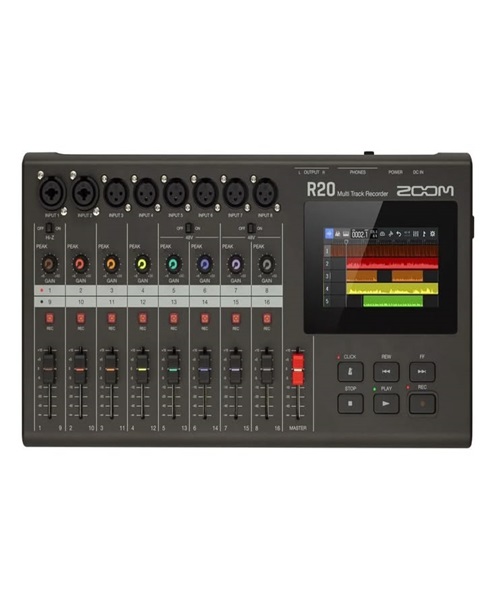
A multi-track recorder is an audio recording device that captures and stores multiple audio signals on separate tracks.
Instead of combining every microphone or instrument into a single recording, the recorder allows individual sources to be captured independently, depending on its input and track capabilities.
For example, during a music recording session, the vocals may be recorded on one track, the guitar on another, the keyboard on a separate track and the drums across additional tracks.
During editing, the sound engineer can adjust the volume, equalisation, timing and other processing for each track independently.
This is one of the main advantages of multitrack recording: it gives production teams greater control over the final sound.
Multi-track recorders are available in different configurations. Some are compact portable units, while others are designed for larger studio or live production environments. Certain models also include mixing functions, onboard effects, USB connectivity or the ability to transfer recordings to a computer.
The number of available inputs, tracks and recording features varies by model.
Why Hire a Multi-Track Recorder?
Purchasing professional multitrack recording equipment may not be practical for everyone. Rental provides access to the equipment for the duration of a specific project.
1. Cost-Effective Professional Recording
A multi-track recorder can represent a significant investment, particularly when a production requires a model with multiple microphone inputs and advanced recording capabilities.
Hiring allows musicians, production companies, event organisers and independent creators to access the equipment without paying the full purchase price.
This can be especially useful for one-off recording sessions, short-term productions and occasional live events.
2. Record Multiple Sources Independently
One of the greatest benefits of multitrack recording is the ability to capture separate sound sources.
This makes it easier to correct individual recording problems, balance different instruments and improve the final mix.
For example, if a vocalist is too quiet compared with the guitar, the sound engineer can adjust the vocal track without necessarily changing the guitar recording.
3. Greater Flexibility During Editing
Separate tracks allow editors to make changes after the recording session.
They can remove unwanted sections, adjust individual sound levels, apply audio processing and create different versions of the same recording.
This is particularly useful for music, podcasts, documentaries and professional video productions.
4. Support Live and Studio Recording
Depending on the recorder’s capabilities, a multitrack device can be used for studio sessions, rehearsals, concerts, conferences and location recording.
This flexibility makes rental useful for production teams working across different types of projects.
5. Match Equipment to the Project
Not every production requires the same number of inputs or tracks.
Hiring gives clients the opportunity to select recording equipment according to the size and complexity of their project rather than purchasing a single device for every possible situation.
Applications of Multi-Track Recorder Rental in Kenya
Multi-track recorders are useful across several professional and creative industries.
Music Production and Recording Sessions
Music production is one of the most common applications of multitrack recording.
A recording session may involve several instruments and vocal performances that need to be captured independently.
A multi-track recorder can help record these sources separately, allowing the producer or sound engineer to create a balanced final mix.
It can support:
-
Solo vocal recording.
-
Instrumental recording.
-
Band rehearsals.
-
Live music sessions.
-
Demo production.
-
Musical performances.
-
Independent artist projects.
For musicians who do not operate a permanent recording studio, hiring a multitrack recorder can provide a practical way to complete a particular project.
Live Music Recording
Concerts, performances, festivals and live entertainment events can benefit from multitrack recording.
Rather than relying only on a single stereo recording of the entire performance, a suitable multitrack setup may capture individual microphone and instrument feeds.
This can provide more flexibility when producing live albums, performance videos, promotional content and archival recordings.
The recording arrangement must be planned around the available audio outputs, microphone connections and the recorder’s simultaneous input capacity.
Podcast Production
Podcasts involving several presenters or guests can benefit from individual audio tracks.
For example, a panel podcast with four participants may require separate microphone recordings so that each person’s audio can be adjusted independently during editing.
A multitrack recorder can support this workflow when its input configuration and recording capacity meet the project’s needs.
This is useful for interview podcasts, discussion programmes, business podcasts, entertainment shows and educational content.
Film and Television Production
Video production teams sometimes need to record several microphones separately during filming.
A multi-track recorder can capture dialogue from different actors, presenters or interview participants on individual tracks.
This allows editors and sound professionals to work with the recordings more efficiently during post-production.
It can also be useful when combining dialogue, environmental sound and other audio sources in a larger production.
Conferences and Panel Discussions
Conferences and corporate events often feature several speakers.
A suitable multitrack recording setup can capture individual microphone feeds separately, making it easier to edit presentations, isolate speakers and prepare recordings for later distribution.
This is particularly valuable when an event will be converted into training material, recorded presentations or digital content.
Educational and Training Productions
Training providers, schools, universities and professional organisations may use multitrack recorders when producing lectures, instructional videos, interviews and educational programmes.
Separate tracks help production teams manage multiple presenters, demonstrations and supporting audio.
Documentary and Location Sound Recording
Documentary productions may involve several people speaking, environmental sounds and other audio sources.
A suitable multitrack recorder can capture these elements independently, helping editors create a more organised soundtrack.
Important Features to Consider When Hiring a Multi-Track Recorder
Selecting the right recorder involves understanding the technical requirements of your production.
Number of Inputs
The number of inputs determines how many external audio sources can be connected at once.
A small podcast may need only a few microphone inputs, while a live music recording may require significantly more.
Before hiring, list every microphone, instrument and external audio source that needs to be recorded simultaneously.
Number of Recordable Tracks
Input count and track count are different specifications.
A recorder may have several physical inputs but limitations on how many tracks it can record simultaneously.
Confirm that the equipment supports the number of separate recordings required by your project.
Microphone Preamplifiers
Microphone preamps amplify low-level microphone signals to a suitable recording level.
The quality and number of preamps can affect the recording workflow, particularly when several microphones are being used.
Phantom Power
Some condenser microphones require phantom power, commonly supplied through compatible professional microphone inputs.
If your production uses condenser microphones, confirm that the recorder provides the required power and that it can be enabled on the appropriate inputs.
Recording Quality and Format
Different recorders support different sample rates, bit depths and file formats.
The appropriate settings depend on the production’s technical requirements and post-production workflow.
For music, film and broadcast projects, it is important to confirm the required recording format before the session begins.
Onboard Mixing and Monitoring
Some multitrack recorders include onboard mixing controls that allow users to monitor and adjust input levels.
Headphone outputs can help sound operators listen to individual tracks or monitor the overall recording.
The available monitoring options vary between models.
Storage and File Management
Multitrack recordings can require substantial storage space, especially during long music sessions or live events.
Check the recorder’s supported storage media and prepare sufficient storage capacity for the entire project.
It is also important to organise files clearly and maintain backup copies of important recordings.
Computer Connectivity
Some recorders support USB or other computer connections for transferring audio files. Certain models may also function as audio interfaces, but this capability should not be assumed for every recorder.
If you intend to connect the equipment to a laptop or desktop computer, confirm the supported connection and operating-system compatibility.
Multi-Track Recording for Live Events
Live event recording requires careful planning because the sound environment is often more complicated than a controlled studio session.
A concert, conference or corporate presentation may involve several microphones, instruments, playback devices and sound systems.
A multitrack recorder can capture individual sources when suitable outputs are available from the event’s mixing console or audio equipment.
For example, a live music production may require separate feeds for vocals, instruments and drums. A conference recording may require separate feeds for the different speaker microphones.
The sound engineer should confirm the available outputs, signal levels and routing arrangements before the event begins.
A test recording is essential. It helps identify clipping, missing channels, unwanted noise and incorrect signal routing before the main programme starts.
Using a Multi-Track Recorder with Other Audio Equipment
A multitrack recorder is often part of a wider production setup.
Depending on the project, complementary equipment may include:
-
Wired and wireless microphones.
-
Condenser and dynamic microphones.
-
Digital and analogue mixing consoles.
-
Audio interfaces.
-
Studio headphones.
-
Headphone amplifiers.
-
Microphone stands and boom stands.
-
XLR cables and audio connectors.
-
Portable audio recorders.
-
Studio monitors and playback speakers.
-
Laptops and computers for editing and mixing.
For music production, microphones and instruments may be connected directly to compatible recorder inputs or routed through an appropriate audio system.
For live event recording, audio may be supplied from a mixing console through suitable outputs. The sound engineer should verify that the signal routing is compatible with the recorder.
Why Choose Janeson Rentals for Multi-Track Recorder Hire?
Janeson Rentals provides equipment hire solutions for event organisers, creative professionals, production companies and businesses requiring temporary audiovisual equipment.
Our multi-track recorder rental service is suitable for projects that need organised, independent audio recording without the expense of purchasing professional recording equipment.
Flexible Rental Periods
Different productions have different schedules. You may need a recorder for a single recording session, a concert, a conference or a longer production.
Hiring allows you to arrange equipment according to your project requirements and agreed rental period.
Nairobi-Based Equipment Hire
Janeson Rentals is based in Nairobi and supports clients organising recording projects, events and productions within the city.
Service Across Kenya
We also serve clients across Kenya, supporting production requirements beyond Nairobi.
Equipment for Different Production Needs
Whether you are recording music, producing podcasts, filming interviews or capturing a live event, it is important to select equipment that matches your intended recording setup.
Our wider audiovisual equipment hire offering can also help clients plan complementary production requirements.
Tips for Getting the Best Results from a Multi-Track Recorder
Before the recording session, create a channel list showing which microphone or instrument will be assigned to each input.
Label the tracks clearly so that the sound engineer can identify each recording during editing.
Set appropriate recording levels and avoid excessive input gain, which can cause distortion. Check that every microphone is working and that the recorder is receiving the correct signal.
During live recording, monitor the tracks through headphones whenever possible. This helps identify technical problems while there is still an opportunity to correct them.
Make a short test recording before the main session. Play it back and confirm that the audio is clear, the tracks are separated correctly and no important source is missing.
Finally, organise and back up the recorded files. For important productions, maintaining a second copy helps protect valuable audio material.
Book a Multi-Track Recorder from Janeson Rentals
Are you planning a music recording session, live concert, podcast, conference, documentary or professional video production?
Janeson Rentals offers multi-track recorder hire and rental in Kenya for clients who need practical audio recording solutions for temporary projects.
Contact Janeson Rentals to discuss your recording requirements, the number of inputs and tracks needed, and your preferred rental period. From Nairobi to projects across Kenya, we can help you plan your equipment requirements for a more organised recording process.