Portable Recorder Hire and Rental in Kenya
Recording important conversations, presentations, interviews and environmental sounds requires equipment that is convenient, reliable and appropriate for the intended recording environment. Whether you are documenting a business meeting, interviewing someone for a documentary, recording a lecture or capturing audio for a creative project, a portable recorder provides a practical solution for recording sound in different locations.
Portable recorders are useful because they allow users to capture audio without necessarily requiring a permanent studio or a computer-based recording setup. Depending on the device, a portable recorder may include built-in microphones, external microphone connections, headphone monitoring, digital storage and adjustable recording settings.
At Janeson Rentals, we provide portable recorder hire and rental in Kenya for businesses, event organisers, journalists, researchers, students, filmmakers, podcasters, production companies and content creators.
Our rental service is designed for clients who need recording equipment for a particular event, assignment or production period. Rather than purchasing a device that may only be used occasionally, you can explore renting suitable equipment for your specific requirements.
Based in Nairobi and serving clients across Kenya, Janeson Rentals supports a variety of event and production equipment rental needs.
Whether you are planning a conference, conducting interviews, recording a presentation, producing a podcast or working on a documentary, portable recorder hire can provide a convenient way to access audio recording equipment.
What Is a Portable Recorder?
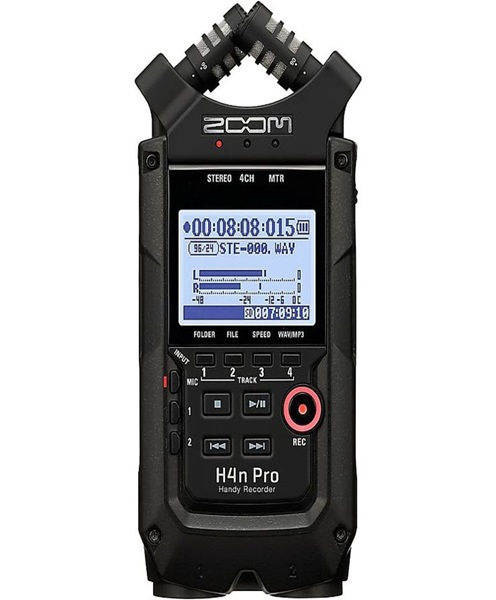
A portable recorder is a compact electronic device designed to capture and store audio recordings. It can be used in different environments, including offices, classrooms, conference rooms, studios, outdoor locations and event venues.
Portable recorders come in several configurations. Some are designed primarily for recording spoken words, while others support stereo sound, external microphones, multiple recording channels and more advanced production workflows.
Depending on the model, a portable recorder may feature:
-
Built-in microphones.
-
External microphone inputs.
-
Stereo recording capabilities.
-
Adjustable recording levels.
-
Headphone monitoring.
-
Internal memory.
-
Removable memory cards.
-
USB connectivity.
-
Battery-powered operation.
-
Multiple recording formats.
-
Dedicated recording controls.
The available features differ from one device to another. A basic voice recorder may be suitable for simple spoken recordings, while a more advanced portable recorder may be better suited to interviews, music, location recording and professional content production.
It is important to select equipment based on the number of people or sound sources being recorded, the environment and the intended use of the final audio.
Why Hire a Portable Recorder Instead of Buying One?
Portable recording equipment can be useful for many people and organisations, but not everyone needs to own a recorder permanently.
Hiring provides flexibility for temporary recording assignments and helps manage equipment expenses.
1. Cost-Effective for Short-Term Projects
Purchasing recording equipment can be an unnecessary expense when the device is required for only a few days.
For example, a business may need a portable recorder for a conference, a researcher may require one for interviews, or a production team may need one for a documentary assignment.
Portable recorder rental allows you to access equipment for the agreed rental period without committing to a permanent purchase.
2. Convenient for Events and Meetings
Events often involve important speeches, discussions and presentations that organisers may want to document.
A portable recorder can provide a straightforward way to capture audio for later reference, transcription or production.
It can be especially useful when the recording needs to be independent of the venue’s main sound system.
3. Useful for Mobile Recording
Some recording assignments take place outside traditional studios.
Portable recorders can be transported between different locations, making them useful for journalists, researchers, interviewers and documentary teams.
Their compact design helps reduce the amount of equipment required for simple recording tasks.
4. Flexible for Different Recording Needs
Different projects require different recording capabilities.
A simple meeting recording may not require the same equipment as a professional interview or music production.
Hiring allows you to discuss the appropriate recorder for each assignment rather than relying on a single device for every situation.
5. Avoid Long-Term Equipment Maintenance
Owning recording equipment involves storage, maintenance, battery management and keeping track of accessories.
For occasional users, hiring can simplify equipment planning by providing access to recording equipment when a project requires it.
Applications of Portable Recorder Rental in Kenya
Portable recorders are used across business, education, journalism, entertainment and media production. Their flexibility makes them suitable for many recording situations.
Corporate Meetings and Business Conferences
Businesses regularly hold meetings where important discussions, presentations and decisions need to be documented.
A portable recorder can be used to capture spoken contributions during:
-
Board meetings.
-
Management meetings.
-
Staff training.
-
Corporate workshops.
-
Business conferences.
-
Stakeholder consultations.
-
Strategy sessions.
-
Seminars.
-
Professional presentations.
For larger meetings, microphone placement is important. A recorder placed too far from the speakers may capture excessive room noise and produce unclear speech.
Where appropriate, consider a suitable feed from the conference audio system or additional microphones.
Interviews and Journalism
Portable recorders are useful tools for journalists, reporters and media professionals who conduct interviews in different locations.
They can be used for business interviews, news reports, community stories, documentary conversations and research assignments.
A recorder with suitable microphone inputs may allow the user to connect an external microphone for improved voice capture.
For interviews, consider the distance between the interviewer and interviewee, surrounding noise and whether both voices need to be recorded separately.
Lectures and Educational Recordings
Educational institutions, trainers and students may need to record lectures, presentations and learning sessions.
Portable recorder hire can support:
-
University lectures.
-
Training workshops.
-
Classroom presentations.
-
Educational seminars.
-
Guest speaker sessions.
-
Academic discussions.
-
Research interviews.
-
Professional training programmes.
Before recording, confirm that the institution and participants have given the necessary permission.
Podcasting and Content Creation
Portable recorders can support podcast production, especially when creators need to record interviews outside a permanent studio.
They may be used to capture discussions at events, guest interviews, travel conversations and temporary recording sessions.
Depending on the device, users may record through built-in microphones or connect external microphones.
For multi-person podcasting, check the available inputs and simultaneous recording capabilities before hiring.
Documentary and Video Production
Video creators sometimes use portable recorders to capture audio independently from their cameras.
This is useful when recording interviews, narration, background ambience and other sound elements for later editing.
A portable recorder can support documentary work, corporate videos, promotional content and independent film projects.
For professional productions requiring multiple microphone inputs, timecode or advanced multitrack recording, a suitable field recorder may be more appropriate.
Research and Fieldwork
Researchers may need recording equipment to document interviews, focus groups, discussions and observations.
Portable recorder rental can be useful for academic research, social studies, oral history projects and community-based assignments.
The recorder should have sufficient battery capacity and storage for the planned sessions.
Researchers should also consider data security, participant consent and the confidentiality of recorded information.
Church and Community Activities
Churches and community organisations may organise seminars, discussions, training programmes and special events where audio documentation is required.
A portable recorder can be used to capture speeches, teaching sessions, interviews and selected presentations.
For large gatherings, it may be useful to connect the recorder to a suitable sound system output rather than relying exclusively on the built-in microphones.
Important Features to Consider When Hiring a Portable Recorder
Portable recorders vary considerably in their design and technical capabilities. Before booking, consider the following features.
Built-In Microphones
Some recorders feature built-in microphones for capturing sound without additional equipment.
These can be convenient for simple interviews, meetings, ambient recording and general spoken content.
However, built-in microphones may not be suitable for every environment. External microphones may be preferable when the recording requires more controlled microphone placement.
External Microphone Connections
Certain portable recorders support external microphones through different connection types.
This allows users to select microphones according to the recording task.
For example, an interview may benefit from a handheld microphone, while a voiceover may require a suitable studio microphone.
Always confirm the connection type and microphone compatibility.
Stereo Recording
Stereo recording uses two channels to capture a sense of spatial sound.
It can be useful for music, ambience, environmental recordings and certain event recordings.
For straightforward speech recording, a mono recording may be sufficient, depending on the intended application.
Recording Formats
Portable recorders may support different audio formats and quality settings.
The selected format affects file size, sound quality and compatibility with editing software.
For important productions, agree on the recording format before the session begins.
Storage Capacity
The available storage determines how much audio can be recorded before files need to be transferred or storage is replaced.
Long conferences, interviews and documentary assignments may require significant storage capacity.
Check the device’s supported memory card format and the estimated recording duration.
Battery Life
Portable recorders are frequently used away from permanent power sources.
Battery life is therefore an important consideration, particularly for outdoor assignments and full-day conferences.
Confirm the power arrangement and plan for backup batteries or charging where necessary.
Headphone Monitoring
Headphone monitoring allows the user to listen to the incoming audio.
It can help identify background noise, distortion, handling sounds and other recording problems.
For important recordings, test the monitoring function before the session begins.
USB Connectivity
Some portable recorders offer USB connectivity for file transfers or use as an audio interface.
However, USB functionality varies. Not every portable recorder can operate as a live computer audio interface.
If you intend to connect the recorder to a computer for live recording, confirm that the model supports the required function.
Portable Recorder Accessories and Complementary Equipment
The right accessories can make portable recording more convenient and improve the quality of the final audio.
Depending on the device and project, you may require:
External microphones: Useful when built-in microphones are not suitable for the recording environment.
Lavalier microphones: Suitable for interviews, presentations and recording individual speakers.
Handheld microphones: Useful for journalism, interviews and public speaking.
Headphones: Allow users to monitor the incoming audio.
Microphone stands: Help maintain consistent microphone positioning.
XLR cables: Required for compatible professional microphone connections.
Windshields: Help reduce unwanted wind noise when using suitable microphones outdoors.
Memory cards: Provide storage for compatible portable recorders.
Audio mixers: Useful when several sound sources need to be managed before recording.
Laptop computers: Can support file transfer, editing and production workflows where required.
Before hiring additional equipment, confirm that the connections and technical specifications are compatible with the selected recorder.
How to Prepare for a Portable Recording Session
Good preparation is important when recording conversations, presentations and other important audio.
Start by identifying the purpose of the recording. A one-person interview, a group discussion and a full conference may require different recording arrangements.
Consider the location and its acoustic environment. Rooms with excessive echo, traffic noise, fans or nearby conversations may affect the quality of the recording.
Before the session:
-
Confirm the recording duration.
-
Check battery capacity.
-
Ensure sufficient storage space.
-
Test the microphones.
-
Confirm external microphone compatibility.
-
Check recording levels.
-
Test headphone monitoring.
-
Make a short test recording.
-
Listen to the test before the actual session.
-
Prepare a backup recording plan for important material.
For long sessions, establish a system for saving and organising recorded files. Clear file names and organised folders can make it easier to retrieve audio during editing or transcription.
Portable Recorder Hire for Events in Nairobi and Across Kenya
Portable recorders are useful for many types of events and professional activities.
Event organisers, businesses, educational institutions and production teams may need recording equipment for temporary assignments.
Janeson Rentals supports rental enquiries for recording equipment required at corporate conferences, workshops, seminars, church gatherings, interviews, product launches, training programmes and media productions.
Whether your project is taking place in Nairobi or another part of Kenya, provide the location, recording requirements and rental period when making your enquiry.
Why Choose Janeson Rentals for Portable Recorder Rental?
Janeson Rentals provides equipment hire and rental services for events, production work and other professional requirements.
Our portable recorder hire service gives clients an opportunity to access recording equipment without purchasing it permanently.
We cater to different types of clients, including:
-
Businesses and corporate organisations.
-
Event planners and organisers.
-
Journalists and media professionals.
-
Documentary production teams.
-
Filmmakers and videographers.
-
Podcast creators.
-
Educational institutions.
-
Researchers and students.
-
Churches and community organisations.
We understand that recording requirements vary from one project to another. A simple voice recording may need a different device from a multi-microphone interview or professional production.
When contacting Janeson Rentals, explain the intended use of the recorder so that suitable equipment can be discussed.
Book a Portable Recorder for Hire in Kenya
Are you looking for portable recorder hire in Nairobi or across Kenya?
Janeson Rentals offers a convenient rental option for clients who need audio recording equipment for conferences, interviews, podcasts, lectures, research projects, documentaries and other recording assignments.
Contact Janeson Rentals to discuss your requirements, rental dates and any complementary equipment you may need.
Choose Janeson Rentals for portable recorder hire and rental in Kenya and access a practical recording solution for your next project.