Powered Mixer Hire & Rental in Kenya
A reliable sound system is essential for delivering clear audio at events. Whether you are organising a church service, wedding reception, corporate meeting, school function, live music performance or outdoor celebration, the sound equipment must be capable of receiving different audio sources and delivering sufficient sound to the audience.
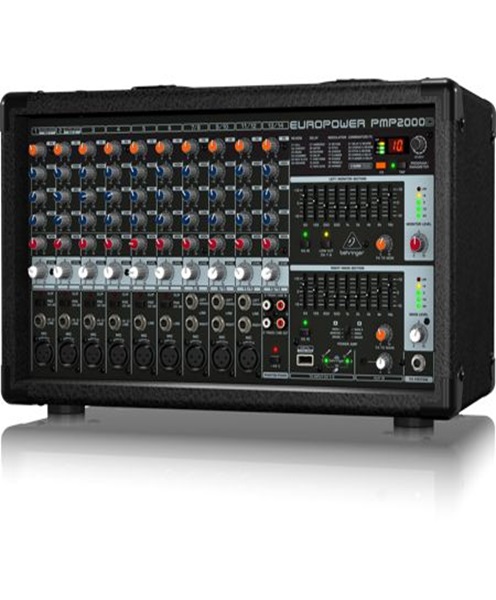
A powered mixer is a practical option for certain event sound setups because it combines two important functions in one unit: audio mixing and power amplification. Instead of using a separate mixer and power amplifier, a powered mixer incorporates an amplifier into the mixing console. This can simplify equipment connections and make some sound systems easier to transport and operate.
At Janeson Rentals, we provide event equipment hire and rental solutions for clients organising functions across Kenya. Powered mixer hire is suitable for event organisers, musicians, churches, DJs, schools and production teams looking for a convenient audio control and amplification solution.
Whether you need sound equipment for a small live performance, a church gathering, a presentation or a private celebration, choosing the right powered mixer can help create a more manageable audio setup.
What Is a Powered Mixer?
A powered mixer is an audio mixing console with a built-in power amplifier. It receives audio signals from microphones, musical instruments and playback devices, allows the operator to adjust their levels, combines the signals and amplifies the resulting audio for compatible passive speakers.
A conventional mixer normally sends a line-level signal to a separate amplifier or powered speaker. A powered mixer, on the other hand, includes an amplifier section that can drive suitable passive loudspeakers directly.
Depending on the model, a powered mixer may include:
-
Multiple microphone and line inputs.
-
Individual channel volume controls.
-
Input gain controls.
-
Equalisation controls.
-
Master volume controls.
-
Built-in effects such as reverb.
-
Auxiliary outputs.
-
Monitor output controls.
-
Speaker-level amplifier outputs.
-
Phantom power on selected models.
-
Graphic equalisation on selected models.
The number of inputs, amplifier power, output configuration and available features vary between models. The equipment should therefore be selected according to the size and technical requirements of the event.
How a Powered Mixer Works
A powered mixer receives audio from different sources through its input channels. These sources may include wired microphones, compatible wireless microphone receivers, keyboards, guitars, playback devices and other audio equipment.
The operator adjusts each channel to establish a balanced mix. Individual controls may include gain, volume and equalisation. Some powered mixers also provide built-in effects that can be applied to selected channels.
The combined audio signal then passes through the internal power amplifier. The amplified signal is sent through the speaker outputs to compatible passive speakers.
This arrangement can reduce the number of separate components required in a simple PA setup. However, it is important to understand that the amplified outputs are different from ordinary line-level outputs and must only be connected to suitable passive loudspeakers.
Powered mixers should not be connected incorrectly to speaker-level inputs or outputs. Compatibility must be confirmed before installation.
Benefits of Powered Mixer Hire in Kenya
1. Combined mixing and amplification
A powered mixer combines two functions in one unit. This can reduce the need for a separate mixing console and power amplifier in compatible sound setups.
2. Convenient equipment arrangement
With fewer separate components, some systems can be easier to transport, position and connect. This is useful for mobile sound teams and temporary event installations.
3. Practical for smaller PA systems
Powered mixers can be suitable for smaller events that require a straightforward sound setup with a manageable number of microphones and speakers.
4. Direct control of audio sources
The operator can adjust microphone and playback levels through individual channels before sending the combined signal to the speakers.
5. Built-in audio features
Depending on the model, powered mixers may include equalisation, effects, auxiliary sends and other useful sound-control functions.
6. Useful for mobile productions
Musicians, churches and event organisers who move equipment between venues may appreciate the convenience of a combined mixer and amplifier.
7. Flexible rental arrangements
Hiring a powered mixer gives clients access to the equipment for a specific function without purchasing a unit that may only be used occasionally.
Events That Benefit from Powered Mixer Rental
Church services and religious gatherings
Churches may need to connect microphones for pastors, worship leaders and guest speakers, alongside musical instruments and playback devices. A powered mixer can provide a practical solution for compatible church PA systems.
It may be useful for regular services, prayer meetings, small conferences and outdoor religious gatherings.
Weddings and private celebrations
A wedding reception may require microphones for speeches, music playback and live entertainment. A powered mixer can help manage these audio sources and drive compatible passive speakers.
School and university functions
Graduation ceremonies, student performances, assemblies, talent shows and cultural events may require a simple sound system. Powered mixer hire can be considered where the speaker and input requirements match the available equipment.
Small live music performances
Acoustic musicians and small bands may use a powered mixer to combine vocals and instruments. The mixer must have enough channels and suitable inputs for the performers.
Corporate meetings and workshops
Smaller corporate events may need microphones and playback audio for presentations. A powered mixer can support a straightforward PA setup where its available inputs and outputs are sufficient.
Outdoor community events
Community gatherings, announcements and small entertainment activities may benefit from portable sound equipment. The powered mixer’s amplifier capacity and the speakers’ requirements should be checked before use.
Important Features to Consider When Hiring a Powered Mixer
Selecting the right powered mixer requires careful attention to the equipment’s technical specifications.
Input channel count: Establish the number of microphones, instruments and playback devices that will be connected. The mixer should have sufficient inputs for the planned event.
Amplifier power: The built-in amplifier must provide suitable power for the connected passive speakers. Power ratings should be checked using the manufacturer’s specifications and the speakers’ requirements.
Speaker impedance: Confirm that the passive speakers have an impedance compatible with the powered mixer’s amplifier outputs. Connecting an unsuitable load can damage equipment.
Equalisation: EQ controls help the sound operator adjust the tonal balance of microphones and instruments.
Built-in effects: Some powered mixers include reverb, delay or other effects that may be useful for vocals and live music.
Auxiliary outputs: Auxiliary sends can be useful for monitor speakers or external effects equipment, depending on the mixer design.
Microphone compatibility: Check the microphone inputs and whether phantom power is available when required.
Cooling and ventilation: Amplifier sections generate heat. The mixer must have sufficient ventilation during operation.
Portability: Consider the weight, dimensions and transport requirements, particularly when the equipment will be used at different venues.
Powered Mixer Versus a Standard Audio Mixer
A standard audio mixer manages incoming audio signals and sends a line-level output to an external amplifier or powered speakers. A powered mixer performs the mixing function and also contains a built-in power amplifier.
A powered mixer can simplify a compatible sound system because it combines two pieces of equipment. However, a separate mixer and amplifier arrangement may provide greater flexibility for larger or more complex productions.
For example, a small church service or acoustic performance may work well with a powered mixer. A large concert with several monitor mixes, subwoofers, multiple speaker zones and extensive processing may require a separate professional mixing console and dedicated amplification or powered loudspeakers.
The correct option depends on the scale of the event and the required sound configuration.
Powered Mixer Compatibility With Speakers
Speaker compatibility is one of the most important considerations when hiring a powered mixer.
Powered mixers are generally designed to drive passive speakers through their amplified speaker outputs. Powered speakers already contain their own amplifiers and normally receive line-level signals from a mixer.
Connecting a powered mixer’s amplified speaker output to a powered speaker’s line input can damage the speaker or create a serious equipment problem.
Before connecting any equipment, the technician should confirm:
-
Whether the speakers are passive or powered.
-
The speaker impedance.
-
The mixer’s amplifier output rating.
-
The required speaker cable type.
-
The number of speakers supported by each output.
-
Whether additional subwoofers or monitors require separate amplification.
A sound technician should handle the connections to ensure that the complete system is compatible.
Proper Setup and Safe Operation
Correct installation helps protect the mixer, speakers and people operating the equipment.
-
Position the powered mixer on a stable, dry surface.
-
Keep the cooling vents clear.
-
Use suitable speaker cables for amplified outputs.
-
Check speaker impedance and power compatibility.
-
Begin with low channel and master levels.
-
Increase levels gradually during soundcheck.
-
Avoid clipping and excessive amplifier output.
-
Keep liquids away from the console.
-
Protect the equipment from rain and excessive heat.
-
Switch equipment on and off in an appropriate sequence.
-
Allow adequate ventilation during extended use.
For events with several microphones and musical instruments, test every input before the audience arrives.
Why Rent a Powered Mixer Instead of Buying?
Buying a powered mixer may not be economical for organisations that only need one for occasional events. Different functions may also require different numbers of channels and amplifier capacities.
Powered mixer hire offers access to equipment for the required period without the responsibility of long-term ownership, storage and maintenance.
Rental is useful for churches, schools, musicians, event planners and community organisations that organise temporary sound productions.
It also allows clients to plan the sound system according to the specific speaker configuration and input requirements of each event.
Why Choose Janeson Rentals for Powered Mixer Hire & Rental in Kenya?
Janeson Rentals provides event equipment hire and rental solutions for clients organising functions in Nairobi and other parts of Kenya.
1. Solutions for different event requirements
From small presentations to church gatherings and live music performances, powered mixers can support different types of compatible sound setups.
2. Sound equipment coordination
A powered mixer works alongside microphones, passive speakers, cables and other audio accessories. Coordinating the equipment helps establish the complete system requirements.
3. Convenient rental arrangements
Hiring allows event organisers to access a powered mixer for a specific event without purchasing equipment for occasional use.
4. Practical event planning
Clients can share information about the number of microphones, instruments and speakers involved. This helps determine the required mixer capacity and compatibility.
5. Kenya-focused service
Janeson Rentals is based in Nairobi and serves clients organising events across Kenya. Availability, delivery arrangements and rental rates should be confirmed during booking.
How to Book a Powered Mixer from Janeson Rentals
When enquiring about powered mixer hire, provide your event date, venue, rental period and type of function.
Also indicate the number and type of microphones, instruments and speakers you intend to use. If you already have speakers, provide their model, impedance and power specifications where possible.
This information helps establish whether a powered mixer is suitable for your setup or whether a different mixer and amplification arrangement would be more appropriate.
Contact Janeson Rentals to confirm equipment availability, compatibility and rental arrangements.
Hire a Powered Mixer in Kenya from Janeson Rentals
Make your event sound setup more convenient with Powered Mixer Hire & Rental in Kenya from Janeson Rentals. Whether you are organising a church service, wedding, school function, corporate meeting or small live performance, a suitable powered mixer can help you manage audio sources and drive compatible passive speakers.
Contact Janeson Rentals to enquire about powered mixer availability, rental rates and arrangements for your next event.