Professional Tripod Hire and Rental in Kenya
A stable camera position is essential for producing clear, well-composed photographs and professional video footage. Whether a camera is being used for a corporate interview, conference recording, studio production, product photography or an outdoor event, the support system plays an important role in maintaining consistent framing and reducing unwanted camera movement. A professional tripod provides a dependable platform for positioning compatible cameras and other approved equipment during a production.
Janeson Rentals offers professional tripod hire and rental in Kenya for photographers, videographers, filmmakers, production companies, event organisers, businesses and institutions. Renting a professional tripod provides access to suitable camera support for temporary assignments without requiring clients to purchase equipment they may only need occasionally.
Professional tripods are available in different designs, materials, heights and load capacities. Some are designed for photography, while others support video cameras, studio equipment or heavier camera configurations. Choosing the correct tripod involves considering the camera weight, lens, mounting head, working height, shooting environment and type of production.
From portrait photography and product shoots to interviews, conferences and professional video recording, a suitable tripod helps create a more controlled shooting environment.
What Is a Professional Tripod?
A professional tripod is a three-legged support system designed to hold a compatible camera or other equipment securely in a fixed position. Its adjustable legs allow the operator to position the camera at different heights and on suitable surfaces.
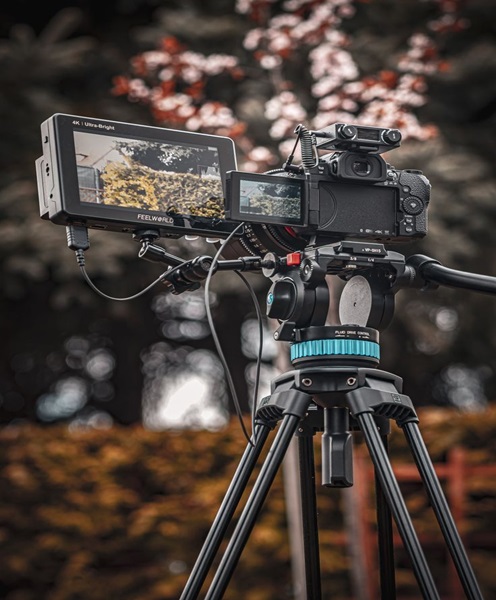
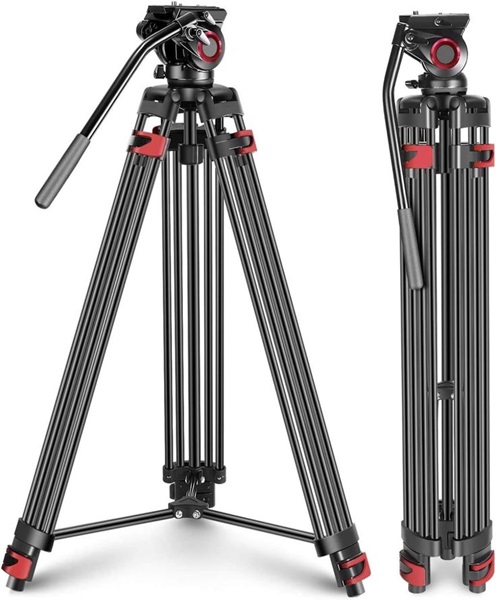
A typical tripod consists of three main sections: the legs, the central support structure and the tripod head. The legs provide stability, while the head connects the camera to the tripod and allows the operator to adjust its position.
Professional tripods may feature aluminium or carbon-fibre construction, adjustable leg sections, locking mechanisms, quick-release plates and different types of heads. The exact features depend on the equipment design and intended use.
Tripods are commonly used for:
-
Professional photography.
-
Corporate video production.
-
Studio recording and interviews.
-
Conference and seminar coverage.
-
Product photography and demonstrations.
-
Documentary filmmaking.
-
Television and broadcast production.
-
Educational and training videos.
-
Architectural and interior photography.
-
Long-exposure photography.
-
Event and promotional content creation.
A professional tripod is not simply a stand for holding a camera. It is part of the production setup and should be selected according to the weight, dimensions and operating requirements of the equipment being supported.
Why Hire a Professional Tripod Instead of Buying One?
Purchasing professional camera-support equipment can be an additional expense for photographers, businesses and production teams. If a tripod is only needed for occasional assignments, hiring can be a practical alternative.
1. Reduce Equipment Purchase Costs
A professional tripod may be required for a specific photography session, video production or event. Hiring allows clients to access suitable support equipment without making a permanent purchase.
This can be useful for independent photographers, small production companies, marketing agencies and organisations with occasional recording requirements.
2. Choose Support According to the Camera
Different cameras have different weight and mounting requirements. A compact mirrorless camera may work with a lighter tripod, while a professional camcorder or cinema camera setup may require a stronger support system.
Hiring allows production teams to consider the camera configuration before choosing the tripod.
3. Support Different Production Environments
An indoor interview, outdoor documentary and studio product shoot may require different tripod arrangements. A suitable tripod can be selected according to the venue, surface, required camera height and shooting style.
4. Avoid Long-Term Storage
Tripods and their accessories need proper storage to protect their legs, locks, mounting plates and heads. Organisations that do not regularly use professional camera equipment may find it more convenient to hire when needed.
5. Expand an Existing Equipment Package
A production company may already have cameras but need additional tripods for a larger shoot. Hiring can help provide extra camera-support positions for multi-camera recordings, conferences and event coverage.
Applications of Professional Tripods
Professional tripods are useful across many photography and video production environments.
Professional Photography
Photographers use tripods when they need a stable camera position and consistent framing. This is useful for portraits, product photography, architecture, landscapes and commercial photography.
A tripod can also help photographers maintain a fixed composition when taking multiple images of the same subject. This is particularly valuable when capturing product variations, documenting a space or photographing objects under controlled lighting.
Corporate Video Production
Businesses regularly produce interviews, training videos, executive messages, promotional content and internal communications.
A tripod helps maintain a consistent camera position throughout a recording. It is particularly useful for talking-head videos, where the camera should remain stable while the presenter speaks.
Conferences and Corporate Events
A professional tripod can support a camera positioned to record keynote speakers, panel discussions and presentations.
For conferences, the tripod should be placed where it provides a clear view without obstructing guests, walkways or other production equipment. The camera’s weight and lens configuration should be considered when selecting the support.
Studio Recording
Studio productions often require consistent camera positions. A tripod can support a camera during interviews, educational programmes, demonstrations and other recorded content.
In a multi-camera studio, separate tripods can help establish different camera angles. Their height and positioning should be coordinated to create a balanced production arrangement.
Documentary Filmmaking
Documentary projects can involve interviews, landscapes, buildings and recorded observations. A tripod is useful whenever a stable, repeatable camera position is needed.
For outdoor productions, the operator should assess the ground surface and ensure the tripod is positioned securely before mounting the camera.
Product Photography
Businesses use product photography to create images for catalogues, websites, online shops, advertising and marketing campaigns.
A tripod can help maintain consistent framing across multiple products. It also makes it easier to repeat a camera position when capturing images from different angles or under changing lighting arrangements.
Educational and Training Content
Schools, universities and training organisations may use professional tripods when recording lectures, demonstrations and instructional videos.
The tripod can keep the camera in a fixed position while the instructor demonstrates a process or presents information.
Important Features to Consider When Hiring a Professional Tripod
Selecting a tripod requires attention to the equipment it will support and the environment in which it will be used.
Load Capacity
Load capacity is one of the most important considerations. The tripod and its head must be suitable for the complete camera configuration, not just the camera body.
Consider the combined weight of the camera, lens, battery, microphone, monitor and other mounted accessories. The tripod’s rated capacity should be checked before use.
Construction Material
Professional tripods may be manufactured using aluminium, carbon fibre or other materials.
Aluminium tripods are commonly used for general professional support and can offer a sturdy construction. Carbon-fibre designs may provide a lighter alternative, which can be useful for mobile productions and outdoor filming.
The most appropriate material depends on the balance between weight, stability, durability and portability.
Adjustable Height
Tripods have different minimum and maximum working heights. The required height depends on the subject, shooting position and venue.
For example, an interview may require a camera positioned around the subject’s eye level, while product photography may require a lower or elevated position.
Consider the maximum height without extending the tripod beyond its recommended operating limits.
Tripod Head
The tripod head determines how the camera is attached and adjusted.
Different head types serve different purposes. Ball heads are often used for photography because they allow flexible camera positioning. Three-way heads provide separate adjustments for different axes. Fluid video heads are designed to support smoother camera movement during video recording.
The head should be compatible with the camera’s weight and the intended shooting style.
Leg Locks and Stability
Tripod legs use different locking systems to secure their adjustable sections. The locks should be engaged properly before the camera is mounted.
A stable tripod should stand securely on the intended surface. Its legs should be positioned carefully, with attention to uneven ground, nearby foot traffic and possible vibrations.
Quick-Release Mounting Plate
A quick-release plate connects the camera to the tripod head and can make mounting and removal more convenient.
Before hiring, confirm that the plate is compatible with the tripod head and the camera’s mounting arrangement.
Portability and Transport
Some professional tripods are designed for easy transportation, while heavier models prioritise stability and support capacity.
Consider the distance between filming locations, the venue’s access arrangements and the time available for setup.
Professional Tripod Hire for Indoor and Outdoor Productions
A professional tripod may be used in controlled indoor environments or at outdoor locations, but the setup requirements can differ.
For indoor productions, consider the floor surface, available working space, lighting stands, camera cables and audience movement. Tripod legs should not obstruct walkways or emergency access routes.
For outdoor productions, assess the ground surface, wind conditions and available space. A tripod should be positioned on stable ground, and the camera should not be left unattended in a location where it could be knocked over.
When filming in public or busy event spaces, consider how the tripod will affect movement around the production area. Appropriate positioning can help protect both the equipment and people nearby.
Accessories and Equipment That Complement a Professional Tripod
A professional tripod may be used alongside other camera and production equipment.
-
Professional cameras: Compatible mirrorless cameras, DSLRs, camcorders and cinema cameras can be mounted using suitable plates and heads.
-
Camera lenses: Lens selection affects the camera’s overall weight and balance.
-
Tripod heads: Different heads support different photography and video movements.
-
Quick-release plates: These provide the mounting connection between the camera and tripod head.
-
Camera monitors: External monitors can help operators check framing and focus.
-
Camera lighting: Lights may be positioned separately to illuminate the subject.
-
Microphones: External microphones can capture speech and other audio during recording.
-
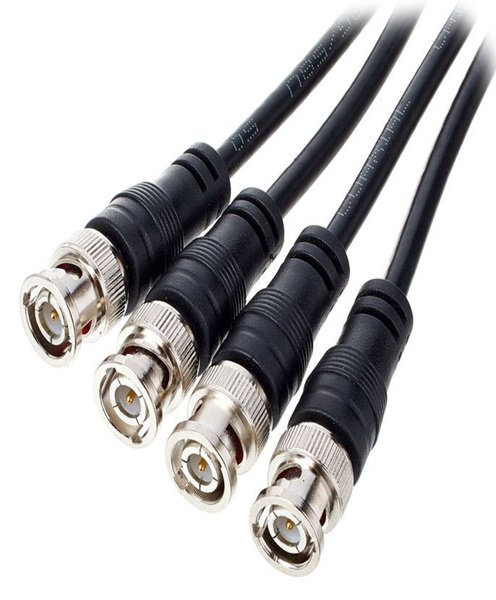
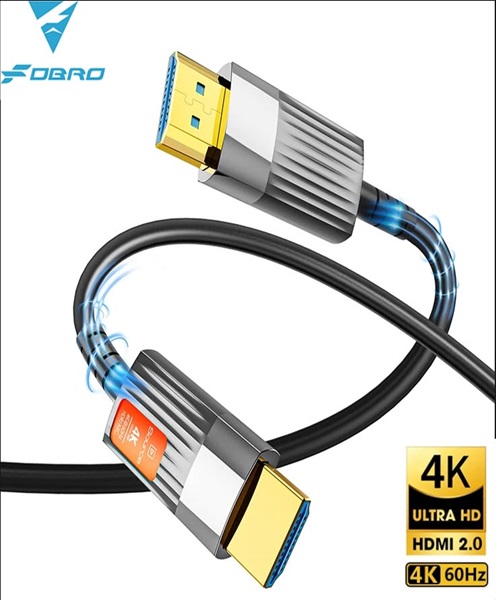
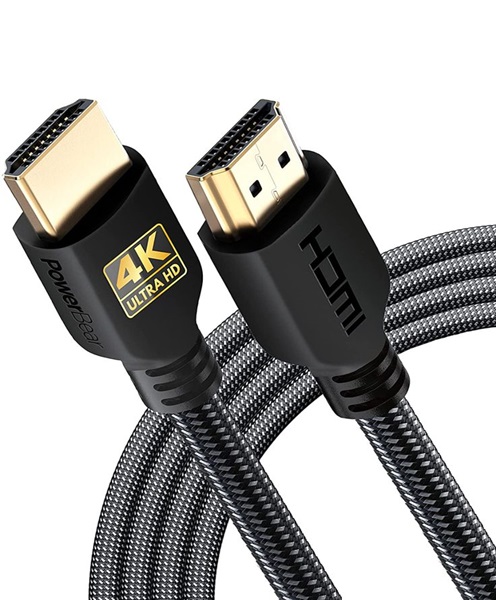
Video cables: HDMI and SDI cables may connect compatible cameras to monitors or production equipment.
-
Camera bags: Suitable transport arrangements help protect equipment between locations.
-
Tripod dollies: Compatible dollies can make it easier to reposition certain tripod setups on suitable floors.
Compatibility should be confirmed before assembling the complete equipment package. Not every tripod head, mounting plate or camera accessory works with every camera system.
How to Prepare for a Professional Tripod Rental
Before arranging professional tripod hire, identify the camera or equipment that will be mounted.
Check the camera’s weight, including any lenses and accessories that will remain attached during operation. This helps establish the required load capacity for both the tripod legs and the head.
Next, consider the intended shooting environment. An indoor studio may have a smooth floor and plenty of setup time, while an outdoor assignment may involve uneven ground and frequent movement between locations.
Determine the required camera height and whether the production needs a fixed position or adjustable camera movement. A photography assignment may need a different tripod head from a video recording.
It is also important to confirm the mounting plate and connection requirements. The camera should be attached securely, and all locking mechanisms should be checked before the equipment is left unattended.
Finally, test the complete setup before filming. Confirm that the tripod is stable, the camera is balanced and the head can be operated as intended.
Why Choose Janeson Rentals for Professional Tripod Hire in Kenya?
Janeson Rentals provides equipment hire and rental solutions for businesses, photographers, videographers, production companies and event organisers in Nairobi and across Kenya.
We understand that camera support equipment is an important part of professional photography and video production. The tripod must be suitable for the camera, shooting environment and intended application.
Clients looking for professional tripod hire can make enquiries for studio productions, interviews, product photography, conferences, documentaries, corporate videos and event coverage.
When requesting a rental, share the camera model, approximate equipment weight, intended use, required height and venue details. This information helps establish the type of tripod and head that may be appropriate.
Whether you are organising a temporary studio shoot, preparing for a corporate event or expanding an existing camera setup, hiring can provide access to additional support equipment for your production.
Book Professional Tripod Hire and Rental in Nairobi and Across Kenya
A stable camera position helps improve framing, consistency and control during photography and video recording. Choosing the right tripod is therefore an important part of preparing for a professional production.
Janeson Rentals offers professional tripod hire and rental solutions in Nairobi and across Kenya for photographers, videographers, businesses, production teams and event organisers.
Contact Janeson Rentals to enquire about professional tripod rental for your next project. Provide details of your camera and production requirements so that suitable support equipment can be considered.