Introduction
Reliable wireless communication is an essential part of professional event production. Concerts, corporate conferences, weddings, church services, exhibitions and other large events often depend on wireless microphone systems to ensure that presenters, performers and speakers can communicate without being restricted by microphone cables.
One of the important components of a wireless audio system is the RF antenna. RF stands for radio frequency, and an RF antenna is responsible for transmitting or receiving radio-frequency signals, depending on the application. In wireless microphone systems, receiving antennas help capture signals transmitted by wireless microphones and deliver them to compatible receivers.
For event production teams operating several wireless microphones, selecting and positioning the appropriate antennas is important for maintaining a reliable wireless connection. Janeson Rentals provides event equipment hire and rental solutions in Nairobi, Kenya, for organisers and production teams looking for professional audio equipment.
If you require an RF antenna for an upcoming event, you can enquire about suitable equipment and related wireless microphone accessories from Janeson Rentals.
What Is an RF Antenna?
An RF antenna is a device designed to transmit or receive radio-frequency electromagnetic signals. It is used in wireless communication systems to allow electronic devices to communicate without a direct physical cable connection.
In wireless microphone applications, an RF antenna receives the radio-frequency signal transmitted by a compatible wireless microphone transmitter. The signal is then passed to the wireless microphone receiver, which processes it and produces an audio output.
RF antennas are available in different designs, sizes and configurations. Their suitability depends on the frequency range, wireless equipment, venue layout and intended application.
Some antennas are designed for direct connection to wireless microphone receivers, while others are used with antenna distribution systems or remote antenna arrangements.
How Does an RF Antenna Work in a Wireless Microphone System?
An RF antenna plays an important role in the communication process between a wireless microphone transmitter and receiver.
1. Audio Transmission
A speaker or performer speaks into a wireless microphone. The transmitter converts the captured audio into a radio-frequency signal.
2. Signal Reception
The RF antenna receives the transmitted radio-frequency signal within its supported frequency range.
3. Signal Transfer
The received signal is passed through a suitable RF cable or connection to the wireless microphone receiver or compatible antenna distribution equipment.
4. Signal Processing
The receiver processes the incoming signal and converts it into an audio output.
5. Audio Amplification
The receiver output is connected to a mixing console, where the sound engineer can adjust the audio before sending it to the PA system.
The effectiveness of this process depends on antenna design, placement, cable quality, frequency compatibility, distance and the surrounding radio-frequency environment.
Why Hire an RF Antenna in Kenya?
Hiring an RF antenna can be a practical option for event organisers and sound production companies that need additional wireless equipment for temporary projects.
1. Supports Wireless Microphone Reception
An appropriate RF antenna helps a wireless microphone receiver receive signals from compatible transmitters.
This is important for events where speakers, performers and presenters need to move around freely.
2. Helps Organise Multiple Wireless Microphone Systems
Large productions may use several wireless microphones simultaneously. Suitable antenna arrangements can help the sound team manage wireless reception more effectively.
When several receivers are being used, an antenna distribution system may also be required, depending on the equipment configuration.
3. Suitable for Different Event Venues
RF antennas are used in indoor and outdoor production environments. The appropriate antenna type and placement depend on the venue’s structure, stage arrangement and operating requirements.
4. Supports Professional Audio Production
Wireless microphones are frequently used in concerts, conferences, weddings, church programmes and corporate presentations. A suitable RF antenna forms part of the infrastructure required for wireless audio communication.
5. Convenient for Temporary Productions
Purchasing additional antenna equipment may not be necessary for organisations that only need it for a specific event. RF antenna hire provides an alternative for temporary audio production requirements.
6. Complements Existing Wireless Equipment
If you already have wireless microphone receivers and transmitters, hiring a compatible antenna may help complete or improve your equipment arrangement. Compatibility must be confirmed before use.
Types of RF Antennas Used in Event Production
Different RF antenna designs are suited to different wireless communication requirements.
1. Omnidirectional RF Antenna
An omnidirectional antenna is designed to receive or transmit signals across a broad horizontal coverage pattern.
In wireless microphone applications, it may be suitable for environments where transmitters operate across different positions around the antenna.
Its actual performance depends on the antenna design, installation and surrounding environment.
2. Directional RF Antenna
A directional antenna is designed to focus its reception or transmission pattern in a particular direction.
Directional antennas can be useful when the stage or operating area is clearly defined. Proper positioning is important to achieve the intended coverage.
3. Paddle RF Antenna
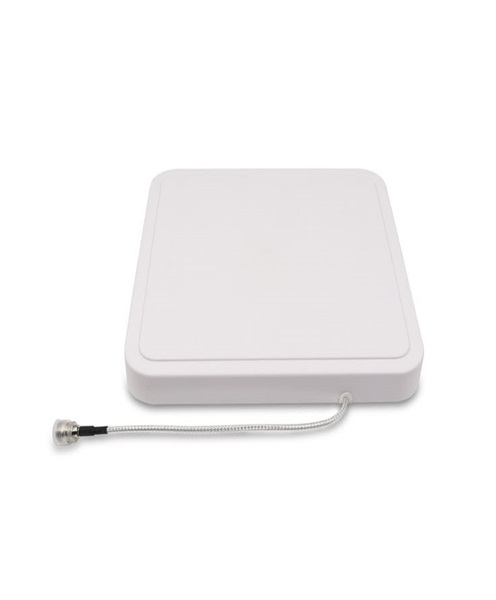
Paddle antennas are commonly used in professional wireless microphone systems. They are designed for controlled antenna coverage and may be installed on stands or mounted in suitable positions.
They are often used in larger production environments where wireless microphone reception needs careful planning.
4. Active RF Antenna
An active antenna includes electronic circuitry that may provide amplification or other signal-processing functions.
Active antennas require suitable power and must be compatible with the wireless equipment and antenna distribution system.
5. Passive RF Antenna
A passive antenna does not use active electronic amplification. Its performance depends on its design, frequency range, positioning and connection to the receiving equipment.
6. Remote RF Antenna
Remote antennas are positioned away from the wireless receiver and connected using suitable RF cables. This allows the sound team to place antennas in a more appropriate reception location.
Cable length and quality must be considered because RF signal losses can increase with unsuitable or excessively long cable runs.
Events That Require RF Antennas
RF antennas support wireless microphone systems used in various event categories.
Concerts and live performances: Concerts may involve several wireless microphones for lead singers, backing vocalists, presenters and guest performers. Suitable antennas help support the reception arrangement for these wireless systems.
Corporate conferences: Conferences may require wireless microphones for keynote speakers, moderators, panellists and audience participation. RF antennas form part of the wireless infrastructure.
Weddings: Wedding ceremonies and receptions may use wireless microphones for officiants, masters of ceremonies, speeches and entertainment.
Church services: Churches conducting worship services, conferences and special programmes may use wireless microphones for preachers, worship leaders, musicians and presenters.
Award ceremonies: Award events often involve multiple presenters, performers and guest speakers using wireless microphones throughout the programme.
Exhibitions and trade shows: Wireless microphones can support demonstrations, announcements and presentations at exhibition stands.
Television and media production: Production teams may use RF antennas to support wireless microphone systems used for interviews, studio production and field recording.
Outdoor events: Outdoor concerts, festivals and corporate functions may require carefully positioned antennas to support wireless microphone reception.
What to Consider Before Hiring an RF Antenna
Choosing an RF antenna requires attention to the technical specifications of your wireless equipment.
1. Frequency Range
The antenna must support the operating frequency range of the wireless microphone system. Different wireless systems operate across different frequency bands.
Confirm the transmitter and receiver frequency ranges before hiring an antenna.
2. Antenna Type
Determine whether your setup requires an omnidirectional, directional, paddle, active or passive antenna.
The appropriate option depends on the venue, wireless system and coverage requirements.
3. Receiver Compatibility
The antenna must connect correctly to the wireless receiver or antenna distribution equipment. Check the connector type and supported RF configuration.
4. Antenna Placement
Antenna positioning affects wireless reception. Antennas should be placed where they have a suitable view of the operating area and are not unnecessarily obstructed by structures or equipment.
5. Cable Length and Quality
Remote antennas may require RF cables. Cable type, connector quality and length should be considered because excessive signal loss can affect reception.
6. Number of Wireless Channels
If several wireless microphones will operate simultaneously, the production team should establish the number of receivers and antenna connections required.
7. Active Antenna Power Requirements
Some active antennas require power from a compatible receiver or distribution system. The correct power arrangement must be confirmed to avoid equipment damage.
8. Venue Layout
The size and structure of the venue can influence antenna positioning. Large halls, outdoor stages and complex event layouts may require additional planning.
9. Frequency Coordination
An antenna cannot independently eliminate radio-frequency interference. Wireless systems should be coordinated to reduce frequency conflicts and improve reliable operation.
RF Antenna Hire for Concerts and Live Music Events
Concert production often involves several wireless microphone systems operating simultaneously. Singers, presenters and performers may move across different parts of the stage, making antenna placement an important consideration.
A suitable RF antenna arrangement can help the production team manage wireless microphone reception within the intended operating area.
For a concert, the sound team should establish the number of wireless channels, transmitter frequency ranges, receiver models and stage layout before selecting antennas.
Larger productions may also require antenna distribution systems, RF cables and compatible signal boosters.
RF Antenna Hire for Corporate Conferences
Corporate conferences require clear communication between speakers and audiences. Wireless microphones allow keynote speakers, moderators and panellists to move around the presentation area without being restricted by cables.
An appropriate RF antenna setup supports the reception side of the wireless microphone system.
For conferences using several wireless microphones, the technical team should coordinate frequencies and determine the best antenna positions based on the venue layout.
Related Wireless Audio Equipment
An RF antenna is usually part of a wider wireless audio arrangement. Depending on the event, you may also need:
- Wireless microphone transmitters.
- Wireless microphone receivers.
- Antenna distribution systems.
- RF signal boosters.
- RF antenna cables.
- Wireless handheld microphones.
- Wireless lavalier microphones.
- Wireless headset microphones.
- Microphone racks.
- XLR cables.
- Digital mixing consoles.
- PA speakers and subwoofers.
- Stage monitor speakers.
The equipment should be selected as a compatible system rather than as unrelated individual components.
RF Antenna Hire from Janeson Rentals
Janeson Rentals provides event equipment hire and rental solutions in Nairobi, Kenya, supporting event organisers, sound engineers, production companies and businesses.
If you need an RF antenna for a concert, corporate conference, wedding, church programme, exhibition or other event, you can enquire about suitable equipment.
When requesting a quotation, provide the following details:
- Event date and venue.
- Number of wireless microphone systems.
- Wireless transmitter and receiver brands and models.
- Operating frequency range.
- Preferred antenna configuration, if known.
- Whether you require antenna cables or distribution equipment.
- Expected rental duration.
These details help establish the type of antenna and supporting equipment required for your production.
Janeson Rentals also supports enquiries for other audio and event production equipment, subject to availability. Delivery arrangements across Kenya can be discussed depending on the location, equipment requirements and logistics.
Why Choose Janeson Rentals?
Event equipment hire and rental solutions: Janeson Rentals supports customers looking for equipment for different events and production requirements.
Nairobi-based service: Event organisers in Nairobi can enquire about RF antenna hire and other professional audio equipment.
Support for different event types: Equipment requirements can be discussed for concerts, conferences, weddings, exhibitions, church programmes and corporate functions.
Complementary audio equipment: You can enquire about wireless microphones, receivers, antenna distribution systems, RF accessories, mixers and speakers.
Requirements-based enquiries: Sharing your existing wireless equipment specifications helps establish a suitable antenna arrangement.
Frequently Asked Questions About RF Antenna Rental
What does RF mean?
RF stands for radio frequency. It refers to the electromagnetic frequencies used for wireless communication.
What is the function of an RF antenna in a wireless microphone system?
It receives radio-frequency signals transmitted by compatible wireless microphone transmitters and passes them to the receiver or antenna distribution equipment.
Can I hire an RF antenna separately?
You can enquire about hiring an antenna separately. However, its frequency range, connectors and compatibility with your existing equipment must be confirmed.
What is the difference between an RF antenna and an antenna distribution system?
An RF antenna receives or transmits radio-frequency signals. An antenna distribution system distributes antenna signals to multiple compatible wireless receivers.
Does a directional antenna work better than an omnidirectional antenna?
Neither is universally better. The appropriate choice depends on the venue, transmitter positions, coverage requirements and antenna installation.
Can an RF antenna eliminate wireless microphone interference?
No. An antenna alone cannot eliminate all interference. Proper frequency coordination, antenna positioning and compatible equipment are also necessary.
How do I request RF antenna hire?
Contact Janeson Rentals with your event date, venue, wireless equipment details, frequency range and rental duration.
Book RF Antenna Hire and Rental in Nairobi, Kenya
Are you preparing for a concert, conference, wedding, church programme or professional event that requires wireless microphones? A suitable RF antenna can help support the reception arrangement of your wireless audio system.
Contact Janeson Rentals to enquire about RF antenna hire and rental in Nairobi, Kenya. Share your wireless microphone specifications, event date, venue and equipment requirements to help identify a suitable configuration.
For event equipment hire and rental solutions in Nairobi and across Kenya, get in touch with Janeson Rentals and prepare your next production with properly planned wireless audio equipment.