Introduction
Wireless microphone systems are widely used in modern event production because they allow presenters, performers and speakers to communicate without being restricted by microphone cables. They are essential for concerts, corporate conferences, weddings, church services, exhibitions and many other events.
However, wireless audio performance depends on more than the microphone and receiver alone. Antenna positioning, radio-frequency conditions, cable quality and the distance between wireless equipment can all influence signal reception.
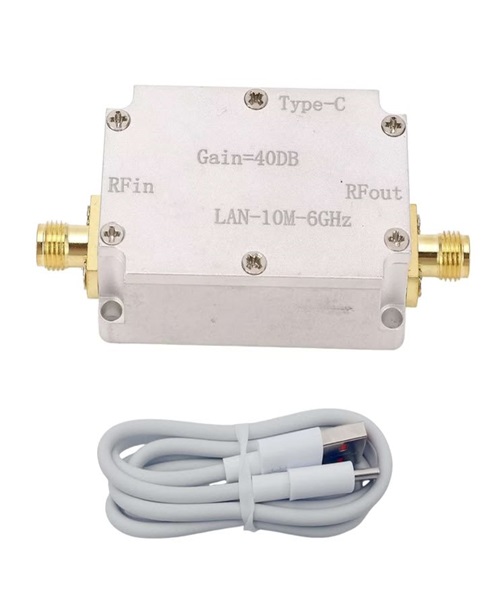
An RF signal booster is a device used in certain radio-frequency systems to increase signal levels or compensate for signal losses within a compatible RF signal path. In professional wireless microphone setups, suitable RF amplification equipment may be used as part of an antenna arrangement where additional signal support is required.
Janeson Rentals provides event equipment hire and rental solutions in Nairobi, Kenya. If your production requires an RF signal booster, you can enquire about compatible wireless audio accessories and supporting equipment for your event.
What Is an RF Signal Booster?
An RF signal booster is an electronic device designed to amplify radio-frequency signals within a specified frequency range and system configuration.
In wireless microphone applications, an RF booster may be used to compensate for signal losses in an antenna distribution path or a long antenna cable run, depending on the equipment design.
For example, a remote antenna connected to a wireless microphone receiver through a long cable may experience signal loss along the cable. A compatible RF amplifier can help compensate for some of that loss when correctly installed.
It is important to understand that an RF signal booster is not a universal solution for every wireless microphone problem. It must be compatible with the frequency range, antenna system and receiver arrangement.
An incorrectly selected or installed booster may introduce additional noise, overload equipment or worsen interference.
How Does an RF Signal Booster Work?
An RF signal booster operates by increasing the level of a radio-frequency signal within its supported operating range.
In a compatible wireless microphone setup, the process may involve the following:
1. Wireless Signal Transmission
A wireless microphone transmitter sends a radio-frequency signal through the air.
2. Antenna Reception
A compatible antenna receives the signal within the system’s operating frequency range.
3. RF Signal Path
The received signal travels through the antenna connection and any associated RF cables or distribution equipment.
4. Signal Amplification
Where the system requires it, a compatible RF booster amplifies the signal to compensate for losses within the RF path.
5. Receiver Signal Processing
The amplified signal reaches the wireless microphone receiver, which processes the signal and provides the corresponding audio output.
The correct placement of a booster is important. The system should be designed so that amplification compensates for losses without causing excessive signal levels or unwanted noise.
Why Hire an RF Signal Booster in Kenya?
Hiring an RF signal booster may be useful for event productions that require specialised wireless audio infrastructure.
1. Helps Compensate for RF Cable Losses
Long antenna cable runs can introduce signal loss. A suitable booster may help compensate for this loss when used within the manufacturer’s recommended configuration.
This is particularly relevant when antennas need to be positioned away from the sound-control area.
2. Supports Remote Antenna Arrangements
Some venues require antennas to be installed in positions that provide better reception of wireless microphone signals.
Where suitable, an RF booster can support a remote antenna arrangement by compensating for losses in the cable path.
3. Complements Antenna Distribution Systems
Professional wireless microphone setups may use antenna distribution systems to share antenna signals across several compatible receivers.
Depending on the system design, RF amplification may be required to maintain suitable signal levels through the distribution path.
4. Useful for Larger Event Setups
Large concerts, conferences and corporate productions may require antennas, long cable runs and multiple wireless receivers. A properly planned RF signal path can help support the wireless audio infrastructure.
5. Suitable for Temporary Productions
Specialised RF equipment may only be needed for certain events. Hiring can provide access to the required equipment without purchasing it for occasional use.
6. Supports Professional Wireless Audio Planning
An RF signal booster can be part of a carefully designed wireless microphone system. It should be selected according to the equipment specifications rather than used as a general-purpose solution.
Events That May Require RF Signal Boosters
RF signal boosters may be relevant to productions with specialised antenna arrangements.
Concerts and live music events: Concerts may involve multiple wireless microphone systems, remote antennas and receiver racks. Where cable losses need to be managed, compatible RF amplification equipment may form part of the setup.
Corporate conferences: Large conference venues may require antennas positioned away from the sound-control desk. Suitable RF equipment can support the antenna signal path.
Church conferences and worship events: Large church productions may use several wireless microphones and distributed antenna arrangements.
Television and media production: Professional production environments may use remote antenna systems and RF distribution equipment to support wireless audio devices.
Outdoor festivals: Large outdoor stages may require specialised antenna positioning and long RF cable connections.
Award ceremonies: Productions involving multiple wireless microphones may require organised antenna and receiver arrangements.
Exhibitions and trade shows: Large venues with multiple presentation areas may require carefully planned wireless microphone systems.
Types of RF Signal Boosters and Amplification Equipment
RF amplification equipment comes in different configurations. The appropriate type depends on the wireless system.
1. Inline RF Amplifier
An inline RF amplifier is installed within an RF signal path, often between an antenna and compatible receiving equipment.
It may be used to compensate for signal loss in an antenna cable run. The frequency range, gain and power requirements must be compatible with the system.
2. Active Antenna Amplifier
Some active antennas include built-in amplification. These devices combine antenna reception with electronic signal amplification.
They require an appropriate power arrangement and should be used according to the manufacturer’s instructions.
3. RF Booster for Remote Antennas
Remote antenna arrangements may use compatible amplification equipment to help manage signal losses caused by cable distance.
The booster should be selected according to the antenna, cable and receiver specifications.
4. RF Distribution Amplifier
An RF distribution amplifier is designed to distribute radio-frequency signals across compatible outputs while providing the required signal-level management.
It should not be confused with an audio distribution amplifier, which operates on audio signals rather than RF signals.
5. Antenna Distribution System with RF Amplification
Some antenna distribution systems include RF amplification as part of their design. These systems help distribute antenna signals to compatible wireless microphone receivers.
Not every distribution system includes the same amplification features, so specifications should be checked before hiring.
What to Consider Before Hiring an RF Signal Booster
Selecting an RF signal booster requires careful attention to the technical design of your wireless microphone system.
1. Frequency Range
The booster must support the operating frequency range of the wireless microphone system.
Using equipment outside its specified frequency range may result in poor performance or an unsuitable installation.
2. Gain and Signal Levels
The booster should provide an appropriate amount of amplification for the intended RF path.
Excessive gain can overload receivers or increase unwanted noise. The correct gain depends on antenna characteristics, cable losses and distribution equipment.
3. Noise Performance
An RF amplifier can introduce additional noise into the signal path. Select equipment with suitable noise performance for the wireless system.
4. Antenna Compatibility
The booster must be compatible with the antenna type and its connection arrangement.
Check whether the antenna is passive or active and whether it requires power from the receiver or distribution equipment.
5. Cable Length and Loss
Long RF cables can introduce signal losses. The type, quality and length of the cable should be considered when determining whether amplification is necessary.
6. Receiver Compatibility
The booster must work with the wireless microphone receiver or antenna distribution system being used.
7. Power Requirements
Some RF boosters require an external power supply, while others may receive power through a compatible RF connection.
Confirm the required voltage and power method before installation.
8. Correct Installation Position
The location of the booster within the RF signal path can influence performance. Follow the manufacturer’s recommended installation arrangement.
9. Frequency Coordination and Interference
An RF signal booster does not automatically solve frequency interference. The production team must still coordinate wireless microphone frequencies and position antennas correctly.
10. Venue Requirements
The size, layout and structure of the venue can influence antenna placement and cable routing. These factors should be considered when designing the wireless signal path.
RF Signal Booster for Concerts and Live Events
Concerts and large live events may involve multiple wireless microphone systems operating at the same time.
The sound team may need to position antennas near the stage or another suitable reception point while keeping the wireless receiver rack at the mixing position.
This arrangement can require longer RF cable runs. Depending on cable loss and the equipment specifications, compatible amplification equipment may be considered as part of the antenna system.
The technical team should calculate or assess the signal losses before selecting a booster. Simply adding amplification without checking the signal path can lead to poor results.
RF Signal Booster for Corporate Conferences
Large corporate conferences may involve multiple wireless microphones for speakers, panellists and audience participation.
Where the venue layout requires remote antenna placement, the production team may need suitable RF cables and signal management equipment.
An RF signal booster can be considered where the system design requires compensation for cable losses. It should always be selected according to the frequency range and receiver configuration.
Related RF and Wireless Microphone Equipment
An RF signal booster is usually part of a wider wireless audio arrangement. Depending on the production, you may also need:
- RF antennas.
- Wireless microphone transmitters.
- Wireless microphone receivers.
- Antenna distribution systems.
- RF antenna cables.
- Wireless handheld microphones.
- Wireless lavalier microphones.
- Wireless headset microphones.
- Microphone racks.
- Digital mixing consoles.
- XLR cables.
- PA speakers and subwoofers.
- Stage monitor speakers.
These components should be selected and configured as a compatible system.
RF Signal Booster Hire from Janeson Rentals
Janeson Rentals provides event equipment hire and rental solutions in Nairobi, Kenya, for event organisers, production companies, sound engineers, institutions and businesses.
If you require an RF signal booster for a concert, corporate conference, church event, exhibition, wedding or other production, you can enquire about suitable equipment and related wireless audio accessories.
When requesting a quotation, provide the following information:
- Event date and venue.
- Wireless microphone receiver brand and model.
- Operating frequency range.
- Antenna type and configuration.
- RF cable type and approximate cable length.
- Number of receivers being used.
- Existing antenna distribution equipment.
- Expected rental duration.
This information helps establish whether an RF signal booster is suitable for your wireless microphone setup.
Janeson Rentals also supports enquiries for other audio and event production equipment, subject to availability. Delivery arrangements across Kenya can be discussed depending on the destination, equipment requirements and logistics.
Why Choose Janeson Rentals?
Event equipment hire and rental solutions: Janeson Rentals supports customers seeking equipment for different events and production requirements.
Nairobi-based service: Customers organising events in Nairobi can enquire about RF signal booster hire and other wireless audio equipment.
Support for different productions: Equipment requirements can be discussed for concerts, conferences, weddings, church events and corporate functions.
Related audio equipment: You can also enquire about RF antennas, wireless microphone receivers, antenna distribution systems, mixers, speakers and other accessories.
Technical requirement-based enquiries: Sharing your equipment specifications helps establish a suitable configuration for your production.
Frequently Asked Questions About RF Signal Booster Rental
What does an RF signal booster do?
An RF signal booster amplifies radio-frequency signals within a supported frequency range and configuration. In wireless microphone systems, it may help compensate for losses in an antenna signal path.
Does an RF signal booster increase wireless microphone range?
Not necessarily. Its main purpose in an appropriate setup may be to compensate for signal losses. Actual wireless coverage depends on several factors, including transmitter power, antenna placement, interference and receiver sensitivity.
Can I use any RF booster with my wireless microphone?
No. The booster must be compatible with the wireless system’s frequency range, antenna arrangement and receiver specifications.
Is an RF signal booster the same as an antenna distribution system?
No. An antenna distribution system routes antenna signals to multiple compatible receivers. Some distribution systems include amplification, but the two terms do not mean the same thing.
Does an RF signal booster eliminate interference?
No. It cannot eliminate all radio-frequency interference. Proper frequency coordination, antenna placement and equipment configuration remain important.
Can I hire an RF signal booster separately?
You can enquire about separate hire. However, the existing antenna, cable and receiver specifications must be checked to establish compatibility.
How do I request a quotation?
Contact Janeson Rentals with your event date, venue, wireless equipment models, frequency range and expected rental duration.
Book RF Signal Booster Hire and Rental in Nairobi, Kenya
Are you preparing a concert, conference, wedding, church programme or professional event that requires a carefully planned wireless microphone system? A compatible RF signal booster may help manage signal losses within the antenna connection path.
Contact Janeson Rentals to enquire about RF signal booster hire and rental in Nairobi, Kenya. Share your wireless equipment specifications, antenna configuration, event date and venue to help establish the right technical requirements.
For event equipment hire and rental solutions in Nairobi and across Kenya, get in touch with Janeson Rentals and prepare your next production with properly configured wireless audio equipment.