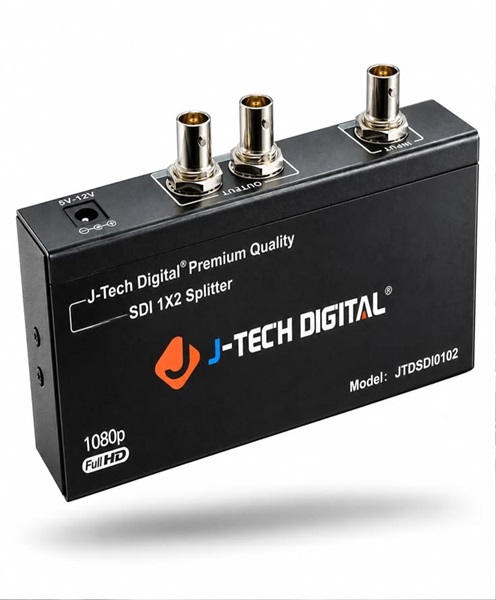
SDI Splitter Hire and Rental in Kenya – Professional Video Signal Distribution by Janeson Rentals
Professional video production often requires one camera or video source to display its signal on several devices simultaneously. During a live broadcast, for example, the camera feed may need to reach a production monitor, video switcher, recording device and additional monitoring screens. Connecting several devices to one source can become challenging when the equipment has limited output connections. An SDI splitter provides a practical solution by duplicating one incoming Serial Digital Interface (SDI) video signal and distributing it to multiple compatible destinations.
At Janeson Rentals, we provide professional audiovisual equipment hire and rental solutions for events, filming, broadcasting, conferences, corporate productions and live streaming in Kenya. Our SDI splitter hire service is suitable for production teams that need reliable video signal distribution without purchasing specialised equipment for a temporary project.
Whether you are organising a multi-camera production in Nairobi, setting up a television studio, recording a corporate event or managing a live broadcast, an SDI splitter can help connect your video equipment efficiently. With the right signal distribution setup, production teams can monitor, record and process the same video feed from different locations.
If you are searching for SDI splitter hire in Kenya, SDI splitter rental in Nairobi, or professional SDI video distribution equipment for an upcoming production, Janeson Rentals can help you plan your equipment requirements.
What Is an SDI Splitter?
An SDI splitter is a professional video signal distribution device that takes one SDI input and duplicates it across multiple SDI output connections. It allows one video source to send the same signal to several compatible devices at the same time.
SDI stands for Serial Digital Interface. It is a professional video transmission standard commonly used in television broadcasting, video production, film equipment, live streaming and professional audiovisual installations.
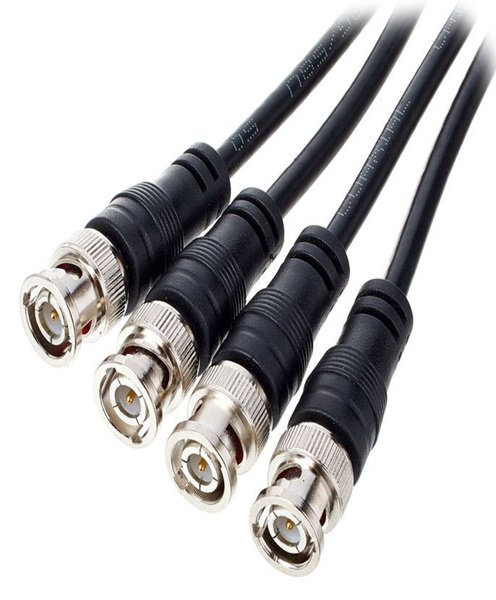
Unlike consumer video connections commonly used for home entertainment, SDI is designed for professional production environments. It typically uses BNC connectors and compatible coaxial cables to carry digital video signals between cameras, monitors, recorders, switchers and other production equipment.
An SDI splitter is sometimes described as an SDI distribution amplifier. Many professional models do more than simply divide a signal. They may include signal buffering, cable equalisation and reclocking to help maintain reliable video transmission across multiple outputs.
For example, a 1×2 SDI splitter accepts one SDI input and distributes it to two outputs. A 1×4 model provides four outputs, while larger distribution units can serve more production destinations.
This makes SDI splitters useful when different members of a production team need to view or process the same camera feed simultaneously.
How Does an SDI Splitter Work?
An SDI splitter receives a digital video signal from a compatible source, such as an SDI camera, video switcher or other professional video device.
The splitter then creates multiple copies of that signal and sends them through separate output connections. Each output can be connected to a compatible SDI destination.
A typical setup may involve:
- An SDI camera supplying the original video signal.
- An SDI splitter receiving the camera feed.
- A production monitor displaying the live image.
- A video switcher receiving the signal for programme production.
- A recording device capturing the footage.
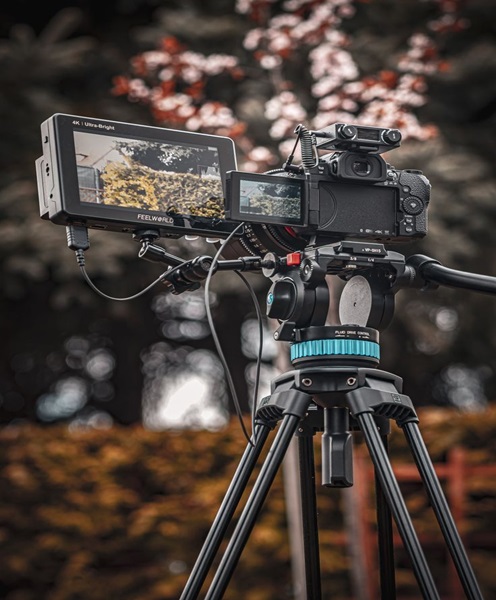
- An additional monitor allowing a director or technical operator to follow the production.
All connected destinations receive the same source feed, subject to the splitter’s supported formats and technical specifications.
Professional SDI splitters may use reclocking to regenerate the timing of the incoming digital signal. They may also use cable equalisation to compensate for signal loss along compatible coaxial cable runs. These features are particularly useful in production environments where cables extend between cameras, control desks, technical areas and monitoring positions.
The number of outputs, supported SDI standards, maximum resolution and transmission distances depend on the particular splitter model.
Why Hire an SDI Splitter from Janeson Rentals?
Purchasing professional video distribution equipment may not be practical for every production. Some organisations require an SDI splitter only for a specific conference, broadcast, filming assignment or temporary installation.
Hiring provides access to the equipment without the long-term cost of ownership.
Janeson Rentals offers an equipment hire solution for clients who need professional audiovisual equipment for temporary projects in Nairobi and across Kenya.
Reasons to consider SDI splitter rental include:
Cost-effective production: Hiring allows you to access specialised video distribution equipment without purchasing a unit that may only be used occasionally.
Support for multi-device workflows: An SDI splitter makes it possible to distribute one camera or video source to several compatible devices.
Flexible event planning: You can arrange equipment according to the size and technical requirements of your production.
Professional video connections: SDI distribution is suitable for production environments that use BNC-connected cameras, monitors, recorders and switchers.
Convenient equipment coordination: You can plan your SDI splitter hire alongside other production equipment, including cameras, SDI cables, monitors, video switchers and recording systems.
For event organisers, broadcasters, production companies and corporate clients, equipment rental can make temporary technical setups easier to manage.
Applications of SDI Splitter Rental in Kenya
1. Television and Broadcast Production
Television production environments frequently need to distribute camera feeds to several technical departments and monitoring positions.
An SDI splitter can help send a camera signal to a production monitor, recording system, video switcher or additional processing equipment. This allows different members of the broadcast team to access the same source without requiring separate cameras for every destination.
For television productions, the correct splitter must support the SDI format and signal specifications used by the production equipment.
2. Live Streaming and Webcasting
Live streaming productions often involve several technical devices working together. A camera feed may need to reach a video switcher, capture system, streaming encoder and confidence monitor.
An SDI splitter can distribute the camera signal to multiple compatible devices, helping the production team organise its video workflow.
This is useful for:
- Corporate livestreams.
- Church services.
- Conferences and seminars.
- Product launches.
- Hybrid events.
- Online panel discussions.
- Live interviews.
- Educational broadcasts.
For organisations streaming events in Nairobi and other parts of Kenya, SDI splitter hire can support a more organised video production setup.
3. Corporate Conferences and Business Events
Corporate conferences may use professional cameras to capture speakers, panel discussions and presentations. The camera feed may need to be displayed on production monitors while also being sent to recording and streaming equipment.
An SDI splitter helps distribute the same source signal to the required destinations.
This can be useful during annual general meetings, business forums, executive presentations, conferences, award ceremonies and corporate launches.
4. Film and Video Production
Film and video production teams may require different crew members to monitor the same camera output.
A camera signal may need to reach a director’s monitor, video village, recording equipment and additional monitoring systems.
An SDI splitter can support this arrangement by distributing one compatible SDI feed to multiple destinations.
It is especially useful when production teams need to review framing, follow camera movement or monitor footage during a shoot.
5. Live Events and Concert Production
Concerts and large live events may use cameras to capture performers, stage activities and audience interactions.
The production team may need to distribute camera feeds to video processors, monitors, recording devices and broadcast systems.
An SDI splitter can help connect these devices to the same video source.
It can be incorporated into the technical setup for concerts, festivals, church events, award ceremonies, product launches and other live productions.
6. Video Monitoring and Control Rooms
Control rooms often require several operators to view the same video feed.
For example, a technical director may need to monitor the camera output while a recording operator checks the footage and another operator manages the live programme.
An SDI splitter provides a way to distribute one source to several compatible monitoring devices.
7. Educational and Institutional Productions
Schools, universities, training institutions and other organisations may use professional video equipment to record lectures, seminars, graduation ceremonies and educational broadcasts.
An SDI splitter can distribute a camera signal to a monitor, recording system and streaming equipment.
This makes it useful for institutions that conduct hybrid learning activities, online presentations and recorded educational programmes.
Important Features to Consider When Hiring an SDI Splitter
Not all SDI splitters support the same video formats or production requirements. Before arranging an SDI splitter rental, it is important to identify the equipment you intend to connect.
Number of Input and Output Connections
The input and output configuration determines how many devices can receive the same signal.
Common configurations include:
- 1×2 SDI splitter: One input and two outputs.
- 1×4 SDI splitter: One input and four outputs.
- 1×8 SDI splitter: One input and eight outputs.
The appropriate configuration depends on the number of monitors, recorders, switchers and other destinations required.
SDI Format Compatibility
SDI equipment is available in different standards and bandwidth categories.
Common formats include:
- SD-SDI.
- HD-SDI.
- 3G-SDI.
- 6G-SDI.
- 12G-SDI.
The splitter must support the signal standard being supplied by the source and required by the receiving equipment. A 12G-SDI workflow, for example, has different bandwidth requirements from a standard HD-SDI setup.
Resolution and Frame Rate
The supported resolution and frame rate should match the production workflow.
A production may use standard-definition video, Full HD or 4K UHD depending on the cameras, monitors and processing equipment involved.
Confirm the supported formats before connecting the equipment. A splitter cannot automatically make an incompatible camera or monitor support a higher video standard.
BNC Connectors and SDI Cables
Most professional SDI splitters use BNC connections. The cables should be suitable for the signal bandwidth and required transmission distance.
Quality 75-ohm coaxial cables and properly fitted BNC connectors are important for maintaining reliable signal transmission.
Signal Reclocking and Equalisation
Some SDI splitters include reclocking and cable equalisation.
Reclocking helps regenerate the timing of the digital signal, while equalisation compensates for certain cable-related signal losses.
These features can be valuable when distributing video across several destinations or working with longer cable runs.
Power Requirements
SDI splitters generally require an external or compatible power supply. The production team should confirm the unit’s voltage requirements and ensure that power is available at the installation point.
For live productions, it is also important to plan cable management and power protection to reduce accidental disconnections.
SDI Splitter vs SDI Distribution System
SDI splitter and SDI distribution system are closely related terms. Both concern the distribution of professional SDI video signals, and many SDI splitters are technically described as distribution amplifiers.
However, the terms can be used differently when planning equipment requirements.
An SDI splitter usually refers to a device with a straightforward purpose: taking one SDI input and duplicating it across several outputs.
An SDI distribution system may describe a broader arrangement of distribution equipment, including multiple distribution amplifiers, signal paths, racks, cables and connections serving several production areas.
For a small production requiring one camera feed to reach two or four destinations, an SDI splitter may be sufficient. A larger broadcast or installation project may require a more extensive distribution system.
Janeson Rentals can help you identify the appropriate equipment category based on the number of sources, destinations and signal formats involved.
SDI Splitter vs SDI Video Router
An SDI splitter and an SDI video router serve different purposes.
An SDI splitter duplicates one incoming video signal and sends the same feed to multiple outputs simultaneously.
An SDI video router, on the other hand, allows operators to select and route different SDI sources to different destinations. It is useful when a production has multiple cameras and several output devices that require flexible signal selection.
For example, if one camera feed must be displayed on four monitors, an SDI splitter may be suitable.
If a production team needs to choose between several camera feeds and send selected sources to different monitors, an SDI router may be more appropriate.
Understanding this distinction helps prevent unnecessary equipment hire and ensures that the production setup meets the actual technical requirement.
Related Equipment to Hire Alongside an SDI Splitter
An SDI splitter is often part of a larger video production setup. Depending on the project, you may also need:
- SDI cables: For connecting cameras, splitters, monitors and other SDI-compatible equipment.
- SDI distribution system: For larger signal distribution requirements.
- SDI converter: For converting between supported video signal formats and connection types.
- Video router: For selecting and routing multiple video sources.
- Production monitor: For monitoring camera feeds and programme output.
- Field monitor: For viewing video signals during location shoots.
- Professional reference monitor: For professional video evaluation and monitoring.
- Video capture card: For bringing compatible video signals into a computer.
- Streaming encoder: For preparing video feeds for online transmission.
- Video switcher: For switching between different camera feeds during live production.
- PTZ camera: For remotely controlled video capture.
- Teleprompter: For supporting presenters and speakers during recorded or live productions.
Combining the correct equipment helps create a complete and efficient video production workflow.
SDI Splitter Hire in Nairobi and Across Kenya
Janeson Rentals is based in Nairobi and provides event and audiovisual equipment hire solutions for clients across Kenya.
Our SDI splitter rental service is suitable for production companies, broadcasters, event organisers, corporate clients, educational institutions, churches and organisations that require professional video distribution equipment.
Whether you are preparing a small conference or coordinating a larger multi-camera production, it is important to plan your equipment requirements before the event.
When requesting an SDI splitter hire quotation, provide the following information:
- The type of SDI camera or video source being used.
- The number of devices that need to receive the signal.
- The required SDI standard, such as HD-SDI, 3G-SDI or 12G-SDI.
- The resolution and frame rate of the production.
- The approximate cable distances between devices.
- Whether the signal will be used for monitoring, recording, switching or streaming.
- The event or production date and location.
This information helps determine the appropriate splitter configuration and any additional equipment required.
Why Choose Janeson Rentals?
Choosing the right equipment hire partner is important when organising a production that depends on reliable audiovisual connections.
Janeson Rentals supports event organisers and production teams looking for professional equipment for conferences, corporate events, broadcasts, filming and live productions.
Clients choose Janeson Rentals for:
Event and production equipment solutions: We support different event and production requirements with a range of audiovisual and event equipment hire options.
Flexible rental arrangements: Hiring provides a practical option for temporary projects, allowing clients to access equipment without purchasing it outright.
Related equipment availability: You can coordinate your SDI splitter requirements with other video production equipment needed for your setup.
Kenya-focused service: Based in Nairobi, Janeson Rentals serves clients planning events and productions across Kenya.
Support with equipment planning: Sharing your production requirements helps us identify the equipment configuration that best suits your project.
Book SDI Splitter Hire and Rental in Kenya Today
A reliable SDI signal distribution setup is essential when one professional video source needs to reach several production devices. Whether you are managing a broadcast, filming project, corporate conference, church service, concert or live streaming event, an SDI splitter can help distribute your camera feed to multiple compatible destinations.
Janeson Rentals provides SDI splitter hire and rental solutions for clients in Nairobi and across Kenya. You can also enquire about related equipment, including SDI cables, production monitors, video switchers, capture cards, converters and streaming equipment.
Contact Janeson Rentals today to enquire about SDI splitter hire in Kenya. Share your video format, number of outputs, event date and production location so that your equipment requirements can be planned accordingly.
Choose Janeson Rentals for professional audiovisual equipment hire and make your next video production more organised, connected and efficient.