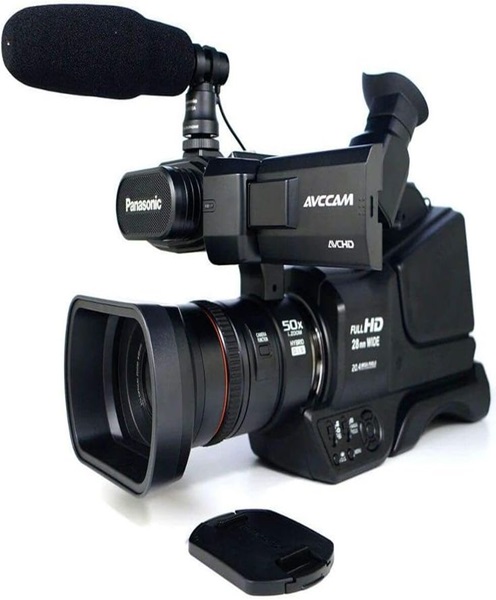
Shoulder-Mount Camera Hire and Rental in Kenya
Professional video production often requires camera equipment that offers stability, mobility and dependable image capture. Whether filming a live event, documenting an important occasion, covering a corporate conference or producing a television programme, the camera operator needs equipment that supports the demands of the production. A shoulder-mount camera is particularly useful for productions that involve extended handheld operation, movement between locations and continuous event coverage.
Janeson Rentals offers shoulder-mount camera hire and rental in Kenya for broadcasters, videographers, filmmakers, production companies, event organisers, media professionals and businesses. Renting a professional shoulder-mount camera allows production teams to access suitable equipment for specific projects without necessarily purchasing an expensive camera system.
Shoulder-mount cameras are commonly associated with electronic news gathering, documentary filmmaking, television production, event coverage and professional video recording. Their shoulder-supported design allows operators to carry and operate the camera while maintaining a practical shooting position. Depending on the camera model and configuration, the equipment may offer professional video outputs, optical zoom, interchangeable lenses, recording capabilities and connections for external audio equipment.
From corporate interviews and conferences to concerts, documentaries and live broadcasts, a suitable shoulder-mount camera can support a wide range of production requirements.
What Is a Shoulder-Mount Camera?
A shoulder-mount camera is a professional video camera designed to be operated with its weight supported partly by the operator’s shoulder. It typically has an extended body or shoulder-support configuration that helps distribute the camera’s weight and provides a practical position for handheld shooting.
Unlike smaller handheld cameras that are primarily held in front of the body, shoulder-mount cameras are designed to rest against the operator’s shoulder while the camera is controlled using the hands and available camera controls.
This arrangement is particularly useful when the operator needs to film for extended periods, move around a venue or follow subjects without relying entirely on a tripod.
Shoulder-mount cameras are available in different configurations. Some are integrated professional camcorders with built-in zoom lenses, while others are modular camera systems that can be configured with compatible lenses, shoulder pads, handles, viewfinders, batteries and recording accessories.
Their applications include:
-
Television news and broadcast coverage.
-
Documentary and investigative filmmaking.
-
Corporate event videography.
-
Concert and festival coverage.
-
Sports and live event recording.
-
Interviews and public discussions.
-
Conference and seminar coverage.
-
Educational and institutional video production.
-
Outdoor filming and field reporting.
-
Television and studio productions.
The specific features vary between models, so the appropriate camera should be selected according to the production’s requirements.
Why Hire a Shoulder-Mount Camera Instead of Buying One?
Professional shoulder-mount cameras can represent a significant investment. The complete equipment setup may also require batteries, lenses, viewfinders, microphones, media cards, tripods, monitors and other accessories.
For production teams that only need this type of equipment for occasional assignments, renting can be a practical option.
1. Reduce Equipment Investment Costs
Purchasing a professional shoulder-mount camera may not be financially practical for every videographer, business or event organiser.
Shoulder-mount camera hire provides access to suitable equipment for a specific production without requiring the client to purchase the entire camera system.
This can be particularly useful for independent filmmakers, media organisations, event production companies and businesses working with temporary video production budgets.
2. Access Equipment for Professional Productions
Some assignments require a camera with a more substantial professional configuration than a compact consumer video camera.
Hiring allows production teams to consider shoulder-mount equipment for demanding assignments such as documentary filming, broadcast coverage, concerts and conferences.
3. Support Different Shooting Environments
Production requirements can change from one project to another. A camera used for an indoor interview may not be the most appropriate choice for an outdoor documentary or a large live event.
Renting equipment according to the assignment allows production teams to plan around location, shooting duration, camera movement and required footage.
4. Avoid Long-Term Storage and Maintenance
Professional video cameras require proper handling, cleaning, storage and maintenance. Businesses that do not operate cameras regularly may prefer renting equipment rather than maintaining a permanent inventory.
5. Expand an Existing Camera Package
A production company may already own compact cameras but require a shoulder-mount camera for a particular project.
Hiring provides an opportunity to expand the available equipment for a documentary, television production, live event or corporate assignment.
Events and Productions That Require Shoulder-Mount Cameras
Shoulder-mount cameras are versatile production tools that can be used in several professional filming environments.
Television News and Broadcast Coverage
Shoulder-mount cameras are traditionally associated with electronic news gathering and television reporting.
News camera operators often need to move through different environments while capturing interviews, public announcements, demonstrations and developing events. A shoulder-supported camera configuration provides a practical operating position for this type of coverage.
Depending on the camera model, production requirements may include professional audio inputs, suitable video outputs, recording media and compatible broadcast accessories.
Corporate Conferences and Business Events
Large corporate conferences involve keynote presentations, panel discussions, guest speakers and audience interactions. A shoulder-mount camera can be used to capture these activities from different positions within the venue.
The camera operator can move between shooting positions to capture close-ups, stage activity and important moments during the programme.
For a large conference, shoulder-mount camera footage can complement static cameras positioned on tripods.
Concerts and Music Festivals
Concert production involves moving performers, changing lighting conditions and multiple areas of activity.
A shoulder-mount camera can help operators capture musicians, vocalists, stage performances and audience reactions. Optical zoom, where available, can be useful when filming performers from a distance.
For multi-camera productions, footage from a shoulder-mount camera can be combined with wide-angle and static camera feeds to provide different perspectives.
Documentary Filmmaking
Documentary productions often involve filming people, locations, interviews and activities in changing environments.
A shoulder-mount camera can provide a practical shooting arrangement when the operator needs to follow a subject or move between filming locations.
It is particularly useful when the production involves extended observation, interviews and footage that cannot always be captured from a fixed tripod position.
Sports and Live Events
Sports and live events require camera operators to follow movement and capture important moments as they happen.
Depending on the sport and venue, a shoulder-mount camera may be used for sideline coverage, interviews, crowd reactions and general event footage.
The choice of lens and zoom capability should reflect the distance between the operator and the subjects.
Outdoor and Field Production
Field production can involve different locations, changing weather conditions and limited access to camera support equipment.
A shoulder-mount configuration can be useful when moving between shooting positions. However, operators should consider the camera’s weight, battery arrangements, weather protection and available accessories before the assignment.
Important Features to Consider When Hiring a Shoulder-Mount Camera
Choosing a shoulder-mount camera requires more than checking its physical design. The technical capabilities should match the intended production.
Camera Weight and Ergonomics
One of the most important considerations is the camera’s overall weight.
A shoulder-mount camera may be designed for shoulder-supported operation, but the complete configuration can become heavy when additional accessories are attached.
Consider the camera body, lens, battery, microphone, viewfinder and other accessories together. The operator should be comfortable managing the equipment for the expected filming duration.
Sensor and Image Quality
The camera sensor influences image quality, low-light performance and depth-of-field characteristics.
Different shoulder-mount cameras use different sensor technologies and sizes. Consider the shooting environment, lighting conditions and desired final output when selecting a camera.
Optical Zoom Capability
Optical zoom can be particularly useful when capturing subjects from a distance.
For example, a camera operator covering a conference may need to capture a speaker on stage without moving into the audience’s line of sight.
A suitable zoom range depends on the venue size, shooting position and subject distance. Digital zoom should not automatically be treated as equivalent to optical zoom.
Video Resolution and Frame Rates
Different productions require different recording formats.
Full HD may be suitable for many event and broadcast assignments, while 4K may be required for productions that need higher-resolution footage or additional flexibility during editing.
Frame-rate requirements should also be considered, especially for sports, concerts and other productions involving fast movement.
Audio Connectivity
Professional video production depends on clear sound as well as good pictures.
Depending on the model, a shoulder-mount camera may support external microphone connections, professional audio inputs or other sound-recording arrangements.
Before hiring, confirm the available audio connections and compatibility with the microphones and audio equipment being used.
Video Output Options
Some productions need a camera feed for live switching or external monitoring.
Check whether the camera supports the required HDMI, SDI or other video outputs. Compatibility with the production switcher, monitor, encoder or recording device should be established before the event.
Recording Media and Storage
Long filming sessions require sufficient recording capacity.
Confirm the camera’s supported memory-card format, recording duration, file format and storage requirements. Production teams should also plan for backup media and a process for securing recorded footage.
Battery and Power Requirements
Shoulder-mount cameras are often used for extended filming sessions, making power planning important.
Check the supported battery type, expected operating duration and external power options. Additional batteries may be required for longer productions.
Shoulder-Mount Camera vs Handheld Video Camera
Although the two camera categories can overlap, they are not necessarily identical.
A shoulder-mount camera is designed around a shoulder-supported operating position. Its physical configuration may include a shoulder pad, top handle, viewfinder and professional controls.
A handheld video camera is a broader category that describes cameras operated by holding them in the hands. It may include compact camcorders, small professional cameras and other portable video devices.
The appropriate choice depends on the production.
A shoulder-mount camera may be more suitable for extended professional field coverage, broadcast-style recording and productions requiring a shoulder-supported operating arrangement.
A compact handheld camera may be more convenient for lightweight filming, travel content, smaller interviews and situations where portability is the main priority.
When arranging a rental, production teams should consider the camera’s physical configuration rather than relying on the product name alone.
Accessories and Equipment That Complement a Shoulder-Mount Camera
A shoulder-mount camera may require additional equipment depending on how it will be operated.
Useful complementary equipment can include:
-
Camera tripod: Provides stable support for static shots, interviews and long presentations.
-
Camera batteries: Support longer recording sessions and reduce interruptions.
-
Camera charger: Helps maintain battery readiness between filming sessions.
-
External microphone: Captures speech, interviews and other audio sources.
-
Wireless microphone system: Useful when recording presenters, interviewees and moving subjects.
-
Shotgun microphone: Can capture directional sound when used in an appropriate recording arrangement.
-
Camera monitor: Provides a larger display for checking framing and focus.
-
Camera light: Provides additional illumination for interviews and indoor filming.
-
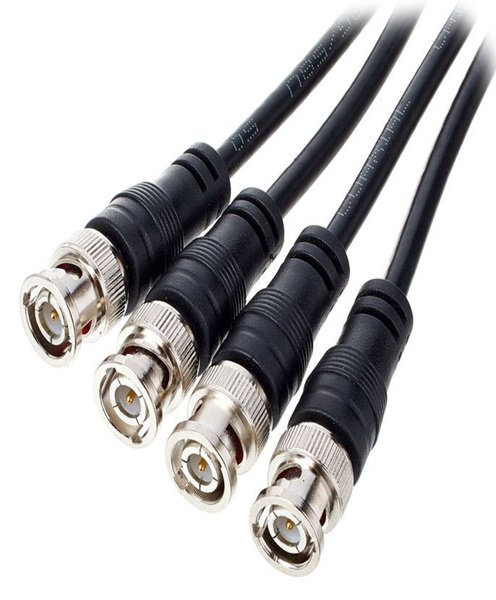
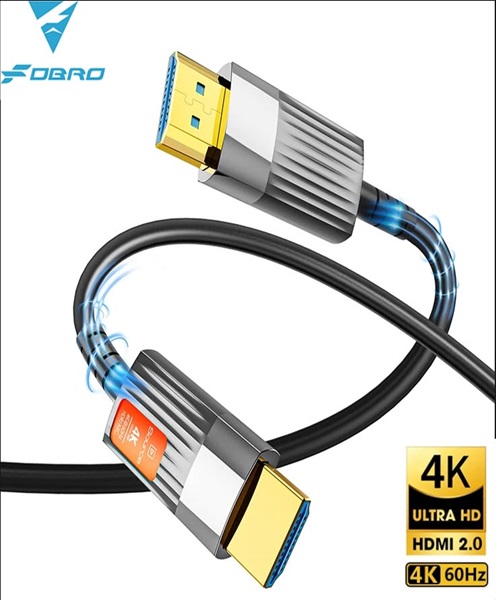
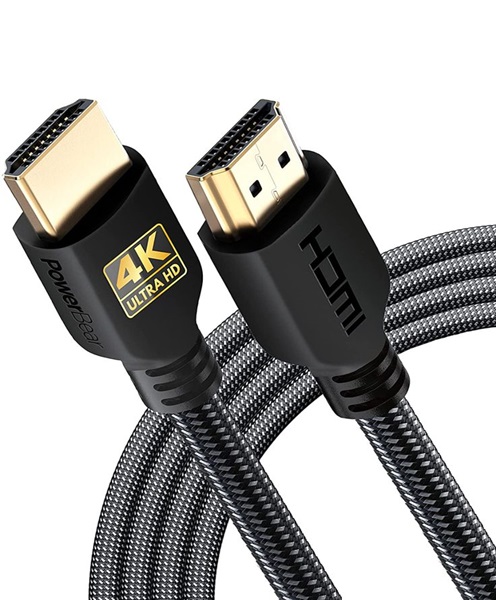
SDI and HDMI cables: Connect compatible cameras to external monitors and production equipment.
-
Recording media: Provides storage for captured footage.
-
Camera support accessories: May include compatible shoulder pads, handles, mounting plates and other rigging components.
Not every accessory is compatible with every camera. The camera model and its available connections should be confirmed before assembling the complete production package.
Tips for Operating a Shoulder-Mount Camera Professionally
A suitable camera is only part of a successful filming arrangement. Proper operating technique can make a significant difference to the quality of the footage.
Position the camera correctly: Adjust the shoulder support and viewfinder to create a comfortable operating position. The camera should be stable without forcing the operator into an uncomfortable posture.
Plan camera movement: Avoid unnecessary movements, especially during interviews, presentations and formal events. Smooth movement makes footage easier to watch and edit.
Check focus and exposure: Monitor focus and exposure throughout the production, particularly when subjects move between different lighting conditions.
Use appropriate zoom: Avoid excessive zooming during important moments. Plan camera positions and focal lengths according to the subject’s distance.
Monitor audio: When recording interviews or presentations, check microphone placement and audio levels. Poor audio can reduce the usefulness of otherwise excellent footage.
Manage batteries and media: Ensure there is sufficient power and storage for the entire production. Establish a backup plan for long filming sessions.
Coordinate with the production team: In multi-camera productions, operators should understand their assigned positions and shots to avoid unnecessary duplication or obstructing other cameras.
Why Choose Janeson Rentals for Shoulder-Mount Camera Hire in Kenya?
Janeson Rentals provides equipment hire and rental solutions for clients organising events, video productions and professional recording assignments in Nairobi and across Kenya.
We understand that different filming projects require different equipment arrangements. A television production, documentary, conference, concert and corporate interview may each need a different camera configuration.
Clients seeking shoulder-mount camera hire can plan their requirements around the nature of the production, filming duration, shooting environment and intended final output.
When making an enquiry, provide details such as:
-
The purpose of the production.
-
The filming date and venue.
-
The expected recording duration.
-
Whether filming will take place indoors or outdoors.
-
The preferred resolution and recording format, if known.
-
Whether the production requires live video output.
-
Whether external microphones or additional accessories are needed.
These details help establish the appropriate equipment requirements and identify any compatibility considerations before the booking.
Whether you are an independent filmmaker, event videographer, broadcaster, corporate communications team or production company, hiring can provide access to suitable camera equipment for a specific assignment.
Book Shoulder-Mount Camera Hire and Rental in Nairobi and Across Kenya
From documentary filmmaking and television reporting to corporate conferences, concerts, interviews and professional event coverage, a shoulder-mount camera can support productions that require mobility and a practical professional camera configuration.
Janeson Rentals offers shoulder-mount camera hire and rental solutions for production teams, businesses, broadcasters, filmmakers and event organisers in Nairobi and across Kenya.
Contact Janeson Rentals to enquire about hiring a shoulder-mount camera for your next production. Share your filming requirements and the intended camera setup so that the appropriate equipment can be considered for your project.