Stereo DI Box Hire & Rental in Kenya
Professional audio production requires the right equipment to connect musical instruments and electronic audio sources to a sound system. During live performances, many instruments produce stereo audio signals that need to be transmitted to a mixing console without losing the separation between the left and right channels. A Stereo DI Box provides a practical solution for connecting these sources to professional sound equipment.
Janeson Rentals offers Stereo DI Box hire and rental in Kenya for musicians, sound engineers, event organisers, production companies, churches, DJs and corporate clients who require reliable audio connection equipment.
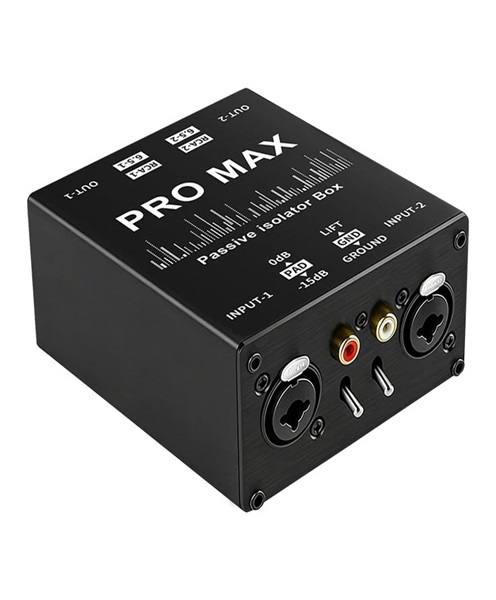
A Stereo DI Box is designed to handle two audio channels, usually identified as left and right. It converts compatible unbalanced signals into balanced outputs that can be connected to the microphone inputs of a professional mixing console. This is particularly useful for stereo keyboards, synthesizers, electronic instruments, samplers and other audio equipment with separate left and right outputs.
Unlike a standard mono DI Box, which handles one audio channel, a stereo DI Box accommodates two channels within one unit. This helps sound engineers maintain the stereo characteristics of the original source while organising connections to the mixing console.
Whether you are preparing a live band performance, worship service, wedding reception, corporate entertainment programme or music festival, having the appropriate DI equipment can make a significant difference in how the sound system is configured.
Through its event equipment hire and rental services, Janeson Rentals supports clients in Nairobi and across Kenya who require professional audio equipment for temporary event setups.
What Is a Stereo DI Box?
A Stereo DI Box is an audio interface designed to connect two-channel audio sources to professional sound systems. The term DI stands for Direct Injection, and the equipment is commonly used to convert unbalanced instrument signals into balanced outputs.
Many electronic instruments provide two separate outputs, labelled left and right. When both outputs are used, the instrument can send a stereo signal to the sound system.
For example, a keyboard may produce a stereo piano sound with different audio information distributed between the left and right channels. If only one output is connected, the sound may become mono, depending on the instrument’s output configuration.
A Stereo DI Box allows both channels to be connected separately to the mixing console. This gives the sound engineer the option of maintaining the stereo image or managing each channel independently.
A typical Stereo DI Box includes:
-
Two input connections for left and right audio channels.
-
Two balanced XLR outputs for connection to a mixing console.
-
Ground lift functionality, depending on the model.
-
Attenuation switches on some models.
-
Link or through connections on certain designs.
-
Power options for active stereo DI models.
The specific features depend on the equipment model.
Why Hire a Stereo DI Box for Your Event?
A stereo DI Box is particularly useful when a performance involves instruments that produce separate left and right audio signals. Instead of using two individual mono DI Boxes, a stereo unit can accommodate both channels in one device.
This offers several advantages during event preparation and sound production.
Maintains Stereo Audio Connections
Some electronic instruments produce stereo sound effects, stereo samples and layered audio arrangements. A stereo DI Box helps preserve the two-channel signal path when connecting these instruments to a mixing console.
This is useful for keyboard players and musicians who depend on stereo sound to achieve the intended musical presentation.
Simplifies Stage Connections
Using one stereo DI Box can make it easier to organise left and right connections. The two channels are housed within one unit, helping reduce the number of separate devices required for a stereo source.
This can support cleaner stage layouts and more organised cable management.
Supports Balanced Audio Transmission
The balanced XLR outputs of a stereo DI Box allow compatible signals to travel through balanced audio cables to the mixing console.
Balanced connections help reject common-mode interference, which is especially valuable when the stage and mixing console are separated by long cable distances.
Provides Flexible Sound Management
With separate left and right outputs, the sound engineer can manage the channels independently at the mixing console. This allows adjustments to channel levels, equalisation, panning and other mixing parameters.
Reduces Equipment Purchasing Costs
Hiring a Stereo DI Box is a practical alternative for clients who only need the equipment for specific productions. It provides access to useful audio equipment without requiring a permanent investment.
Stereo DI Box Hire for Keyboards and Digital Pianos
Keyboards and digital pianos are among the most common applications for stereo DI Boxes. Many professional keyboards offer separate left and right outputs to support stereo instrument sounds.
A keyboard player may use piano, organ, synthesizer, strings, pads and layered sounds during one performance. Some of these sounds are designed to create a wider stereo image.
A Stereo DI Box allows the keyboard’s two outputs to be connected to the mixing console through balanced XLR connections.
This is useful for:
-
Gospel keyboard performances.
-
Live band productions.
-
Worship services.
-
Jazz concerts.
-
Corporate entertainment.
-
Wedding receptions.
-
School music festivals.
-
University performances.
-
Music competitions.
-
Professional stage productions.
For example, during a gospel concert, a keyboard player may use stereo piano and synthesizer sounds. Connecting both outputs through a stereo DI Box allows the sound engineer to manage the left and right signals separately.
The engineer can then determine how the channels should be positioned in the final mix, depending on the venue and speaker configuration.
Stereo DI Box Rental for Synthesizers and Electronic Instruments
Synthesizers are designed to generate a wide variety of electronic sounds, including bass tones, pads, leads, atmospheric effects and layered musical textures.
Many synthesizers provide stereo outputs to support their sound design features. A stereo DI Box can help connect these outputs to a professional sound system.
It is particularly useful for:
-
Hardware synthesizers.
-
Electronic keyboards.
-
Workstations.
-
Drum machines with stereo outputs.
-
Samplers.
-
Electronic percussion systems.
-
Music production hardware.
-
Other compatible stereo audio sources.
During electronic music performances, maintaining the intended stereo signal can contribute to the overall presentation of the music.
The sound engineer should confirm that both the source and the DI Box support the required connections and signal levels before the performance.
Stereo DI Box Hire for Live Bands and Concerts
Live bands often combine several instruments that require different connection methods. Microphones may be used for vocals and acoustic instruments, while DI Boxes provide suitable connections for electronic instruments.
A stereo DI Box can be particularly useful for keyboard players, synthesizer performers and musicians using stereo electronic equipment.
During a concert, it may be incorporated into the stage signal plan alongside mono DI Boxes, microphone systems, instrument amplifiers and mixing consoles.
Stereo DI Boxes can support:
-
Gospel concerts.
-
Live band performances.
-
Music festivals.
-
Jazz performances.
-
Acoustic showcases.
-
Contemporary music events.
-
Cultural performances.
-
Outdoor concerts.
-
Talent competitions.
-
Corporate entertainment.
For larger performances, the sound engineer may use several DI Boxes to accommodate the different instruments on stage. Stereo units handle two-channel sources, while mono units are suitable for individual mono instruments.
This combination provides flexibility when designing a complete stage input list.
Stereo DI Box Rental for Churches and Worship Services
Modern church music productions often include digital keyboards, synthesizers, electronic percussion and playback equipment. Some of these instruments provide stereo outputs that need to be connected to the church mixing console.
A Stereo DI Box helps provide a suitable interface for these audio sources.
Churches may require Stereo DI Box hire for:
-
Sunday worship services.
-
Worship nights.
-
Gospel concerts.
-
Church conferences.
-
Revival meetings.
-
Choir performances.
-
Youth services.
-
Church anniversaries.
-
Special musical celebrations.
-
Christian music festivals.
For worship teams with multiple keyboard players, stereo DI Boxes can help organise the instrument connections and maintain the intended signal paths.
The sound engineer should also consider the church’s speaker arrangement. Although a source may be connected in stereo, the venue’s sound system may operate in mono or use a distributed configuration. The final routing should therefore reflect the venue’s audio design.
Stereo DI Box Hire for Weddings and Corporate Events
Weddings and corporate functions often include live entertainment, music performances and DJ sessions. A keyboard player or live band may be required to provide background music, accompany singers or perform during the main entertainment programme.
Stereo DI Boxes can support these productions by providing suitable connections for compatible stereo instruments.
For wedding receptions, the equipment may be used by:
-
Live wedding bands.
-
Keyboard performers.
-
Gospel entertainment groups.
-
Instrumental musicians.
-
DJs using compatible stereo equipment.
Corporate applications may include:
-
Gala dinners.
-
Awards ceremonies.
-
Product launches.
-
Corporate anniversaries.
-
Business celebrations.
-
Brand activation events.
-
Conferences with musical performances.
-
Corporate entertainment productions.
During these events, a well-organised audio connection system helps the sound team manage transitions between speeches, music and entertainment.
Understanding How a Stereo DI Box Works
A Stereo DI Box receives two audio signals from a compatible stereo source. These are typically the left and right outputs of a keyboard or electronic instrument.
The device processes each channel separately and provides two balanced outputs, normally through XLR connectors.
The signal path can be described as follows:
-
The left output of the instrument connects to the left input of the Stereo DI Box.
-
The right output connects to the right input.
-
The DI Box converts the signals into suitable balanced outputs.
-
Two XLR cables connect the outputs to separate mixing console channels.
-
The sound engineer adjusts the two channels according to the requirements of the performance.
The two channels remain separate throughout the connection process. This allows the mixing console to control their levels and stereo positioning.
It is important to use appropriate cables and check the signal requirements of the equipment being connected.
Active and Passive Stereo DI Boxes
Stereo DI Boxes are available in different designs, including active and passive configurations.
Passive Stereo DI Box
A passive Stereo DI Box uses passive circuitry, often involving transformers, to convert the incoming signals.
It generally does not require a separate power supply for its basic operation.
Passive units can be convenient for live sound applications where straightforward signal conversion is required. They are often suitable for many active electronic instruments and other compatible audio sources.
Active Stereo DI Box
An active Stereo DI Box uses electronic circuitry to process the incoming signals.
Depending on the design, it may require phantom power, batteries or an external power supply.
Active DI Boxes can provide high input impedance, making them useful for certain passive instrument pickups and other sources that benefit from this type of input.
The choice between active and passive equipment depends on the source, the signal characteristics and the sound engineer’s preference.
Important Features to Consider When Hiring a Stereo DI Box
Before arranging Stereo DI Box hire, it is important to understand the technical requirements of the production.
Consider the following:
1. Stereo input capability: Confirm that the equipment has two suitable inputs for the left and right audio channels.
2. Balanced XLR outputs: Check that the unit provides the output connections required by the mixing console.
3. Active or passive design: Select the appropriate design based on the instrument and signal characteristics.
4. Power requirements: Confirm whether the unit requires phantom power, batteries or an external supply.
5. Ground lift functionality: This feature may help resolve certain ground-loop noise problems when used correctly.
6. Attenuation switches: Some DI Boxes include pad switches to accommodate stronger incoming signals.
7. Link outputs: If the instrument also needs to feed an amplifier, check whether the DI Box provides suitable through connections.
8. Signal compatibility: Ensure that the source output is suitable for the DI Box input.
9. Cable requirements: Plan for the correct instrument cables and balanced XLR cables.
10. Mixing console compatibility: Confirm that the mixing console has enough available input channels for both outputs.
Stereo DI Box and Other Audio Equipment
A Stereo DI Box is most effective when incorporated into a properly planned sound system. Depending on the event, it may be used alongside:
-
Digital mixing consoles.
-
Analogue mixing consoles.
-
Professional PA systems.
-
Stage monitor speakers.
-
Subwoofers.
-
Active and passive speakers.
-
Keyboard amplifiers.
-
Bass amplifiers.
-
Guitar amplifiers.
-
Wireless microphone systems.
-
Wired microphones.
-
Audio multicore systems.
-
XLR cables.
-
Instrument cables.
-
Audio signal processors.
The sound engineer should determine the correct connections and routing before the event begins.
For a keyboard performance, for example, the stereo DI Box may connect the instrument to two mixing console channels. The console then routes the signal to the main PA system and, where required, to the performer’s monitor mix.
Common Mistakes to Avoid When Using a Stereo DI Box
Incorrect connections can affect the sound quality and cause unnecessary delays during event setup.
Some common mistakes include:
-
Connecting only one output when a stereo signal is required.
-
Confusing left and right input connections.
-
Using damaged or unsuitable cables.
-
Failing to check the power requirements of an active unit.
-
Connecting an incompatible signal source.
-
Forgetting to allocate two mixing console channels for a stereo source.
-
Assuming that every venue’s PA system can reproduce a full stereo image.
-
Failing to test the signal before the performance.
-
Ignoring ground-related noise problems.
-
Using an unsuitable DI Box for the instrument’s output characteristics.
A proper equipment check and sound test can help prevent these issues.
Why Choose Janeson Rentals for Stereo DI Box Hire?
Janeson Rentals provides event equipment hire and rental solutions for clients organising events in Nairobi and across Kenya. We understand that professional audio production depends on having suitable equipment for every stage of the signal chain.
A Stereo DI Box may be a small piece of equipment, but it plays an important role in connecting stereo instruments to professional sound systems.
Reasons to consider Janeson Rentals include:
Event-focused equipment hire: Clients can arrange equipment for individual events and productions without purchasing every component.
Support for live sound production: Stereo DI Boxes are useful for concerts, church services, weddings and other performances involving stereo instruments.
Related audio equipment: Clients can plan additional sound requirements, including PA systems, mixing consoles, microphones, speakers and audio accessories, subject to availability.
Nairobi-based service: Janeson Rentals is based in Nairobi and serves event organisers across Kenya.
Flexible event planning: Equipment requirements can be planned according to the number of instruments, venue configuration and production needs.
Book a Stereo DI Box for Hire in Kenya
If you are organising a live concert, wedding, church service, corporate function or another event involving keyboards and electronic instruments, a Stereo DI Box can help establish the appropriate audio connections.
Janeson Rentals offers Stereo DI Box hire and rental solutions in Kenya for musicians, sound engineers, churches, production companies and event organisers.
When making an enquiry, provide the event date, venue, type of instrument, number of stereo sources and any technical requirements supplied by your sound engineer.
Contact Janeson Rentals to enquire about Stereo DI Box hire and rental in Kenya and arrange the audio equipment required for your next production.