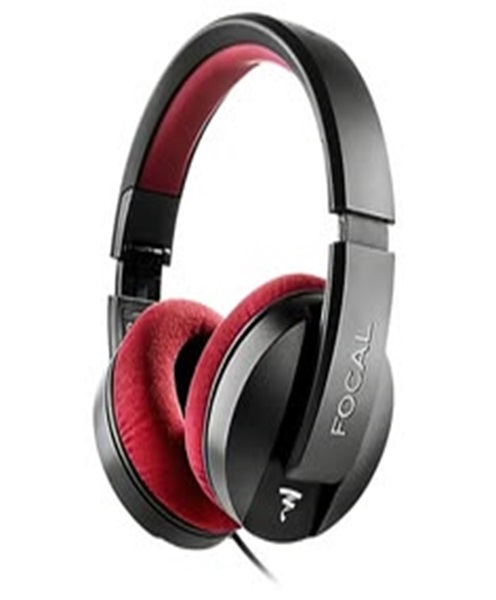
Studio Headphones Hire and Rental in Kenya
Accurate audio monitoring is essential for professional recording, music production and sound engineering. Whether you are recording vocals, mixing music, producing a video, editing a podcast or managing sound for a live production, you need to hear audio clearly enough to make informed production decisions. Studio headphones provide a direct listening experience that helps musicians, producers, presenters and sound engineers assess recordings and monitor audio throughout a production.
Janeson Rentals provides studio headphones for hire and rental in Nairobi and across Kenya. Our rental solutions are suitable for recording studios, production companies, musicians, content creators, event organisers, broadcasters, educational institutions and businesses that require professional audio monitoring equipment for temporary projects.
Hiring studio headphones is a practical alternative to purchasing equipment for occasional recording sessions, short-term productions and events. Instead of investing in multiple pairs that may remain unused between projects, you can enquire about a rental arrangement that suits your production requirements.
Whether you are setting up a temporary recording space, preparing a music production session, organising a voiceover recording or equipping an audio production team, studio headphones are an important part of the equipment setup.
What Are Studio Headphones?
Studio headphones are listening devices designed for audio monitoring and production work. They are used by musicians, recording engineers, music producers, editors and other audio professionals who need to listen carefully to sound.
Unlike headphones selected mainly for casual entertainment, studio headphones are intended to support listening tasks where sound detail and consistency matter. They can help users identify unwanted noise, distorted signals, changes in vocal levels, instrumental balance and other audio characteristics.
Studio headphones are available in different designs, including closed-back, open-back and semi-open-back models. Each design has its own advantages and is suited to particular recording and listening environments.
Closed-back headphones help isolate the listener from surrounding noise and reduce sound leakage. Open-back headphones allow more airflow through the ear cups and can provide a more spacious listening presentation, making them useful for certain mixing and critical listening applications. Semi-open designs offer a compromise between these approaches.
The appropriate headphones depend on the intended task, the acoustic environment and the preferences of the person using them.
Why Hire Studio Headphones Instead of Buying?
Professional audio equipment can represent a considerable investment, especially when a production requires several pairs of headphones. Studio headphones hire gives individuals and organisations access to monitoring equipment without the responsibility of permanent ownership.
Cost-Effective Access to Professional Equipment
Purchasing studio headphones for a one-time project may not be financially practical. Hiring allows you to access suitable equipment for the duration of a recording session, production or event.
This is useful for independent musicians, production teams and businesses that need headphones occasionally rather than every day.
Flexible Equipment Quantities
Different productions require different numbers of headphones. A solo voiceover session may only need one pair, while a music recording session involving several performers may require multiple pairs.
Rental planning allows you to consider the number of people who need to monitor audio and the outputs available on your recording equipment.
Support for Temporary Recording Studios
A temporary studio can be created in an office, conference venue, event space, classroom or other suitable location. Hiring studio headphones helps equip the space without requiring a permanent studio inventory.
Suitable for Short-Term Productions
Film projects, advertising campaigns, documentaries, music videos and corporate productions often have specific recording and editing schedules. Renting headphones can help production teams obtain the equipment they need for a defined project period.
Access to Different Monitoring Options
Different recording tasks may benefit from different headphone designs. A production team can discuss the type of monitoring required before arranging a rental, rather than purchasing several types of headphones for occasional use.
Applications of Studio Headphones in Kenya
Studio headphones are useful across many professional and creative industries.
Music Recording and Production
Musicians and recording engineers use studio headphones to monitor vocals and instruments during recording. Performers can listen to backing tracks while recording their parts, while producers can assess the recorded sound.
For multi-performer sessions, suitable headphone distribution may be required so that each musician can hear the relevant audio mix.
Music Mixing and Editing
Audio professionals use headphones to assess recordings during mixing and editing. They can listen for unwanted noise, timing problems, vocal clarity and other details.
Headphones can be especially useful when working in locations where studio monitors are unavailable or where playing audio through loudspeakers would disturb other people.
However, headphones should not always replace suitable studio monitors for critical mixing decisions. Listening on multiple playback systems can help reveal issues that may not be obvious through one monitoring method.
Podcast and Interview Production
Studio headphones are valuable for podcast hosts, interviewers, guests and audio operators. They allow participants to monitor conversations and help engineers identify sound problems during recording.
They can also be used when editing recorded interviews, documentaries and other speech-based content.
Film and Video Production
Video editors and post-production teams need to monitor dialogue, music, sound effects and ambient audio. Studio headphones can support these tasks during editing, sound design and quality checks.
They are also useful for reviewing recorded interviews, promotional videos, documentaries and corporate films.
Voiceover and Dubbing Sessions
Voiceover artists use headphones to listen to scripts, reference audio and playback recordings. During dubbing and narration sessions, headphones can help performers follow timing and monitor their recorded voices.
Broadcasting and Livestreaming
Broadcasters, livestream presenters and production teams use headphones to monitor programme audio, remote contributors and communication from other production personnel.
A suitable monitoring setup can help operators identify audio interruptions and level problems while a broadcast is in progress.
Educational and Training Activities
Schools, colleges, universities and training institutions may use studio headphones for audio production courses, music lessons, media training and practical recording exercises.
Hiring headphones can support workshops and temporary training programmes without requiring institutions to purchase equipment for every participant.
Types of Studio Headphones to Consider
Selecting suitable studio headphones requires an understanding of the different designs and their intended uses.
Closed-Back Studio Headphones
Closed-back headphones feature enclosed ear cups that help prevent sound from escaping into the surrounding environment.
They are particularly useful during microphone recording because they reduce the amount of headphone audio that may leak into an open microphone. They also provide a degree of isolation from surrounding noise.
Common applications include vocal recording, podcast production, voiceovers, instrument recording and monitoring in shared production spaces.
Open-Back Studio Headphones
Open-back headphones have ear cups that allow air to pass through the headphone structure. They are often selected for detailed listening and certain mixing applications.
Their open design can produce a more spacious listening experience, but they generally provide less isolation and allow sound to escape. This makes them less suitable for some microphone recording situations.
Semi-Open Studio Headphones
Semi-open headphones combine elements of open-back and closed-back designs. Their acoustic characteristics vary depending on the model.
They may be considered for particular monitoring and listening applications where the production team wants a balance between isolation and an open listening presentation.
Wired Studio Headphones
Many studio headphones use wired connections to provide a direct connection to a mixer, audio interface, headphone amplifier or other compatible audio output.
Before hiring, confirm the connector type and ensure that the connected equipment can drive the headphones appropriately.
Important Features When Hiring Studio Headphones
The right studio headphones should match the work being performed and the equipment available.
Frequency Response
Frequency response describes the range of frequencies a pair of headphones can reproduce. It is one of the specifications to consider when selecting headphones for audio production.
However, a wide published frequency range does not automatically mean that headphones will provide accurate monitoring. The overall sound character, consistency and intended application are also important.
Comfort and Fit
Recording and editing sessions can last for several hours. Headphones should fit comfortably and provide suitable cushioning around the ears.
An adjustable headband, appropriate clamping force and well-designed ear cushions can make extended listening more comfortable.
Impedance and Output Compatibility
Headphone impedance affects how headphones interact with the connected audio equipment. Some headphones are designed for use with a wide range of devices, while others may require a stronger headphone output.
When arranging studio headphones rental, check the headphone specifications against the mixer, interface or amplifier that will be used.
Sound Isolation
Isolation is important when recording vocals or instruments using microphones. Closed-back headphones can help reduce sound leakage, although the amount of isolation depends on the particular model and fit.
Replaceable Ear Cushions and Cables
For equipment used frequently, replaceable ear cushions and detachable cables can be useful practical features. The availability of these features varies between headphone models.
Connector Type
Studio headphones may use different plug types, including 3.5 mm and 6.3 mm connections. Some models include an adapter, but this should not be assumed. Confirm the connection requirements before the recording session.
Studio Headphones for Individual and Group Recording
The number of headphones required depends on the size of the production and the monitoring arrangements.
A solo musician recording vocals may only need one pair. A recording session involving a vocalist, instrumentalists and a producer may require several pairs so that performers and the production team can listen independently.
For group recording, it is important to check the number of headphone outputs available on the audio interface or mixer. If the equipment does not have enough outputs, a compatible headphone amplifier or distribution system may be required.
A headphone amplifier can provide additional outputs and, depending on the design, individual volume controls. This is particularly useful when different performers prefer different listening levels.
For example, a vocalist may want to hear their own voice prominently, while a drummer may need a louder backing track. The monitoring arrangement should be planned around the needs of the performers and the capabilities of the audio system.
Combining Studio Headphones With Other Production Equipment
Studio headphones are most effective when integrated into a suitable recording and monitoring setup. Depending on the project, they can be hired alongside:
-
Audio interfaces: Connect microphones and instruments to recording computers.
-
Audio mixers: Manage audio inputs, levels and routing.
-
Studio microphones: Capture vocals, instruments and other sound sources.
-
Microphone stands: Support microphones during recording.
-
XLR cables: Connect compatible microphones to audio equipment.
-
Headphone amplifiers: Provide additional headphone outputs for multiple users.
-
Studio monitors: Allow audio professionals to assess sound through loudspeakers.
-
Recording computers: Run digital audio workstations and editing applications.
-
Portable recorders: Capture audio during field recording and location production.
The exact combination will depend on the recording format, number of performers and available equipment.
Planning Your Studio Headphones Rental
Before arranging studio headphones hire, identify the type of production you are preparing. Music recording, podcasting, voiceover work and video editing can have different monitoring requirements.
Determine how many people need headphones and whether they will all be listening to the same audio source. If several people require monitoring, check the number of available headphone outputs and whether a distribution amplifier is necessary.
Confirm the connection requirements of your recording equipment. This includes the headphone plug, output compatibility and any adapters or additional equipment needed.
Consider the recording environment as well. Closed-back headphones are often a practical choice when microphones are being used in the same room, while open-back headphones may be suitable for certain editing and critical listening tasks in quieter environments.
It is also advisable to test the complete monitoring setup before recording begins. Check that each headphone is working, that sound levels are comfortable and that all connections are secure.
For longer sessions, plan breaks and avoid unnecessarily high listening volumes. Comfortable and responsible monitoring helps participants remain focused throughout the production.
Why Choose Janeson Rentals for Studio Headphones Hire?
Janeson Rentals provides equipment hire and rental solutions for events, productions and businesses in Kenya. Our studio headphones rental service is suitable for clients who need audio monitoring equipment for temporary recording and production activities.
Based in Nairobi, Janeson Rentals serves clients across Kenya. Whether you are preparing a music recording session, a temporary studio, a podcast, a voiceover project, a video production or a training workshop, you can enquire about studio headphones and complementary audio equipment.
We understand that equipment selection should be based on the actual requirements of each project. Factors such as the number of users, recording environment, headphone connection and available audio outputs should all be considered when planning a rental.
By organising these requirements in advance, production teams can prepare a more practical monitoring setup and reduce the risk of compatibility problems during recording.
Book Studio Headphones for Hire and Rental in Kenya
Are you looking for professional studio headphones for an upcoming recording or production project? Contact Janeson Rentals to enquire about studio headphones hire and rental in Nairobi and across Kenya.
When making an enquiry, provide your recording date, location, intended application and the number of headphones required. If you already have an audio interface, mixer or headphone amplifier, share the equipment details so that compatibility can be considered.
Choose Janeson Rentals for studio headphones hire in Kenya and get the audio monitoring equipment you need for your next recording, music production, podcast or professional media project.