UPS Hire and Rental in Nairobi
Power interruptions can disrupt important activities during events, conferences, live productions and technical installations. Computers may shut down unexpectedly, recording sessions may be interrupted, presentations may stop and critical equipment may lose power.
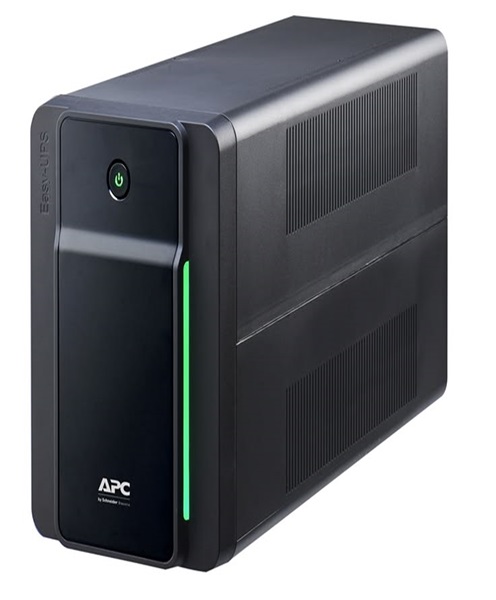
An Uninterruptible Power Supply (UPS) provides temporary backup electrical power when the main supply fails or moves outside specified operating conditions. It typically uses an internal battery to keep compatible connected equipment running for a limited period.
At Janeson Rentals, we provide event equipment hire and rental solutions for conferences, corporate functions, audiovisual productions, exhibitions, churches, live streaming and other events in Nairobi and across Kenya.
UPS hire is useful when a temporary installation requires backup power for selected electronic equipment. It can help reduce disruption during short power interruptions and provide time for equipment to be shut down safely or for an alternative supply to take over.
Whether you are setting up a presentation workstation, operating a video production control system, recording a conference or managing technical equipment at an event, a suitable UPS can be an important part of your power continuity plan.
What Is a UPS?
UPS stands for Uninterruptible Power Supply. It is a device that provides temporary electrical power to connected equipment when the normal electrical supply fails or becomes unsuitable.
Most UPS systems use rechargeable batteries to supply power during an interruption. Depending on the model, a UPS may also provide voltage regulation, surge protection, power monitoring and automatic transfer between mains and battery operation.
Common UPS features include:
- Internal rechargeable batteries
- Battery backup outlets
- Input and output voltage indicators
- Audible alarms
- Overload protection
- Surge protection
- Automatic voltage regulation on selected models
- USB or network monitoring on selected models
- Battery status indicators
- Controlled shutdown features on compatible systems
The available features depend on the UPS design and capacity.
A UPS is particularly useful for equipment that should not lose power suddenly, such as computers, recording systems, network devices and selected audiovisual control equipment.
Why Hire a UPS?
Purchasing a UPS may not be practical for event organizers and production companies that only need backup power for temporary installations.
UPS rental provides access to suitable equipment without requiring a permanent purchase or additional battery maintenance and storage.
Hiring can help:
- Provide temporary backup power
- Reduce disruption during short power interruptions
- Allow controlled shutdown of compatible equipment
- Support live streaming and recording systems
- Protect selected technical workflows from sudden shutdowns
- Provide backup for computers and control equipment
- Support temporary event installations
- Offer flexibility for different power requirements
The backup duration depends on the UPS capacity, battery condition, connected load and operating conditions. It should never be assumed that a UPS can run an entire event or large production system for several hours.
UPS Hire for Computers and Workstations
Computers are widely used in modern event production.
Presentation laptops, media playback computers, registration systems, video editing workstations and technical control computers may contain important information and applications.
A sudden power interruption can cause unsaved work to be lost or interrupt a critical presentation.
A suitable UPS can provide temporary backup power to compatible computer equipment.
It may be useful for:
- Presentation computers
- Media playback systems
- Registration workstations
- Video editing computers
- Technical control stations
- Office computers
- Production laptops with compatible power arrangements
- Computer-based event management systems
The UPS should be sized according to the computer’s actual power requirements and any additional devices connected to it.
UPS Rental for Live Streaming and Broadcast Production
Live streaming and broadcast-style productions rely on several interconnected devices.
A typical setup may include computers, video switchers, capture cards, audio interfaces, network equipment, monitors and recording systems.
If the power supply fails during a live broadcast, the production may be interrupted.
A suitably rated UPS can provide temporary backup for selected critical devices, giving operators time to restore power, transfer to an alternative supply or shut down equipment safely.
It may support:
- Live streaming computers
- Video capture systems
- Streaming encoders
- Video switchers
- Network routers
- Modems
- Recording workstations
- Production control equipment
Network equipment and the main streaming computer may have different power requirements. Their UPS capacities and expected backup times should be assessed individually.
UPS for Conferences and Corporate Events
Corporate conferences often depend on computers, projectors, displays, presentation systems and technical control equipment.
A sudden interruption can affect presentations, online meetings and event recording.
UPS rental may be useful for selected critical equipment where a temporary backup supply is required.
Applications include:
- Corporate conferences
- Business presentations
- Seminars
- Training sessions
- Product launches
- Award ceremonies
- Hybrid meetings
- Live event broadcasts
For example, a UPS may support a presentation computer and network equipment while other event systems remain connected to the main electrical supply.
The event production team should identify which devices are essential and determine how long they need backup power.
UPS Hire for Audio and Recording Equipment
Audio production environments may contain digital mixing consoles, audio interfaces, recording computers, wireless microphone receivers and signal processors.
Some of these devices may require continuous power to avoid interruptions during recording or live production.
A UPS may be considered for compatible low- or moderate-power equipment, depending on its capacity and output characteristics.
It may support:
- Audio recording computers
- Digital mixing consoles
- Audio interfaces
- Wireless microphone receivers
- Audio processors
- Networked audio control equipment
- Studio monitoring systems
High-powered amplifiers and large powered speaker systems may demand more capacity than a typical small UPS can provide.
The UPS must be selected according to the connected load, battery runtime requirements and equipment compatibility. A standard computer UPS should not automatically be used to power a complete PA system.
UPS for LED Screens and Video Equipment
LED screens, video walls and professional displays may be connected to control computers, processors, media players and monitoring equipment.
A UPS can provide backup for selected critical control devices, helping preserve system operation during a short power interruption.
It may be used for:
- LED screen control computers
- Video processors
- Media players
- Production monitors
- Video switchers
- Display management equipment
- Digital signage systems
Large LED screens and video walls have substantial electrical demands. Their complete power systems may require specialist power backup equipment rather than ordinary rack or desktop UPS units.
A qualified electrical professional should assess the load and determine the appropriate backup solution.
UPS Hire for Churches and Religious Events
Churches may use computers, projectors, sound control systems, streaming equipment and recording devices during services and special events.
A power interruption can disrupt a live service, presentation or online broadcast.
UPS rental may provide temporary backup for selected equipment such as:
- Church presentation computers
- Live streaming workstations
- Network routers
- Recording systems
- Video switchers
- Compatible audio control equipment
- Technical monitoring devices
Churches organizing large conferences or worship concerts should identify essential equipment and determine how long each device needs backup power.
UPS for Offices and Network Equipment
Offices may depend on computers, routers, switches, servers and other electronic equipment.
A sudden power failure can interrupt communication, data processing and access to important systems.
A UPS can provide temporary backup power to compatible devices, allowing users to save work or maintain selected operations during a short interruption.
It may be useful for:
- Desktop computers
- Network routers
- Network switches
- Small servers
- Workstations
- Internet connectivity equipment
- Office communication systems
- Technical control devices
For network equipment, the UPS should be sized according to the total connected load and required runtime.
Types of UPS Systems
Different UPS technologies are designed for different applications.
Offline or Standby UPS
An offline UPS normally supplies power from the mains and switches to battery operation when the input supply fails or becomes unsuitable according to its operating thresholds.
It is commonly used for selected personal computers and basic electronic equipment.
Line-Interactive UPS
A line-interactive UPS uses voltage regulation technology to respond to certain input voltage variations while providing battery backup when required.
It may be suitable for office workstations, network equipment and selected technical devices.
Online Double-Conversion UPS
An online double-conversion UPS continuously converts incoming AC power to DC and then back to AC for the connected load. This design provides a more controlled output and avoids the normal transfer delay associated with standby designs.
It is commonly considered for critical equipment that requires a higher level of power continuity.
Rack-Mounted UPS
Rack-mounted UPS systems are designed to fit compatible equipment racks. They may be used for servers, networking equipment, audiovisual systems and production control installations.
Tower UPS
Tower UPS units are designed to stand independently and are commonly used for workstations, office equipment and selected technical installations.
Modular UPS
Modular systems use configurable power modules and may be designed for larger installations requiring scalability and redundancy. Their use generally involves more detailed electrical planning.
How to Choose the Right UPS
Selecting a UPS requires more than choosing a model based on its advertised capacity.
Consider the following factors.
1. Connected equipment
List every device that will receive backup power. Include computers, monitors, network devices, control equipment and other essential components.
2. Total power requirement
Determine the actual load in watts and volt-amperes. The UPS must support the connected equipment within its specified ratings.
3. Required backup duration
Decide how long the equipment should remain operational during a power interruption. Runtime depends on battery capacity and connected load.
4. UPS capacity
UPS systems are commonly rated in volt-amperes (VA) and watts (W). Both ratings matter when checking compatibility.
5. Output waveform
Some electronic equipment requires a particular output waveform, such as pure sine wave. Check the equipment manufacturer’s recommendations.
6. UPS technology
Determine whether an offline, line-interactive or online double-conversion system is appropriate for the application.
7. Battery condition
Battery performance affects backup time. The condition, age and maintenance history of the batteries should be considered.
8. Outlet configuration
Confirm that the UPS has suitable outlets and that connected devices can be connected safely.
9. Monitoring and shutdown features
For computer and server installations, compatible monitoring or automatic shutdown features may be useful.
UPS and Voltage Stabilizer: What Is the Difference?
A UPS and a voltage stabilizer serve different purposes.
A voltage stabilizer corrects incoming voltage fluctuations and maintains a more consistent output voltage within its specified operating range.
A UPS provides temporary backup electrical power when the main supply fails or becomes unsuitable.
Some UPS systems include automatic voltage regulation, meaning they can correct certain voltage variations without immediately switching to battery operation. However, not all UPS models provide this feature.
For example, a workstation experiencing short power interruptions may require a UPS. Equipment experiencing persistent voltage fluctuations may require a suitable stabilizer or a UPS with appropriate regulation features.
UPS and Professional Power Conditioner
A UPS is also different from a professional power conditioner.
A UPS provides battery-backed power during supply interruptions. A power conditioner may provide filtering, surge suppression and other power management functions, depending on the model.
Some UPS systems include power conditioning features, but these should be verified in the manufacturer’s specifications.
The correct choice depends on whether the installation needs backup power, voltage correction, electrical noise filtering or a combination of functions.
UPS and Power Distribution Units
A UPS can also be used alongside a Power Distribution Unit in a properly designed installation.
The UPS provides backup power, while a PDU distributes power to multiple compatible devices.
For example, a rack-mounted UPS may supply a compatible PDU that distributes backup power to selected network or audiovisual equipment.
However, the combined load must remain within the UPS capacity, and the PDU must be compatible with the UPS output and electrical ratings.
UPS for Generator Backup Arrangements
Some event installations use generators as an alternative electrical supply.
A UPS may be useful during the transition between the main supply and generator power, provided the UPS and generator are compatible.
The UPS can maintain temporary power for selected equipment while the alternative supply is started or stabilized.
Important considerations include:
- Generator voltage and frequency
- UPS input requirements
- UPS output characteristics
- Generator capacity
- Connected equipment load
- Transfer arrangements
- Earthing and electrical protection
Not every UPS works well with every generator. Compatibility should be confirmed before the equipment is connected.
UPS Rental Packages
UPS rental can be coordinated with other event and production equipment from Janeson Rentals, depending on the installation requirements.
A technical setup may include:
- Computers and workstations
- Video switchers
- Streaming encoders
- Recording equipment
- Network routers and switches
- Production monitors
- Digital mixing consoles
- Power distribution units
- Professional power conditioners
- Voltage stabilizers
- Generators
- Cable management accessories
A suitable equipment plan should identify which devices require uninterrupted power and which can remain on the normal supply.
Electrical Safety When Using a UPS
UPS systems contain electrical components and rechargeable batteries. They must be used according to the manufacturer’s instructions.
Important precautions include:
- Confirm the UPS input and output ratings.
- Check the total connected load.
- Do not exceed the rated wattage or VA capacity.
- Use compatible plugs and outlets.
- Keep ventilation openings clear.
- Avoid moisture and unsuitable environments.
- Inspect cables and battery compartments.
- Do not use damaged or swollen batteries.
- Follow manufacturer battery replacement instructions.
- Avoid connecting incompatible equipment.
- Do not assume the UPS can power heavy equipment.
- Have installations assessed by qualified personnel where required.
A UPS provides only a limited amount of backup time. Critical systems should have a clear shutdown or alternative power plan.
UPS Hire in Nairobi
Janeson Rentals provides event equipment hire solutions for clients planning functions and technical installations in Nairobi.
UPS hire may be useful for conferences, live streaming, audiovisual productions, recording sessions, corporate events, exhibitions, churches and temporary technical workstations.
When requesting a quotation, provide:
- Event date
- Venue
- Equipment requiring backup
- Total estimated power load
- Required backup duration
- Input and output requirements
- Preferred UPS installation type
These details help determine the appropriate UPS capacity and configuration.
UPS Rental Across Kenya
Our rental service is based in Nairobi, with delivery arrangements available for clients planning events in other parts of Kenya, subject to location, availability and logistics.
UPS rental may support temporary installations at hotels, offices, conference centres, churches, exhibition venues and production locations.
For events outside Nairobi, early coordination is recommended so equipment requirements and transportation arrangements can be considered.
Why Choose Janeson Rentals?
Janeson Rentals provides equipment hire and rental solutions for events, audiovisual productions and technical installations.
Clients can benefit from:
- Access to equipment for temporary projects
- Flexible rental arrangements
- Coordination with related event equipment
- Support for different production requirements
- Nairobi-based rental services
- Delivery arrangements across Kenya, subject to logistics
- Practical equipment planning
Our aim is to help clients identify suitable equipment for their functions and coordinate rental requirements.
Frequently Asked Questions About UPS Hire
What does UPS stand for?
UPS stands for Uninterruptible Power Supply. It provides temporary backup power when the main electrical supply fails or becomes unsuitable.
Can I hire a UPS for an event?
Yes. UPS rental may be arranged for compatible computers, control equipment, recording systems and other technical devices, depending on the required capacity.
How long can a UPS provide backup power?
Backup duration depends on the UPS capacity, battery condition, connected load and operating conditions. The expected runtime should be confirmed for the specific equipment.
Can a UPS power a complete sound system?
A standard UPS may not have sufficient capacity for an entire professional sound system. Large amplifiers and powered speakers can require substantial power. The actual load must be assessed before selecting a UPS.
Does a UPS regulate voltage?
Some UPS systems include automatic voltage regulation, but others do not. Check the specifications of the specific model.
Is a UPS the same as a generator?
No. A UPS provides temporary battery-backed power, while a generator produces electrical power for longer operation when properly supplied and operated.
Can a UPS work with a generator?
Yes, where the generator and UPS are compatible. Their voltage, frequency, capacity and operating characteristics must be checked.
Can I hire a UPS outside Nairobi?
Delivery arrangements across Kenya may be available depending on location, equipment requirements and logistics.
Hire a UPS from Janeson Rentals
A UPS is an important power continuity solution for equipment that needs temporary backup during electrical interruptions.
From presentation computers and live streaming systems to recording equipment, technical workstations and network devices, the right UPS can help reduce disruption and provide time for an orderly shutdown or transfer to another power source.
If you are searching for UPS hire in Nairobi or UPS rental in Kenya, contact Janeson Rentals with your event date, venue, equipment list and required backup duration. We can help coordinate the appropriate rental equipment for your technical installation.