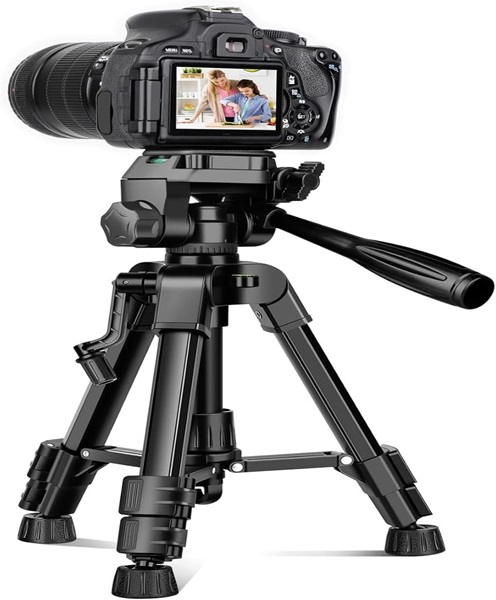
Video Tripod Hire and Rental in Kenya
Professional video production requires more than a camera with good image quality. The camera must also be supported by equipment that allows the operator to maintain stable framing and achieve controlled movements. Whether recording a corporate interview, filming a documentary, covering a conference or producing a livestream, a video tripod provides an important foundation for consistent footage.
Janeson Rentals offers video tripod hire and rental in Kenya for videographers, filmmakers, broadcasters, event organisers, production companies, content creators and businesses. Renting a video tripod provides access to suitable camera support for temporary productions without requiring clients to purchase equipment for occasional use.
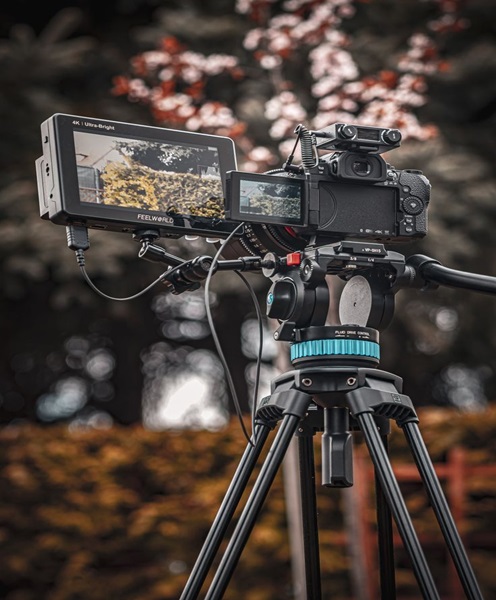
Unlike many tripods primarily intended for still photography, dedicated video tripods are designed with the needs of moving images in mind. Many feature fluid or fluid-effect heads that help operators achieve smoother horizontal panning and vertical tilting while recording. Depending on the model, a video tripod may also feature a counterbalance system, adjustable drag, a long camera mounting plate, a levelling bowl and additional leg support.
These features can be useful when following a presenter, tracking a performer, recording a sporting activity or capturing a speaker from a fixed position. The correct tripod should be selected according to the camera weight, lens, required movement, shooting environment and production workflow.
What Is a Video Tripod?
A video tripod is a three-legged camera support system designed primarily for videography and filmmaking. It holds a camera securely while allowing the operator to position, adjust and move the camera in a controlled manner.
A typical video tripod consists of tripod legs, a head, a camera mounting plate and adjustment controls. Some models also include a spreader that helps maintain the position of the legs and improve stability.
One of the most important components is the tripod head. Video tripod heads are commonly designed to provide controlled panning and tilting. Fluid heads use damping mechanisms to help smooth camera movement, reducing abrupt starts and stops during recording.
Video tripods are used for:
-
Professional filmmaking.
-
Television and broadcast production.
-
Documentary recording.
-
Corporate video production.
-
Conference and seminar coverage.
-
Church livestreaming.
-
Interviews and panel discussions.
-
Concert and stage recording.
-
Sports and outdoor event coverage.
-
Educational video production.
-
Studio recording and promotional videos.
A video tripod can support a compact mirrorless camera, DSLR, camcorder or compatible professional camera system, provided the tripod’s head and legs are suitable for the complete equipment weight.
Why Hire a Video Tripod Instead of Buying One?
A dedicated video tripod can be an important investment, especially when a production requires a professional fluid-head system. For individuals and organisations that only need one for selected projects, hiring can be a practical option.
1. Reduce Equipment Investment
Professional video tripods are available in different configurations and load capacities. Some are designed for lightweight camera setups, while others support larger professional video equipment.
Video tripod hire allows production teams to access suitable support without purchasing a complete tripod system for occasional assignments.
2. Improve Camera Stability
A properly selected tripod provides a stable platform for the camera. This is particularly important when recording interviews, presentations and other productions where unwanted camera movement can distract viewers.
3. Support Smooth Camera Movements
A compatible fluid video head helps operators make controlled pans and tilts. This can be useful when following speakers, performers, athletes or other moving subjects.
The amount of drag, counterbalance and movement control available depends on the tripod head.
4. Accommodate Different Cameras
A production may use different camera models depending on the assignment. A tripod hired for a lightweight mirrorless camera may differ from one selected for a professional camcorder or cinema camera rig.
Hiring allows the support equipment to be matched to the camera configuration.
5. Expand an Existing Video Production Setup
A production team may already own a tripod but require additional camera positions for a multi-camera recording. Hiring can help expand the setup for conferences, interviews, documentaries and live productions.
Events and Productions That Require Video Tripods
Video tripods are useful in many professional filming environments because they support both static shots and controlled camera movement.
Corporate Conferences and Seminars
Conferences often involve keynote presentations, panel discussions, guest speakers and product demonstrations. A video tripod can keep the camera in a stable position while recording the programme.
A fluid head may also help the operator follow a speaker moving across the stage or adjust framing between different presenters.
For larger conferences, multiple video tripods can support cameras positioned at different points in the venue.
Church Services and Livestreaming
Churches and ministries use video equipment to broadcast services, sermons, worship sessions, conferences and special programmes.
Video tripods are useful for positioning cameras around the auditorium. A wide camera can capture the entire stage, while another camera can be positioned to capture close-ups of the preacher or worship team.
A fluid head can help the camera operator follow movement while maintaining a controlled viewing experience.
Film and Documentary Production
Filmmakers use video tripods when a scene requires a stable composition or controlled camera movement.
Documentary production may involve interviews, location footage, landscapes and recorded activities. A video tripod can help maintain consistent framing and provide smooth camera movement when tracking a subject.
The tripod should be selected according to the camera rig, lens and location conditions.
Television and Broadcast Production
Television production often requires stable camera support and repeatable camera movements. Video tripods can support cameras used for interviews, studio programmes, live coverage and recorded broadcasts.
Depending on the production, the tripod may need to accommodate a professional camcorder, broadcast camera or camera rig with additional accessories.
Concerts and Live Entertainment
Concerts and entertainment productions involve movement, changing stage positions and varying lighting conditions.
A video tripod can support a camera used to record performers, stage activity and audience reactions. The operator may use controlled panning and tilting to follow performers while keeping the footage steady.
Interviews and Corporate Videos
Interviews benefit from stable camera framing. A video tripod allows the operator to position the camera at an appropriate height and maintain a consistent shot throughout the conversation.
For a two-person interview, separate tripods can support cameras positioned for individual close-ups and a wider two-person composition.
Sports and Outdoor Events
Sports coverage often requires operators to follow moving subjects over a wide area. A suitable video tripod can support a camera with a compatible zoom lens and fluid head, helping the operator track action more smoothly.
The tripod’s load capacity, stability, height and head movement should be considered according to the camera and filming location.
Important Features to Consider When Hiring a Video Tripod
The right video tripod depends on the camera setup and the type of movements required during production.
Fluid Head
The fluid head is one of the defining components of many video tripod systems. It is designed to provide resistance or damping during panning and tilting, helping operators move the camera more smoothly.
The quality and adjustability of this movement vary between tripod heads. Some offer basic fixed resistance, while others provide adjustable drag settings.
Pan and Tilt Controls
Panning refers to moving the camera horizontally, while tilting involves moving it vertically.
A video tripod with suitable controls allows the operator to follow subjects or adjust framing without lifting or repositioning the entire tripod.
The handle or pan bar should be positioned comfortably for the operator.
Counterbalance
Some professional fluid heads include counterbalance systems that help balance the camera’s weight during tilting.
This feature is particularly useful when working with heavier cameras or camera rigs. The supported counterbalance range should be checked against the complete weight of the equipment being mounted.
Load Capacity
The tripod and head must support the full camera configuration.
This includes the camera body, lens, battery, microphone, monitor and any other accessories mounted during recording.
It is important to check both the tripod legs’ load rating and the head’s supported payload. The lower applicable rating determines the practical limit of the complete system.
Tripod Leg Construction
Video tripod legs may be manufactured using aluminium, carbon fibre or other materials.
Aluminium models can provide a sturdy support option, while carbon-fibre systems may reduce the weight carried during mobile production.
The appropriate choice depends on the camera weight, transport requirements, shooting environment and desired stability.
Leg Spreader
Some video tripods feature a spreader that connects the legs and helps maintain their spacing.
A mid-level or ground-level spreader may be included depending on the tripod design. The type of spreader can influence where the tripod can be positioned and how it performs on different surfaces.
Levelling Bowl
Certain video tripod systems use a bowl mount that allows the head to be levelled without making extensive adjustments to each leg.
This can make setup more convenient, especially when working on slightly uneven surfaces.
Not every video tripod has a bowl mount, so compatibility with the tripod head should be confirmed.
Quick-Release Camera Plate
A quick-release plate attaches the camera to the tripod head. Some video heads use longer sliding plates that allow the operator to adjust the camera’s position for balancing.
The plate should be compatible with both the camera and the tripod head.
Working Height
Consider the tripod’s minimum and maximum operating heights. A conference recording may require the camera to be positioned above seated guests, while an interview may need a lower camera position to achieve an appropriate eye-level composition.
The tripod should be operated within its recommended height limits.
Video Tripod vs Professional Tripod
Video tripod and professional tripod are related terms, but they do not always describe identical equipment.
A professional tripod is a broad category that can include photography tripods, studio tripods, heavy-duty camera supports and other professional mounting systems.
A video tripod is more specifically designed for moving-image production. Many dedicated video models use fluid heads, pan bars and other features that support controlled camera movements.
A professional photography tripod may use a ball head or three-way head designed mainly for positioning and holding a still camera. A dedicated video tripod is more appropriate when smooth pans and tilts are important during recording.
The choice depends on the production. For a locked-off interview, several suitable professional tripod systems may work. For tracking a moving subject or creating smooth camera movements, a dedicated video tripod with a compatible fluid head is often the better choice.
Choosing the Right Video Tripod for Different Cameras
Different cameras require different tripod configurations.
Mirrorless cameras: Compact mirrorless cameras may work with lightweight video tripods, provided the head offers sufficient support and suitable movement control.
DSLR cameras: DSLR video setups may include additional lenses, microphones and monitors. Consider the combined equipment weight when selecting the tripod.
Professional camcorders: Larger camcorders may require stronger tripod legs and a fluid head with an appropriate payload and counterbalance range.
Cinema cameras: Cinema camera rigs can become substantially heavier when lenses, batteries, cages and monitors are attached. A heavy-duty tripod system may be necessary.
Broadcast cameras: Broadcast camera configurations may require specialised tripod heads and support systems. Confirm the camera’s complete weight and mounting requirements before hiring.
Accessories and Equipment That Complement a Video Tripod
A video tripod is often used alongside other production equipment to create a complete camera setup.
-
Professional video cameras: Compatible cameras can be mounted for stable recording.
-
Shoulder-mount cameras: Some can be mounted on suitable tripod systems using compatible plates.
-
Camera lenses: Lens selection influences framing and the weight of the camera setup.
-
External monitors: These allow operators to check framing, focus and exposure.
-
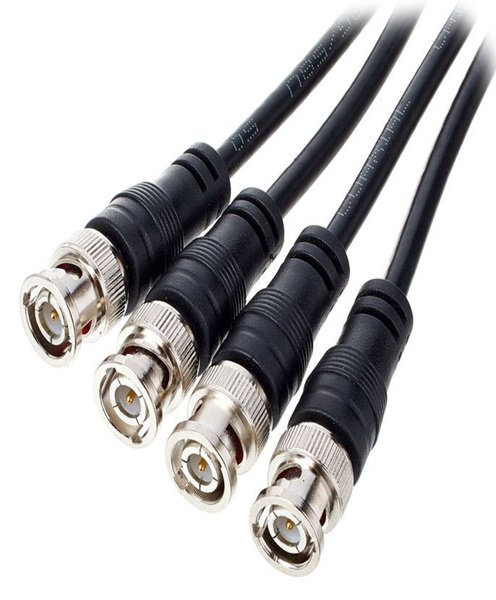
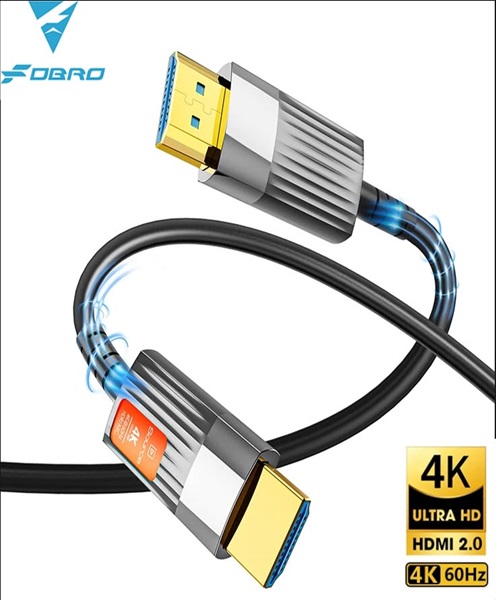
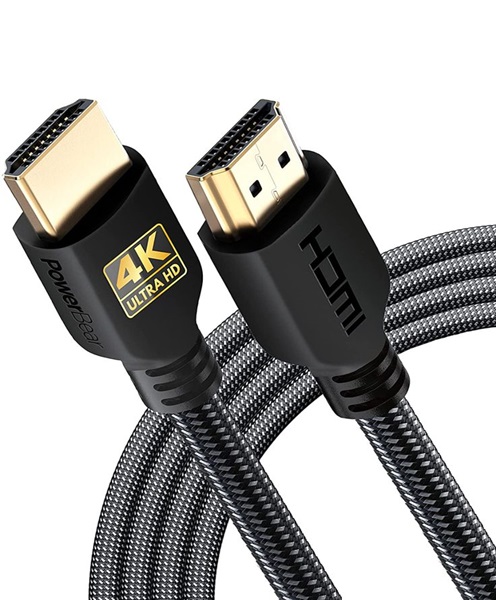
HDMI and SDI cables: These connect compatible cameras to monitors, switchers and other video equipment.
-
Video switchers: These allow multiple camera feeds to be selected during live production.
-
Camera batteries: These support longer recording sessions.
-
Microphones: External microphones capture speech and other audio.
-
Camera lighting: Lighting equipment helps illuminate subjects during recording.
-
Tripod dollies: Compatible dollies can help move certain tripod systems across suitable floors.
All accessories should be checked for compatibility. In particular, the camera plate, tripod head, payload capacity and mounting connection should be confirmed before the production.
Tips for Getting Better Results from a Video Tripod
A video tripod can improve the stability and control of a production, but proper setup and operation are essential.
Set up on a stable surface: Open the tripod legs fully and position the equipment on firm ground. Check that all leg locks are secure before mounting the camera.
Balance the camera: Place the camera on the head according to the manufacturer’s instructions. For sliding plates, adjust the position where appropriate so the camera is properly balanced.
Adjust the fluid head: If the head provides adjustable drag or counterbalance, set it according to the camera weight and the intended movement.
Use smooth movements: Begin and end pans and tilts gently. Avoid sudden movements that could make the footage distracting.
Check the framing: Confirm the camera’s height, viewing angle and subject position before recording.
Avoid exceeding the load capacity: Include all mounted accessories when calculating the camera setup’s total weight.
Plan cable management: HDMI, SDI, microphone and power cables should be routed carefully to prevent snagging or pulling the camera during operation.
Secure the equipment: Never leave a camera mounted on a tripod in a busy area without appropriate supervision. Position the legs safely and keep walkways clear.
Why Choose Janeson Rentals for Video Tripod Hire in Kenya?
Janeson Rentals provides equipment hire and rental solutions for production teams, filmmakers, videographers, photographers, businesses and event organisers in Nairobi and across Kenya.
We understand that video tripod requirements vary according to the camera and production style. A compact mirrorless camera used for interviews may need a different support arrangement from a professional camcorder used for broadcast coverage.
Clients looking for video tripod hire can enquire for filmmaking, livestreaming, conferences, documentaries, studio recordings, corporate videos, interviews and live event coverage.
To help identify suitable equipment, provide the camera model, approximate total weight, required working height and intended type of camera movement. It is also useful to explain whether the tripod will be used indoors, outdoors or in a studio.
This information helps establish whether a particular tripod head, mounting plate and leg configuration will be suitable for the production.
Book Video Tripod Hire and Rental in Nairobi and Across Kenya
A suitable video tripod helps production teams maintain stable footage and achieve controlled camera movements during professional recording.
Whether you are filming a corporate interview, producing a documentary, covering a conference, recording a concert or preparing a livestream, Janeson Rentals offers video tripod hire and rental solutions in Nairobi and across Kenya.
Contact Janeson Rentals to enquire about video tripod rental for your next production. Share your camera specifications and filming requirements so that the appropriate tripod support can be considered for your project.