Voltage Regulator Hire and Rental in Nairobi
Electrical equipment is designed to operate within specified voltage limits. However, the voltage supplied to a building or temporary event installation may fluctuate due to supply conditions, electrical demand, generator performance or other factors.
When the incoming voltage is unstable, connected equipment may experience operating problems or be exposed to conditions outside its recommended input range.
A voltage regulator is designed to maintain or adjust output voltage within a specified range despite changes in the incoming supply.
At Janeson Rentals, we provide event equipment hire and rental solutions for corporate functions, audiovisual productions, conferences, concerts, exhibitions, churches and other events in Nairobi and across Kenya.
Voltage regulator hire may be useful when a technical installation requires a suitable voltage regulation solution for compatible equipment.
Whether you are organizing a live production, setting up a temporary technical workstation or operating audiovisual equipment at an event venue, it is important to consider the stability and capacity of the electrical supply.
What Is a Voltage Regulator?
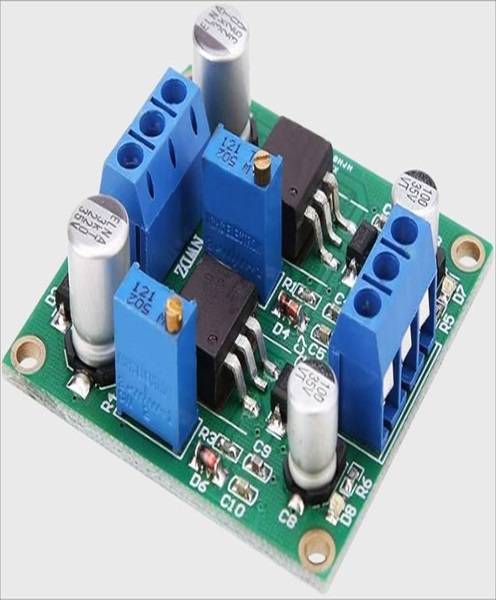
A voltage regulator is an electrical device designed to maintain or control output voltage within a specified range.
It responds to changes in the incoming supply and adjusts its output according to its design and operating limits.
Voltage regulators are used in different environments, including:
- Offices
- Commercial buildings
- Technical workstations
- Audiovisual installations
- Production facilities
- Computer systems
- Laboratories
- Certain industrial applications
- Temporary event installations
Depending on the technology, capacity and design, a voltage regulator may support single-phase or three-phase electrical systems.
Its purpose is to provide a more stable output voltage for compatible connected equipment. It does not automatically provide backup power when the main supply fails.
Why Hire a Voltage Regulator?
Some event organizers and production companies require voltage regulation equipment only for particular installations.
Purchasing a regulator for occasional use may involve unnecessary expense, especially when the equipment is needed for a short-term event or production.
Voltage regulator rental provides access to suitable equipment without requiring a permanent purchase.
Hiring can help:
- Support equipment that requires a stable voltage supply
- Address certain incoming voltage fluctuations
- Provide a suitable temporary regulation solution
- Support audiovisual and technical installations
- Coordinate electrical equipment requirements
- Reduce the need to purchase equipment for one-time events
- Provide flexibility for different production setups
The appropriate regulator must be selected according to the actual supply conditions and the connected load. Hiring a regulator without assessing these requirements may not solve the underlying electrical problem.
Voltage Regulator Hire for Audiovisual Equipment
Audiovisual productions use electronic devices that operate within specified input voltage ranges.
These may include video switchers, monitors, media players, computers, projectors, audio equipment and other production devices.
Where the incoming supply is unstable, an appropriately rated voltage regulator may be considered as part of the electrical arrangement.
It may be relevant for:
- Video production systems
- Presentation equipment
- Projectors
- Production monitors
- Video switchers
- Media playback computers
- Recording systems
- Audiovisual control racks
Before connecting equipment, confirm the voltage regulator’s input range, output voltage, capacity and compatibility with the connected devices.
Voltage Regulators for Sound Systems
Professional sound systems may contain digital mixing consoles, audio processors, amplifiers, wireless microphone receivers and recording equipment.
These devices have different electrical requirements and may be affected by supply conditions outside their specified operating range.
A suitable voltage regulator may help maintain the required output voltage for compatible equipment when the incoming supply fluctuates within the regulator’s operating limits.
It may be useful for selected equipment such as:
- Digital mixing consoles
- Audio processors
- Wireless microphone receivers
- Recording equipment
- Audio interfaces
- Technical control systems
- Other compatible sound equipment
Amplifiers and powered speakers may have substantial power demands, especially during high-output operation. The regulator must be sized for the actual load, including relevant starting and operating characteristics.
A small office-style voltage regulator should never be assumed to support an entire professional sound system.
Voltage Regulator Rental for Conferences
Conferences may use several electronic systems throughout the event.
Presentation computers, projectors, video switchers, monitors, sound equipment and communication systems all require suitable electrical supplies.
A voltage regulator may be considered when the venue’s supply conditions require voltage stabilization for compatible equipment.
It may support:
- Corporate conferences
- Business meetings
- Seminars
- Training sessions
- Product launches
- Award ceremonies
- Hybrid meetings
- Live presentations
The event production team should identify the equipment loads and coordinate with the venue’s electrical personnel before selecting a regulator.
Voltage Regulators for LED Screens and Display Systems
LED screens and large display installations may require carefully planned electrical supplies.
A large video wall can involve several power-consuming components, including LED panels, processors, receiving equipment and control systems.
A voltage regulator may form part of the power arrangement where its specifications are suitable for the connected load and the installation design.
However, the regulator must be selected according to the actual electrical characteristics of the screen system.
Important considerations include:
- Total connected power
- Input voltage requirements
- Current demand
- Starting or inrush characteristics
- Phase configuration
- Supply stability
- Manufacturer recommendations
For large LED installations, a qualified electrical professional should assess the complete supply and distribution arrangement. A voltage regulator should not be selected based on screen size alone.
Voltage Regulator Hire for Churches
Churches may use sound systems, projectors, LED screens, lighting control equipment and recording systems during services and special events.
Where voltage fluctuations are a concern, a suitable regulator may be considered for compatible electronic equipment.
It may be relevant for:
- Church sound control rooms
- Worship production systems
- Live streaming equipment
- Projection systems
- Conference installations
- Recording workstations
- Technical control equipment
Churches organizing large conferences or worship concerts should assess the power requirements of the entire installation rather than connecting all equipment to a single regulator without checking its capacity.
Voltage Regulators for Offices and Technical Workstations
Offices and production workstations may contain computers, monitors, network equipment and other electronic devices.
Voltage regulation can be useful where the incoming supply fluctuates and the connected equipment requires a stable voltage within a specified range.
A regulator may support:
- Desktop computers
- Computer workstations
- Monitors
- Compatible network equipment
- Media playback systems
- Office audiovisual installations
- Technical control stations
The required capacity depends on the combined load and the characteristics of the connected devices.
Types of Voltage Regulators
Voltage regulators use different technologies and are available in different capacities.
Automatic Voltage Regulator (AVR)
An automatic voltage regulator adjusts output voltage automatically when the input changes within its specified operating range.
AVRs are commonly used for electronic equipment and selected electrical installations.
Servo Voltage Regulator
A servo voltage regulator uses a motor-driven adjustment mechanism to control output voltage. It may be used in applications requiring voltage correction across a specified input range.
Its response characteristics and capacity depend on the model.
Relay-Type Voltage Regulator
Relay-type regulators use switching mechanisms to adjust output voltage between defined levels. They are commonly used in selected equipment protection and voltage stabilization applications.
Electronic Voltage Regulator
Electronic regulators use electronic components to control output voltage. Their performance, response and application depend on the design.
Single-Phase Voltage Regulator
A single-phase regulator is designed for compatible single-phase electrical systems.
Three-Phase Voltage Regulator
A three-phase regulator is designed for compatible three-phase installations. Its selection requires careful consideration of phase configuration, load balance and total electrical demand.
The correct type depends on the supply characteristics and the equipment being powered.
How to Choose the Right Voltage Regulator
Before arranging voltage regulator hire, several technical details should be established.
1. Input voltage range
Determine the incoming voltage conditions and confirm that the regulator can operate within the expected input range.
2. Required output voltage
Check the voltage required by the connected equipment and confirm that the regulator provides a compatible output.
3. Total connected load
Calculate the combined power demand of the devices that will be connected.
4. Capacity rating
Regulators may be rated in volt-amperes (VA) or kilovolt-amperes (kVA). The selected capacity must account for the actual load, power factor and equipment characteristics.
5. Single-phase or three-phase supply
Confirm the available supply configuration. A single-phase regulator is not automatically suitable for a three-phase installation.
6. Voltage fluctuation severity
Establish the expected range of incoming voltage changes. The regulator must be able to correct the fluctuations within its operating limits.
7. Response characteristics
Some equipment may require particular voltage regulation response characteristics. Check the manufacturer’s recommendations.
8. Protection features
Confirm whether the regulator includes overvoltage, undervoltage, overload, overtemperature or other protective functions. Features vary between models.
9. Installation environment
Consider ventilation, temperature, dust, moisture and physical protection.
Voltage Regulator and Professional Power Conditioner: What Is the Difference?
A voltage regulator and a professional power conditioner perform different functions, although some advanced products combine them.
A voltage regulator is designed to maintain or adjust output voltage when the incoming supply changes within its operating range.
A professional power conditioner may provide electrical noise filtering, surge suppression, monitoring and other power management functions, depending on the model.
For example, an installation experiencing regular voltage fluctuations may require a voltage regulator. An audio production system experiencing certain forms of electrical interference may benefit from an appropriate power conditioner.
A basic power conditioner should not be assumed to regulate voltage, and a voltage regulator should not automatically be assumed to provide comprehensive surge suppression or noise filtering.
The correct equipment depends on the electrical issue being addressed.
Voltage Regulator and Power Distribution Unit
A voltage regulator is also different from a Power Distribution Unit (PDU).
A voltage regulator controls or adjusts output voltage within its rated operating limits.
A PDU distributes electrical power from an incoming connection to multiple outlets. It does not necessarily regulate voltage.
In some installations, both devices may be used as part of a properly designed electrical system. Their connection order and compatibility must follow the equipment specifications and the installation design.
Voltage Regulators for Generator-Powered Events
Outdoor events and temporary installations may use generators where a suitable permanent electrical supply is unavailable.
Generator output can vary depending on the generator’s condition, loading, control system and operating environment.
A voltage regulator may be considered where the supply conditions and connected equipment require additional voltage stabilization.
However, it is important to distinguish between voltage regulation and generator capacity.
A regulator cannot compensate for an undersized generator, excessive loading, incorrect frequency or other serious supply problems.
Before connecting a regulator to a generator, confirm:
- Generator voltage and phase configuration
- Generator capacity
- Expected operating load
- Regulator input range
- Regulator output requirements
- Frequency compatibility
- Earthing arrangements
- Protective devices
- Manufacturer connection instructions
A qualified electrical professional should assess the complete installation.
Voltage Regulator Rental Packages
Voltage regulator rental can be coordinated with other event and production equipment from Janeson Rentals, depending on the requirements of the installation.
A technical setup may include:
- Power distribution boards
- Power distribution units
- Professional power conditioners
- Generators
- Power extension cables
- Cable ramps
- Audiovisual equipment
- Digital mixing consoles
- LED screens
- Projectors
- Computers and monitors
- Video production systems
The equipment should be selected as a coordinated system. Each component must be compatible with the supply and connected loads.
Electrical Safety When Using a Voltage Regulator
Voltage regulators must be operated according to their ratings and manufacturer instructions.
Important safety considerations include:
- Confirm the incoming supply voltage.
- Check the regulator’s input and output ratings.
- Calculate the total connected load.
- Avoid exceeding the rated capacity.
- Maintain suitable earthing.
- Use correctly rated cables and connectors.
- Keep ventilation openings clear.
- Protect the equipment from moisture.
- Do not bypass protective devices.
- Do not connect incompatible equipment.
- Inspect cables and enclosures before operation.
- Have installations assessed by qualified electrical personnel.
A voltage regulator does not provide backup power during a power failure unless it is specifically part of a system designed to provide that function.
Voltage Regulator Hire in Nairobi
Janeson Rentals provides event equipment hire solutions for clients planning functions and technical installations in Nairobi.
Voltage regulator hire may be relevant for audiovisual productions, conferences, offices, churches, recording environments, exhibitions and temporary event installations.
When requesting a quotation, provide the event date, venue, incoming supply details, equipment list, total expected load and required output voltage.
This information helps establish the appropriate regulator specifications for your application.
Voltage Regulator Rental Across Kenya
Our rental service is based in Nairobi, with delivery arrangements available for clients planning events in other parts of Kenya, subject to location, availability and logistics.
Voltage regulators may be required at hotels, conference centres, offices, churches, exhibition venues, outdoor event locations and temporary production sites.
For events outside Nairobi, early coordination is recommended to allow time for equipment planning and transportation arrangements.
Why Choose Janeson Rentals?
Janeson Rentals provides event equipment hire and rental solutions for different types of functions and technical productions.
Clients can benefit from:
- Access to equipment for temporary installations
- Flexible rental arrangements
- Coordination with related event equipment
- Support for different production requirements
- Nairobi-based rental services
- Delivery arrangements across Kenya, subject to logistics
- Practical equipment planning
Our aim is to help clients identify suitable equipment for their events and coordinate rental requirements.
Frequently Asked Questions About Voltage Regulator Hire
What does a voltage regulator do?
A voltage regulator maintains or adjusts output voltage within a specified range when the incoming electrical supply changes.
Can I hire a voltage regulator for an event?
Yes. Voltage regulator rental may be arranged for compatible event and technical equipment, subject to capacity and electrical requirements.
Is a voltage regulator the same as a power conditioner?
No. A voltage regulator controls output voltage, while a power conditioner may provide filtering, surge suppression and other power management functions. Some advanced units combine these features.
Can a voltage regulator protect equipment from all power problems?
No. It addresses voltage variations within its operating limits. It does not automatically protect against every electrical fault, supply interruption or frequency problem.
How do I determine the correct regulator capacity?
The connected equipment’s power requirements, power factor, operating characteristics and supply configuration must be assessed. A qualified electrical professional should determine the appropriate capacity.
Can I use a voltage regulator with a generator?
It may be possible if the generator and regulator are compatible. The generator’s capacity, voltage, frequency and electrical configuration must be checked.
Does a voltage regulator provide backup power?
No. A standard voltage regulator does not provide battery backup. A UPS or another suitable backup power system is required where continuity during a power failure is necessary.
Can I hire a voltage regulator outside Nairobi?
Delivery arrangements across Kenya may be available depending on location, equipment requirements and logistics.
Hire a Voltage Regulator from Janeson Rentals
A voltage regulator can form an important part of an electrical installation where the incoming supply fluctuates and connected equipment requires a stable output voltage.
From audiovisual productions and conferences to offices, churches, recording systems and temporary event installations, selecting a suitable regulator can help support equipment operating within its specified voltage range.
If you are searching for voltage regulator hire in Nairobi or voltage regulator rental in Kenya, contact Janeson Rentals with your event date, venue, supply details and equipment requirements. We can help coordinate the appropriate rental equipment for your installation, with electrical assessment and installation handled by qualified personnel.