Wireless Audio Recorder Hire and Rental in Kenya
Recording clear audio while allowing speakers, presenters and performers to move freely is an important requirement in modern audiovisual production. Traditional wired recording arrangements can restrict movement, create cable-management challenges and make certain recording environments difficult to manage. Wireless audio recording equipment offers greater flexibility by allowing sound to be transmitted or captured without requiring a direct physical audio cable between the microphone and the recording device.
Janeson Rentals provides wireless audio recorder hire and rental in Kenya for filmmakers, journalists, content creators, event organisers, broadcasters, corporate communication teams and production companies. Whether you are recording an interview, filming a presentation, producing a documentary, creating social media content or managing a corporate event, wireless audio equipment can help simplify your recording arrangement.
Wireless audio recording systems vary in design. Some combine a wireless microphone transmitter and receiver with onboard recording, while others transmit audio wirelessly to a separate recorder, camera or computer. Understanding this difference is important when choosing the right equipment for your project.
Hiring a wireless audio recorder allows you to access suitable recording equipment for a specific production without committing to the full cost of purchasing a system.
What Is a Wireless Audio Recorder?
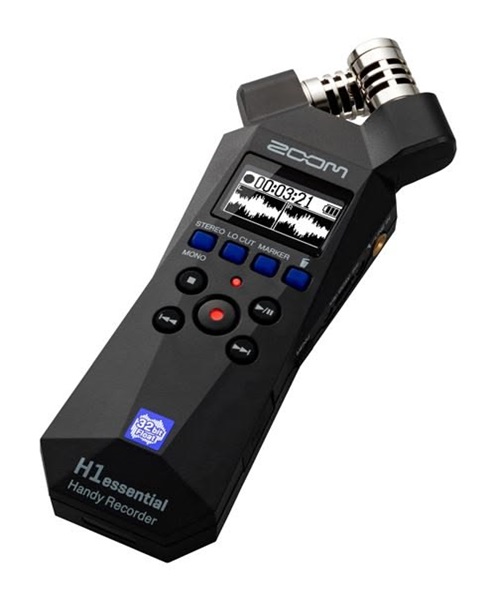
A wireless audio recorder is a recording solution that uses wireless technology to capture or transfer audio without relying entirely on a direct cable connection between the microphone and recording device.
Depending on the system, audio may be captured directly by a microphone transmitter with onboard storage or transmitted wirelessly to a receiver connected to a recording device.
This makes wireless recording particularly useful when the person speaking needs to move freely or when running cables would be inconvenient.
A typical wireless recording arrangement may include:
-
A wireless microphone transmitter.
-
A compatible wireless receiver.
-
A microphone, which may be built into the transmitter or connected externally.
-
Onboard recording storage, where supported.
-
A camera, recorder or computer for receiving audio.
-
Headphones for monitoring.
-
Charging accessories or batteries, depending on the system.
Not every wireless microphone system includes onboard recording. Some systems only transmit audio to a separate device. When hiring, it is therefore important to confirm whether the required setup needs independent recording, wireless transmission or both.
Why Hire a Wireless Audio Recorder?
Wireless audio recorder rental offers several advantages for projects that require mobility, flexibility and convenient sound capture.
1. Greater Freedom of Movement
Wireless systems allow presenters, interviewees and performers to move around without being physically connected to the recording device by a long microphone cable.
This is useful for walking interviews, presentations, demonstrations, documentaries and event coverage.
2. Reduced Cable Clutter
Large recording setups can involve several cables connecting microphones, cameras, mixers and recording devices.
Wireless equipment can reduce the number of physical audio connections required in suitable setups, helping production teams organise their working environment.
3. Convenient for Mobile Productions
Journalists, filmmakers and content creators often work in changing environments.
A wireless audio recorder or microphone system can provide a more flexible option when moving between locations or recording people who cannot remain close to a fixed microphone.
4. Useful for Video Production
When recording video, wireless microphone systems can provide audio to a camera or separate recorder while the presenter remains free to move.
Systems with onboard recording may also provide a separate audio file, depending on the model.
5. Cost-Effective Access to Recording Equipment
Professional wireless audio equipment can be expensive. Hiring provides access for specific projects without requiring permanent ownership.
Applications of Wireless Audio Recorder Rental in Kenya
Film and Video Production
Wireless audio recording equipment is useful when filming presenters, actors, interviewees and performers who need to move around during a scene.
A wireless microphone can be attached to clothing or positioned appropriately, while its transmitter sends audio to a compatible receiver or records internally if the system supports that function.
This is useful for corporate videos, advertisements, short films, documentaries and promotional content.
Interviews and Journalism
Journalists and media teams often conduct interviews in offices, outdoor locations, public spaces and event venues.
Wireless microphone systems can make it easier to record interviews without having a cable running between the interviewee and the recording device.
A system with onboard recording can be particularly useful when a separate audio copy is required.
Podcast Production
Some podcast productions take place outside conventional studios. Creators may record conversations at conferences, exhibitions, offices or outdoor locations.
Wireless microphone systems can support interviews and discussions where participants are positioned at a distance from the main recording device.
For multi-person podcasts, confirm the number of transmitters supported and whether separate audio tracks are available.
Corporate Presentations and Training
Presenters frequently move around while delivering training sessions, demonstrations and business presentations.
Wireless recording equipment can capture their speech while allowing them to move naturally.
It may also be used to record training videos, instructional content and internal communication materials.
Conferences and Seminars
Wireless microphones are widely used in conference environments where speakers may move between presentation areas.
A compatible wireless recording arrangement can capture audio for documentation, editing or future distribution.
For large conferences, check the microphone system’s channel capacity, receiver outputs and the venue’s existing sound setup.
Social Media and Digital Content Creation
Content creators may need to record interviews, product demonstrations, lifestyle videos and promotional clips in different locations.
Wireless recording equipment can make mobile production more manageable, particularly when recording speech while filming with a camera or smartphone.
Outdoor Productions
Outdoor environments often require mobile recording equipment.
Wireless systems can help production teams record presenters and interviewees without running long microphone cables across the location.
However, wireless performance can be affected by distance, obstacles, interference and local radio-frequency conditions.
Important Features to Consider When Hiring a Wireless Audio Recorder
Onboard Recording
One of the first things to establish is whether the system records audio internally.
Some transmitters include onboard recording, allowing audio to be stored directly on the transmitter. Other systems only send audio to a receiver.
If independent backup files are important, confirm that the selected equipment supports onboard recording and check its storage capacity.
Wireless Transmission Range
Wireless range determines how far the transmitter can operate from its receiver under suitable conditions.
Actual performance depends on the environment, obstacles, interference and antenna arrangement.
A system used in an open outdoor space may perform differently from one used inside a crowded conference venue.
Number of Transmitters
Consider how many people need to be recorded simultaneously.
A single-person interview may require one transmitter, while a two-person discussion may need two compatible transmitters and a receiver capable of handling both.
Audio Quality
Different systems support different audio resolutions and recording formats.
Choose equipment based on the project’s intended use, editing workflow and delivery requirements.
Battery Life
Wireless recording equipment depends on battery power for its transmitters and receivers.
Check the expected operating time and prepare charging arrangements or spare batteries for longer sessions.
Monitoring Options
Headphone monitoring is important for checking the quality of incoming audio.
Some wireless systems offer monitoring through the receiver or connected recording device. Others may provide additional monitoring options.
Confirm the available arrangement before the production begins.
Connectivity
Wireless receivers may provide different output connections, depending on the model.
These could include compatible camera audio outputs or professional audio connections. Make sure the receiver can connect to the intended recorder, camera or other device.
Frequency Management
Wireless systems operate on radio frequencies, and interference can affect performance.
For productions involving several wireless microphones, check frequency coordination and the operating environment before the event.
Wireless Audio Recorder vs Traditional Wired Audio Recorder
A traditional wired audio recorder receives sound through direct cable connections or built-in microphones. A wireless recording system allows audio to be transmitted or captured without a continuous cable connection between the microphone and the recording device.
Both approaches have advantages.
Wired systems are useful when equipment can remain in fixed positions and a direct cable connection is practical. They can also avoid some of the radio-frequency challenges associated with wireless transmission.
Wireless systems are particularly valuable when speakers need to move freely or when cables would interfere with filming or event operations.
For critical productions, a combination of wired and wireless recording may provide greater flexibility.
Using Wireless Audio Recording Equipment with Other Devices
Wireless audio recording equipment is often used alongside other audiovisual equipment.
Depending on the project, complementary equipment may include:
-
Wireless lavalier microphones.
-
Wireless handheld microphones.
-
Shotgun microphones.
-
Professional audio recorders.
-
Cameras and video cameras.
-
Audio mixers.
-
Audio interfaces.
-
Headphones for monitoring.
-
Microphone accessories.
-
Camera mounting accessories.
-
Lighting equipment.
-
Laptops for audio editing and file management.
For video production, the team should confirm whether the wireless receiver connects directly to the camera or whether audio needs to be routed through a separate recorder.
If the system records internally, the audio files may need to be synchronised with the video during post-production.
Why Choose Janeson Rentals for Wireless Audio Recorder Hire?
Janeson Rentals provides equipment hire solutions for event organisers, production companies, media professionals, businesses and creative individuals.
Our wireless audio recorder rental service is suitable for temporary projects that require flexible recording arrangements.
Flexible Rental for Different Productions
Whether you are recording a short interview, a corporate presentation, a documentary or a multi-day production, hiring allows you to arrange equipment around the project.
Nairobi-Based Equipment Hire
Janeson Rentals is based in Nairobi and supports clients organising productions and events within the city.
Service Across Kenya
Our rental service also supports clients across Kenya, helping production teams plan equipment requirements for different locations.
Complementary Audiovisual Equipment
Wireless recording is often part of a wider production setup. Janeson Rentals supports additional audiovisual equipment requirements, helping clients plan microphones, cameras, lighting and other related equipment.
Tips for Getting the Best Results from Wireless Audio Recording
Before starting a production, test the wireless system in the actual recording environment.
Check the connection between the transmitter and receiver, confirm the selected microphone is working and monitor the incoming audio through headphones.
Keep the transmitter and receiver within a suitable operating range and avoid unnecessary physical obstructions.
For important interviews, check that onboard recording is enabled if the system supports it. Confirm the storage capacity and recording format before the session.
Make sure batteries are sufficiently charged and prepare a backup recording arrangement where the project requires additional reliability.
For multiple wireless systems, coordinate frequencies and test all microphones together before the event begins.
Book a Wireless Audio Recorder from Janeson Rentals
If you are planning an interview, film shoot, podcast, corporate presentation, conference or outdoor production, Janeson Rentals can help you arrange wireless audio recorder hire in Kenya.
Contact Janeson Rentals to discuss the number of people you need to record, whether onboard recording is required and the type of recording equipment suitable for your project.
From Nairobi to projects across Kenya, our rental solutions can help you organise the audio equipment needed for your production.