Introduction
Successful event production depends on effective communication between the people responsible for planning, coordinating and delivering the programme. At a concert, conference, wedding, exhibition or live broadcast, several teams may be working in different locations simultaneously. Stage managers, sound engineers, lighting technicians, camera operators, production coordinators and backstage personnel must remain connected to ensure that activities happen at the right time.
Without a reliable communication system, important instructions can be delayed or misunderstood. Mobile phones and ordinary walkie-talkies may not always provide the communication experience required for coordinated professional productions.
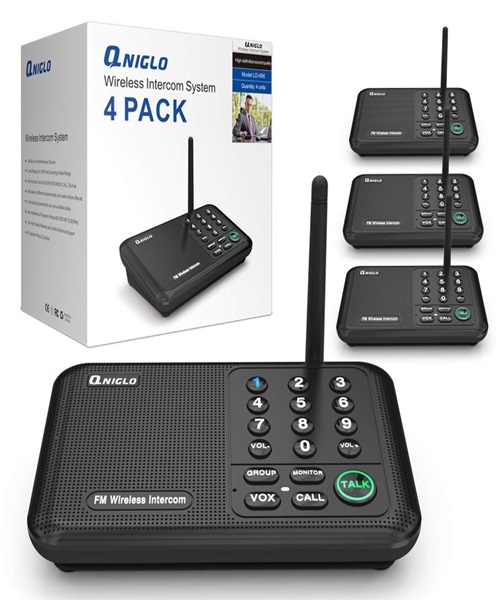
A wireless intercom system provides a dedicated communication solution that allows authorised team members to communicate with one another using compatible wireless communication equipment.
Janeson Rentals offers Wireless Intercom System Hire and Rental in Kenya for event organisers, production companies, broadcasters, audiovisual technicians and businesses that require coordinated crew communication.
Whether you are managing a live concert in Nairobi, coordinating a corporate conference, directing a television production or organising a large wedding, wireless intercom equipment can help keep your production team connected.
Hiring a wireless intercom system from Janeson Rentals provides a convenient option for temporary events and productions that need professional communication equipment without purchasing a complete system.
What Is a Wireless Intercom System?
A wireless intercom system is a communication solution that allows multiple users to exchange voice messages without relying on a direct wired connection between every user and the communication network.
Depending on the design, the system may use a wireless base station, beltpack transceivers, headsets, antennas and other supporting components.
Some wireless intercom systems use dedicated radio frequencies, while others operate using digital wireless technologies or network-based communication.
The system allows team members to communicate while moving around a venue, subject to the equipment’s range, signal conditions and system configuration.
A professional wireless intercom setup may include:
-
Wireless base station or master station.
-
Wireless beltpacks.
-
Single-ear or double-ear headsets.
-
Microphone boom headsets.
-
Wireless antennas.
-
Charging stations.
-
Batteries and power accessories.
-
Antenna distribution equipment where required.
-
Remote communication or network integration components on compatible systems.
The exact equipment configuration depends on the number of users, communication requirements, venue size and technology used by the system.
How Does a Wireless Intercom System Work?
A wireless intercom system transmits voice communication between compatible user devices through a wireless communication link.
In a typical production setup, a central base station or communication hub coordinates communication between users. Team members wear headsets connected to wireless beltpacks or integrated wireless intercom units.
When one user speaks into the headset microphone, their voice is transmitted through the system and delivered to other authorised users or communication groups.
Depending on the system, communication may be:
-
Full-duplex, allowing users to speak and listen simultaneously.
-
Half-duplex, requiring users to take turns speaking.
-
Group-based, allowing selected users to communicate within assigned channels.
-
Point-to-point, supporting communication between designated stations.
Professional systems may support multiple channels, user groups and communication settings. The available functions vary by manufacturer and model.
Why Hire a Wireless Intercom System?
Event production environments often require communication between people who are not physically close to one another. A wireless intercom system helps address this challenge.
1. Freedom of Movement
Wireless communication allows team members to move around the venue while remaining connected to the production team.
This is particularly useful for stage managers, camera operators, roaming production coordinators and technical supervisors.
2. Faster Production Coordination
Live events involve activities that must happen in a specific sequence. Wireless intercom communication helps teams share instructions quickly.
For example, a stage manager can coordinate with lighting and sound operators before a performer enters the stage.
3. Reduced Dependence on Communication Cables
A wireless system reduces the need to run individual communication cables between every user and the communication station.
This can simplify communication arrangements in large venues and temporary production environments.
4. Dedicated Crew Communication
Unlike ordinary mobile phone calls, professional intercom systems are designed around production communication workflows.
They can support designated channels and communication groups, depending on the system.
5. Better Team Coordination
When technical departments can communicate directly, they can coordinate rehearsals, transitions, camera movements, stage changes and other production activities more effectively.
6. Practical for Temporary Productions
Hiring allows event organisers to access professional wireless communication equipment for the duration of a production without investing in a permanent system.
Applications of Wireless Intercom System Rental in Kenya
Janeson Rentals provides event and production equipment hire solutions for different event environments. Wireless intercom systems can support communication in several applications.
Concerts and Live Music Events
Concert productions involve multiple departments working together, including stage management, lighting, sound, backstage coordination and security.
A wireless intercom system allows authorised team members to communicate while moving around the venue.
Stage managers can coordinate performer entrances, lighting cues, stage changes and production transitions.
Corporate Conferences
Corporate conferences may involve presenters, stage managers, audiovisual technicians, registration teams and programme coordinators.
Wireless intercom equipment can help coordinate speaker movements, presentation transitions and technical cues.
Weddings and Private Events
Large weddings often involve several service providers, including event coordinators, photographers, videographers, sound technicians, decorators and venue staff.
Wireless communication can help authorised production personnel coordinate important programme activities, such as entrances, speeches and entertainment transitions.
Television and Film Production
Film and television productions depend on communication between directors, camera operators, production assistants and technical personnel.
Wireless intercom systems can help coordinate camera movements, recording activities and production instructions, particularly where crew members are spread across a filming location.
Live Streaming and Broadcasting
Live broadcasts require precise coordination between production control rooms, camera operators, audio technicians and other crew members.
A wireless intercom system can support communication between these teams during live transmission.
Exhibitions and Trade Shows
Exhibitions may involve multiple stands, registration areas, technical support teams and event coordinators.
Wireless communication can help supervisors coordinate activities and respond to operational requirements across the venue.
Outdoor Events and Festivals
Outdoor festivals and public events often cover large areas. Wireless intercom equipment can provide communication between selected team members, subject to the system’s range and radio-frequency conditions.
Types of Wireless Intercom Systems
Different wireless intercom technologies are available for professional communication applications.
Digital Wireless Intercom System
Digital wireless intercom systems transmit communication using digital wireless technology.
Depending on the model, they may offer multiple communication channels, configurable user groups and advanced audio management features.
Radio-Based Wireless Intercom
Some professional intercom systems use dedicated radio communication technologies to connect wireless users.
Their operating range and performance depend on the system design, antenna configuration, frequency allocation and surrounding environment.
Full-Duplex Wireless Intercom
Full-duplex systems allow users to speak and listen simultaneously, creating a more natural conversation experience.
This is useful in production environments where continuous communication is required.
Multi-Channel Wireless Intercom
Multi-channel systems allow communication to be organised into different groups.
For example, a production may have separate communication channels for stage management, camera operations and technical departments.
Wireless Beltpack Intercom
A wireless beltpack is a portable communication device worn by a user. It typically connects to a headset and provides access to the system’s communication functions.
Wireless Headset Intercom
Some systems use integrated headset designs that combine the microphone, listening equipment and wireless communication electronics into one unit.
These can provide a convenient communication arrangement for production crew members.
Wireless Intercom System vs Walkie-Talkie
Although both products support wireless communication, they are designed for different communication workflows.
A walkie-talkie is a portable two-way radio commonly used for operational communication. Many traditional models use push-to-talk communication, meaning users press a button before speaking.
A wireless intercom system is designed for coordinated communication between production personnel. Professional models may support full-duplex conversations, multiple communication groups and dedicated headset operation.
Wireless intercom systems are particularly useful when production teams need continuous hands-free communication.
Walkie-talkies may be suitable for general coordination, security and logistical communication, while intercom systems are often preferred for technical production workflows requiring more structured communication.
Wireless Intercom System vs Wired Intercom System
A wireless intercom system allows users to communicate without running a physical communication cable to every individual station.
A wired intercom system connects communication stations through physical cables.
Wireless systems offer greater mobility and can simplify temporary installations, while wired systems provide a dedicated physical communication connection.
The choice depends on the venue, production layout, number of users, required mobility and installation conditions.
Important Factors When Choosing a Wireless Intercom System
Selecting the correct wireless intercom system requires an understanding of the production environment and communication requirements.
Number of Users
Consider how many people need to communicate simultaneously. The system must support the required number of wireless users.
Communication Range
The required range depends on the size and layout of the venue.
Large buildings, concrete structures, metal surfaces and other obstacles can affect wireless signal performance.
Number of Communication Channels
If different production departments require separate communication groups, select a system that supports the necessary channels.
Full-Duplex or Half-Duplex Operation
Determine whether users need to speak and listen simultaneously or whether push-to-talk communication is sufficient.
Headset Comfort
Production personnel may wear headsets for several hours. Comfort, weight, microphone positioning and audio clarity are important considerations.
Battery Life
Wireless devices depend on batteries. Confirm that the operating duration is sufficient for the event and that spare batteries or charging arrangements are available where required.
Frequency Compatibility
Wireless systems operate within specific frequency bands. Their use must comply with applicable radio-frequency regulations and local requirements.
Interference Management
Other wireless equipment operating at the venue may affect communication performance. A proper frequency coordination process can help reduce interference risks.
Venue Size and Antenna Requirements
Some systems require additional antennas or strategically positioned base stations to achieve reliable coverage.
The setup should be assessed according to the venue and expected user movements.
Safety and Operational Considerations
A wireless intercom system should be configured and tested before the event begins.
Important considerations include:
-
Test communication coverage throughout the venue.
-
Confirm that all beltpacks and headsets are compatible.
-
Charge wireless devices before deployment.
-
Prepare spare batteries where necessary.
-
Assign communication channels clearly.
-
Check radio-frequency settings and local compliance requirements.
-
Position antennas according to the manufacturer’s instructions.
-
Avoid placing antennas where they are likely to be obstructed.
-
Test microphone levels and headset volume.
-
Provide users with basic operating instructions.
-
Keep spare communication equipment available where operationally necessary.
For critical live productions, communication should be tested during rehearsals so that technical teams can identify coverage or interference problems before the audience arrives.
Why Choose Janeson Rentals for Wireless Intercom System Hire?
Janeson Rentals provides equipment hire solutions for event organisers, production companies, corporate clients and audiovisual teams across Kenya.
Equipment for Professional Event Production
Events require communication between different departments. Janeson Rentals supports clients sourcing technical equipment for coordinated production environments.
Convenient Rental Arrangements
Wireless intercom rental provides temporary access to professional communication equipment for events and productions without requiring permanent ownership.
Nairobi-Based Equipment Hire
Janeson Rentals is based in Nairobi and supports clients planning events and productions within the city.
Delivery Across Kenya
Clients organising events outside Nairobi can enquire about delivery arrangements across Kenya, depending on the location and equipment requirements.
Support for Different Event Environments
Whether you are coordinating a concert, conference, wedding, broadcast or exhibition, Janeson Rentals can assist with equipment hire enquiries.
How to Book Wireless Intercom System Hire and Rental in Kenya
To arrange wireless intercom rental with Janeson Rentals, provide information about the event and the communication setup required.
Share the following details:
-
Event type: Explain whether the equipment is required for a concert, conference, wedding, broadcast or film production.
-
Number of users: Specify how many crew members need communication devices.
-
Communication requirements: Explain whether users need full-duplex communication or separate channels.
-
Venue details: Provide the location and approximate size of the production area.
-
Hire period: Confirm the required dates and duration.
This information helps determine the suitable wireless intercom configuration for your project.
Book Wireless Intercom System Hire and Rental with Janeson Rentals
A wireless intercom system helps event and production teams communicate while moving around a venue. It supports coordination between stage managers, sound engineers, lighting technicians, camera operators and other authorised crew members.
If you are looking for Wireless Intercom System Hire and Rental in Kenya, contact Janeson Rentals to discuss your requirements. Whether you are organising a concert, conference, wedding, exhibition or live production, Janeson Rentals can assist with equipment hire enquiries in Nairobi and delivery arrangements across Kenya.