Introduction to Wireless Interpretation Receiver Hire and Rental in Kenya
Successful multilingual events depend on clear communication between speakers, interpreters and delegates. When participants speak different languages, organisers need an effective way to distribute translated presentations and discussions without interrupting the programme. Wireless interpretation receivers are important components of professional simultaneous interpretation setups because they allow attendees to listen to translated audio without being connected to the interpretation system by individual cables.
International conferences, corporate meetings, diplomatic functions, academic seminars, government forums and multinational workshops often bring together participants from different linguistic backgrounds. Providing interpretation makes these events more accessible and helps delegates participate in discussions, presentations and networking activities.
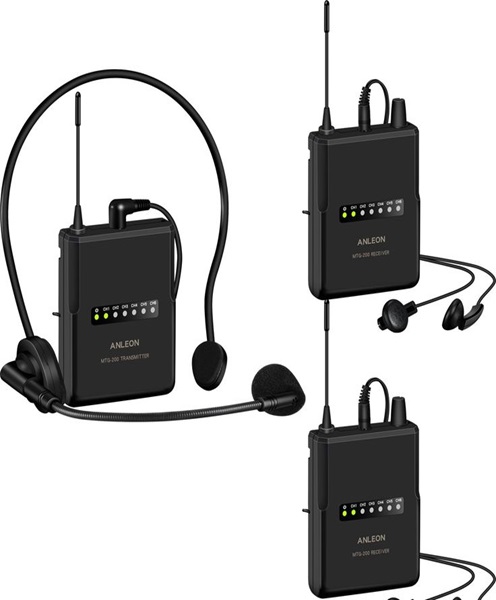
A wireless interpretation receiver is a portable listening device that receives an audio signal transmitted by a compatible interpretation system. The delegate uses the receiver to select an available language channel and listen through connected headphones or an earpiece.
Janeson Rentals offers wireless interpretation receiver hire and rental in Kenya for event organisers, conference planners, institutions, production companies and businesses. Hiring these devices provides access to specialist interpretation equipment for the event period without requiring organisers to purchase and maintain their own inventory.
Whether you are arranging a small multilingual meeting in Nairobi or a large international conference with several language channels, selecting compatible wireless receivers is an important part of the technical planning process.
What Is a Wireless Interpretation Receiver?
A wireless interpretation receiver is a portable electronic device designed to receive translated audio transmitted by an interpretation system. It allows delegates to listen to the language channel they require through a compatible listening accessory.
During simultaneous interpretation, an interpreter listens to the original speaker and translates the message into another language while the event continues. The interpretation audio is routed into a transmission system, which distributes the available language channels to receivers used by delegates.
Each attendee can use a receiver to access the appropriate translated audio. Depending on the model, the receiver may have physical buttons, a channel selector, a small display, volume controls and a headphone connection.
Wireless interpretation receivers are used in professional conference environments where individual listening access is required. They are especially useful when delegates are seated across a large room or need to move between different areas of an event venue.
The receiver does not perform the translation itself. It receives the audio produced by the interpreter and transmitted through the compatible interpretation equipment.
How a Wireless Interpretation Receiver Works
A wireless interpretation receiver operates as part of a complete interpretation system. The process involves capturing the original speech, translating it, transmitting the interpretation and allowing delegates to listen.
1. Original Audio Is Captured
The speaker uses a microphone connected to the conference sound system. The microphone captures the speech and sends it to the audio processing and interpretation arrangement.
2. The Interpreter Receives the Source Audio
The original speaker’s audio is routed to the interpreter’s workstation or console. The interpreter listens through a compatible interpreter headset and translates the speech into the required language.
3. Interpretation Audio Is Sent to the Transmitter
The interpreter’s microphone sends the translated speech to the interpretation transmitter or associated distribution equipment.
4. The Wireless Signal Is Distributed
The transmitter sends the audio through the supported wireless transmission method. Depending on the system, this may use infrared, radio-frequency or digital wireless technology.
5. Delegates Receive the Signal
Attendees use compatible wireless interpretation receivers to access the transmitted language channels.
6. Delegates Select Their Preferred Language
The receiver allows the user to select an available interpretation channel and adjust the listening volume.
7. Audio Is Delivered Through Headphones
The translated speech is heard through connected headphones or an earpiece, allowing delegates to follow the presentation in their selected language.
The exact operating process depends on the transmitter and receiver models. The two devices must be compatible in terms of transmission technology, frequency or channel configuration and other relevant technical specifications.
Why Hire Wireless Interpretation Receivers from Janeson Rentals?
Purchasing wireless interpretation receivers may not be practical for organisations that only host multilingual events occasionally. Hiring provides access to the required equipment for a specific conference or programme without creating a long-term ownership commitment.
Janeson Rentals supports event organisers looking for wireless interpretation receiver rental in Nairobi and across Kenya.
Cost-Effective Access to Professional Equipment
Wireless interpretation receivers are specialist devices used in conference and multilingual event environments. Hiring allows organisers to obtain the required number of units without purchasing equipment that may remain unused after the event.
This is useful for:
-
International conferences.
-
Diplomatic meetings.
-
Corporate seminars.
-
Multilingual workshops.
-
Academic forums.
-
Government functions.
-
International religious gatherings.
-
Business networking events.
Suitable for Different Delegate Numbers
The number of receivers required depends on how many attendees need translated audio. An event with 300 registered participants may require fewer than 300 receivers if some delegates understand the original presentation language.
Organisers should establish the expected number of users, identify the languages required and consider spare units for operational flexibility.
Flexible Language Channel Access
Wireless receivers can allow delegates to select from multiple interpretation channels when used with a system configured to support those languages.
This is particularly valuable for international events where attendees may speak several different languages.
Easier Delegate Movement
Because the devices receive audio wirelessly, delegates do not need individual audio cables running from a central interpretation system to their seats. They can listen while seated and, where the system’s coverage permits, move around designated areas of the venue.
Coordination with Other Interpretation Equipment
A receiver must be compatible with the transmission system. Janeson Rentals can discuss wireless interpretation receiver hire alongside other components required for multilingual events, subject to availability and technical compatibility.
Related equipment may include:
-
Simultaneous interpretation systems.
-
Interpretation transmitters.
-
Interpreter consoles.
-
Interpreter headsets.
-
Delegate receivers.
-
Conference microphones.
-
Audio mixers.
-
Public address systems.
-
Audio distribution equipment.
Types of Wireless Interpretation Receivers
Wireless interpretation equipment uses different transmission technologies. Understanding these options helps event organisers select a suitable receiver.
Infrared Interpretation Receivers
Infrared receivers capture audio transmitted using infrared light. They are commonly used in controlled indoor interpretation environments.
The infrared signal generally requires suitable transmitter positioning and an appropriate line-of-sight or room coverage arrangement. Physical obstructions and room layout can affect reception.
Infrared systems are often considered for conferences where controlled distribution within a venue is important. The technical team must plan transmitter placement according to the venue and system specifications.
Radio-Frequency Interpretation Receivers
Radio-frequency receivers capture audio transmitted over compatible radio frequencies. They may be suitable for event environments where delegates need wireless listening access across a wider area.
Performance depends on the system, frequency configuration, venue conditions and possible sources of interference. Equipment must be configured and operated in accordance with applicable frequency requirements.
Digital Wireless Interpretation Receivers
Digital wireless receivers work with compatible digital interpretation systems. Depending on the equipment, they may provide channel selection, status information and other operational features.
The transmitter and receiver must support the same system or protocol. A digital receiver should never be assumed to work with every interpretation transmitter.
Important Features to Consider When Hiring Wireless Interpretation Receivers
The correct receiver depends on the interpretation system, venue and number of delegates.
Transmission Compatibility
This is one of the most important considerations. An infrared receiver cannot automatically receive a radio-frequency transmission, and devices from different digital systems may not communicate with each other.
Before hiring, confirm the transmitter’s make, model and transmission technology.
Available Language Channels
The receiver must support the channels required for the event. Organisers should confirm the number of interpretation languages and the channel allocation plan.
Reception Quality
The receiver should provide clear and stable audio throughout the intended listening area. Reception testing should take place in the actual venue before delegates arrive.
Battery Performance
Receivers need sufficient battery capacity for the planned programme. Confirm charging arrangements, battery condition and the availability of spare units or batteries.
Channel Selection Controls
Delegates should be able to select their preferred language without difficulty. Simple controls and clear channel identification can make equipment easier to use, particularly for large international audiences.
Headphone Compatibility
The listening accessory must match the receiver’s audio output. Connector type and other technical details should be confirmed before the event.
Portability and User Comfort
A receiver should be practical to carry and operate. Its design should allow delegates to use the device comfortably throughout conference sessions.
Wireless Interpretation Receiver Versus Delegate Receiver
Wireless interpretation receiver and delegate receiver are closely related terms.
A delegate receiver describes the role of the device: it is issued to an attendee so that the person can listen to an interpretation channel. Wireless interpretation receiver emphasises how the device receives the audio.
In many conference setups, the two descriptions may refer to the same physical equipment. However, not every wireless audio receiver is designed for simultaneous interpretation. A general-purpose wireless audio receiver may lack the language-channel selection and system compatibility required for professional interpretation.
For this reason, organisers should specify that they need interpretation-compatible receivers rather than simply requesting generic wireless headphones or audio receivers.
Events That Require Wireless Interpretation Receiver Hire
International Conferences
Large international conferences may include keynote presentations, panel discussions, workshops and question-and-answer sessions. Wireless receivers allow delegates to listen to interpretation without interrupting the speaker.
Diplomatic and Government Meetings
Diplomatic functions and government forums may require interpretation for participants from different language backgrounds. Wireless receivers support individual listening access.
Corporate Meetings
Multinational organisations may host executives, employees, investors and business partners who require language support during meetings and presentations.
Academic Seminars
Universities and research institutions can use interpretation equipment for international lectures, academic conferences and research discussions.
Training Programmes
Technical workshops and professional development sessions may involve participants who need translated explanations and demonstrations.
Religious Conferences
International religious gatherings may include speakers and participants from different countries. Wireless interpretation receivers can help attendees follow the programme in supported languages.
Planning the Number of Wireless Interpretation Receivers
The number of receivers required should be based on the actual interpretation needs of the event.
Consider:
-
Total expected attendance.
-
Number of delegates who need interpretation.
-
Number of available language channels.
-
Whether attendees will use individual receivers.
-
Whether some delegates may need to change channels during the programme.
-
Spare equipment requirements.
-
Charging and battery management arrangements.
A registration list that identifies delegates’ preferred languages can help organisers estimate quantities more accurately.
For larger conferences, a dedicated receiver distribution desk can make collection and return easier. Staff should understand the basic controls and be able to guide delegates to the correct channel.
Venue Coverage and Wireless Reception Planning
Wireless interpretation performance depends on more than the receiver itself. The venue, transmitter position, building materials, signal conditions and system configuration can all affect reception.
For infrared systems, the technical team should assess transmitter placement, room coverage and possible obstructions. For radio-frequency systems, the team should check signal coverage and potential interference while complying with applicable frequency rules.
A venue test should be conducted before the event, particularly when the conference uses several rooms or has a large seating area. If delegates will move between spaces, the technical team should confirm whether additional transmitters or separate coverage arrangements are required.
Technical Testing Before the Event
Before distributing receivers, the technical team should test the entire interpretation signal path.
A suitable checklist includes:
-
Confirm the receiver and transmitter are compatible.
-
Check that the required language channels are available.
-
Charge the receivers or prepare the correct batteries.
-
Test each receiver with the actual transmitter.
-
Confirm reception in different parts of the venue.
-
Check audio clarity and volume adjustment.
-
Test all supplied headphones or earpieces.
-
Confirm channel labels and delegate instructions.
-
Prepare spare receivers where necessary.
-
Establish a process for distributing and collecting devices.
Testing should include the actual interpreters and audio sources where possible. This helps identify problems before the conference begins.
Wireless Interpretation Receiver Hire in Nairobi and Across Kenya
Nairobi hosts a wide range of international conferences, corporate forums, diplomatic meetings, academic seminars and institutional events. These programmes may require professional interpretation equipment to ensure that attendees can follow presentations in their preferred languages.
Janeson Rentals provides wireless interpretation receiver hire and rental for event organisers in Nairobi. Enquiries can also be made for events in other parts of Kenya, subject to equipment availability and delivery arrangements.
When requesting a quotation, provide the event location, date, expected number of delegates requiring interpretation, number of languages and details of the existing interpretation system, if available.
Why Choose Janeson Rentals for Wireless Interpretation Receiver Rental?
Janeson Rentals helps organisers plan equipment requirements for professional events, conferences and corporate functions. Wireless interpretation receiver hire can be coordinated with related conference audio and interpretation equipment, depending on the event’s technical needs.
Planning these components together helps organisers avoid treating receivers as standalone devices when they depend on compatible transmitters and distribution equipment.
When contacting Janeson Rentals, explain whether you already have an interpretation transmitter or require a more complete setup. Sharing the make and model of existing equipment helps the technical team assess compatibility before the rental is confirmed.
Book Wireless Interpretation Receiver Hire in Kenya
Are you organising an international conference, multilingual meeting, diplomatic function, corporate seminar or training programme? Janeson Rentals can assist with wireless interpretation receiver hire and rental in Kenya.
Contact Janeson Rentals with your event date, venue, expected number of users and language requirements. Confirming the transmission technology and receiver compatibility in advance helps ensure that delegates can access the correct interpretation channels throughout the programme.
Choose Janeson Rentals for wireless interpretation receiver rental in Nairobi and