Introduction
Wireless microphone systems have become an essential part of professional event sound production. They allow speakers, performers, presenters and entertainers to communicate freely without being restricted by microphone cables. From corporate conferences and weddings to concerts, church services and exhibitions, wireless microphones provide flexibility and convenience for different event environments.
One of the most important components of a wireless microphone system is the wireless microphone transmitter. This device sends the audio signal captured by a microphone wirelessly to a compatible receiver connected to the sound system.
Whether you are organising a conference with multiple speakers, a concert featuring several performers or a corporate presentation requiring mobile presenters, having the right wireless microphone transmitter is essential for a functional audio setup.
Janeson Rentals provides event equipment hire and rental solutions in Nairobi, Kenya. If you need a wireless microphone transmitter for an upcoming event, production or temporary project, you can enquire about suitable equipment and related audio accessories.
What Is a Wireless Microphone Transmitter?
A wireless microphone transmitter is an electronic component that sends an audio signal from a microphone to a compatible wireless microphone receiver using radio-frequency technology.
In a typical wireless microphone system, the microphone captures sound and the transmitter converts the audio into a signal that can be transmitted wirelessly. A compatible receiver then receives and processes the signal before passing the audio to a mixing console, audio interface or another sound system.
Wireless microphone transmitters are available in different configurations. Some are built into handheld microphones, while others are separate bodypack units connected to lavalier or headset microphones.
The transmitter and receiver must be compatible. They generally need to belong to the same wireless system or an explicitly compatible product family and operate within supported frequency and configuration requirements.
How Does a Wireless Microphone Transmitter Work?
Understanding how a wireless microphone transmitter works helps event organisers select the right equipment.
1. Capturing Audio
The microphone captures the voice or sound produced by the speaker, singer, presenter or performer.
2. Sending the Audio Signal to the Transmitter
Depending on the microphone design, the transmitter may be integrated into a handheld microphone or connected through a cable to a separate bodypack unit.
3. Wireless Signal Transmission
The transmitter converts the audio into a radio-frequency signal and sends it to a compatible receiver.
4. Receiving the Signal
The wireless microphone receiver detects and processes the transmitted signal.
5. Connecting to the Sound System
The receiver provides an audio output that can be connected to a mixing console or another compatible audio device. The audio can then be processed and amplified through the event sound system.
The quality and reliability of the connection depend on the wireless system, frequency coordination, antenna arrangement, operating environment, battery condition and other technical factors.
Why Hire a Wireless Microphone Transmitter in Kenya?
Hiring a wireless microphone transmitter is a practical option for event organisers and production teams that require wireless audio equipment for temporary use.
1. Freedom of Movement
One of the main benefits of wireless microphone technology is the ability to move around without being connected to the sound system through a long microphone cable.
This is particularly useful for keynote speakers, masters of ceremonies, singers, trainers and performers who need to move around a stage or presentation area.
2. Suitable for Different Event Formats
Wireless microphone transmitters can support various event formats, including panel discussions, interviews, live performances, presentations and audience participation sessions.
The appropriate transmitter depends on the microphone type and wireless system configuration.
3. Reduced Cable Clutter
Wireless systems can reduce the number of microphone cables running across stages, presentation areas and event floors. This helps create a more organised setup, although power, audio and other equipment cables may still be required.
4. Support for Multiple Speakers
Events involving several speakers may require multiple wireless microphone transmitters and compatible receivers. This allows different participants to use separate microphone channels.
The number of transmitters required should be established before the event to support proper frequency planning.
5. Convenient for Temporary Productions
Purchasing wireless microphone equipment may not be necessary for organisations that only need it occasionally. Hiring allows event organisers to access the equipment for a specific event or project.
6. Professional Presentation
Wireless microphones help presenters and performers communicate while maintaining flexibility on stage. They are useful for events where participants need to interact with the audience or move between different presentation areas.
Types of Wireless Microphone Transmitters
Different transmitters are designed for different microphone applications.
1. Handheld Wireless Microphone Transmitter
A handheld wireless microphone transmitter is integrated into a handheld microphone. The microphone captures the speaker’s voice while the transmitter sends the signal to a compatible receiver.
It is commonly used for:
- Corporate presentations.
- Wedding speeches.
- Concert performances.
- Church services.
- Interviews.
- Master of ceremonies duties.
- Audience question-and-answer sessions.
Handheld transmitters are popular because they are easy to pass between speakers and performers.
2. Bodypack Wireless Microphone Transmitter
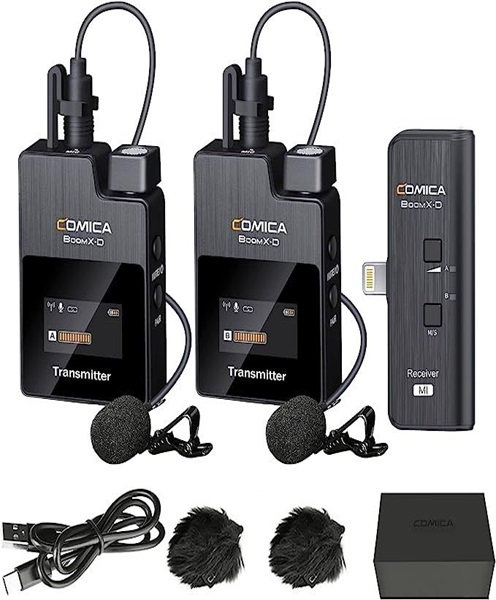
A bodypack transmitter is a compact unit worn on a belt, waistband or another suitable position. It connects to a compatible lavalier or headset microphone through an input connector.
Bodypack transmitters are useful when speakers need to keep their hands free.
Common applications include corporate presentations, television production, stage performances, training sessions and religious events.
3. Lavalier Microphone Transmitter
A lavalier microphone is a small microphone attached to clothing, usually around the chest or collar area. In many wireless systems, it connects to a bodypack transmitter.
This arrangement is useful for interviews, presentations, video production and panel discussions where a discreet microphone is preferred.
4. Headset Microphone Transmitter
A headset microphone is worn around the head, positioning the microphone near the speaker’s mouth. It is commonly connected to a compatible bodypack transmitter.
Headset systems are suitable for fitness instructors, performers, presenters, trainers and worship leaders who need to move while speaking.
5. Instrument Wireless Transmitter
Some wireless transmitter systems are designed for musical instruments. These may connect to compatible instrument microphones, pickups or other audio sources.
They are useful for musicians and performers who need freedom of movement during live performances.
Instrument transmitters should not be assumed to be interchangeable with standard vocal microphone transmitters.
Events That Require Wireless Microphone Transmitters
Wireless microphone transmitters are useful across many event categories.
Corporate conferences and seminars: Presenters, keynote speakers and moderators can move around the stage while addressing attendees. Wireless microphone systems also support audience participation when properly configured.
Weddings and private functions: Wedding ceremonies and receptions may require wireless microphones for officiants, masters of ceremonies, speeches and entertainment.
Concerts and live music events: Singers and performers may use handheld wireless microphone transmitters to move freely on stage.
Church services and religious events: Wireless transmitters support preaching, worship leading, announcements and special performances.
Product launches: Presenters can use wireless microphones during product demonstrations, interviews and launch presentations.
Exhibitions and trade shows: Wireless systems can support demonstrations, announcements and discussions at exhibition stands.
Training sessions: Trainers and facilitators can move around the room while addressing participants.
Media and video production: Bodypack transmitters paired with lavalier microphones are useful for interviews, documentaries and field recording.
What to Consider Before Hiring a Wireless Microphone Transmitter
Selecting a transmitter requires careful attention to compatibility and the technical requirements of the event.
1. Compatibility with the Receiver
The transmitter must work with the receiver being used. Wireless microphone systems from different manufacturers or product families may use different transmission technologies and frequency configurations.
Always confirm the make and model of the existing receiver before hiring a transmitter separately.
2. Transmitter Type
Establish whether you need a handheld transmitter, bodypack transmitter or another specialised configuration.
For example, a presenter who needs free hands may prefer a lavalier or headset microphone connected to a bodypack transmitter. A master of ceremonies may prefer a handheld wireless microphone.
3. Operating Frequency
Wireless microphone transmitters operate within designated radio-frequency ranges. Frequency availability and regulatory requirements can vary by location.
For productions using multiple wireless systems, frequency coordination is important to reduce interference.
4. Battery Requirements
Wireless transmitters require power, usually from batteries or a rechargeable battery system, depending on the model.
Check the battery type, expected operating duration and charging requirements before the event. It is also advisable to plan for replacement or backup power where appropriate.
5. Microphone Input Compatibility
Bodypack transmitters may use different microphone connectors and input configurations. Ensure that the lavalier, headset or instrument microphone is compatible with the transmitter.
6. Operating Range
The effective wireless range depends on the system design, antenna placement, venue layout, obstructions and radio-frequency conditions. The transmitter should be suitable for the intended event environment.
7. Number of Simultaneous Transmitters
If several speakers or performers will use wireless microphones at the same time, the sound team should plan the required number of transmitters and compatible receiver channels.
8. Event Environment
Outdoor events, large halls and venues with extensive electronic equipment may present additional wireless challenges. Proper equipment placement and frequency coordination can help improve system reliability.
Wireless Microphone Transmitter Hire for Corporate Events
Corporate conferences and business events often require speakers to move around while presenting. A wireless microphone transmitter allows a presenter to address the audience without being restricted by a microphone cable.
For panel discussions, several wireless microphone systems may be required. Each transmitter should be paired with a compatible receiver and coordinated to avoid frequency conflicts.
Janeson Rentals can be contacted for enquiries about wireless microphone equipment for conferences, seminars, training sessions, product launches and corporate functions.
Wireless Microphone Transmitter Hire for Concerts and Live Performances
Live performances often require performers to move around the stage. Wireless handheld microphones provide flexibility for singers, entertainers and masters of ceremonies.
A concert production may require several wireless channels, receiver units, antennas, mixing consoles and PA speakers.
The sound team should establish the number of performers, microphone types and wireless channels before selecting the transmitters. This helps ensure that the equipment arrangement is appropriate for the performance.
Related Equipment for a Complete Wireless Microphone Setup
A wireless microphone transmitter works as part of a wider audio system. Depending on your event, you may also require:
- Wireless microphone receivers.
- Wireless handheld microphones.
- Wireless lavalier microphones.
- Wireless headset microphones.
- Microphone stands and holders.
- Antenna distribution systems.
- Microphone racks.
- XLR cables.
- Digital mixing consoles.
- Analogue mixing consoles.
- PA speakers and subwoofers.
- Stage monitors.
- Audio distribution equipment.
All equipment should be checked for compatibility before the event. This is especially important when combining transmitters, receivers and microphones from different wireless systems.
Wireless Microphone Transmitter Hire from Janeson Rentals
Janeson Rentals provides event equipment hire and rental solutions in Nairobi, Kenya, supporting event organisers, businesses, institutions and production teams.
If you are planning a conference, concert, wedding, church service, exhibition or corporate function, you can enquire about wireless microphone transmitter hire to support your sound requirements.
When requesting a quotation, provide your event date, venue, microphone requirements, number of wireless channels and any existing transmitter or receiver details.
If you already own a wireless microphone receiver, share its make and model so that compatibility can be assessed before arranging a separate transmitter rental.
Janeson Rentals also supports enquiries for related audio equipment, subject to availability. Delivery arrangements across Kenya can be discussed depending on the destination, equipment requirements and logistics.
Why Choose Janeson Rentals?
Event equipment hire and rental solutions: Janeson Rentals supports customers looking for equipment for different events and production requirements.
Nairobi-based service: Customers organising events in Nairobi can enquire about wireless microphone transmitter hire and other sound equipment.
Support for different event categories: Equipment requirements can be discussed for conferences, weddings, concerts, exhibitions, church functions and corporate events.
Complementary audio equipment: You can enquire about related microphones, receivers, antenna systems, mixers, speakers and audio accessories.
Equipment planning: Sharing your technical requirements helps establish the appropriate equipment configuration for your event.
Frequently Asked Questions About Wireless Microphone Transmitter Rental
What is the function of a wireless microphone transmitter?
A wireless microphone transmitter sends the audio signal captured by a microphone to a compatible wireless receiver using radio-frequency technology.
Can I hire a transmitter without a receiver?
You can enquire about hiring a transmitter separately. However, it must be compatible with the receiver you intend to use.
What is the difference between a handheld transmitter and a bodypack transmitter?
A handheld transmitter is integrated into a handheld microphone. A bodypack transmitter is a separate unit worn on the body and commonly connected to a lavalier or headset microphone.
Can one transmitter work with multiple receivers?
This depends on the wireless system. Do not assume that one transmitter can operate with multiple receivers simultaneously unless the manufacturer supports that configuration.
How many wireless microphone transmitters do I need for an event?
The number depends on how many people need to use microphones simultaneously and the event programme. A conference with several panellists may require more transmitters than a single-presenter seminar.
How do I book wireless microphone transmitter hire?
Contact Janeson Rentals with your event date, venue, transmitter type, number of units and receiver compatibility information.
Book Wireless Microphone Transmitter Hire and Rental in Nairobi, Kenya
Are you organising an event that requires flexible and professional wireless audio equipment? A suitable wireless microphone transmitter can help speakers, performers and presenters communicate without being restricted by microphone cables.
Contact Janeson Rentals to enquire about wireless microphone transmitter hire and rental in Nairobi, Kenya. Share your event details, required quantities and technical specifications to help identify a suitable wireless audio arrangement.
For event equipment hire and rental solutions in Nairobi and across Kenya, get in touch with Janeson Rentals and prepare your next event with the right sound equipment.