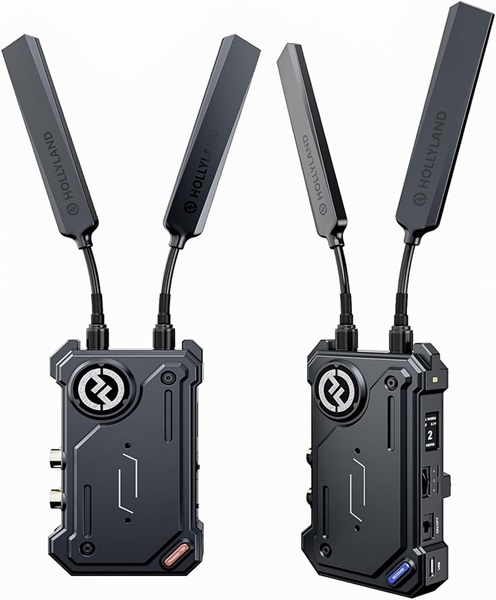
Wireless Video Transmission Hire and Rental in Kenya – Professional Cable-Free Video Production
Modern video production often requires camera operators, directors, focus pullers, producers and technical teams to monitor the same live camera feed from different locations. During a film shoot, for example, the camera operator may be moving through a scene while the director watches the footage from a separate monitoring station. At a live conference, cameras may be positioned around the venue while the production team monitors their feeds from a central control area.
Running physical video cables between every camera and monitoring position can restrict movement and make production layouts more complicated. Wireless video transmission provides a practical alternative by sending video signals from a camera or source device to compatible receivers without requiring a continuous physical video cable between the transmitting and receiving locations.
At Janeson Rentals, we provide professional audiovisual equipment hire and rental solutions for filming, broadcasting, corporate events, conferences, live streaming and video production in Kenya. Our wireless video transmission hire service is suitable for production teams that require flexible camera monitoring and cable-free video connectivity.
Whether you are filming a commercial in Nairobi, recording a corporate event, producing a concert, managing a multi-camera livestream or coordinating a film set, wireless video transmission can help improve communication and monitoring between different production departments.
If you are searching for wireless video transmission hire in Kenya, wireless video transmission rental in Nairobi, or a professional wireless camera monitoring system, Janeson Rentals can help you plan your equipment requirements.
What Is Wireless Video Transmission?
Wireless video transmission is the process of sending a video signal from a source device to a receiving device using a wireless communication link rather than a direct physical video cable.
A professional wireless video transmission system commonly consists of:
- A camera or video source.
- A wireless video transmitter.
- A compatible wireless receiver.
- A monitor, video switcher, recorder or other receiving device.
- Power supplies or compatible batteries.
- Antennas and any required mounting accessories.
The transmitter connects to the camera or video source through a supported interface such as HDMI or SDI. It then sends the video signal wirelessly to the paired receiver.
The receiver captures the signal and provides a compatible video output for connected equipment.
Some professional systems support one transmitter and one receiver, while others allow a single transmitter to send a feed to multiple receivers. More advanced systems may include additional monitoring, camera control, metadata or recording features.
The exact capabilities depend on the selected equipment.
How Does a Wireless Video Transmission System Work?
A wireless video transmission system works by transferring a camera’s video signal over a wireless link.
The process generally involves four stages.
1. Video input: The camera sends its video output to the transmitter through a compatible HDMI or SDI connection.
2. Signal processing: The transmitter prepares the incoming video for wireless transmission. Depending on the system, this may involve encoding, modulation or other signal processing.
3. Wireless transmission: The transmitter sends the signal through its supported wireless frequency and communication technology.
4. Signal reception: The paired receiver captures the transmission and provides a video output for a connected monitor, switcher, recorder or other compatible device.
This allows the camera and monitoring equipment to operate from different positions without requiring a direct video cable between them.
Some systems are designed for very low-latency monitoring, while others prioritise range, multiple receivers or different transmission capabilities. It is important to select a system based on the production’s actual requirements rather than relying on advertised range alone.
Why Hire a Wireless Video Transmission System from Janeson Rentals?
Professional wireless video equipment can be expensive, especially when a production requires multiple transmitters, receivers, antennas and monitoring accessories.
For temporary projects, hiring can provide a more practical solution than purchasing the complete system.
Janeson Rentals offers audiovisual equipment hire solutions for clients organising filming projects, corporate events, conferences, broadcasts and live productions in Nairobi and across Kenya.
Benefits of wireless video transmission rental include:
Greater camera mobility: Camera operators can move around a production area without being restricted by a long video cable connecting the camera to a monitoring position.
Flexible monitoring: Directors, producers, focus pullers and other crew members can receive compatible camera feeds at their respective positions.
Improved production coordination: Wireless feeds can help different departments follow camera activity and review footage during filming.
Reduced cable clutter: A wireless link can reduce the need for long video cables across certain production areas.
Temporary equipment access: Hiring provides access to professional transmission equipment for a specific project or event.
Coordinated production setup: You can arrange wireless video transmission alongside cameras, monitors, camera rigs, gimbals, video switchers and recording equipment.
Applications of Wireless Video Transmission Rental in Kenya
1. Film and Television Production
Film and television crews often need directors and production staff to monitor camera footage while a scene is being recorded.
A wireless video transmitter can be mounted on or connected to the camera, allowing the camera feed to be sent to a receiver near the director’s monitor.
This is useful for:
- Feature film production.
- Television programmes.
- Commercial filming.
- Music videos.
- Documentary production.
- Short films.
- Interviews.
- Behind-the-scenes recording.
The director can monitor the camera feed without standing directly beside the camera operator.
2. Video Village and Director Monitoring
Video village is a designated area on a film or television set where directors, producers and other crew members review camera footage.
A wireless video transmission system can send camera feeds to monitors positioned in video village.
This helps the production team review framing, camera movement and scene coverage while the camera operator remains free to move around the set.
Depending on the system, multiple receivers may allow different departments to monitor the same camera feed.
3. Gimbal and Steadicam Operations
Camera operators using gimbals and stabilised rigs often move continuously during a shot.
A physical video cable connecting the moving camera to a fixed monitoring position can become restrictive or create cable-management challenges.
Wireless video transmission allows the camera feed to be sent to a monitor carried by another crew member or positioned at a separate monitoring station.
This is useful for moving shots, event coverage, music videos, commercial filming and creative productions.
4. Live Streaming and Webcasting
Live streaming productions may use several cameras positioned around a venue.
A wireless video system can transmit a camera feed to a compatible receiving point where the signal can be monitored or routed into a production workflow.
This can be useful for:
- Corporate livestreams.
- Conferences and seminars.
- Church services.
- Product launches.
- Panel discussions.
- Live interviews.
- Hybrid events.
- Concerts and entertainment programmes.
The receiving equipment must support the required video format and connection.
5. Corporate Events and Conferences
Corporate events often involve cameras positioned at different points in a venue to capture speakers, panel discussions and audience interactions.
Wireless video transmission can help send selected camera feeds to a monitoring or production position.
This can be particularly useful when camera movement is required or when physical cable routes are inconvenient.
6. Concerts and Live Entertainment
Concert productions may involve roaming cameras, stage cameras and handheld camera operators.
Wireless video transmission can help deliver camera feeds to a production control area or monitoring position.
It is useful for concerts, festivals, award ceremonies, live performances and large entertainment events.
The system must be selected with the venue’s wireless environment in mind because crowded events can contain multiple competing wireless signals.
7. Sports and Outdoor Productions
Sports coverage often requires camera operators to move around a field, court or stadium.
A wireless video transmission system can send live camera feeds to a receiver at a production or monitoring position.
This can support sporting events, outdoor broadcasts, tournaments and other productions where camera mobility is important.
8. Interviews and Documentary Production
Documentary crews and interview teams may work in locations where running long video cables is inconvenient.
Wireless transmission can allow a camera operator to send a feed to a director or monitoring station while filming in a flexible location.
This can be useful for corporate interviews, news gathering, documentaries and location-based video production.
Important Features to Consider When Hiring a Wireless Video Transmission System
Wireless video systems differ in their supported formats, range, latency, receiver capacity and wireless technology. Before arranging a rental, consider the following requirements.
HDMI and SDI Compatibility
Professional cameras may provide HDMI or SDI video outputs.
The transmitter must support the connection available on the camera, while the receiver must provide an output compatible with the monitoring or production equipment.
Some systems support both HDMI and SDI, while others support only one connection type.
Video Resolution and Frame Rate
The system should support the resolution and frame rate required by the camera and receiving equipment.
Common production formats include HD, Full HD and, on compatible systems, 4K video.
The transmitter, receiver, camera and monitor must all support the intended format.
Transmission Range
Range determines how far the transmitter can operate from the receiver under specified conditions.
Manufacturers often publish line-of-sight range figures. Actual performance can be affected by walls, people, metal structures, antenna placement, interference and the layout of the venue.
For a production inside a conference hall or studio, the practical range may differ from an open outdoor environment.
Choose equipment based on the actual shooting location rather than assuming that the maximum advertised distance will always be achievable.
Latency
Latency is the time delay between the camera producing a video frame and that frame appearing at the receiving monitor.
This is particularly important when a focus puller, camera operator or director needs to respond to movement in real time.
Some professional systems are designed for very low latency, while other systems introduce more delay because of their transmission and encoding methods.
For critical focus pulling or live camera operation, confirm the complete system’s latency specifications.
Wireless Frequency and Interference
Wireless video systems operate on supported radio-frequency bands. The available frequencies and permitted operating conditions depend on the equipment and local regulations.
Busy event venues may contain Wi-Fi networks, wireless microphones, communication equipment and other radio-frequency devices.
A system with channel selection or frequency scanning may help operators identify a suitable channel, but the wireless environment should still be assessed before production begins.
Number of Receivers
Some systems support one transmitter and one receiver, while others allow multiple receivers to access the same camera feed.
Multiple receivers can be useful when the director, focus puller, producer and client all need to monitor the same camera output.
Confirm the supported receiver configuration before hiring.
Battery and Power Requirements
Wireless transmitters and receivers may use batteries, external power supplies or camera-compatible power connections.
For mobile camera operations, battery compatibility and operating time are important.
For long production days, plan spare batteries and charging arrangements.
Antenna Configuration
Antennas influence wireless signal performance. Their placement and orientation can affect transmission reliability.
Follow the equipment manufacturer’s installation guidance and avoid obstructing antennas with metal objects or other equipment.
Audio and Additional Data
Some wireless systems support embedded audio transmission, camera metadata, timecode or camera control functions.
These features vary by model. Confirm whether your production requires video only or additional data and audio functionality.
Wireless Video Transmission vs Wireless Video Transmitter
A wireless video transmitter is an individual device that sends a video signal wirelessly from a camera or source.
Wireless video transmission refers to the broader process and system used to send that signal to a receiving location.
A complete wireless video transmission setup normally requires a compatible transmitter and receiver, together with suitable power, antennas and video connections.
The transmitter alone does not provide a complete receiving and monitoring arrangement.
Wireless Video Transmission vs Wireless Video Transmission Kit
A wireless video transmission kit is generally a packaged set of components intended to work together, commonly including a transmitter and receiver.
Wireless video transmission is the broader product category describing the complete wireless video workflow and its applications.
A kit may be sufficient for a straightforward camera-to-monitor connection. A larger production may require additional receivers, antennas, mounting accessories and multiple compatible transmission links.
Wireless Video Transmission vs Fiber Video Transmission
Wireless video transmission uses radio-frequency communication to send a video signal between a transmitter and receiver.
Fibre video transmission uses optical fibre cable to transport the signal as light.
Wireless transmission is particularly useful when cameras need to move freely or when running a cable is inconvenient. Fibre transmission is useful when a planned physical cable route is available and long-distance connectivity is required.
The choice depends on the production layout, mobility requirements, signal quality, latency, transmission distance and available infrastructure.
Some productions use both technologies in the same workflow.
Related Equipment to Hire Alongside Wireless Video Transmission
Wireless video transmission often works as part of a complete camera and production setup. Depending on your project, you may also need:
- Wireless video transmitter: For sending the camera feed to a receiving point.
- Wireless video receiver: For receiving and outputting the transmitted video.
- Video transmission kit: For a packaged transmitter-and-receiver arrangement.
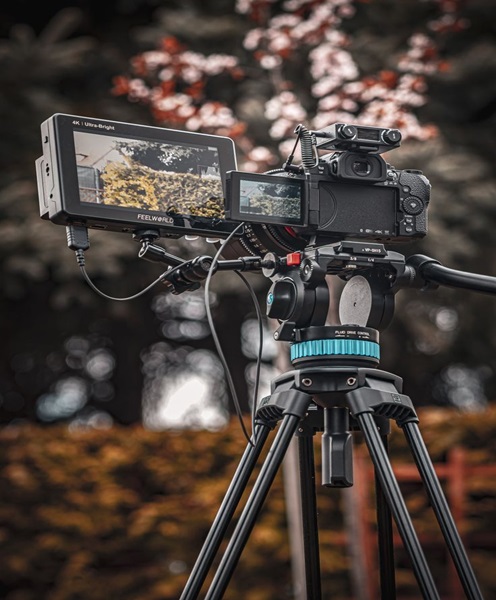
- Camera monitor: For viewing camera output during filming.
- Field monitor: For camera-side monitoring.
- Director monitor: For reviewing camera feeds during production.
- Client monitor: For showing live footage to clients and stakeholders.
- Confidence monitor: For displaying selected video feeds during presentations or production.
- Camera rig: For mounting camera accessories and supporting production setups.
- Gimbal: For stabilised moving camera shots.
- Camera slider: For controlled camera movement.
- Video switcher: For switching between multiple camera feeds.
- Video capture card: For connecting compatible video feeds to a computer.
- Streaming encoder: For preparing video feeds for online transmission.
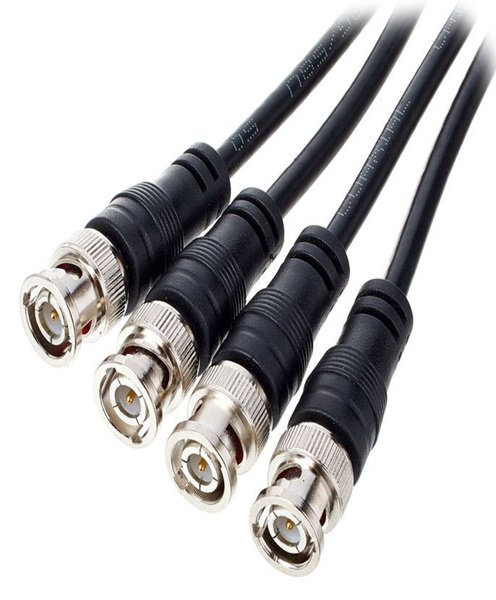
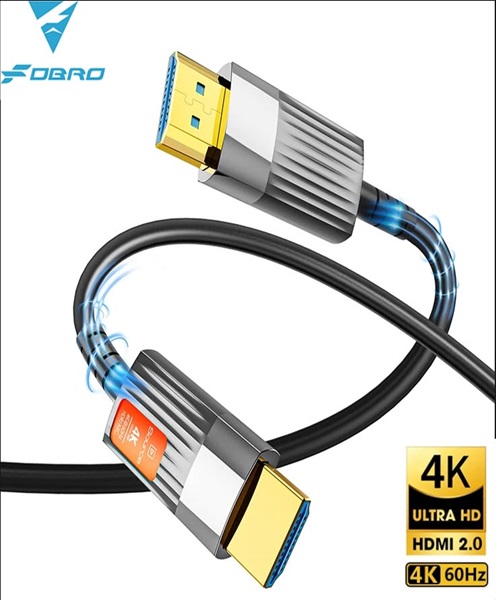
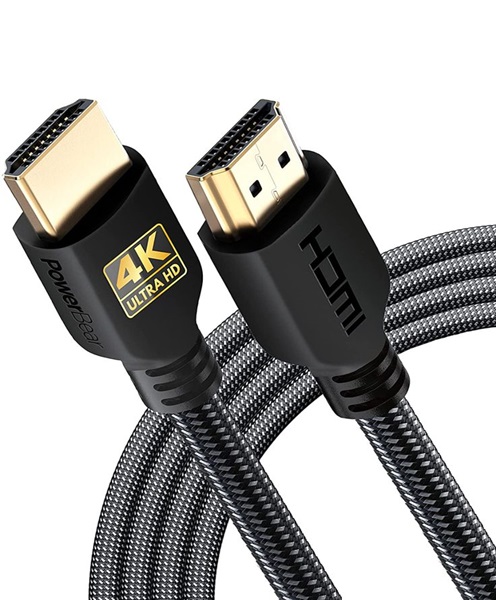
- SDI and HDMI cables: For connecting compatible equipment at the camera and receiving ends.
Wireless Video Transmission Hire in Nairobi and Across Kenya
Janeson Rentals is based in Nairobi and provides event and audiovisual equipment hire solutions for clients across Kenya.
Our wireless video transmission rental service is suitable for production companies, filmmakers, broadcasters, event organisers, corporate clients, churches and technical teams that require flexible camera monitoring.
When requesting a quotation, provide the following details:
- Camera make and model or available video output.
- Whether the camera uses HDMI or SDI.
- Required video resolution and frame rate.
- Approximate distance between the camera and receiver.
- Whether the camera will be stationary or moving.
- Number of monitors or receivers required.
- Whether low-latency monitoring is essential.
- Event date and production location.
These details help identify the appropriate wireless system and supporting accessories.
Why Choose Janeson Rentals?
Janeson Rentals supports clients who need professional audiovisual and production equipment for temporary projects in Kenya.
Clients choose Janeson Rentals for:
Professional production equipment: We support filming, broadcasting, conferences, livestreaming and corporate events.
Flexible rental arrangements: Hiring provides access to specialist equipment without the need to purchase a complete wireless system.
Related camera and AV equipment: You can coordinate wireless transmission with cameras, monitors, gimbals, video switchers and recording equipment.
Kenya-focused service: Based in Nairobi, Janeson Rentals serves clients organising productions and events across Kenya.
Equipment planning: Sharing your camera specifications and monitoring requirements helps establish a suitable transmission setup.
Book Wireless Video Transmission Hire and Rental in Kenya Today
Wireless video transmission is an important part of modern video production, allowing camera feeds to reach directors, focus pullers, producers, monitors and production systems without requiring a direct video cable between the transmitting and receiving locations.
Whether you are filming a commercial, producing a documentary, organising a corporate livestream, covering a concert or coordinating a multi-camera event, a suitable wireless video transmission system can make your production more flexible.
Janeson Rentals provides wireless video transmission hire and rental solutions for clients in Nairobi and across Kenya.
Contact Janeson Rentals today to enquire about wireless video transmission equipment for your next project. Share your camera connection, required range, number of receivers and production location so that the right equipment can be planned.
Choose Janeson Rentals for professional audiovisual equipment hire and enjoy greater flexibility in your next video production.