Wireless Walkie-Talkie Hire and Rental in Kenya
Communication is one of the most important parts of organising a successful event or managing a team across a large working area. When staff members are positioned at different entrances, stages, registration points, backstage areas and operational zones, they need a practical way to exchange information.
Wireless walkie-talkies provide a convenient solution by allowing users to communicate through two-way radio devices without depending on individual mobile phone calls.
Janeson Rentals offers wireless walkie-talkie hire and rental solutions in Kenya for event organisers, security companies, production teams, logistics coordinators, corporate organisations and other businesses requiring temporary communication equipment.
Whether you are managing a concert in Nairobi, coordinating a conference, supervising an exhibition, organising a sporting event or handling outdoor logistics, walkie-talkies can help your team stay connected.
What Is a Wireless Walkie-Talkie?
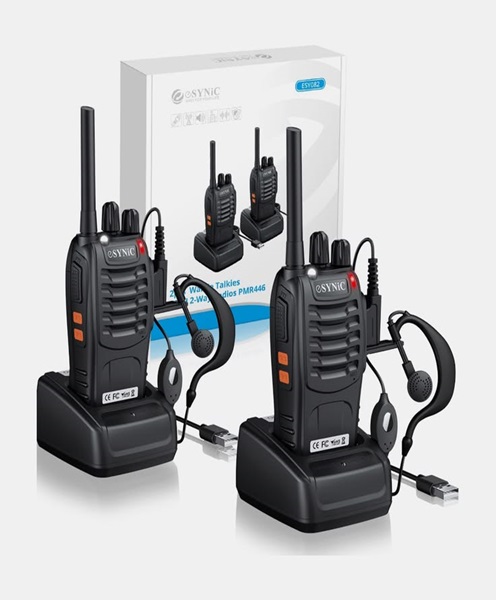
A wireless walkie-talkie is a portable two-way radio that allows users to transmit and receive voice communication using radio frequencies.
Unlike a conventional mobile phone call, a typical walkie-talkie allows users to communicate by pressing a push-to-talk button and speaking into the device. Other compatible radios operating on the same configured channel may receive the transmission, subject to the system’s design and settings.
Walkie-talkies are commonly used by security officers, event supervisors, stage managers, ushers, logistics personnel, facility managers and technical teams.
Their portable design makes them useful in environments where workers need to move between different operational areas.
How Wireless Walkie-Talkies Work
A walkie-talkie contains a radio transmitter and receiver. When the user presses the push-to-talk button, the device transmits a voice signal over its configured radio frequency.
Other compatible radios tuned to the appropriate channel can receive the message.
A basic walkie-talkie arrangement may include:
-
Two or more compatible radio handsets.
-
Rechargeable batteries.
-
Charging units or multi-unit chargers.
-
Antennas appropriate to the device.
-
Belt clips or carrying accessories.
-
Earpieces or headsets where supported.
Some models provide additional functions such as channel scanning, adjustable volume, keypad controls, display screens and hands-free accessories.
The exact features depend on the model being hired.
It is important to understand that radio communication range is not guaranteed by a manufacturer’s advertised maximum distance. Actual performance can be affected by buildings, walls, terrain, antenna position, interference, weather and radio regulations.
Why Hire Wireless Walkie-Talkies?
Walkie-talkie rental is a practical choice for events and projects that require temporary communication equipment.
Quick Team Communication
Walkie-talkies allow staff to communicate directly without having to dial individual phone numbers.
This is useful when supervisors need to relay instructions to several team members during an event.
Better Event Coordination
An event may have different operational teams working simultaneously. Security, registration, technical production, logistics and guest services may all need to communicate.
Walkie-talkies help these teams exchange operational updates through configured channels.
Mobility Around the Venue
Portable radios allow users to communicate while moving around a venue, subject to coverage and radio system limitations.
This is useful for large event grounds, outdoor activations, exhibitions and multi-room conferences.
Useful During Busy Periods
During guest arrival, programme transitions, crowd movement and event breakdown, teams may need to coordinate several activities at once.
Two-way radios provide a practical communication option when frequent phone calls would be inconvenient.
Cost-Effective for Temporary Events
Buying radios for a single event may not be economical. Wireless walkie-talkie hire allows organisers to access communication equipment for the duration of a project without purchasing a complete fleet.
Applications of Wireless Walkie-Talkie Rental in Kenya
Event Security and Crowd Management
Security teams often work across entrances, exits, parking areas, restricted zones and main event spaces.
Walkie-talkies allow security personnel to exchange information about access control, incidents, crowd movement and operational requirements.
Communication procedures should be established before the event, especially where emergency response is involved.
Concerts and Music Festivals
Large concerts involve multiple teams working across the stage, backstage areas, entrances, technical control positions and guest areas.
Walkie-talkies can support communication between event supervisors, security staff, logistics teams and other personnel.
For detailed technical production communication, a dedicated intercom system may be more suitable.
Corporate Conferences
Corporate events require coordination between registration teams, ushers, venue staff, event managers and logistics personnel.
Walkie-talkies can help staff communicate about guest arrivals, room readiness, speaker movements and programme changes.
Weddings and Private Celebrations
Large weddings may involve planners, ushers, catering teams, security personnel, decorators and transport coordinators.
A small radio network can help the event team manage different responsibilities without repeatedly leaving their assigned positions.
Exhibitions and Trade Shows
Exhibition teams may be responsible for exhibitor support, registration, security, loading areas and visitor assistance.
Walkie-talkies provide a convenient way to coordinate these activities across the venue.
Outdoor Events and Festivals
Outdoor events can cover large spaces where mobile phone communication may be inconvenient or unreliable for routine team coordination.
Walkie-talkies can support communication within their effective coverage area, provided the radio system is suitable for the terrain and environment.
Construction and Site Operations
Construction supervisors and site teams may use two-way radios to coordinate activities, equipment movement and routine operational instructions.
The radios must be appropriate for the working environment and used in accordance with site safety procedures.
Logistics and Transport Coordination
Transport coordinators, loading teams, dispatch personnel and event operations staff can use walkie-talkies to share updates about deliveries, vehicle movement and equipment collection.
Types of Wireless Walkie-Talkies
Different radio models serve different operational requirements. The suitable option depends on the environment, number of users, communication range and accessories required.
Handheld Two-Way Radios
These are portable radios designed for individual users. They are commonly used by event teams, security personnel, supervisors and logistics staff.
Professional Two-Way Radios
Professional radios may offer additional controls, channel configurations and accessories for demanding operational environments.
The exact functions depend on the model.
Compact Walkie-Talkies
Compact models are designed for portability and can be useful for basic communication among smaller teams.
Walkie-Talkies with Earpieces
Compatible earpieces allow users to receive messages more discreetly, which may be useful for security, guest management and customer-facing event roles.
Not every radio supports every headset or earpiece, so compatibility should be confirmed.
Multi-Channel Walkie-Talkies
Some radios support multiple channels, allowing teams to organise communication according to their responsibilities.
For example, event security may use one channel while logistics personnel use another, subject to the radio system configuration and applicable regulations.
Wireless Walkie-Talkie vs Intercom System
Walkie-talkies and intercom systems both support team communication, but they are designed for different workflows.
A walkie-talkie is generally a portable two-way radio used by individuals who need to communicate while moving around a venue or site.
An intercom system is often designed for coordinated communication between specific production positions, such as a director, camera operators, stage manager and technical control team.
Walkie-talkies commonly use push-to-talk communication. Professional intercom systems may offer dedicated channels, headset-based operation, group communication and other production-focused functions.
For event security, logistics, ushers and general operations, walkie-talkies can be a suitable option. For camera direction and technical production coordination, a dedicated production intercom system may be more appropriate.
Some events may benefit from using both systems for different teams.
What to Consider Before Hiring Walkie-Talkies
Before arranging wireless walkie-talkie rental in Kenya, consider the following factors.
Number of Users
Determine how many staff members need radios. It is also useful to identify supervisors who may need additional communication responsibilities.
Venue Size and Layout
A radio suitable for a small conference venue may not be appropriate for a large outdoor festival.
Consider the distance between teams, building materials, floors, walls and any areas where communication is essential.
Radio Frequency and Regulatory Compliance
Radio equipment must be operated using permitted frequencies and in accordance with applicable Kenyan requirements.
Do not assume that every radio can legally be used on every frequency. Confirm the equipment’s permitted configuration and any licensing or regulatory requirements before operation.
Battery Life
Check whether the expected operating time is suitable for the event schedule. Consider spare batteries or charging arrangements where necessary.
Channels and Team Organisation
Plan which teams will use which channels. Clear communication procedures help prevent unnecessary transmissions and confusion.
Accessories
Depending on the device, users may need earpieces, headsets, belt clips, spare batteries or multi-unit chargers.
Environmental Conditions
Outdoor events may expose radios to dust, rain and rough handling. Confirm the equipment’s environmental protection rating rather than assuming that all walkie-talkies are waterproof or weatherproof.
Testing Before the Event
Test the radios at the actual venue where possible. Check communication in key areas, including entrances, backstage positions, parking zones and operational offices.
Walkie-Talkie Communication Best Practices for Events
Hiring suitable radios is only one part of effective communication. Teams should also follow simple operating procedures.
-
Assign a channel to each team where the equipment supports multiple channels.
-
Identify team leaders and establish who is authorised to issue instructions.
-
Use clear, short messages.
-
Identify the intended recipient before giving an instruction.
-
Avoid unnecessary transmissions during busy periods.
-
Keep radios charged and protect them from damage.
-
Establish a procedure for lost or malfunctioning equipment.
-
Keep emergency communication arrangements separate and properly coordinated where required.
-
Brief all users on radio operation before the event begins.
These practices help reduce confusion and make communication more effective.
Why Choose Janeson Rentals for Wireless Walkie-Talkie Hire?
Janeson Rentals provides event and production equipment hire for clients in Nairobi and across Kenya.
Wireless walkie-talkie rental is useful for event organisers and businesses that need temporary communication equipment without investing in a permanent radio fleet.
Clients can enquire about walkie-talkies for:
-
Event security and crowd management.
-
Corporate conferences and meetings.
-
Concerts and music festivals.
-
Weddings and private functions.
-
Exhibitions and trade shows.
-
Outdoor activations.
-
Logistics and transport coordination.
-
Construction and site operations.
-
Film and event production support.
When making an enquiry, provide the number of users, event location, expected operating hours and the environment in which the radios will be used. This information helps determine the appropriate equipment arrangement.
Book Wireless Walkie-Talkies for Hire in Kenya
Planning an event or project that requires reliable communication between team members? Contact Janeson Rentals to enquire about wireless walkie-talkie hire and rental in Nairobi and across Kenya.
Share your event date, venue, number of users and any accessory requirements. You can also enquire about compatible earpieces, chargers, spare batteries and professional intercom systems for specialised production communication.
Choose Janeson Rentals for wireless walkie-talkie rental in Kenya and keep your event, security or operations team connected.